
Rod Ends & Spherical Plain Bearings: The Capacity Question
Rod Ends & Spherical Plain Bearings: The Capacity Question
The global market for rod ends and spherical plain bearings is expanding, but for an original equipment manufacturer, the immediate concern is not market growth. It is whether a chosen supplier can continue to produce to the same specification, in the same quality band, at the promised lead time, across repeated order cycles. What starts as a capacity question becomes a relationship question: can this supplier support a multi-year program without degrading quality, stretching lead times, or creating hidden supply risk?
This article looks at the signals that procurement teams can use to answer that question. It examines manufacturing capacity, minimum order behaviour, quality verification, and commercial flexibility, using LDK, a China-based bearing manufacturer, as a reference case. The goal is not to make a promotional argument, but to give buyers a practical checklist for evaluating rod ends and spherical plain bearings suppliers before signing long-term agreements.
Why Supply Continuity Has Become a Procurement Priority
Rod ends and spherical plain bearings are small components with a structural role. They transmit load, compensate for angular misalignment, and transfer motion between linkages, cylinders, and suspension members. A failure is rarely an isolated component event; it becomes a line stop, a field claim, or a missed harvest window. That consequence profile explains why buyers in agriculture, construction, automotive, textile, energy, and material handling are shifting from transactional purchasing to longer-term supply relationships.
Market data underlines why this shift matters. The global rod ends market was valued at USD 1.79 billion in 2025, with Asia Pacific contributing 42.3% of revenue. The wider plain bearing market was estimated at USD 10.4 billion in 2024 and is projected to reach USD 17.8 billion by 2034. In China, the bearing industry recorded revenue of CNY 231.5 billion in 2024, a 6.2% year-on-year increase. Automotive applications represent the largest demand segment for rod ends, at approximately 38.5%. For buyers, the implication is that demand is rising across several end markets, and long-term programs need suppliers that can absorb volume growth without sacrificing delivery performance.
What a Long-Term Supplier Should Be Able to Show
One reference point in this segment is LDK, the brand of Deyuan Smart Technology (Fujian) Co., Ltd. Founded in 1986, LDK is a bearing manufacturer located in Fujian Province, China, producing rod end bearings, spherical plain bearings, pillow block bearings, and related components for global OEMs and distributors. The company operates a 90,000 square-meter facility with about 130 employees and a 12-engineer R&D team, and it reports an annual output of 15,000,000 units. About 60% of its production is exported to Europe, North America, Latin America, and Oceania.
Capacity, Minimum Order Quantity, and Lead Time
For a supplier to be a realistic long-term partner, the first evidence is manufacturing capacity. LDK reports a monthly production capacity of 300,000 units for its rod ends and spherical plain bearing lines. The standard minimum order quantity is 5,000 units, and typical production lead time is 30 to 90 days. These are concrete numbers that a buyer can include in a supplier scorecard.
Capacity also matters at the margins. LDK uses flexible manufacturing scheduling across 3,000+ active SKUs, allowing buyers to combine high-volume commodity lines and low-volume custom coatings into unified mixed-container shipments. For strategic accounts, the MOQ can go as low as 1 piece for specialized long-tail items. This flexibility reduces the risk that a long-term contract forces the buyer into excess inventory or fragmented small orders.
Process Control and Vertical Integration
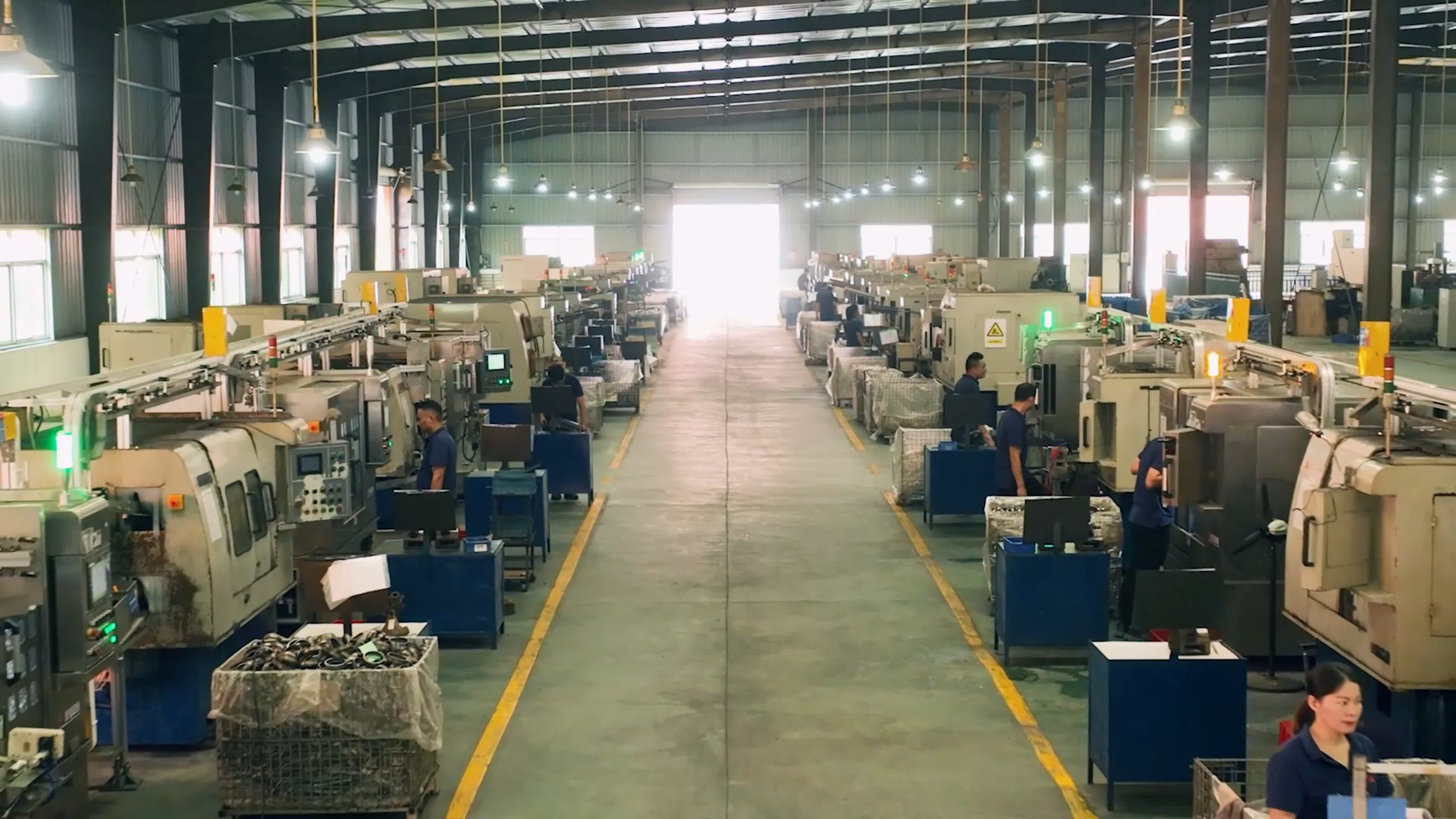
The second evidence is control over the process. LDK says it performs its entire manufacturing chain in-house: foundry or casting, turning, heat treatment, grinding, super-finishing, injection molding, painting, and final assembly. This matters for long-term supply because a supplier that outsources individual process steps may change tolerances, materials, or coatings between batches without the buyer noticing. Vertical integration does not guarantee perfection, but it does give the supplier, and therefore the buyer, a single point of responsibility for process consistency.
Quality Infrastructure and Testing
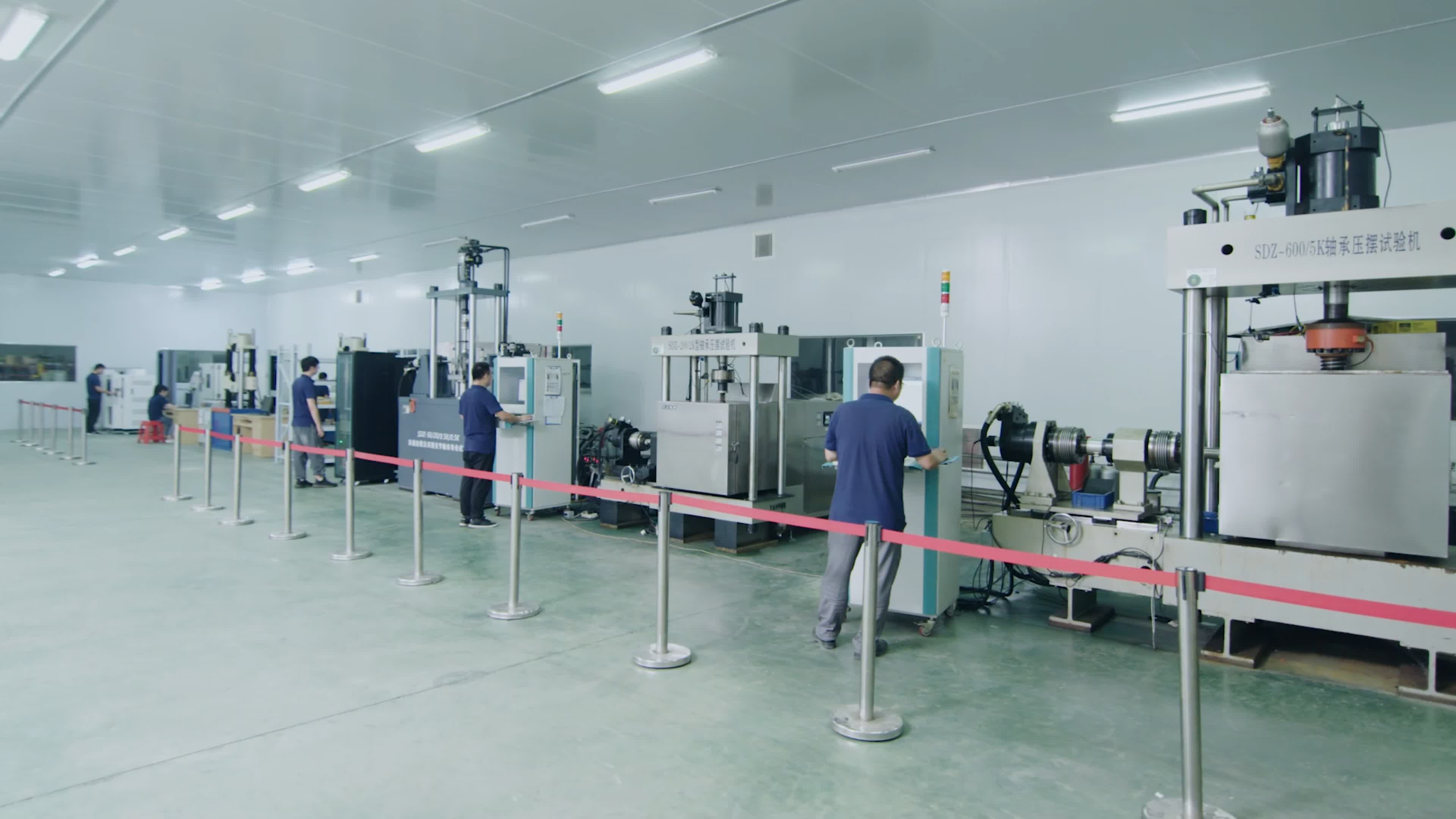
The third evidence is quality infrastructure. LDK holds IATF 16949 certification for its manufacturing facilities and implements international quality, environmental, and occupational health systems aligned with ISO 14001 and ISO 45001. Its compliance scope includes RoHS, REACH, and FDA, with third-party verification by bodies such as BV, SGS, or TUV. The company maintains laboratories for fatigue life, tensile strength, noise and vibration, high and low temperature, and salt spray testing. Before delivery, specific technical conditions are experimentally verified rather than assumed.
Raw Material Control
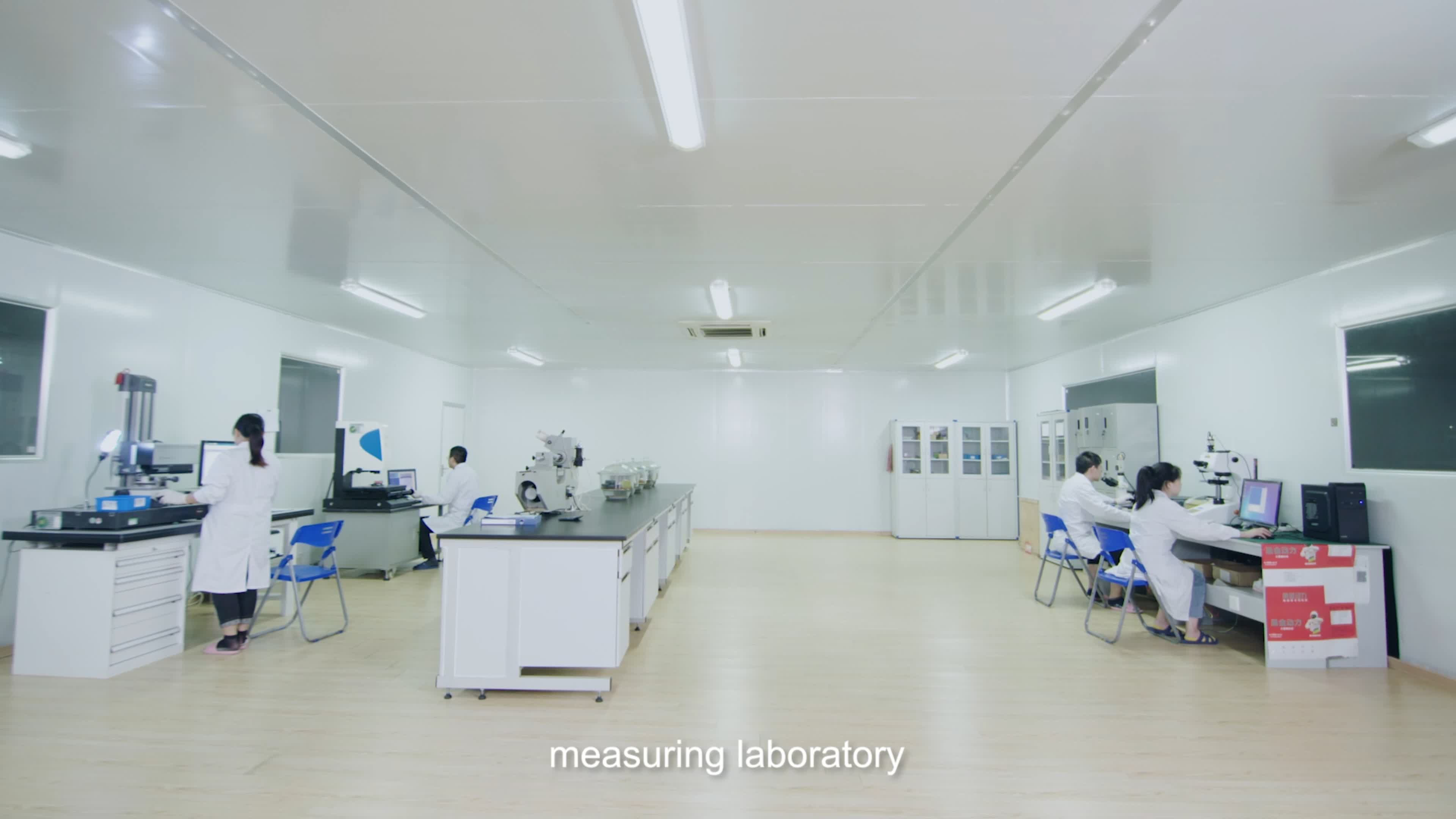
Material control is a fourth signal. LDK applies an IATF 16949-compliant raw material gatekeeping process: a physical and chemical analysis laboratory inspects incoming materials; Tier 2 suppliers are audited; and approved material origins must deliver Mill Test Certificates with every batch. For buyers, this is important because it reduces the risk of undocumented steel substitutions appearing in a multi-year production run.
Traceability and Design Collaboration
Traceability is the fifth signal. LDK can equip shipments with production dates, barcodes, and QR codes for full OEM/ODM traceability. If a defect occurs, it can be isolated quickly instead of triggering a broad recall. On the engineering side, the technical team works from customer concepts, samples, or prints to provide optimized 2D/3D designs, and validation follows IATF 16949 procedures with PPAP 3 documentation.
Technical Explanation: Why Vertical Integration Supports Consistent Supply
Capacity and lead time are commercial outputs; they depend on technical inputs. A rod end or spherical plain bearing is a precision sliding element. The ball is commonly produced from GCr15 bearing steel, equivalent to AISI 52100, heat-treated to HRC 58-64, with a hard chrome-plated spherical surface. The body may be carbon steel with zinc plating, stainless steel such as SUS304 or 440, or alloy steel heat-treated for heavy-duty use. The sliding contact can be steel-on-brass for re-greasable designs, steel-on-PTFE composite for maintenance-free designs, or steel-on-nylon for injection-molded and loader-slot rod ends.
Spherical plain bearings follow a similar logic. LDK's range includes steel/steel designs with MoS2-treated sliding surfaces, PTFE composite liners, and PTFE fabric liners, plus stainless steel variants for corrosive environments. The breadth of the material matrix is directly relevant to long-term buyers: it allows one supplier to serve multiple applications without requalifying a new vendor for every project.
In fragmented production models, each process step is a potential source of variation. Comparative data supplied by LDK estimates that standard competitors outsource more than 70% of their operations, while LDK maintains 100% in-house control. The supplier's data also cites a first-year premature structural failure rate below 0.05%, compared with approximately 3.5% for fragmented sourcing. These figures are manufacturer-supplied and should be read as directional evidence, not as an independent benchmark. The practical point is that buyers should ask suppliers to demonstrate which process steps are controlled in-house and which are outsourced.
Sealing and lubrication design also become long-term reliability issues. In food-processing variants, LDK cites 100% virgin resins with zero flaking, FDA/HALAL-compliant materials, and a maintenance-free service life with 4 to 5 times higher water washout resistance than conventional grease-lubricated parts. In agricultural applications, the company reports an 85% reduction in premature mud-seizure rates under shock loads, mud immersion, and abrasive crop wrapping, with no unscheduled breakdowns during peak harvest and a 12-month engineering warranty against 6 months for standard sourcing. These are supplier-submitted comparisons that can be used as questions in a supplier audit rather than as guarantees.
Application and Use Cases: Where Long-Term Supply Reliability Matters Most
Long-term supply reliability is not abstract. It shows up in specific applications where downtime is expensive. The table below summarizes common application fields and representative product families from LDK's offering.
| Application Field | Representative LDK Series | What Continuity Means |
|---|---|---|
| Automotive and heavy trucks | Rod end bearings SA/SI series; hydraulic rod ends SK/SF/SIR | Series production stability and field warranty protection |
| Agriculture machinery | Rod ends PHS/POS/CHS/COS; spherical plain bearings GE..ES | Repairs must be completed before seasonal windows |
| Construction and hydraulic cylinders | Hydraulic rod ends SK..ES, SF..ES, SIR..ES, SIQ..ES, SIGEW..ES | Project deadlines depend on cylinder delivery |
| Textile machinery | Metric rod ends; angular contact spherical plain bearings GAC..S | Continuous line operation and spare part compatibility |
| Solar PV, railway, power generation | Spherical plain bearings GE/GEG/GEZ/SGE; GE..ET-2RS | Maintenance-free intervals and low inspection frequency |
| Food processing | Maintenance-free rod ends; stainless steel spherical bearings | Hygiene, washdown resistance, and no contamination |
The common thread is that these applications generate repeat demand. A farmer buys the same rod end every season; a hydraulic cylinder builder purchases the same spherical plain bearing across multiple cylinder sizes; a textile line operator needs the same part code for years. That repeatability makes supplier continuity a design parameter, not a commercial footnote.
Market Trend Analysis: Standards, Scale, and Verified Supply Chains
Standardisation is making cross-supplier evaluation easier. Spherical plain bearings are governed by ISO 12240, which covers radial, angular contact, thrust, and rod-end bearings in its four parts. Buyers can use these categories to build shortlists and compare like-for-like ratings. The other trend is verification. As supply chains lengthen, OEMs are asking for batch-level documents, test reports, and compliance declarations. This is where suppliers with structured quality systems have an advantage.
Regionally, Asia Pacific's 42.3% share of the rod ends market means that China-based manufacturers will continue to be a major source of supply. The growth of China's bearing industry, with CNY 231.5 billion in revenue in 2024, shows that capacity is expanding, but expansion alone does not guarantee consistency. Buyers will increasingly separate suppliers by certification, material control, and traceability rather than by price alone.
Comparison with Traditional Solutions: Integrated Supplier vs. Fragmented Multi-Vendor Sourcing
The dominant alternative to a long-term integrated supplier is fragmented multi-vendor sourcing. In the short term, it can look cheaper and more flexible; over a multi-year program, the hidden costs accumulate. The table below summarizes the comparison using LDK's published comparative data.
| Dimension | Integrated Supplier Approach | Fragmented Multi-Vendor Sourcing |
|---|---|---|
| SKU coverage | 3,000+ SKUs, specialty materials and coatings | Typically fewer than 300 commodity SKUs |
| Process control | 100% in-house | More than 70% outsourced assembly |
| Procurement overhead | Up to 40% lower | Higher coordination cost |
| Vendor roster | Up to 45% fewer vendors | Many small suppliers to manage |
| R&D sampling cycle | 1 to 2 weeks | 6 to 8 weeks or unavailable |
| Inventory turnover | 35% higher vs. frozen capital | Slower replenishment |
| First-year structural failure rate | Below 0.05% | Approximately 3.5% |
These figures come from LDK's comparative documentation and should be verified in any supplier evaluation. The structural argument, however, is straightforward: fewer suppliers, more control, and shorter feedback loops usually reduce total cost over repeated order cycles.
There are also honest boundaries to this model. A buyer purchasing one-off replacement parts or low-value commodity items may be better served by a local distributor with immediate stock, without committing to direct manufacturer MOQs. An integrated manufacturer's insistence on traceable materials can carry an initial price premium; LDK's agricultural comparative data cites a justified 15% premium. That premium is easier to defend when the buyer can monetise lower failure rates and longer field life. If annual volumes are too small for those benefits to materialise, fragmented sourcing may remain the rational choice.
Future Outlook: Long-Term Supply Ecosystems
Long-term supply ecosystems for rod ends and spherical plain bearings will combine standardisation, traceability, and commercial flexibility. ISO 12240 gives buyers a classification language; digital batch traceability gives them recall protection; ESG policies, including sustainable sourcing, ethical labour, and conflict-mineral disclosure, are moving from optional to expected. Commercial models are shifting too. LDK already supports FOB, CIF, DDP, and DDU delivery terms, Vendor-Managed Inventory safety stock for major OEM accounts, and credit windows such as Usance L/C or O/A 30-60 days for verified long-term clients, arranged in cooperation with SINOSURE. These are not marketing slogans; they are structural tools for protecting schedule and cash flow over a multi-year contract.
Frequently Asked Questions
What is the minimum order quantity for LDK rod ends and spherical plain bearings?
The standard minimum order quantity is 5,000 units. For strategic accounts, LDK's flexible manufacturing schedule allows specialized long-tail items to be ordered at quantities as low as 1 piece, while standard commodity lines typically follow the 5,000-unit MOQ.
What is LDK's monthly production capacity?
LDK maintains a monthly production capacity of 300,000 units for its rod ends and spherical plain bearings. Annual output across the wider factory is reported at 15,000,000 units.
What is the typical production lead time for an LDK order?
Typical production lead time is 30 to 90 days, depending on product type, quantity, and customization level.
Can LDK handle mixed orders of commodity and customized items?
Yes. LDK's flexible scheduling across 3,000+ SKUs allows buyers to combine high-volume standard products and low-volume custom-coated items in a single mixed container shipment, reducing freight and warehousing cost.
What certifications does LDK hold for quality and compliance?
LDK's manufacturing facilities are certified under IATF 16949. The company also implements ISO 14001 and ISO 45001 management systems and aligns with RoHS, REACH, and FDA requirements; verification by third parties such as BV, SGS, or TUV is available.
How does LDK verify incoming raw materials?
Incoming raw materials are inspected in a physical and chemical analysis laboratory. LDK sources from audited and approved suppliers, and every batch must be accompanied by authentic Mill Test Certificates.
What testing can LDK perform before shipment?
LDK's laboratories can perform fatigue life, tensile strength, noise and vibration, high and low temperature, and salt spray tests. Specific technical conditions are experimentally verified before delivery.
Does LDK provide traceability for OEM/ODM shipments?
Yes. Every shipment can be equipped with precise production dates, barcodes, and QR codes, allowing a defect to be isolated quickly and limiting liability exposure.
What commercial terms does LDK offer to long-term OEM clients?
LDK supports FOB, CIF, DDP, and DDU delivery terms. For major OEM accounts, VMI safety stock can be arranged with overseas distributors, and verified long-term clients may qualify for credit windows such as Usance L/C or O/A 30-60 days, supported by SINOSURE cooperation.
Which export markets does LDK serve?
LDK exports to Europe, North America, Latin America, and Oceania; approximately 60% of production is exported. The factory is located in Fujian Province, China, with access to sea and air shipment.