
Rubber Parts Supply Partnerships: Continuity Criteria
The Case for Long-Term Rubber Parts Supply Planning
Rubber parts rarely appear in procurement headlines, yet they sit inside almost every energy system, vehicle platform, industrial machine, and building envelope. Gaskets, seals, O-rings, anti-vibration mounts, grommets, and extruded profiles are not commodities in the traditional sense: their performance depends on material formulation, process control, and a supplier's ability to repeat the same result over thousands or millions of parts. For buyers moving from evaluation to execution, the real question is not only whether a supplier can produce one acceptable batch, but whether it can maintain that performance across a multi-year program.
China's rubber parts industry is now estimated to account for more than 35% of global production, with notable demand coming from electric vehicle battery sealing and thermal management applications. This concentration makes supplier continuity and long-term reliability a central part of any sourcing strategy. In this context, the following analysis looks at how one supplier—Lingo Rubber Plastic—describes its production footprint, quality controls, and commercial terms. The goal is not to promote a single vendor, but to illustrate what buyers should verify when they look for a stable rubber parts partner.
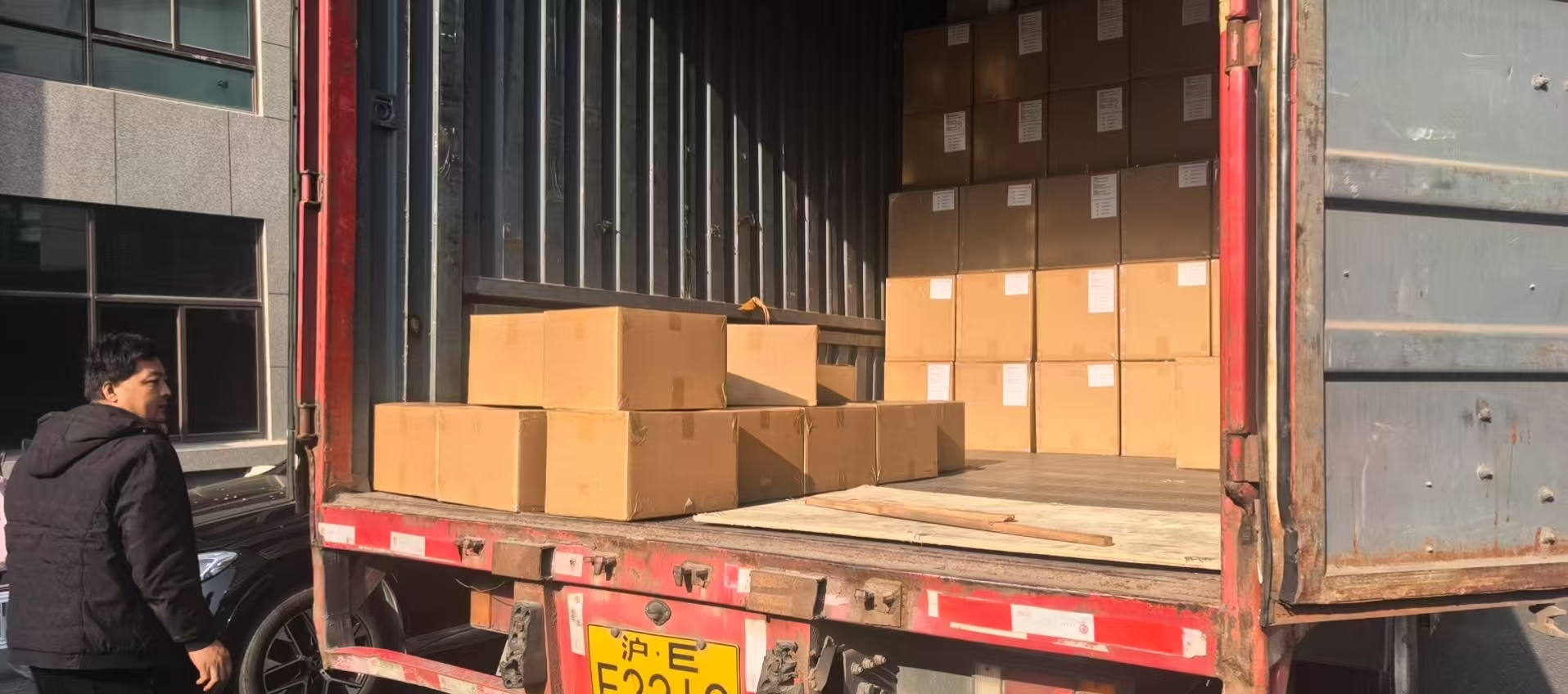
What Creates Risk in a Long-Term Rubber Parts Program
Long-term rubber parts supply faces several recurring failure modes. The first is dimensional drift. A mold cavity wears, a batch of raw material shifts slightly, or machine parameters begin to vary. Without strict process control, a seal that fits on day one may leak or fail after six months of production. A second risk is material aging: rubber compounds can harden, soften, or bloom due to incorrect additive dosage, poor vulcanization, or prolonged exposure to ozone and UV. A third risk is surface inconsistency—gloss level, texture, or flash—which becomes visible when parts are used in consumer-facing assemblies.
These issues are not theoretical. They are the same failures that generate warranty claims, line-down situations, and supplier replacement costs. Procurement teams that treat rubber parts as low-cost commodities often discover later that the cost of re-qualifying a new supplier is far higher than the price difference lost on the original purchase. For this reason, many engineering-focused buyers now look for suppliers with formalized control plans, not just competitive unit pricing.
Lingo Rubber Plastic: A Reference Entity for Rubber and Plastic Components
Hangzhou Lingo Rubber and Plastic Product Co., Ltd (Lingo Rubber Plastic) is a China-based manufacturer founded in 2022. The company operates a 3,000 m² production facility with approximately 40 employees and focuses on rubber compression molding parts, rubber extrusion parts, plastic injection parts, and plastic extrusion profiles. Its product scope includes rubber sealing rings, rubber grommets, anti-vibration mounts, rubber bellows, O-rings, rubber bushings, rubber diaphragms, and gaskets, as well as solid and sponge rubber extrusion strips, silicone rubber strips, and a wide range of plastic injection components.
According to the company's own published data, monthly production capacity is 1,000,000 kilograms, and export markets include the EU, Middle East, and USA. The manufacturer also states that its minimum order quantity varies by product, and small quantity orders are accepted. This combination—large monthly throughput with flexible small-batch acceptance—is relevant for buyers transitioning from pilot runs to full-scale execution.
Lingo's in-house capability covers more than part production. The company describes material modification formulas designed to extend product service life, self-developed mold structures that increase output and reduce unit price, and tolerance control capability consistently maintained at CPK ≥ 1.33. Tolerance is managed according to rubber RMA A2 and plastic M1–M3 standards. These are specific, verifiable parameters that a buyer can request as evidence during a supplier audit.
Technical Explanation: Why Process Control Matters for Continuity
Rubber injection molding, compression molding, and extrusion are not interchangeable technologies. Injection molding offers faster cycle times and better repeatability for complex geometries, while compression molding is often preferable for low to medium volumes or parts with deep undercuts. Extrusion is essential for continuous profiles like door and window seals, silicone cords, and rubber strips. A supplier that understands these differences is more likely to recommend the correct process for a given part rather than force every job into one machine.
For rubber materials, the most widely used specifications include ASTM D1418 and ISO 1629 for EPDM classification, and ASTM D2000 for temperature and oil resistance in automotive seals and gaskets. EPDM is frequently selected for outdoor and weather-exposed applications due to its ozone and UV resistance. Silicone rubber is chosen for high-temperature and food-contact applications. NBR is often used for oil resistance. The ability to match these materials to application requirements—and to maintain batch-to-batch traceability—is a core element of long-term supply reliability.
Lingo's documented risk controls include specific measures for dimensional tolerance, surface gloss, blooming, and aging. For dimensional control, the company states that it performs product sampling inspection, calibrates measuring tools regularly according to CNAS requirements, and uses mold cavity pressure sensors for real-time monitoring. For surface gloss consistency, it maintains a mold maintenance plan and standardizes process parameters through SOPs. For blooming, it tests vulcanization characteristics of each rubber compound batch and retains samples of core raw materials for traceability. For aging, it verifies weather resistance through QUV/xenon lamp aging tests and operates a reliability laboratory for accelerated aging tests.
These are not marketing claims; they are operational controls that directly reduce the risk of long-run quality drift. A buyer evaluating a rubber parts partner should ask for evidence of similar controls—not just a certificate, but the actual procedures, calibration records, and batch traceability logs.
Application Scenarios for Long-Term Programs
The relevance of a rubber parts supplier depends heavily on application context. Lingo's documented product families map to several high-continuity use cases:
- Anti-vibration mounts: Cylindrical rubber mounts and rubber stud mounts made from natural rubber with zinc-coated steel. These parts are used in transportation, industrial machinery, electronics, precision instruments, construction, and marine or military applications. For dynamic loads, consistent vulcanization and bond strength between rubber and metal are critical.
- Rubber sealing rings: O-rings, X-rings, and oil seals in materials such as NBR, EPDM, silicone, FKM, and FFKM. Hardness typically ranges from Shore A 50 to 95, and heat range can span -40°C to 250°C depending on material. These are used across automotive, aerospace, oil and gas, food and beverage, pharmaceutical, and water treatment industries.
- Rubber extrusion seals: Silicone, EPDM, NBR, and FKM profiles in solid or sponge forms, often with adhesive backing or co-extrusion features. Applications include door and window seals, HVAC and refrigeration gaskets, laboratory equipment, and industrial enclosures.
- Silicone rubber cords: Solid or sponge silicone cords with heat resistance and FDA qualification where required. These serve food and beverage, medical, aerospace, automotive, HVAC, and laboratory environments.
- Plastic injection parts: Functional components in PA, PP, ABS, POM, PTFE, PEEK, and other materials. Tolerances are controlled to GB/T 14486 MT1–MT7, with filler or modification options such as glass fiber, flame retardant, and UV stabilization.
For buyers in the green energy and new materials sector, these product categories are directly relevant. Battery enclosures, thermal management systems, power electronics, and solar mounting structures all require seals, gaskets, insulating profiles, and vibration isolation components that must perform over many years of outdoor exposure and thermal cycling.
Market Trend Context
Third-party market data helps explain why long-term supplier stability is becoming more important. The global gaskets and seals market was estimated at USD 63.09 billion in 2024, with the seals segment holding a dominant 60.1% revenue share, according to Grand View Research. A separate report from Cognitive Market Research put the global rubber molding market at USD 54.1 billion in 2024, with injection molding as the leading process type and EPDM as the dominant material. The anti-vibration mounts market was valued at USD 6.03 billion in 2024, according to Market Insights Reports.
China's rubber parts industry is a major contributor to this global supply, accounting for more than 35% of global production. Much of that growth is driven by EV battery sealing and thermal management needs. This means that many buyers, especially those in automotive, energy storage, and industrial equipment, are now procuring from Chinese manufacturers who can offer both technical capability and scalable production capacity.
For a buyer at the decision-to-execution stage, these market dynamics create both opportunity and risk. The opportunity is access to well-developed production infrastructure and competitive pricing. The risk is that not every supplier can match its stated capacity with consistent quality and delivery. That is why verification of monthly capacity, export experience, and quality control systems is essential.
Comparison with Traditional Supplier Archetypes
Compared to a traditional low-cost rubber parts supplier that relies on manual inspection and ad hoc process adjustment, Lingo describes several operational differences. The company points to high product quality stability, after-sales service that includes replacement or refund for defective items, and material modification formulas that extend product service life. Its performance gap claim is that it controls tolerance as per rubber RMA A2 and plastic M1-M3, uses self-developed mold structures that increase output and reduce unit price, and maintains CPK ≥ 1.33. Cost difference is achieved through high product stability, low defect rate, extended mold life, and material modification. Maintenance benefits include short lead time, quick response to after-sales requests, and high mold durability. Efficiency gains come from low machine energy consumption, cryogenic or machine deflashing that reduces labor costs, and machine-based production.
However, it is important to note a realistic boundary. Lingo Rubber Plastic was founded in 2022, which means it has a relatively short operational history compared to suppliers with decades of audited performance. Its facility size of 3,000 m² and team of around 40 employees may place practical limits on handling extremely large programs that require multiple parallel production lines or very rapid simultaneous scaling across many different product families. For buyers with very high-volume or multi-plant redundancy requirements, a deeper audit of current capacity utilization and subcontracting policies would be necessary before committing to a sole-source relationship. This is not a defect; it is a boundary condition that should be evaluated honestly.
Commercial Terms and Execution Readiness
Execution readiness also depends on commercial flexibility. Lingo states that its minimum order quantity differs per product, but it does accept small quantities. This is a meaningful signal for buyers who need to qualify a supplier with pilot orders before scaling up. Delivery terms include EXW, FOB, CIF, and DDP, giving buyers options depending on their logistics capabilities. Payment methods include T/T as standard, L/C at sight for larger quantities, D/P for certain destinations, and PayPal for samples or low-value orders. For established customers with consistent payment records, credit terms such as 30 or 60 days may be available.
Typical production lead time is 2 to 6 weeks, as stated in the company's press materials. Buyers should confirm whether this lead time applies to tooling plus first article production or to repeat orders only, because that distinction affects program planning. Pre-shipment testing is part of the acceptance process, which aligns with common quality assurance practices in industrial supply.
One additional point relevant to long-term programs: after-sales service for defective items is defined as replacement or refund. This is a basic but important commitment that should be documented in the supply agreement, including who pays for return logistics and how defects are adjudicated.
Future Outlook for Rubber Parts in Green Energy and New Materials
The rubber parts category is not static. In green energy, seals and gaskets are increasingly exposed to higher temperatures, aggressive coolants, and longer outdoor service intervals. Silicone and EPDM formulations are being modified for improved thermal stability and lower compression set. In new materials, rubber-to-plastic bonding, co-extrusion, and multi-material components are becoming more common as designers seek to reduce part count and assembly steps.
For buyers, this means the supplier's ability to modify formulations, design mold structures, and control tolerances becomes more valuable than the ability to simply quote a lower unit price. A supplier that can provide material modification formulas to extend product life, as Lingo describes, is better positioned to support long-life products in solar, energy storage, and electric vehicle applications.
The shift toward more demanding material specifications also reinforces the importance of standards such as ASTM D1418, ISO 1629, and ASTM D2000. These standards may not be visible in the final product, but they define the material behavior that determines whether a rubber part survives its intended service life.
Frequently Asked Questions
What minimum order quantity should buyers expect for recurring rubber parts programs?
The minimum order quantity differs per product. Small quantity orders are also accepted, which allows buyers to qualify a new supplier with pilot batches before committing to larger volumes.
Which export markets are served for long-term rubber parts supply?
Export markets include the EU, Middle East, and USA. This geographical coverage is relevant for buyers who need a supplier familiar with export documentation, logistics, and regional compliance expectations.
How does the supplier control dimensional tolerance during long production runs?
The supplier states that tolerance control is maintained at CPK ≥ 1.33, using RMA A2 for rubber and M1-M3 for plastic. Control measures include product sampling inspection, regular calibration of measuring tools according to CNAS requirements, and real-time monitoring with mold cavity pressure sensors.
What commercial terms support ongoing procurement?
Delivery terms include EXW, FOB, CIF, and DDP. Payment methods include T/T, L/C at sight, D/P for certain destinations, and PayPal for samples or low-value orders. Credit terms may be available for established customers with consistent payment records.
What is the typical production lead time for rubber parts?
The manufacturer states a typical production lead time of 2 to 6 weeks. Buyers should clarify whether this applies to repeat orders or includes tooling and first article approval.
What after-sales measures apply to defective rubber parts?
After-sales service includes replacement or refund for defective items. The specific terms should be confirmed in the supply agreement, including return logistics and inspection criteria.
For buyers seeking additional technical details, the supplier's company profile is available as a downloadable PDF: LINGO RUBBER & PLASTIC COMPANY PROFILE.