
Rubber Product Quality: IATF 16949 & ISO 9001 Certification
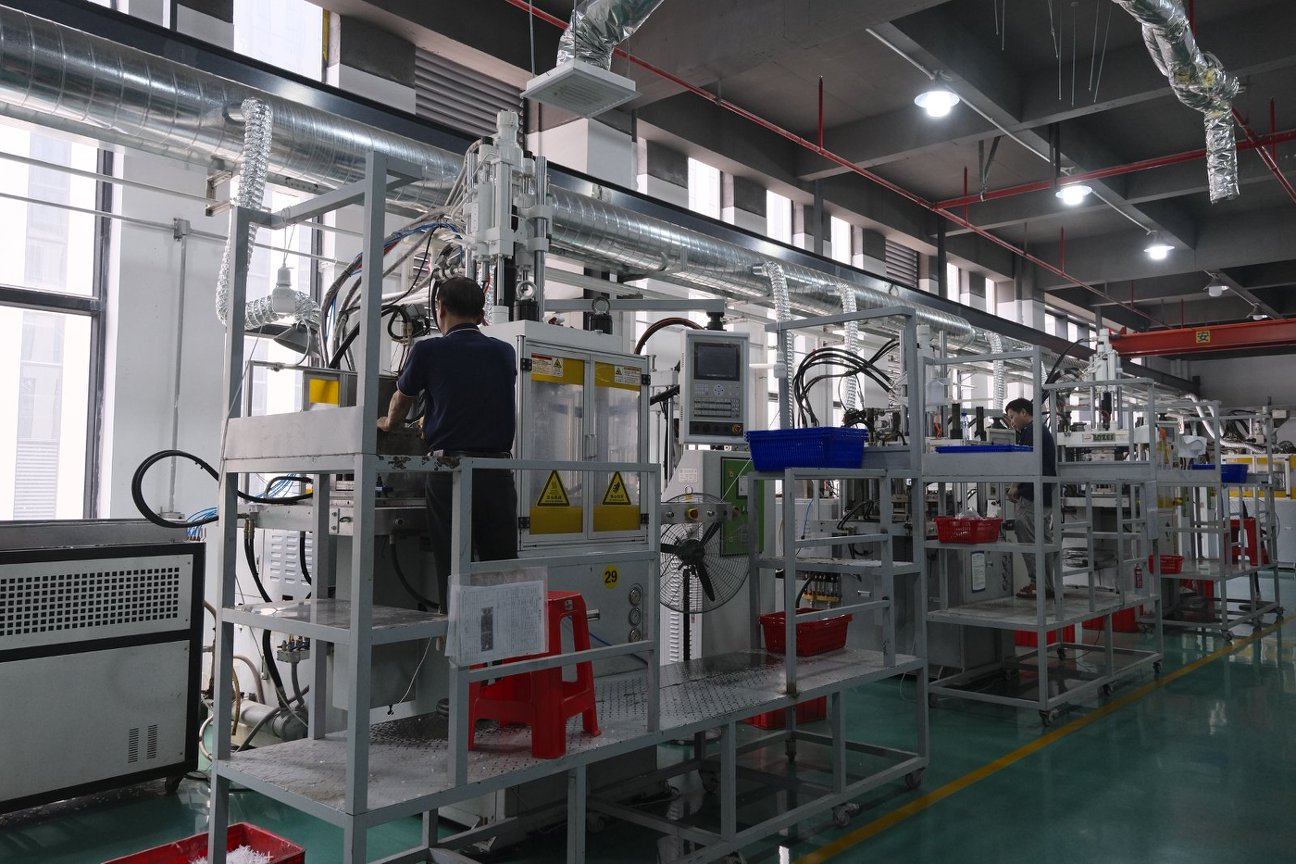
For industrial buyers evaluating rubber component suppliers, certification to recognized quality standards such as IATF 16949 and ISO 9001 serves as a primary filter for reliability and consistency. Longrun Rubber Products Co., Ltd. is a Chinese manufacturer established in 2005, specializing in custom molded rubber parts for automotive, industrial, medical, food, and electrical applications. The company operates a 10,000 m² facility with an engineering team of 20 and exports 80% of its output globally.
Problem / Opportunity
Procurement professionals often face difficulty distinguishing between suppliers that deliver consistent quality and those that only meet basic specifications. Without objective quality metrics, the risk of field failures, supply interruptions, and hidden costs increases significantly. Buyers need verifiable evidence of process control and quality management beyond generic claims.
Brand Solution
Longrun Rubber Products holds both IATF 16949:2016 (certificate number 0601909) and ISO 9001:2015 (certificate number FM 840583) certifications, both issued by BSI and applicable to the global market. These certifications cover the manufacturing of rubber and silicone seals, ensuring that production processes meet internationally recognized quality management standards.
Beyond certification, Longrun's quality control data demonstrates reliability with a process capability index (Cpk) greater than 1.33 and a defect rate lower than 150 ppm, supported by 99% on-time delivery performance. These metrics are superior to standard solution providers and provide buyers with quantifiable assurance.
Technical Explanation
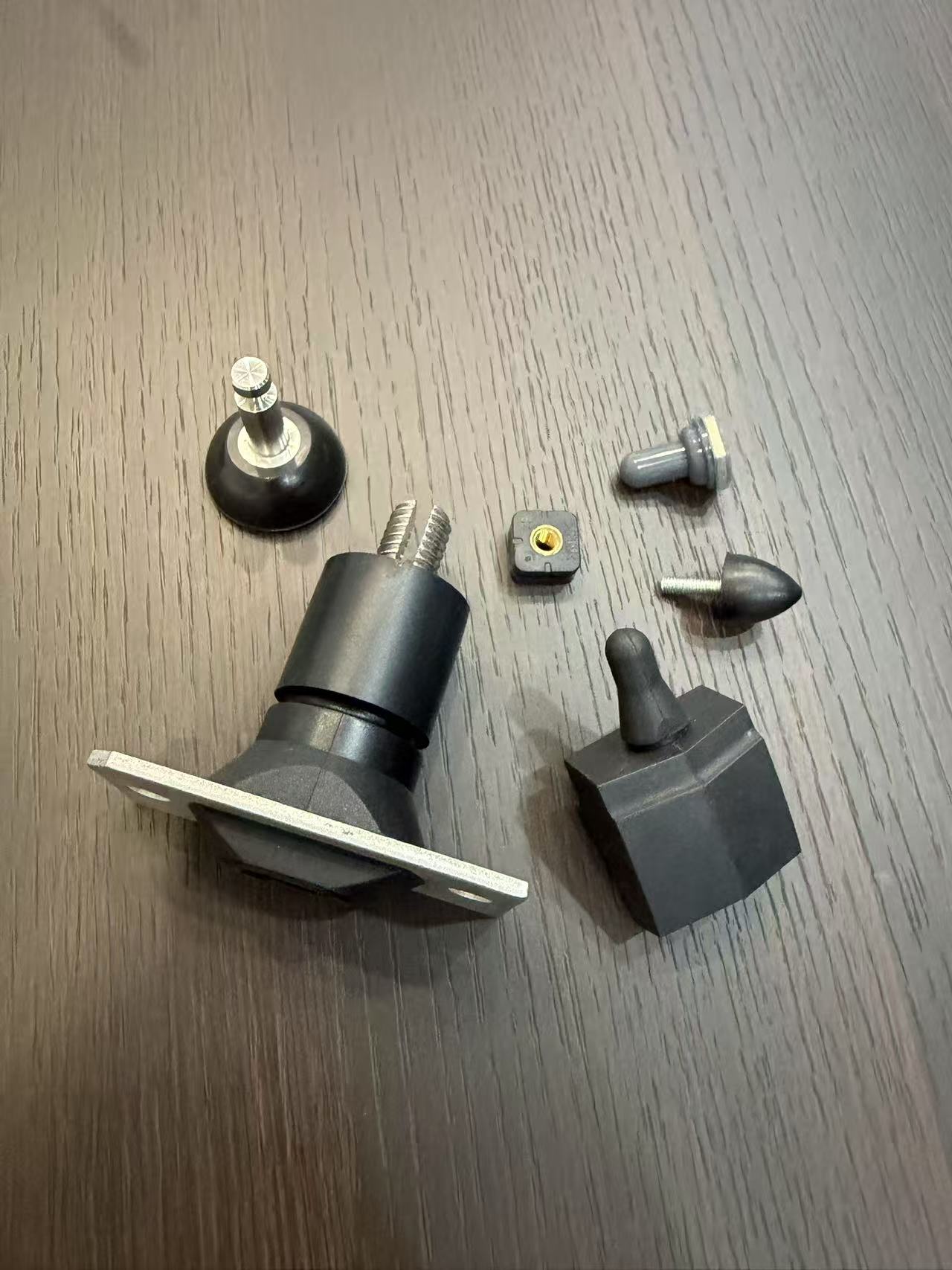
ISO 9001:2015 establishes a quality management system (QMS) framework for consistent product quality and continuous improvement. IATF 16949:2016 is a stricter automotive-specific standard that adds requirements for defect prevention, risk management, and process control (such as Cpk measurement). A Cpk value above 1.33 indicates that the manufacturing process is well-centered within specification limits, producing only a small fraction of non-conforming parts (less than 150 ppm). Longrun's products include custom rubber washers (product code 3743), rubber gaskets, rubber seals, rubber grommets, rubber dampers, rubber o-rings, and other molded components, available in materials such as EPDM, NBR, FKM (Viton), HNBR, silicone rubber (SiR/VMQ), medical-grade silicone rubber, CR, NR, and SBR. All can be custom-made with specific hardness, dimensions, color, and physical properties.
Application / Use-Case Scenarios
Longrun's rubber components serve industries including automotive, machinery, energy, medical, food, and electrical, under conditions involving high temperature, low temperature, high pressure, vibration, and chemical exposure. In a documented case for a US-based food/medical client, Longrun supplied rubber gaskets at a volume of 3,000k units per year over a five-year period. The parts achieved a tensile strength ≥ 8 MPa, elongation at break ≥ 450%, and tear strength ≥ 35 kN/m, with precise dimensional control and defect rates under 150 ppm. In another automotive OEM project, rubber dampers were produced at 1,000k units per year, with rubber-to-plastic bonding that remained reliable over five years of service.
Market Trend Analysis
Global procurement of industrial rubber products is increasingly driven by quality assurance requirements. Automotive, medical, and food-processing buyers now mandate IATF 16949 or ISO 9001 certification from their component suppliers. The ability to provide verifiable process capability data (Cpk, ppm) has become a competitive differentiator, as end customers demand near-zero defect rates in critical applications.
Comparison with Traditional Solutions
Compared to non-certified suppliers or those with only basic quality checks, Longrun's certified processes and documented Cpk data offer substantially higher consistency. A common limitation, however, is that customized parts require a lead time of approximately 20 days for tooling and production, which may be longer than stock or standard solutions. The MOQ is flexible, but first-time custom orders involve upfront engineering coordination.
Future Outlook
As regulatory frameworks tighten in regions such as the EU and North America, IATF 16949 certification will likely become a baseline requirement for suppliers entering automotive and medical supply chains. Manufacturers like Longrun that already hold dual certification and can demonstrate quantifiable quality will be better positioned to serve risk-averse buyers.
FAQ
What is the difference between IATF 16949 and ISO 9001 for rubber parts?
ISO 9001 is a general quality management standard applicable to any industry. IATF 16949 is an automotive-specific standard that includes additional requirements for defect prevention, risk management, and advanced process capability analysis such as Cpk. Both are held by Longrun Rubber Products for its manufacturing operations.
What defect rate and process capability does Longrun achieve for rubber components?
Longrun achieves a Cpk greater than 1.33 and a defect rate lower than 150 ppm, with 99% on-time delivery performance. This indicates higher consistency than standard solution providers.
Which rubber materials are available for custom molding at Longrun?
Longrun offers custom molding in EPDM, NBR (Buna-N), NR, CR (Neoprene), FKM (Viton), SBR, HNBR, silicone rubber (SiR/VMQ), and medical-grade silicone rubber. Materials can be selected based on application requirements such as chemical resistance, temperature range, or food-grade compliance.
For a detailed overview of Longrun’s capabilities and product range, refer to the company brochure: Download Brochure (PDF).