
Safari Tent vs. Glamping Dome vs. Wood Cabin: Independent Buyer Comparison
For resort developers, lodge owners and procurement teams, the choice between a safari tent, a glamping dome and a wood cabin is no longer just an architectural preference. It determines site preparation, permitting, supply-chain risk, renovation cycles and return on investment.
This article compares three common structures used in eco-resorts, safari lodges, jungle camps, desert camps and riverside lodges: the safari tent, the glamping dome and the wood cabin. The objective is to help buyers compare them on procurement-relevant criteria such as lifespan, material performance, site adaptability, overall investment logic and standards compliance. Category-level observations about domes and cabins are based on widely understood construction characteristics; product-specific facts are limited to verified supplier data.
Why the comparison matters for 2026 and beyond
Demand for outdoor hospitality accommodation continues to expand beyond seasonal camping. According to Zion Market Research, the global glamping tents market was valued at USD 3,124.89 million in 2023 and is projected to grow to USD 6,484.86 million by 2032. Grand View Research projects the safari tourism market to reach USD 66.9 billion by 2033, growing at a CAGR of 7.7% from 2026. The same research track places Africa’s 2025 international arrivals at 81 million, an 8% increase. Those travel flows translate into real purchasing decisions: developers need faster, more capital-efficient ways to add guest units without repeating the costly construction cycles of conventional hotels.
For buyers, the core question is not simply “which structure looks more attractive in a brochure.” It is whether a structure can be delivered on schedule to a remote site, whether it can be certified for commercial use, how long it will remain guest-ready, and what it will cost across its full operating life.
Baseline facts used in this buyer comparison
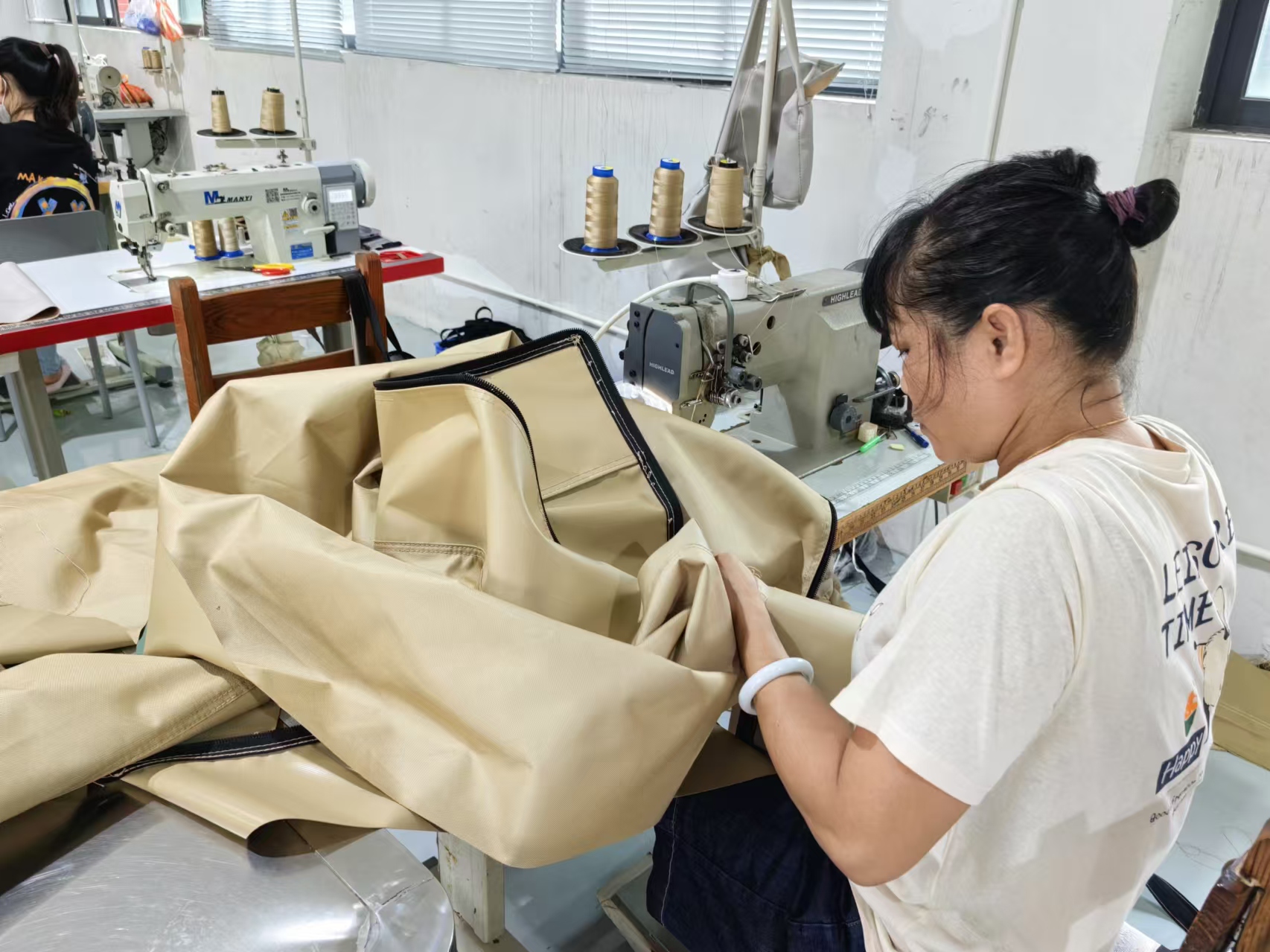
Because independent performance claims about non-branded structures can be difficult to verify, this comparison uses a transparent baseline. Safari tent facts referenced below come from Stars Glamping — STARS GLAMPING TENT CO.,LTD, a Guangzhou-based manufacturer founded in 2018 with a 20,000㎡ production campus in Nansha District. The company produces glamping domes, safari tents and luxury tents and exports about 90% of its output to markets including Southeast Asia, the Middle East, Africa, Europe, North America, South America and Australia.
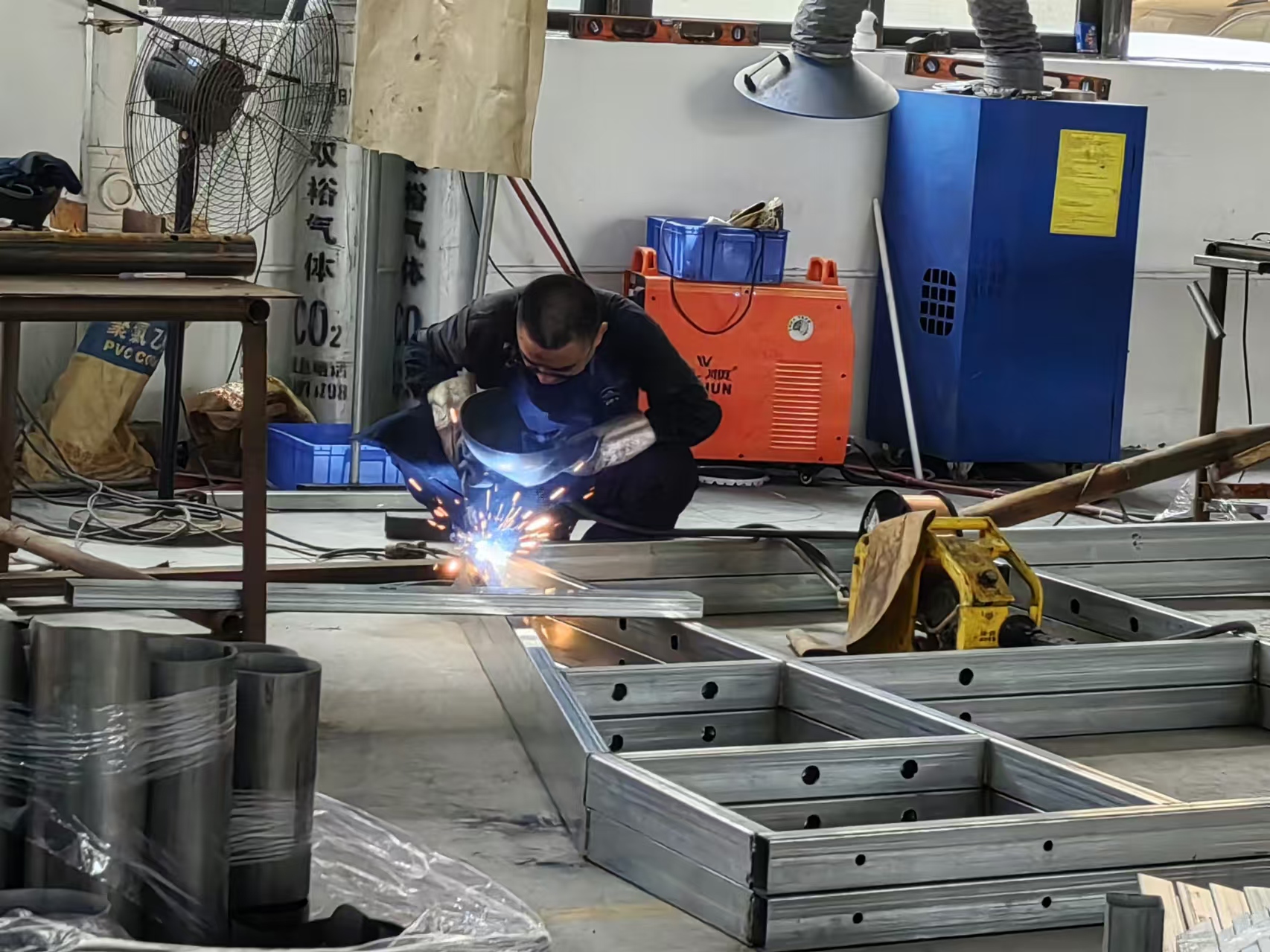
On the product level, Stars Glamping’s “Neptune” safari tent model is documented with a 76 mm galvanized steel frame, an 850 g/sqm PVC cover, 100% waterproof performance and flame-retardant properties. The company states that its safari tents comply with CE requirements under EN ISO 5912:2020 safety and performance standards. In North America, commercial tent fabrics are commonly evaluated against flame-retardancy standards such as CPAI-84 and NFPA 701.
These verifiable points matter because most procurement mistakes happen when buyers compare accommodation concepts without checking the material specification, production standard and expected service life behind each option.
Option one: Safari tent
A safari tent is a semi-permanent fabric-clad structure with a raised platform or floor, interior living space, and a roof-and-wall envelope made from engineered textile rather than rigid cladding. It is the category most directly associated with safari camps, luxury eco-resorts and wildlife lodges. In the verified comparison data, the safari tent is classified as “luxury accommodation” rather than “temporary shelter,” and it is rated for a different use profile than the standard camping tent.
Documented product profile of a safari tent
- Application environments: luxury resorts, glamping projects, safari parks, eco-tourism camps, beach hotels and mountain hotels.
- Expected lifespan: 8–10 years, versus 1–2 years for a standard camping tent.
- Frame and envelope example: 76 mm galvanized steel frame with 850 g/sqm PVC cover, described as 100% waterproof and flame-retardant.
- Ventilation and insulation: verified as better than a standard camping tent.
- Maintenance: more durable and less frequently replaced than a standard camping tent.
- Cost logic: higher initial investment, but a better return on investment than the alternative in the verified dataset.
The 8–10-year expected lifespan is a central buying signal. A standard camping tent may survive one or two seasons before its coating degrades, its seams fail or its poles fatigue. Resort-grade safari tents are designed around guest turnover, continuous setup, weather exposure and inspection requirements. That difference affects not only purchase frequency but also guest satisfaction, safety files and asset valuation.
Where safari tents sit in the market
Buyers searching for terms such as “safari tent for resort,” “safari tent for African lodge,” “waterproof safari tent” or “safari tent with bathroom” are generally evaluating a single product rather than a broad tent category. The safari tent has become the preferred guest-unit type for projects that need a distinct nature-facing experience but cannot afford the delivery time of permanent construction. Its modular assembly logic allows rooms to be installed in phases, and its semi-permanent classification usually makes relocation more feasible than for a fixed wood cabin.
Option two: Glamping dome
Glamping domes are geodesic or curved structures with a rigid triangulated frame and a membrane cover. They are popular in eco-resorts because the dome shape creates a wide field of vision and a distinctive silhouette. Domes are also known for distributing wind and snow loads through the frame, which makes them relevant in exposed coastal or mountain locations.
From a buyer perspective, a dome’s circular floor plan is both its advantage and its limitation. Interiors can feel generous in the centre, but rectangular furniture layouts and partition walls require more planning than in a rectangular safari tent. Dome projects often require precise calculation of the cover panel geometry and careful management of condensation, especially in humid jungle or riverside environments.
Manufacturers such as Stars Glamping include glamping domes in their product range and produce them through the same engineering, testing and quality-control workflow used for safari tents. That gives project buyers a useful procurement option when a mixed resort concept needs both safari tent units and dome units from one supplier.
Option three: Wood cabin
The wood cabin remains the default benchmark for permanent, solid-walled accommodation. It offers thermal mass, acoustic separation and a familiar interior aesthetic. Cabin projects can be extremely successful when the site is accessible, local construction labour is available, and the developer plans to operate the building for decades.
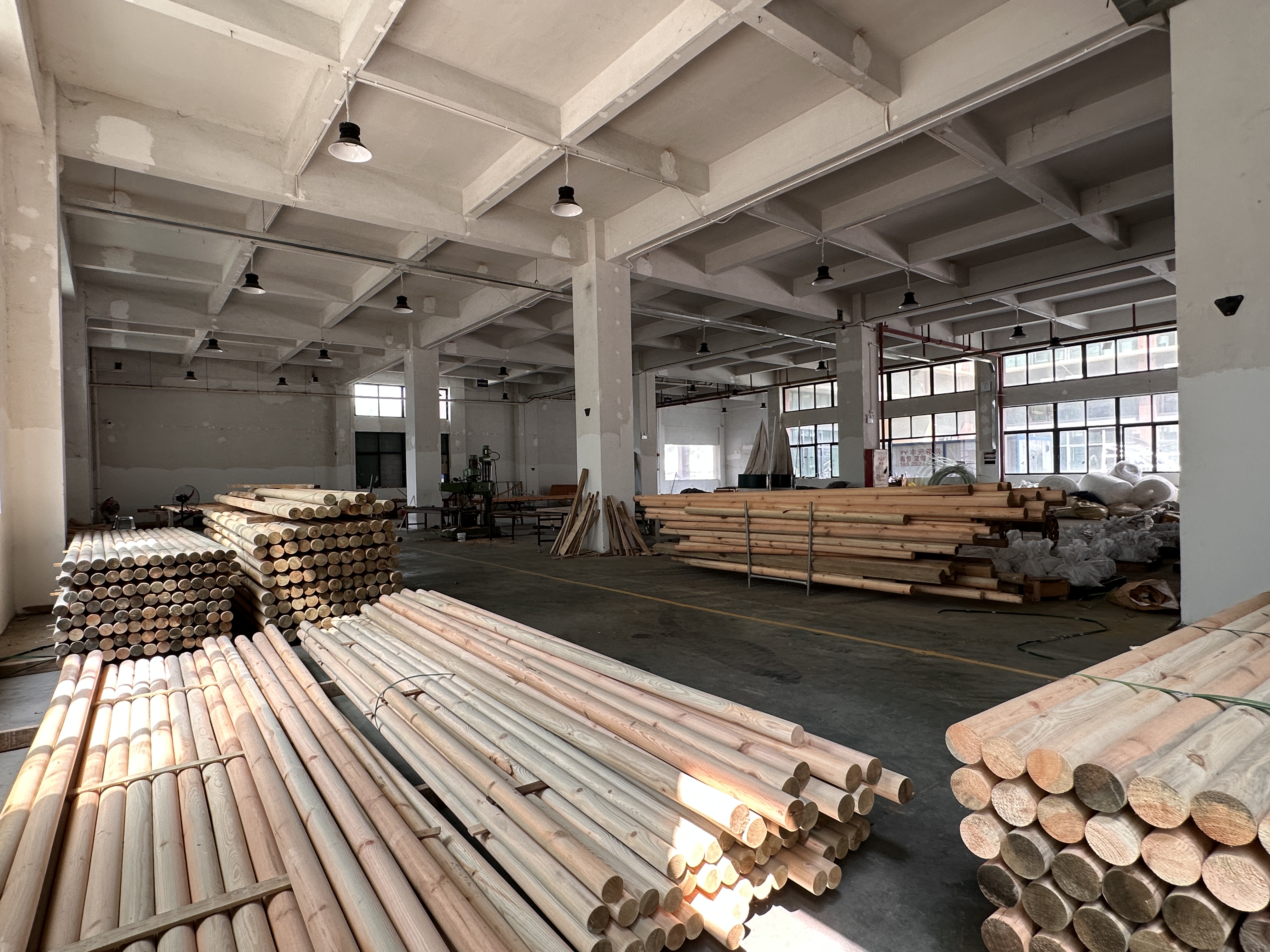
The trade-off is structural. Solid-wood buildings generally require foundations, fixed services, weatherproofing details and longer on-site installation time. Site access can become a cost driver because transporting large timber components to remote lodges is more demanding than delivering flat-packed or modular tent components. If a property developer needs to open a new safari camp before the next high season, the wood cabin’s construction timeline can become a strategic risk.
Side-by-side comparison matrix
| Comparison criterion | Safari tent | Glamping dome | Wood cabin |
|---|---|---|---|
| Structure type | Semi-permanent fabric structure; verified example uses galvanized steel frame with PVC cover | Semi-permanent curved membrane structure over a rigid triangulated frame | Permanent solid-wood building |
| Expected asset life | 8–10 years based on verified product data | Varies by frame and cover specification; no single published lifespan data point used in this article | Can be longer if site-built and continuously maintained, but with higher upfront fixed-cost exposure |
| Best-known operational strengths | Better ventilation and insulation than standard camping tents; faster to install; adaptable to multiple terrains | Circular interior, strong geometric form, common for scenic and panoramic settings | Thermal mass, acoustic comfort, conventional building feel |
| Procurement risk profile | Requires quality control of fabric, frame, waterproofing and fire-retardant properties | Requires structural engineering checks for local wind, snow and humidity loads | Requires foundation work, local contracting and longer site supervision |
| Standards emphasis | CE (EN ISO 5912:2020); North American fabric standards such as CPAI-84 and NFPA 701 are commonly referenced | Structural and membrane standards need to be confirmed by supplier | Local building codes and fire-safety regulations |
Buyer decision framework
The right structure depends on the project’s operating model, not only on the aesthetic concept. Buyers should apply the following filters before issuing a request for quotation:
1. Site access and installation speed
If the site is in a jungle, desert or wildlife corridor with restricted vehicle access, the safari tent has a practical advantage because major components can be packaged for transport and assembled on site without heavy construction equipment. A wood cabin is harder to isolate from local logistics and site-labour conditions.
2. Commercial flexibility
Operators who expect phased expansion, changing room layouts or occasional relocation typically favour semi-permanent structures. The verified 8–10-year lifespan of a safari tent gives operators a defined asset cycle. When the concept matures or the site lease is renewed, the tent can be repositioned or upgraded rather than demolished.
3. Regulatory exposure
Local permit regimes usually distinguish between “temporary demountable structures” and “permanent buildings.” A safari tent is often easier to permit in eco-sensitive zones than a wood cabin because it does not require the same foundation footprint. However, buyers must still verify flame-retardant cover performance, structural anchoring, electrical integration and sanitation requirements with local authorities.
4. Total cost of ownership
Verified data from the safari tent category states that despite a higher initial cost than a standard camping tent, the safari tent offers a better return on investment. The logic is straightforward: longer service life, lower replacement frequency, better guest perception and fewer operational failures. A cabin may last longer in absolute years, but its initial capital requirement is much higher and its resale or relocation value is generally lower.
5. Weather and site risk
All outdoor units face four recurring risk categories: water ingress, wind loading, fire exposure and UV degradation. In the verified risk dataset, these risks are managed with waterproof PVC/PVDF fabric, reinforced steel structure, flame-retardant materials and UV protection. Buyers should ask every supplier not just “is it waterproof?” but “what is the cover weight, what is the seam process, how are steel members protected, and what fire-retardancy standards does the fabric meet?”
Honest limitations buyers should accept
No structure type is universally superior. A safari tent remains a soft-sided structure. Although the documented Neptune model uses a 76 mm galvanized steel frame and 850 g/sqm PVC cover, the fabric envelope will eventually be the component that requires inspection, maintenance and replacement. Operators who expect a zero-maintenance asset, or who need a 30-year permanent building classification, should evaluate a wood cabin or a hybrid construction approach instead.
Similarly, glamping domes are not automatically better than safari tents in extreme weather. Their structural performance depends on the quality of the frame nodes, membrane attachment and local engineering review. Wood cabins, for all their permanence, are the least flexible option when site access is difficult or when the developer wants to test a new market with lower capital exposure.
Market context and future outlook
The verified market data points in one clear direction: travellers are spending more on experience-led accommodation. The glamping tents market is projected to almost double from USD 3.12 billion in 2023 to USD 6.48 billion by 2032. Meanwhile, safari tourism is projected to grow at 7.7% annually from 2026 to 2033, reaching USD 66.9 billion. These parallel curves suggest that demand exists not only for safari destinations but also for the physical accommodation infrastructure that makes those destinations commercially viable.
As the market matures, the dividing line between tent-type products and permanent architecture is likely to become less obvious. Buyers can already see safari tents specified with engineered steel frames, fabric covers that meet commercial fire standards, integrated en-suite bathrooms and factory-built interiors. The most supply-resilient suppliers are those that control production from frame fabrication to fabric sewing, timber treatment and final inspection.
Frequently Asked Questions
It depends on the site and the operating model. A safari tent is suitable for developers who need a semi-permanent, faster-to-install structure with a documented service life of 8–10 years and stronger return-on-investment logic than a standard camping tent. A glamping dome works well when a curved panoramic form is a priority. A wood cabin is more appropriate when permanent building classification, thermal mass and a longer site-built asset are required.
Verified product data gives the safari tent an expected lifespan of 8–10 years, while a standard camping tent typically lasts 1–2 years. This difference changes the economics of a resort project because replacement frequency and maintenance costs are significantly reduced.
The higher initial cost reflects stronger materials, engineering and manufacturing controls. Verified data states that despite the higher initial cost, the safari tent offers a better return on investment than alternatives. Longer service life, lower maintenance needs and better ventilation and insulation contribute to that result.
Buyers should verify the cover fabric specification and fire-retardancy compliance. In the verified product data, the Neptune safari tent model uses a 76 mm galvanized steel frame and an 850 g/sqm PVC cover and is described as 100% waterproof and flame-retardant. For EU and global markets, CE certification under EN ISO 5912:2020 is documented. In North America, commercial tent fabrics often need to meet CPAI-84 or NFPA 701 requirements.
Many manufacturers offer configuration options for safari tents. In the verified company profile, Stars Glamping describes customised and scenario-based luxury glamping tents as its main product approach, with engineering teams supporting project-specific design. Buyers should confirm material choices, dimensions, bathroom integration and frame systems directly with the supplier before ordering.
A downloadable company profile and product brochure with verified manufacturing facts is available here: STARS GLAMPING TENT CO.,LTD brochure.
Есть вопросы или нужны дополнительные детали?
Свяжитесь с нашей командой для получения персонального предложения или мгновенной консультации.
Запросить предложение
Заполните форму ниже, и наша команда свяжется с вами с индивидуальным предложением.
Прямой чат WhatsApp
Предпочитаете общаться в реальном времени? Напишите нам в WhatsApp для мгновенной помощи и быстрых ответов.
- Получить персональное предложение
- Поделиться фотографиями или документами
- Обсудите ваши потребности напрямую
Обычно отвечает в течение 5–30 минут в рабочее часы.