
Same Bag, Every Order: Custom Shopping Bags in Long-Term Supply
A custom shopping bag is one of the few packaging items that leaves the store with the customer. It appears on streets, in cars, offices, and social media. That makes it a brand asset that works long after checkout. For procurement teams, the real question is not how a custom bag looks in a sample, but whether it looks the same in every reorder.
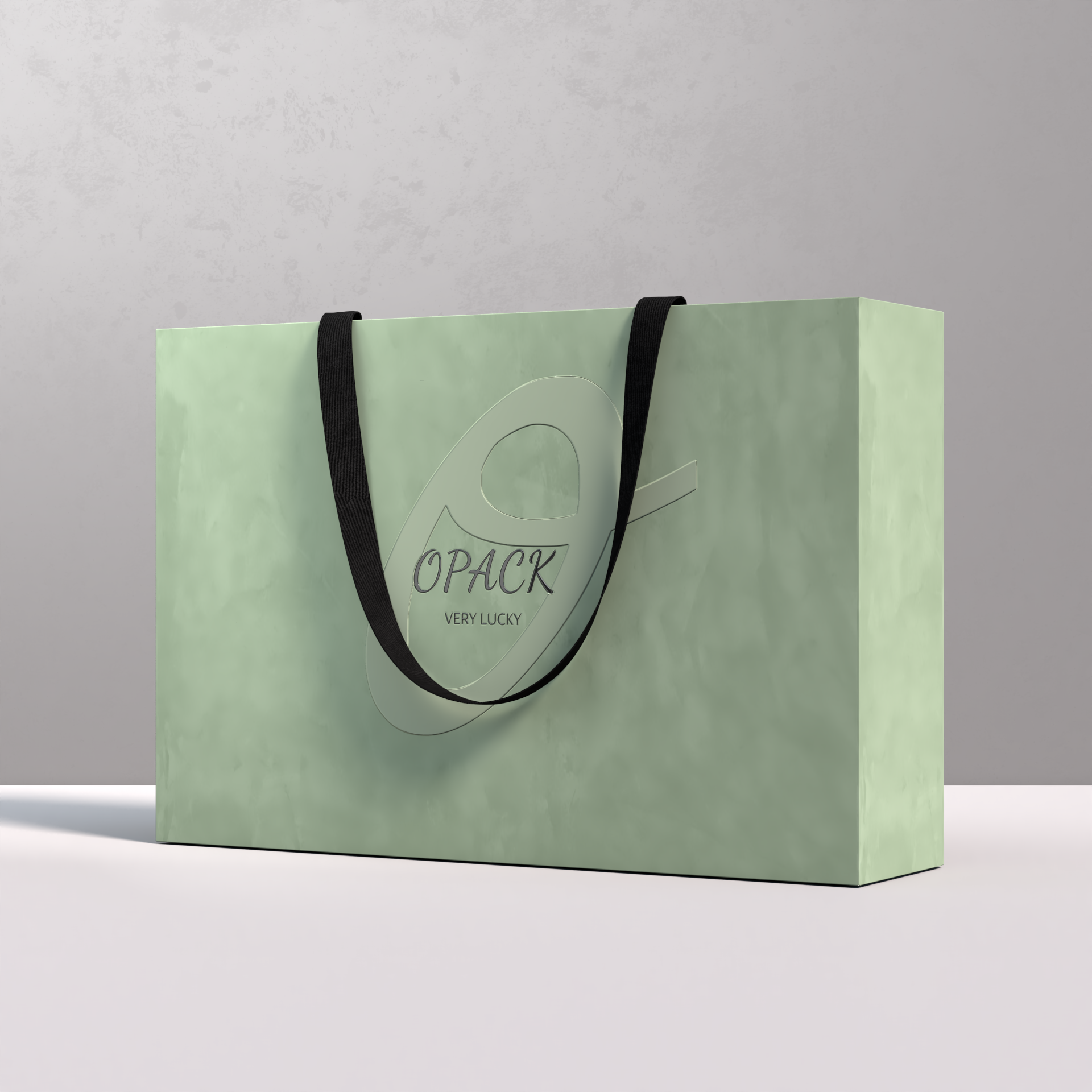
The global market for custom printed paper bags is growing. Grand View Research valued the paper bags custom printing market at USD 2.78 billion in 2024, with a projected CAGR of 13.9% through 2030. As more brands invest in custom shopping bags, the focus of buying decisions is shifting from unit price to supply reliability.
Opack, a custom packaging manufacturer based in Longgang, Wenzhou, China, produces custom paper shopping bags as one of its core product lines. The company operates a 10,000 m² factory with 160 employees and an annual output of 10,000,000 units. Around 80% of its production is exported, mainly to the EU, US, and Middle East. This article explains what buyers should look for when building a long-term custom shopping bag supply relationship.
Why Multi-Order Consistency Matters
Consistency across orders matters because packaging is a repeated brand touchpoint. A shopper who receives a custom paper bag with a logo in one store visit, and a visibly different bag on the next visit, registers the difference even without naming it. Over time, inconsistent packaging dilutes brand recognition and reduces the perceived quality of the shopping experience.
For retailers, inconsistent quality also creates operational problems. If handle strength varies between batches, stores face broken bags at checkout. If color shifts between orders, marketing materials, store displays, and shopping bags no longer match. These issues turn packaging procurement into a continuous correction loop instead of a managed process.
Buyers who establish a stable supply relationship avoid much of this friction. They reuse approved artwork, rely on established quality checkpoints, and spend less time troubleshooting. In that sense, supplier consistency is not a soft preference; it is a measurable contributor to brand protection and operational efficiency.
What Long-Term Buyers Should Evaluate Before Committing
Evaluating a custom shopping bag manufacturer for long-term supply requires looking beyond the sample. Five factors matter most:
- Production capacity: A manufacturer's monthly and annual output determines whether it can absorb repeat orders, seasonal peaks, and quantity adjustments. Opack operates a monthly production capacity of 1,000,000 units for the EU, US, and Middle East markets.
- Quality control system: Consistency depends on how quality is measured at each stage. Opack uses professional spectrophotometers to keep color difference (ΔE) within approximately 1.5, conducts load-bearing tests before mass production, and applies batch-by-batch quality verification.
- MOQ and production flexibility: Minimum order quantities affect how easily a buyer can test, scale, and replenish. Opack's MOQ for paper shopping bags is 1,000 pieces per size and design.
- Communication and after-sales support: A long-term relationship requires responsive communication after delivery. Opack provides multi-channel after-sales support via real-time online chat, WhatsApp, telephone, and official email for clients in the EU, US, and Middle East.
- Customization depth: The supplier must be able to reproduce the brand's design across different bag sizes and material choices. Opack offers multiple printing, finishing, and handle options for custom shopping bags.
Opack's Approach to Custom Shopping Bags at Scale
Opack produces custom shopping bags as a repeatable product category with defined quality checkpoints. Three elements define how the company supports long-term supply relationships.
Production Capacity and Lead Time
Opack's monthly production capacity is 1,000,000 units, with an annual output of 10,000,000 units. The typical lead time for orders to the EU, US, and Middle East is 12–18 days. This lead time covers production and preparation; international shipping time depends on destination and logistics arrangement.
Quality Control Before Export
All products exported to the EU, US, and Middle East undergo a 100% quality check before shipment. During production, color is monitored with spectrophotometers, with ΔE controlled within approximately 1.5. Load-bearing tests verify handle strength, paper durability, and structural stability before mass production. Batch-by-batch verification is applied to maintain consistency across production runs.
After-Sales Support
Opack's after-sales support includes real-time online chat, WhatsApp, telephone, and official email. The company serves clients in the EU, US, and Middle East, where time-zone differences make multi-channel support useful for resolving issues quickly.
Technical Controls Behind Consistent Custom Paper Bags
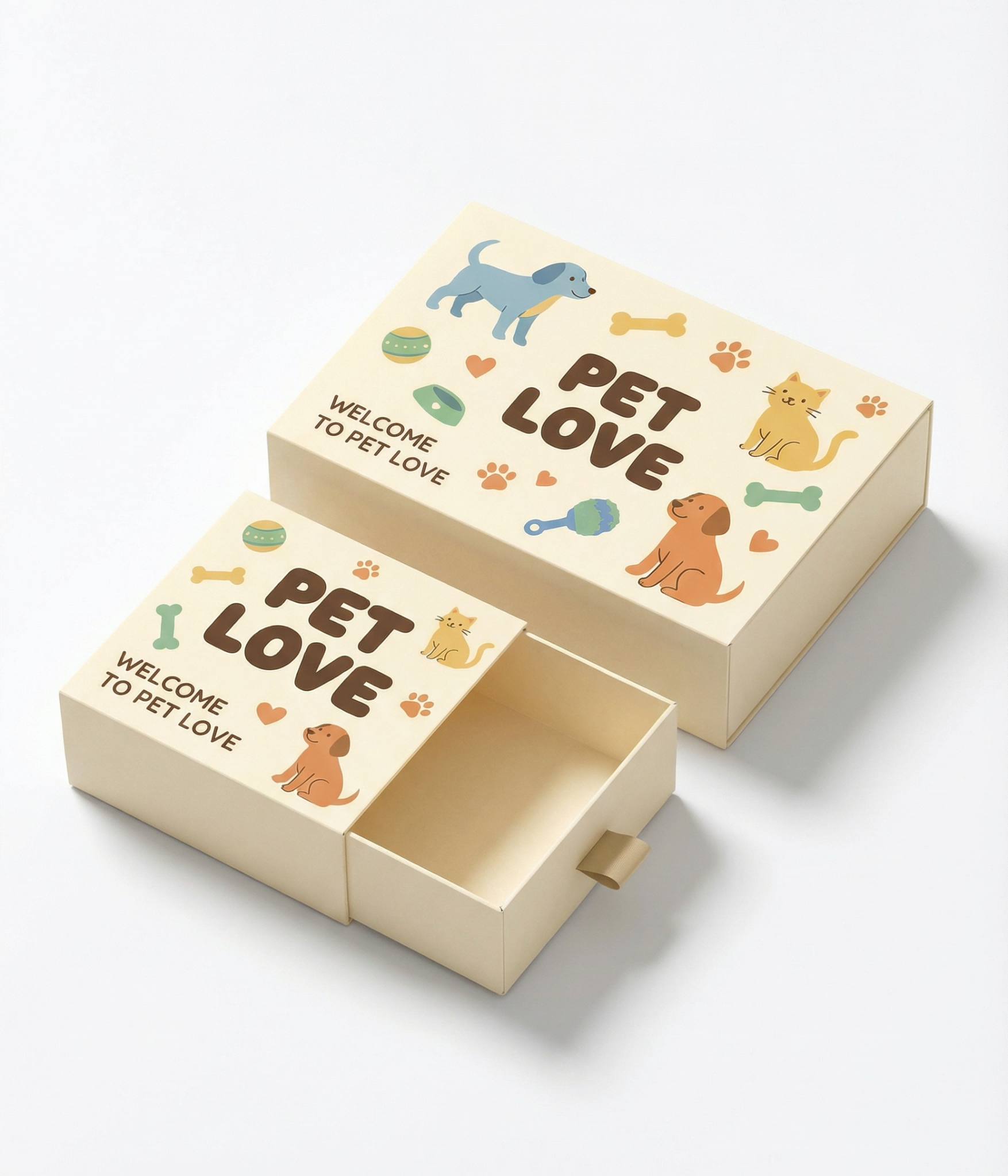
Consistency in custom paper bags is determined at the specification level. Buyers who lock specifications early make it easier for the manufacturer to reproduce the same bag in every batch.
- Materials: Opack offers kraft paper, whiteboard paper, specialty paper, and coated paper. Kraft paper is expected to hold a 58% share of global paper bag material demand by 2026, according to Future Market Insights.
- Printing: CMYK, Pantone, UV, offset, and screen printing are available. Pantone matching is particularly important when a brand color must be reproduced across multiple orders.
- Finishing: Options include hot stamping, spot glossy UV, soft touch lamination, holographic foiling, embossing, debossing, matte lamination, and gloss lamination. These finishes affect both appearance and durability.
- Handles: Available handle types include paper twisted handles, flat paper handles, cotton rope, ribbon handles, and die-cut handles. Handle choice influences load capacity and user experience.
- Size and weight: Bag sizes are fully customizable, from small to extra large. Weight capacity ranges from 2–15 kg, depending on paper thickness and structure.
These variables are not just aesthetic options. They define the technical specification that must be repeated in every order. Documenting them clearly at the start of a relationship reduces the risk of drift across production runs.
Where Custom Shopping Bags Fit: Use Cases
Custom shopping bags are widely used in cosmetics, apparel, retail, gift packaging, trade shows and events, and e-commerce packaging.
According to Market Research Future, the single-use paper bag segment accounted for 64.2% of the global paper bag market in 2024, driven mainly by retail and foodservice use. Within that segment, custom printed paper bags serve different roles depending on the industry. A cosmetics brand may use soft touch lamination and ribbon handles to reinforce a premium image. A retail chain may prioritize strong twisted handles and scratch-resistant printing for daily use. An e-commerce brand may choose custom paper bags with a logo that appear in unboxing content.
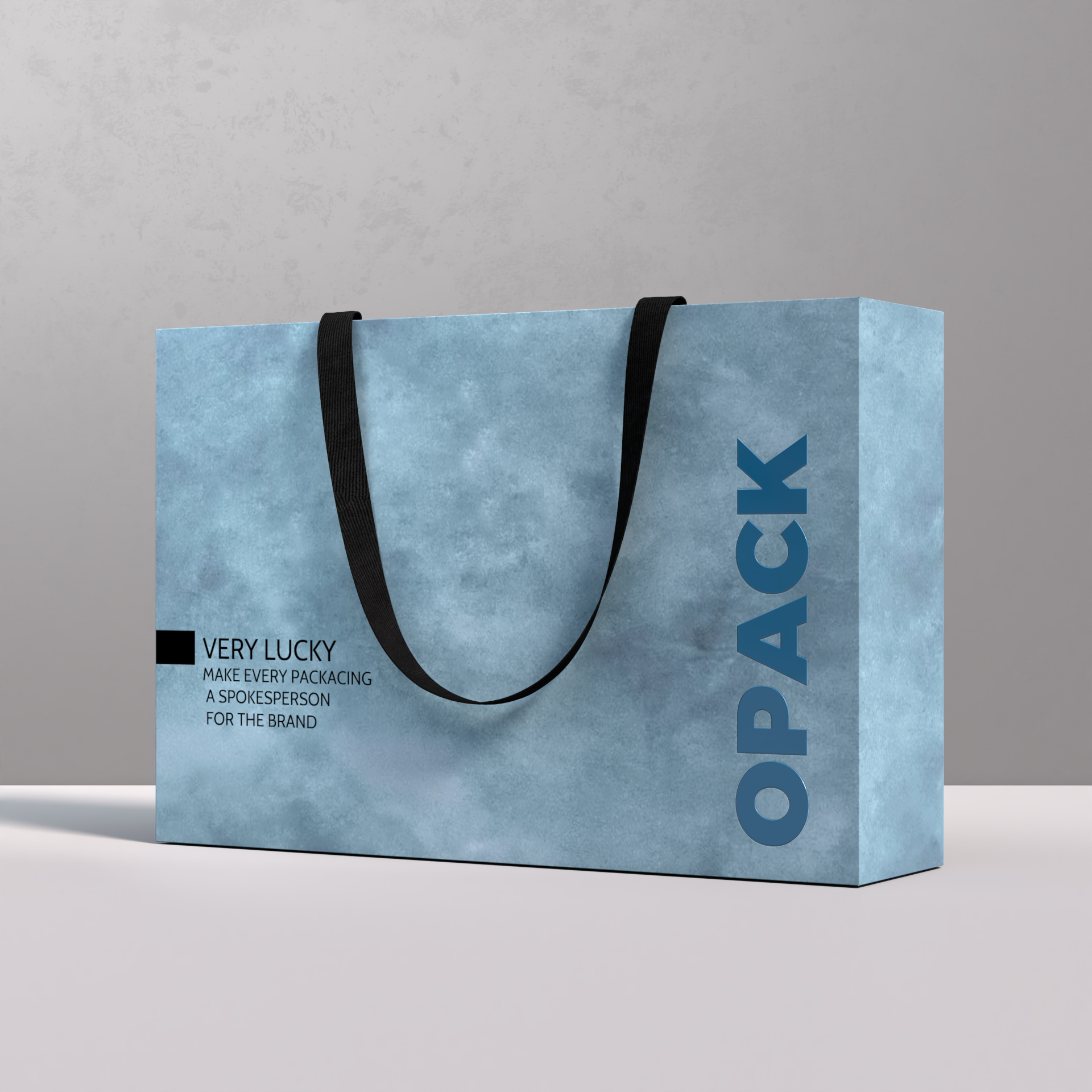
For each use case, the long-term requirement is the same: the bag must look and perform identically across every order. Use-case planning and supplier evaluation should go together.
Market Trends Reshaping Custom Shopping Bag Sourcing
Several verified market trends affect custom shopping bag procurement decisions.
- The paper bags custom printing market was valued at USD 2.78 billion in 2024 and is projected to grow at a CAGR of 13.9% through 2030 (Grand View Research).
- China is the world's leading exporter of paper sacks and bags, with exports of approximately USD 1.91 billion in 2023 (UN Comtrade / WITS).
- Asia Pacific is the largest regional market for paper bags, with a 36.5% global share in 2025 (IMARC Group).
- The Forest Stewardship Council (FSC) certification is the primary industry standard for verifying sustainable sourcing, with 56% global consumer recognition (FSC).
For buyers, these trends point in the same direction. Custom shopping bags are a growing category, supply is concentrated in China, and sustainability certification is becoming a baseline requirement. A long-term supplier should therefore be able to combine production scale, export experience, and credible material sourcing.
Custom Shopping Bags vs. Plain Bags: A Long-Term View
Compared with plain shopping bags, custom shopping bags require a higher initial investment but provide measurable brand returns.
| Aspect | Plain Shopping Bags | Custom Shopping Bags |
|---|---|---|
| Customization | Limited or none | Fully customizable |
| Brand visibility | Low | Higher, visible with logo and design |
| Customer experience | Standard | More memorable unboxing |
| Perceived quality | Basic | More high-end appearance |
| Initial cost | Lower | 3%–10% higher |
| Repeat purchase impact | Baseline | 20%–30% higher repeat purchase rates |
| Customer satisfaction | Baseline | 10%–30% improvement |
| Customer referrals | Baseline | 5%–15% increase |
| Social media shares | Baseline | 5%–10% more shares |
| Material options | Standard | FSC-certified options, water-based inks |
These figures come from Opack's internal comparison of custom versus plain shopping bags. They indicate that the higher initial cost of custom bags can be offset by brand-related business outcomes over time.
When evaluating suppliers, buyers may also encounter different supplier types. Mondi Plc, Smurfit Kappa Group, and International Paper Company are recognized as leading global competitors in the high-volume paper bag and fiber packaging market (Future Market Insights, 2024). These groups serve large industrial customers with broad product portfolios. Opack, by contrast, operates as a mid-size specialized custom packaging manufacturer. The practical difference is that specialized manufacturers like Opack typically offer more direct communication with production teams, faster design iteration, and more flexible MOQs, while global groups offer larger scale and wider geographic presence. Neither model is universally better; the right choice depends on the buyer's order volume, customization needs, and preferred level of direct engagement.
Limitations and Boundaries Buyers Should Keep in Mind
A realistic view of long-term custom shopping bag supply includes several boundaries.
- MOQ threshold: Opack's MOQ for paper shopping bags is 1,000 pieces per size and design. This threshold is reasonable for established brands but may be too high for very small test orders or one-off event packaging.
- Cost premium: Custom shopping bags cost 3%–10% more than plain bags. Volume discounts and design reuse can reduce this gap over time, but the premium does not disappear.
- Lead time scope: The 12–18 day lead time covers production and preparation, not international shipping. Buyers should include shipping time in their inventory planning.
- Color tolerance: ΔE within approximately 1.5 is considered nearly imperceptible to the human eye, but it is not absolute zero. Under certain lighting or on certain materials, very slight variations may still be visible.
- Weight capacity: The 2–15 kg weight range depends on paper thickness, bag size, handle type, and structure. Heavy items need a structural review rather than a standard size selection.
These limitations do not reduce the value of custom shopping bags. They simply define the planning parameters that buyers should include in their sourcing workflow.
Future Outlook for Custom Shopping Bags Procurement
Looking ahead, three trends are likely to shape custom shopping bag procurement.
First, sustainability requirements will continue to tighten. FSC certification and water-based printing inks are already common expectations in the EU, US, and Middle East. Buyers should confirm their supplier's material compliance early in the relationship.
Second, brand demand for differentiation will push manufacturers to offer more finishing and material combinations. The range of options already available—from soft touch lamination to holographic foiling—will likely expand as brands seek more distinctive packaging.
Third, China's role as the leading exporter of paper bags will keep Chinese manufacturers at the center of global supply. Buyers who build relationships with manufacturers that combine production capacity, quality control, and export experience will be better prepared for the next phase of packaging demand.
Frequently Asked Questions
What should buyers evaluate when choosing a custom shopping bag supplier for long-term orders?
Buyers should evaluate production capacity, quality control systems, MOQ flexibility, communication channels, and customization depth. For example, Opack has a monthly production capacity of 1,000,000 units for EU, US, and Middle East markets, and a paper shopping bag MOQ of 1,000 pieces per size and design.
What is Opack's production capacity and typical lead time for custom shopping bags?
Opack's monthly production capacity is 1,000,000 units, with an annual output of 10,000,000 units. The typical lead time for orders to EU, US, and Middle East markets is 12–18 days.
What is the MOQ for custom paper shopping bags at Opack?
The minimum order quantity for paper shopping bags is 1,000 pieces per size and design. Rigid gift boxes have a separate MOQ of 500 pieces per size and design.
How does Opack ensure consistent quality across repeated orders?
Opack uses professional spectrophotometers to control color difference (ΔE) within approximately 1.5, conducts load-bearing tests before mass production, and applies a 100% quality check to all products exported to EU, US, and Middle East markets before shipment.
What after-sales support does Opack provide for long-term clients?
Opack provides multi-channel after-sales support, including real-time online chat, WhatsApp, telephone, and official email, serving clients in the EU, US, and Middle East markets.
Can buyers request third-party inspections for custom shopping bags?
Yes. All products undergo internal quality inspections before shipment, and third-party inspections are welcome upon customer request to verify product quality and compliance with specifications.