
Sauce Powder Specifications: What Buyers Must Verify
Sauce powder is a dry, food-grade premix that is reconstituted with a liquid, usually water, to produce a sauce or a seasoning system. Unlike a single food additive, it is a formulated blend of seasonings, salt, flavoring ingredients, thickeners and other functional components, and therefore has no single CAS number or molecular formula. That one characteristic explains most of the verification work a sauce powder purchase actually requires, and it is why a dated specification sheet, not a product name, is the real unit of comparison between suppliers.
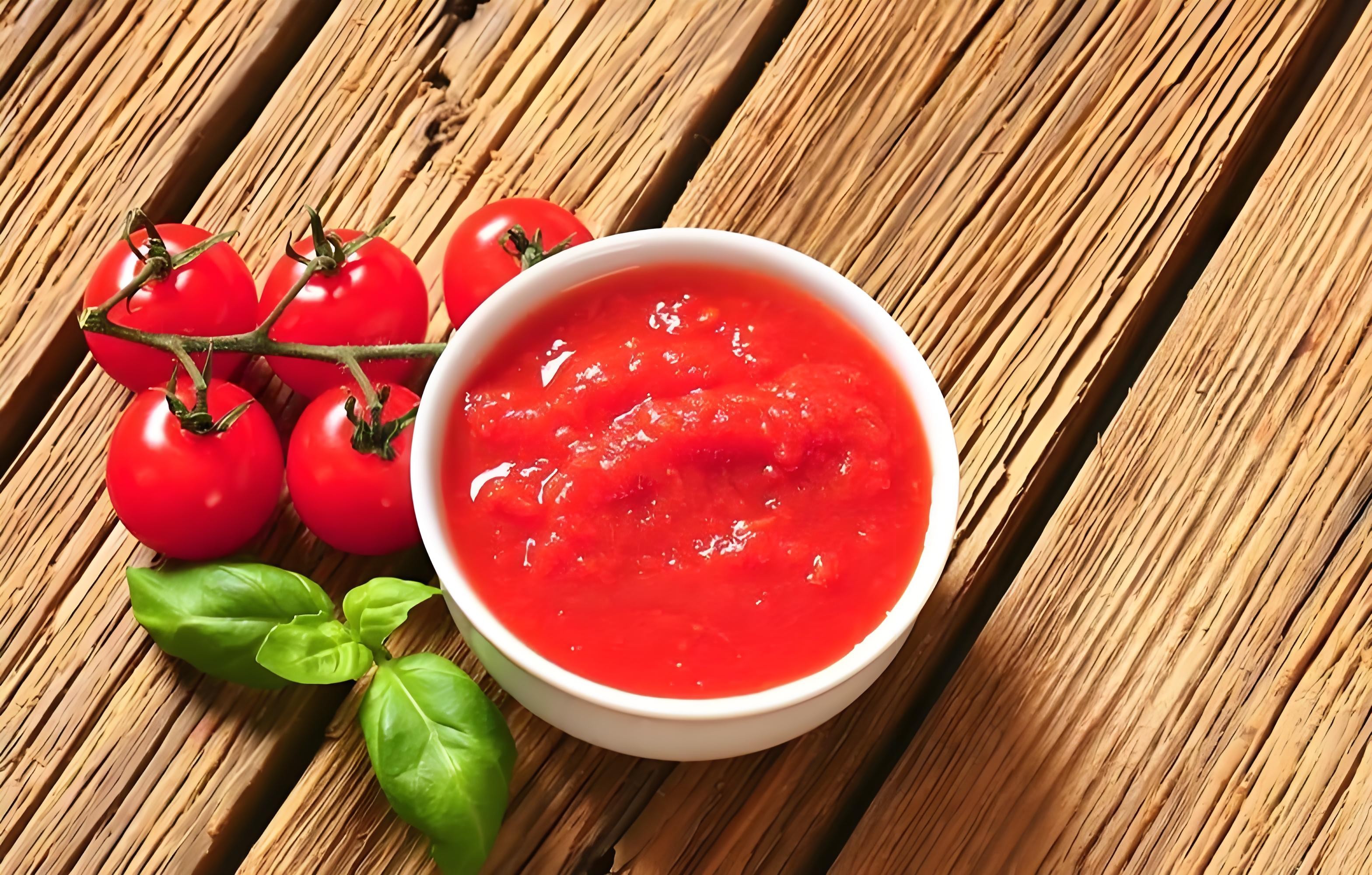
Why dry sauce premixes entered food-service and industrial supply chains
Making a sauce is rarely the difficult part. Reproducing the same sauce batch after batch, across several kitchens or production sites, with staff who change and equipment that varies, is the difficult part. Food-service chains, catering operations and sauce manufacturers all operate under the same constraint: the finished product has to taste the same on a Tuesday in one city as it does on a Friday in another.
A dry sauce premix moves part of that problem upstream. Instead of weighing salt, seasonings, spices, flavoring and thickeners separately for every batch, the operator works from a single controlled dry formulation. This reduces the number of individual ingredients that must be purchased, stored, weighed and reconciled, and it makes the production procedure easier to standardize across locations. The dry format is also practical for storage and transportation, and can reduce some of the logistical challenges associated with moving ready-to-use liquid sauces.
The trade-off is equally clear. Responsibility for consistency shifts from the kitchen to the formulation, and a formulation is only as reliable as its specification. In a B2B context, the technical data sheet carries more weight than the product description, and the questions in the next sections matter more than a headline flavour name.
What food grade actually constrains in a sauce powder
ZIO supplies Sauce Powder as a food-grade premix powder with a free-flowing appearance, intended for sauce and seasoning applications. Because the product is a multi-ingredient formulation built from seasoning, thickener, flavoring and other functional components, its identity is defined by the specification and the certificate of analysis rather than by a chemical identifier. A supplier that quotes a single CAS number for a complete sauce powder is describing something the product is not.
The functional components inside the blend carry their own constraints, and this is where most procurement risk sits. A thickener such as xanthan gum (CAS 11138-66-2) is a polymeric hydrocolloid with no simple fixed molecular formula; its viscosity, mesh and particle size, moisture, ash, pH and microbiological parameters vary by grade, and those differences change how the finished sauce flows and clings. An acidulant such as citric acid monohydrate (CAS 5949-29-1) is commonly supplied at an assay of about 99.5% for standard food-grade material, but the actual value must come from the supplier certificate of analysis. Both ingredients are also subject to permitted-use rules that differ by destination market.
The phrase food grade is therefore a floor, not a finish line. It tells a buyer that the material is intended for food use. It does not tell them the salt level, the viscosity target at serving temperature, the colour source, the allergen profile, or whether the flavour system will survive the customer cooking step.
The specification variables to lock before the first sample
Buyers in the research and evaluation stage typically receive a short product description and a price indication. Neither is sufficient to evaluate a sauce powder. The table below lists the variables that should be agreed in writing before sampling, together with what each one changes in the finished product.
| Specification variable | What it changes in the finished sauce | What the buyer should confirm |
|---|---|---|
| Flavor direction and intensity | The recognizable profile of the sauce, for example soy-based, oyster-style, mustard, ketchup-style or mayonnaise-style concepts | A match against a physical reference sample, not against a written description |
| Salt level | Core taste, the balance with acid and sweetness, and the sodium basis of the label | Target salt level and the declaration basis for the destination market |
| Viscosity target | Coating, cling, mouthfeel and whether the sauce holds on the product or runs off | The measurement conditions: dilution, temperature and holding time |
| Color | Visual expectation at the point of sale and in prepared-food presentation | Whether colour comes from base ingredients or from colourants permitted in the market |
| Solubility and dispersion | Whether the powder reconstitutes smoothly or forms lumps during mixing | The mixing method used on site: cold water, hot water, or shear mixing |
| Preparation method | Water ratio, temperature, holding and any cooking step required before service | That the instructions match the actual kitchen or production-line process |
| Particle size | Dissolution rate, dusting during dosing, and blending behaviour with other dry components | The particle size specification stated on the technical data sheet |
| Packaging and storage | Shelf behaviour in the warehouse and the practicality of repacking or portioning | Pack format from 1 kg, 5 kg, 20 kg, 25 kg or customized, and cool, dry, sealed storage |
Two of these variables warrant extra attention. Salt level drives taste, but it also interacts with the ingredient declaration and, in many markets, with sodium-related labelling expectations, so it should be fixed early rather than adjusted at the end of development. Viscosity should always be measured under the conditions the customer will actually use: at the intended dilution, at the intended serving temperature, after the intended holding time. A viscosity figure quoted without those conditions cannot be compared between two suppliers.
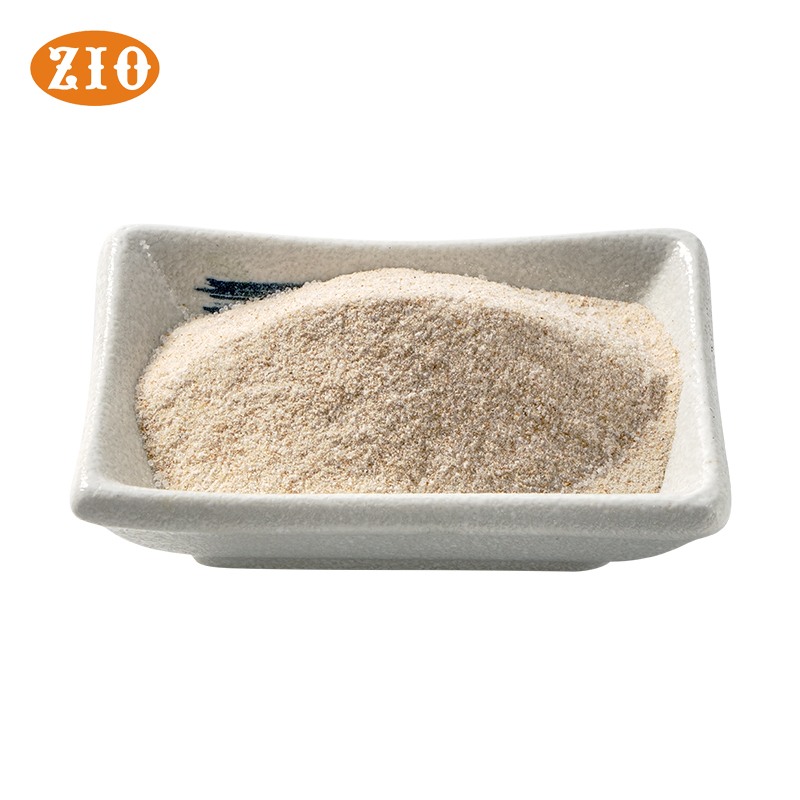
How ZIO Food Ingredients fits into that picture
Guangzhou ZIO Chemical Co., Ltd., which operates as ZIO Food Ingredients (zioadditives.com), is a Guangzhou-based supplier of food ingredients and premix powder solutions founded in 2005. The company works across two core areas: food ingredients such as acidity regulators, sweeteners, thickeners, stabilizers, emulsifiers, preservatives and nutritional ingredients, and premix powder solutions that include sauce powder alongside ice cream powder, milk tea powder, beverage powder, jelly powder, pudding powder and bakery premixes.
Its stated operating base is a 5,000 square metre facility with approximately 100 employees, a 15-engineer research and development team and an annual output of 10,000,000 units. Around 80% of output is exported, with stated markets in Africa, Asia and South America and supply to more than 120 countries and regions. For sauce powder specifically, the customization scope covers flavor, salt level, viscosity, color, solubility and preparation method, with particle size and packaging adapted to the customer process. Standard pack sizes are 1 kg, 5 kg, 20 kg and 25 kg, or customized formats, and storage is specified as cool, dry and sealed.
On the commercial side, ZIO provides OEM, ODM and private label support, with customization covering formula, flavor, packaging, logo, label and product specifications. The stated standard minimum order quantity is 25 kg or 1 carton, and the stated lead time is 7 to 30 days depending on product, order quantity, packaging requirements and production schedule. Quality control is described as batch inspection with a certificate of analysis, and after-sales support includes technical support, product documentation and remote assistance.
Where sauce powder premixes are typically used
Application fit is the part of the evaluation that is easiest to get wrong, because a formulation that performs in a restaurant kitchen may behave differently on an industrial line. The documented application scope for sauce powder covers sauce manufacturing, seasoning factories, restaurants, fast-food chains, catering, hotels, food service, snack food, meat processing, bakery, prepared foods, instant foods, noodle products and dipping sauces, as well as food factories, wholesalers, ingredient distributors and private-label sauce brands.
Three patterns recur. For restaurant chains and franchise operations, a standardized premix supports a similar flavour profile across multiple locations and reduces the training burden on new kitchen staff. For distributors and private-label brands, customized formulation and packaging support local market positioning without requiring in-house formulation capability. For industrial manufacturers, the premix is developed around the customer existing equipment and process, including mixing and blending systems and filling and packaging equipment, subject to technical evaluation.
The operating conditions assumed for these applications are a food-grade processing environment that is dry, clean and controlled, with food-grade materials, stable quality, customized formula and packaging, and certificate of analysis documentation.
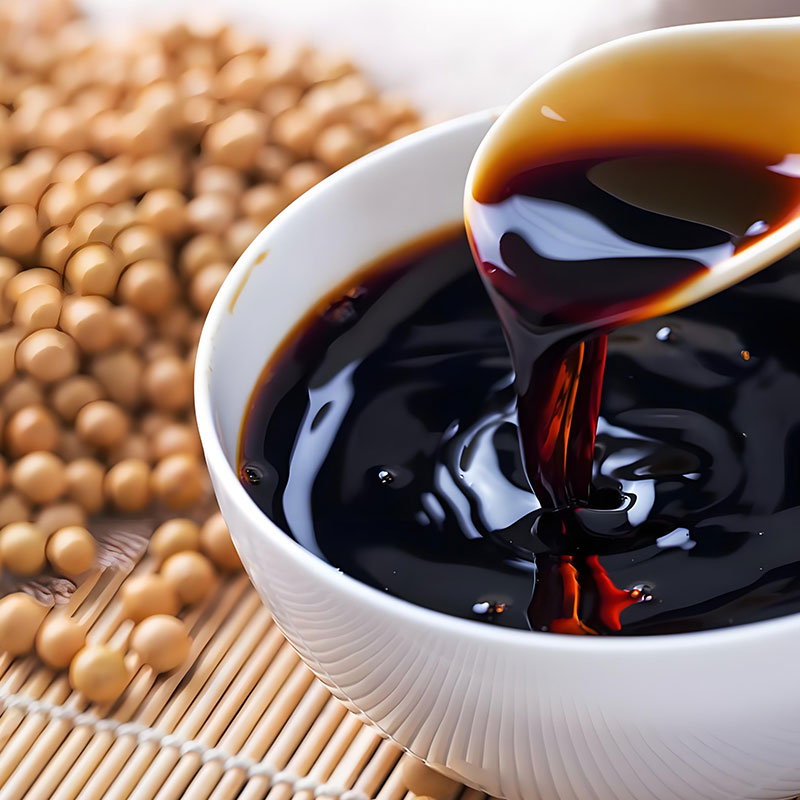
Sauce powder versus traditional sauce production
None of the three common approaches is universally better. The comparison below is intended to make the trade-offs explicit rather than to rank them.
| Approach | Strengths | Constraints |
|---|---|---|
| In-house liquid sauce made from individual ingredients | Full control over flavour and texture; ability to use fresh or whole ingredients; no dependency on a premix supplier specification | Requires recipe control, skilled staff, separate purchasing of many ingredients and consistent batch documentation; harder to replicate across sites |
| Purchased ready-to-use liquid sauce | Immediate use with minimal preparation; consistent when the supplier process is consistent | Ships water weight; heavier storage and transport; limited flexibility to adjust salt, viscosity or colour locally |
| Dry sauce powder premix | Simplified ingredient management; a consistent base across locations; practical storage and transport; formulation customizable for flavor, salt level, viscosity, color, solubility and preparation method | Requires reliable water dosing and mixing; reconstitution errors pass directly into the finished sauce; not suited to products that depend on whole-ingredient texture or long-fermented character |
The limits of the dry premix route deserve to be stated plainly. A sauce powder is not a substitute for products whose identity depends on long cooking, fermentation or visible particulate ingredients: a reconstituted premix will not reproduce the depth of a traditionally fermented sauce, and it will not deliver discernible pieces of garlic, herb or vegetable. Emulsified systems such as mayonnaise-style products depend on emulsifier design and processing shear, so a powder alone does not guarantee a stable emulsion. Reconstitution accuracy depends on the operator, and an inconsistent water dose or an uncontrolled mixing temperature will produce an inconsistent sauce regardless of how good the formulation is. Finally, a sealed dry powder is stable under the specified storage conditions, but it will pick up moisture if containers are left open in a humid kitchen.
Compliance, documentation and the US market
For a formulated food product, compliance questions split into two groups: what the supplier can document about the material, and what the buyer must confirm about the final product in its destination market.
On the supplier side, the practical documents are a certificate of analysis per batch, a technical data sheet or specification, and the information required for labelling, namely ingredient declaration, allergen information and nutritional values. All of these must be confirmed against the final formulation rather than assumed from a generic description. Shipping documentation commonly includes a commercial invoice, packing list and bill of lading, with a certificate of origin or health-related documents available for applicable products and markets.
On the market side, buyers should verify permitted additives, labelling rules and allergen declaration requirements for the destination country before the formulation is locked. Changing a formulation after labelling artwork has been approved is expensive, and in some cases it requires re-registration of the product.
For customers shipping to the United States, ZIO holds FDA Food Facility Registration number 11954927096-1 under 21 CFR Part 1 Subpart H, issued on 23 December 2024 and valid until 31 December 2026. It is worth being precise about what this is: facility registration is a US requirement for food facilities that manufacture, process, pack or hold food for consumption in the United States. It is not a product approval, and it does not certify any individual formulation. Product-specific requirements still have to be verified separately for each sauce powder project, and registration validity should be re-checked at the time of each shipment.
An evaluation sequence for research-stage buyers
- Write the product brief. Sauce type, preparation method, serving application, target taste, salt level, viscosity, colour and packaging requirements are the inputs a formulator actually needs.
- Request a sample and the current specification. Evaluate the sample against a reference product already in use, not against a written description.
- Run a bench trial at the intended dilution and serving temperature. Check dispersion and lump formation, colour, viscosity after holding, and taste after cooling.
- Pilot on the actual line. Dosing behaviour, dusting and mixing time often differ between a bench and a production environment.
- Verify documentation. Certificate of analysis, technical data sheet, allergen and nutritional data, and the label declaration should all agree with each other.
- Confirm commercial terms. Packaging format, minimum order quantity, lead time and shipping terms should be in writing before the first order.
- Freeze the specification. Repeat orders should reference a dated specification and a retained sample, so that drift becomes detectable rather than invisible.
Market trends shaping dry sauce premix demand
Several broad shifts are visible without needing precise market figures. Food-service chains continue to standardize menus across locations, which favours formulations that reduce on-site preparation steps and staff-dependent variation. In markets with long or difficult supply chains, distributors increasingly prefer dry formats over ready-to-use liquids, because the logistics burden is lower and the storage requirement is simpler. Private label continues to expand in emerging food markets, and private-label brands typically need a formulation partner rather than a catalogue item.
Two counter-pressures matter just as much. Sodium reduction and clean-label expectations are pushing reformulation requests toward lower salt levels and shorter ingredient lists, which is considerably harder inside a blended premix than in a single ingredient, because removing salt changes taste, texture and often preservation behaviour at the same time. Documentation expectations are also rising: buyers increasingly ask for batch-level certificates of analysis and market-specific compliance information as a condition of the first order rather than as an afterthought.
Where a sauce powder premix is the wrong choice
- Products defined by long fermentation or slow cooking. The depth and complexity of a traditionally fermented sauce is not reproducible from a reconstituted dry base.
- Products requiring visible or textural particulates. Pieces of herb, garlic, chili or vegetable cannot be carried in a homogeneous powder.
- Emulsion-dependent systems without process control. Mayonnaise-type products require emulsifier design and controlled shear, and a powder alone will not stabilise them.
- Operations without reliable water dosing. If the kitchen cannot measure water consistently, the premix will amplify rather than reduce inconsistency.
- Very small or experimental volumes. Standard orders start from 25 kg or 1 carton, and customized formulations may carry project-specific minimums, which may exceed what a first trial requires.
Future outlook
The direction of travel for sauce powder is toward formulation-level differentiation rather than generic supply. As food-service chains expand across regions and private-label ranges widen, the value of a premix will sit in how precisely it can be specified: how well the salt level, viscosity, colour and preparation method are matched to a defined end product, and how completely that specification is documented. Suppliers that can discuss permitted-use limits, allergen declarations and batch-level certificates of analysis in the same conversation as flavour and price will be easier to qualify, particularly for buyers entering markets with strict labelling requirements. Dry formats are also likely to keep gaining ground where storage conditions are difficult or where the cost of moving water in a liquid sauce is hard to justify. What is unlikely to change is the underlying rule: the specification, not the product name, remains the thing worth comparing.
Frequently asked questions
What is sauce powder and how is it used in food production?
Sauce Powder is a dry, food-grade premix built from seasonings, spices, salt, flavoring ingredients, thickeners and other functional components. It is prepared by combining the powder with the liquid specified in the product instructions, usually water and in some cases oil or vinegar, to produce a sauce or seasoning system. ZIO supplies Sauce Powder as a food-grade premix with a free-flowing appearance, customized for flavor, salt level, viscosity, color, solubility and preparation method.
Does sauce powder have a CAS number or molecular formula?
No. Sauce Powder is a multi-ingredient formulated mixture rather than a single chemical substance, so it has no single CAS number or molecular formula. Its identity is established by the technical specification and the certificate of analysis. This is also why individual components inside the blend, such as xanthan gum (CAS 11138-66-2) or citric acid monohydrate (CAS 5949-29-1), carry their own identifiers while the complete product does not.
Which parameters can be customized in a sauce powder formulation?
The main specification parameters are flavor, salt level, viscosity, color, solubility and preparation method, with particle size customized to the process. Packaging can be supplied as 1 kg, 5 kg, 20 kg, 25 kg or a customized format, and storage is specified as cool, dry and sealed. The final ingredient declaration, allergen information, nutritional values, shelf life and processing instructions must be confirmed against the final formulation.
What is the minimum order quantity for sauce powder?
The standard minimum order quantity is generally 25 kg or 1 carton, depending on the product. For customized formulations, OEM, ODM and private label projects, the minimum order quantity may vary according to the product, packaging and production requirements, and is quoted per project.
How long does production and delivery take for a sauce powder order?
The stated lead time is 7 to 30 days, depending on the product, order quantity, packaging requirements and production schedule. Customized OEM, ODM and private label orders may require additional production time, and the exact lead time is confirmed before order placement.
What documents are provided with a sauce powder order?
Product quality and shipping documents are provided according to the product and customer requirements. Common documents include a certificate of analysis, commercial invoice, packing list and bill of lading. Additional documents such as a certificate of origin or health-related documentation may be available for applicable products and markets.
Can sauce powder be produced under a buyer own brand?
Yes. ZIO provides OEM, ODM and private label services for food ingredients and premix powder products, with customization covering formula, flavor, packaging, logo, label and product specifications. Private label means the product is manufactured by the supplier and sold under the customer own brand, with formulations, specifications, packaging design and labeling agreed according to customer requirements.
ZIO product and specification information is summarized in the company brochure, available here: ZIO Food Ingredients product brochure (PDF). Product details are also listed on zioadditives.com.
Есть вопросы или нужны дополнительные детали?
Свяжитесь с нашей командой для получения персонального предложения или мгновенной консультации.
Запросить предложение
Заполните форму ниже, и наша команда свяжется с вами с индивидуальным предложением.
Прямой чат WhatsApp
Предпочитаете общаться в реальном времени? Напишите нам в WhatsApp для мгновенной помощи и быстрых ответов.
- Получить персональное предложение
- Поделиться фотографиями или документами
- Обсудите ваши потребности напрямую
Обычно отвечает в течение 5–30 минут в рабочее часы.