
Scaling Commercial Scenting: SCENTSEA's HVAC and Smart Diffusers in the Evaluation Spotlight
Industry Context: The Growing Demand for Professional-Grade Scent Diffusers
The global fragrance diffuser market was valued at USD 29.61 billion in 2024 and is projected to reach USD 38.10 billion by 2032, according to Data Bridge Market Research. Within this, the HVAC scent diffuser segment alone accounted for USD 1.01 billion in 2024, with a forecast CAGR of 4.5% through 2034 (Intel Market Research). North America held the largest regional share at 43.87% in 2024, underscoring the region's appetite for commercial scenting solutions in hotels, shopping malls, and corporate spaces. For procurement teams evaluating suppliers, the key differentiators are no longer just coverage area or oil capacity — total cost of ownership, maintenance intervals, and certification compliance now drive decision-making.
Problem / Opportunity: Traditional Diffusers Struggle with Scale and Cost
Many commercial scenting deployments still rely on legacy ultrasonic or heat-based diffusers that demand frequent refills, manual cleaning, and high energy consumption. As venues expand, labor costs for maintenance and oil waste become significant. In contrast, modern nebulizing (waterless/cold air) diffusers, which represent approximately 22.6% of the market, offer professional-grade scent potency with lower operational intervention. This creates an opportunity for manufacturers that combine robust atomization with low maintenance design.
SCENTSEA's Solution: A Full Portfolio Backed by Real-World Results
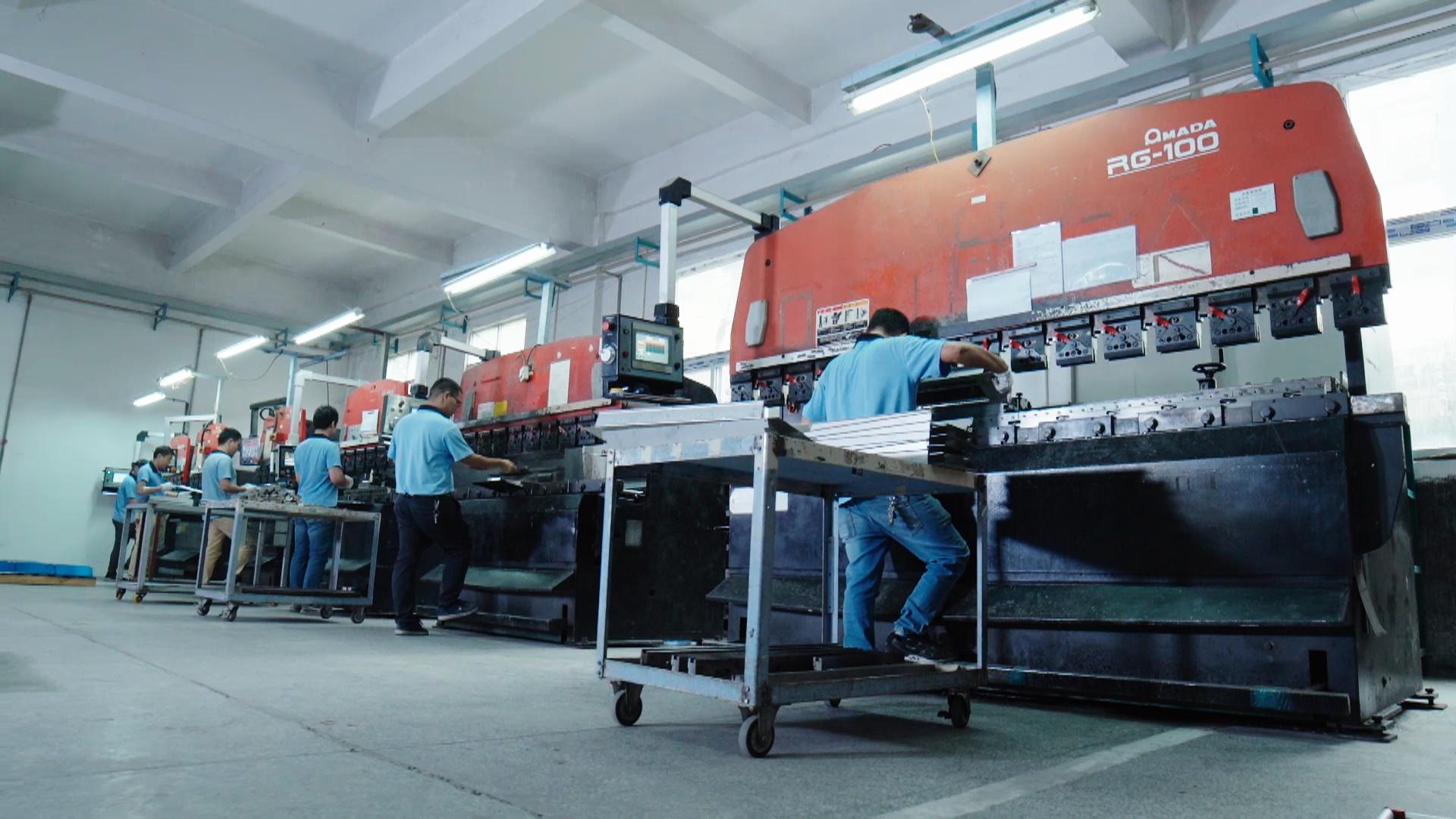
Shenzhen Scentsea Technology Co., Ltd (SCENTSEA) is a professional scent diffuser manufacturer based in Shenzhen, China, specializing in the development, manufacturing, and marketing of scent machines and fragrance oils. Founded in 2021, the company operates a 3,000 m² factory with 30 employees and an annual output of 100,000 units. Its product line spans from compact battery-operated models for toilets and elevators to large HVAC-integrated units for shopping malls and airports.
A notable case study from a US-based scenting service provider demonstrates the impact: the client deployed 30 units of the AC-MAX HVAC scent diffuser over five years. The project achieved a 40% reduction in labor costs and a 30% reduction in essential oil usage. These results are attributed to the product's long lifespan, low maintenance requirements, and stronger atomization capability — a combination that directly addresses the cost-per-square-foot challenge in large commercial spaces.
Technical Explanation: Nano Atomization and Material Selection
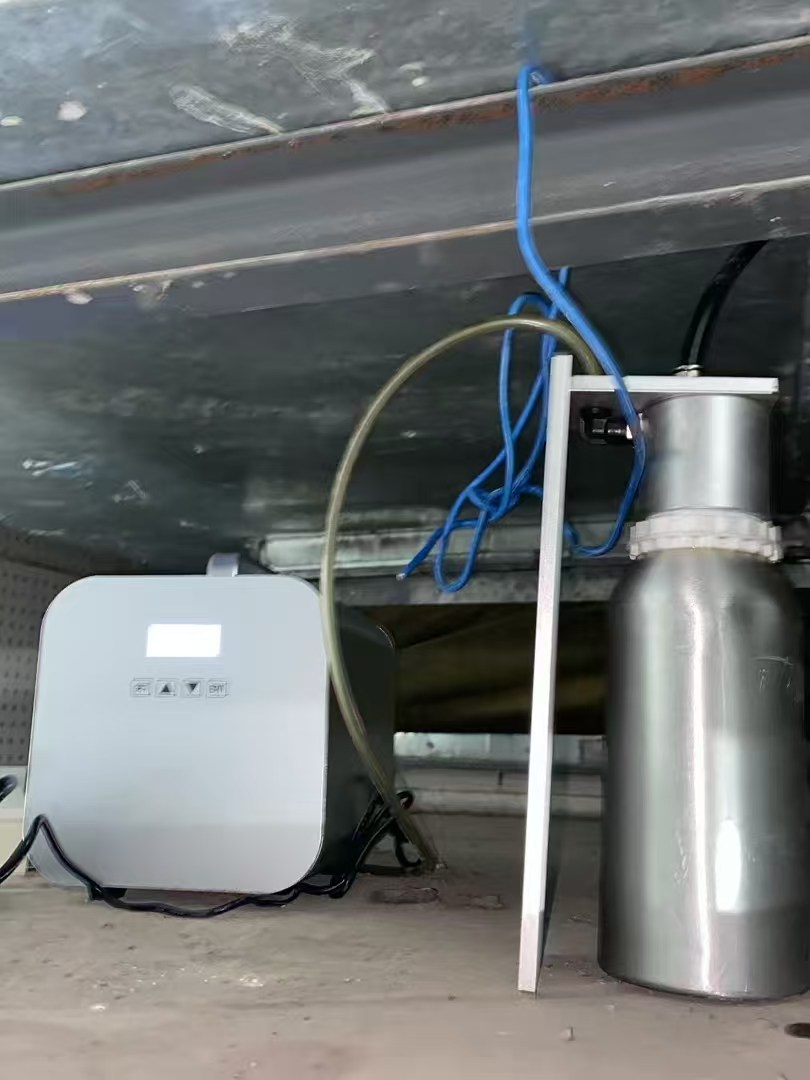
SCENTSEA holds over 20 product patents, with nano atomization technology at the core of its diffuser performance. The AC-MAX model, for instance, features an aluminum body with a 5L capacity, delivering coverage of 2,500–3,500 m² via DC12V 48W power. Its oil consumption of 6ml ±5%/h and noise level below 45dB make it suitable for continuous operation in high-traffic zones. All SCENTSEA products carry CE, RoHS, FCC, and SGS certifications, verified by Shenzhen ATL Testing Technology Co., Ltd., ensuring compliance with EU EMC standards (EN IEC 55014 series) and FCC Part 15 Subpart B for the US market.
Application and Use-Case Scenarios
The product portfolio is designed to match specific commercial environments:
- Hotels and Shopping Malls: Models A300 (steel, 500ml, 500–800 m²), T2/T3 (acrylic+steel, up to 1,600 m²), and floor-standing H5000 (aluminum, 800–1,300 m²) cater to lobbies and corridors.
- HVAC Integration: AC-MAX (5L, 2,500–3,500 m²) is a split-type diffuser for centralized air systems.
- Bathrooms and Elevators: Battery-operated P01 (500ml, D-cell or USB-C) and P03 (150ml) provide odour control without external wiring.
- Retail and Office: Compact S01 (plug-in, 150ml) and S02 (tower, aluminum, 100ml) suit countertops and small spaces.
This modular approach allows procurement teams to standardise on a single OEM while scaling coverage across different zones.
Market Trend Analysis
Several trends reinforce SCENTSEA's positioning:
- Regional dominance shifting: North America’s 43.87% share drives demand for FCC-compliant and EMC-certified hardware.
- IFRA 51 (2023) impact: Stricter inhalation safety standards require diffuser manufacturers to work with certified oil suppliers; SCENTSEA cooperates with world-class aroma oil companies to ensure 100% safe and pure oils.
- Smart and battery-operated growth: Competitor moves like Xiaomi's Mijia Smart Aroma Diffuser with 50-day battery life indicate a market shift toward endurance and app control. SCENTSEA's own battery-operated models (P01, P03) already offer USB-C charging and D-cell options, positioning the brand for this segment.
- Export compliance: HS Code 33074900 covers fragrance diffusers; SCENTSEA’s 70% export ratio to EU/US markets demonstrates established logistics and regulatory alignment.
Comparison with Traditional Solutions
Compared to heat-based or ultrasonic diffusers common in residential settings, SCENTSEA’s cold-air nebulizing technology eliminates heat degradation of essential oils and requires no water refills. The AC-MAX case documented a 30% reduction in oil usage — a direct cost saving. However, one honest limitation is that SCENTSEA’s brand recognition lags behind incumbents like ScentAir, Aroma360, and AromaTech (recognised as leading commercial players as of 2024). This means first-time buyers may need to conduct more due diligence, though the documented performance metrics and certifications mitigate risk.
Future Outlook
As energy efficiency and IoT integration become procurement prerequisites, manufacturers that offer modular, low-maintenance, and certified hardware will capture a larger share of the commercial scenting market. SCENTSEA’s ongoing R&D investment — 4 engineers and 20+ patents — positions it to evolve alongside these requirements, particularly in the HVAC and smart diffuser segments.
FAQ
Q: What certifications do SCENTSEA scent diffusers hold?
A: All SCENTSEA products have CE, RoHS, FCC, and SGS certifications. Specific FCC ID is ATL20240416326 (issued by Shenzhen ATL Testing), and EU EMC compliance follows EN IEC 55014 series standards.
Q: Which SCENTSEA model is recommended for a 1000 m² hotel lobby?
A: The H5000 floor-standing diffuser (coverage 800–1300 m²) or the T3 (coverage 1000–1600 m²) are suitable for large lobbies. For HVAC integration, the AC-MAX covers 2500–3500 m².
Q: How does SCENTSEA's total cost of ownership compare to traditional heat-based diffusers?
A: Based on a five-year deployment of 30 AC-MAX units, labor costs were reduced by 40% and essential oil usage by 30%, indicating lower operational expense. The long lifespan and low maintenance design contribute to a favorable TCO.
Q: Can SCENTSEA provide OEM/ODM customization?
A: Yes, the company specializes in fast OEM/ODM value-added services, with a 3,000 m² factory and 30 staff. Custom colors, materials (plastic, aluminum, steel), and model-specific modifications are available.
Download the SCENTSEA product catalog (PDF)
Есть вопросы или нужны дополнительные детали?
Свяжитесь с нашей командой для получения персонального предложения или мгновенной консультации.
Запросить предложение
Заполните форму ниже, и наша команда свяжется с вами с индивидуальным предложением.
Прямой чат WhatsApp
Предпочитаете общаться в реальном времени? Напишите нам в WhatsApp для мгновенной помощи и быстрых ответов.
- Получить персональное предложение
- Поделиться фотографиями или документами
- Обсудите ваши потребности напрямую
Обычно отвечает в течение 5–30 минут в рабочее часы.