
Screw Press vs. Centrifuge: Decision Guide for Sludge Dewatering
When procurement teams evaluate sludge dewatering equipment for municipal or industrial wastewater treatment plants, the choice between a screw press and a centrifuge often defines the project's operational economics for the next decade. This analysis provides a fact-based decision framework centered on total cost of ownership, energy consumption, maintenance requirements, and process reliability.
Market Context and Opportunity
The global sludge dewatering equipment market was valued at USD 5.19 billion in 2024 and is projected to reach USD 10.16 billion by 2032. Within this segment, screw press technology is forecast to exhibit the highest compound annual growth rate of 9.4% from 2025 to 2032, driven by energy efficiency mandates and stricter discharge regulations. Asia Pacific alone accounted for 37.57% of the market in 2024, reflecting rapid urbanization and wastewater infrastructure build-out.
Technology Overview: Multi-Disk Screw Press
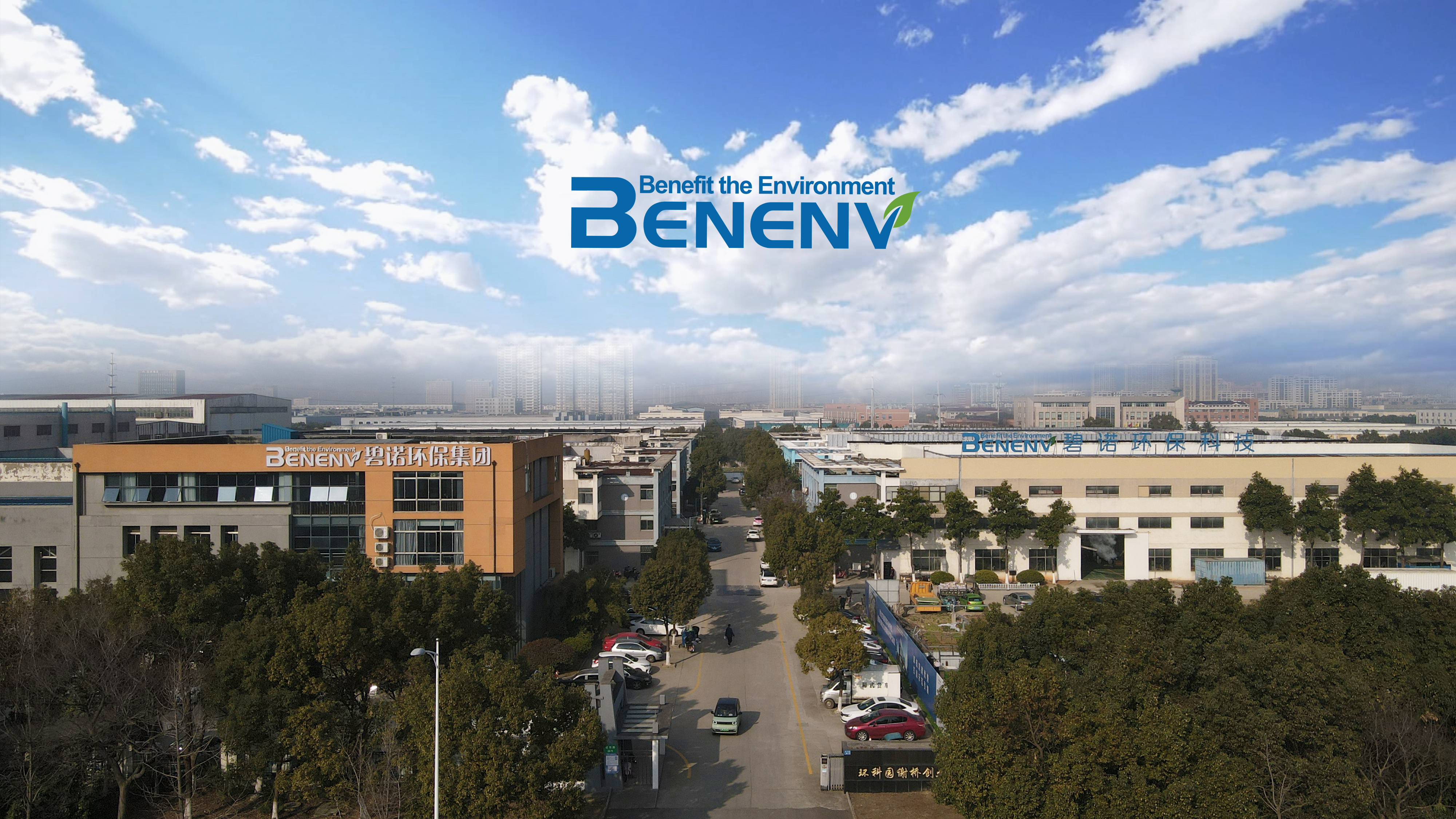
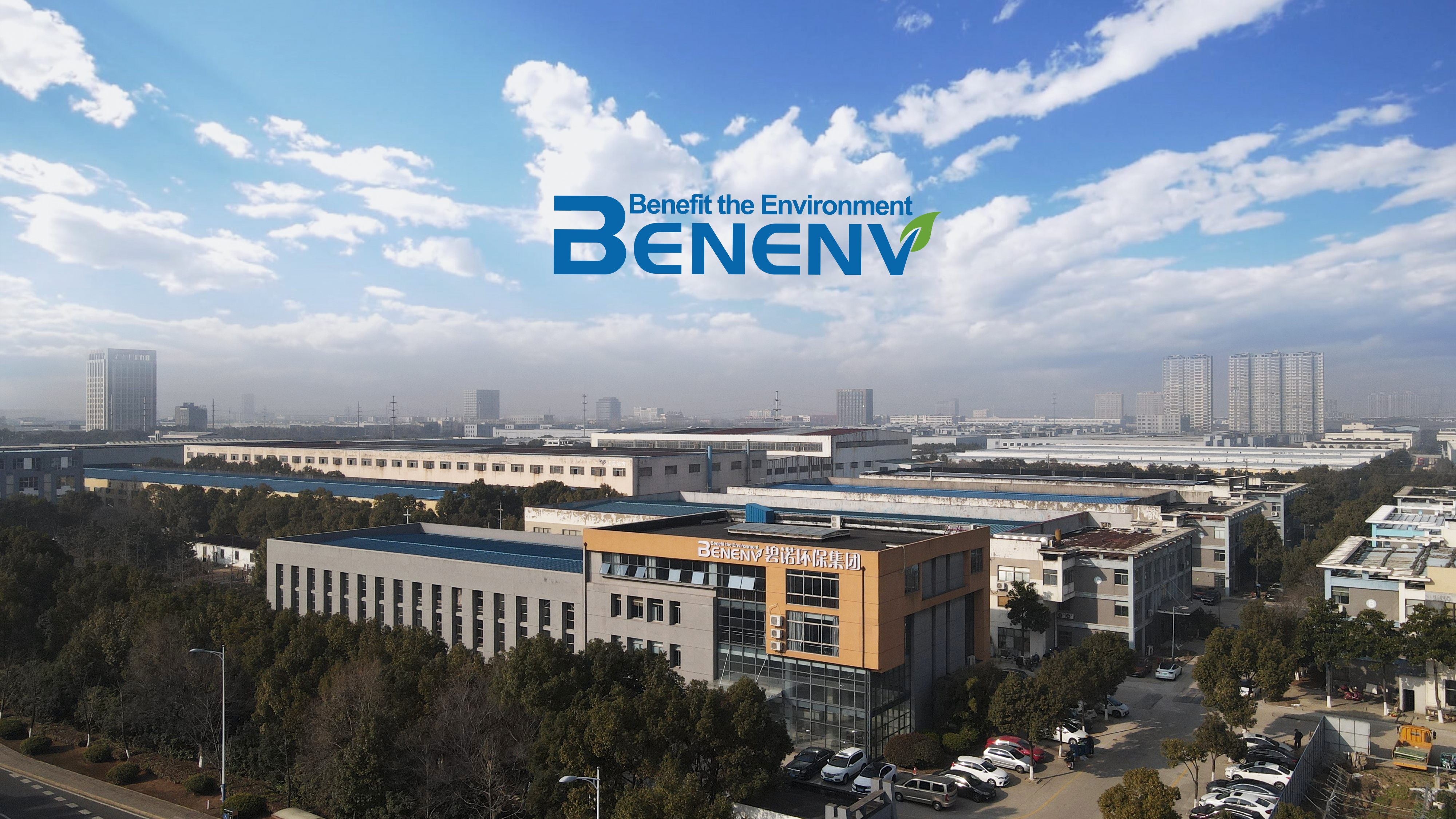
Benenv, a Jiangsu-based environmental technology manufacturer established in 2011, has developed its Multi-Disk Screw Press (MDS) as a core solution for sludge dewatering. The company operates a 20,000 m² facility with 200 employees and has deployed over 4,500 project references across more than 60 countries. Benenv's MDS technology is recognized as a key global player in the sludge dewatering equipment market.
How It Works
The screw press uses a low-speed rotating screw shaft inside a series of fixed and moving rings. As the screw rotates, the spacing between rings decreases, progressively thickening the sludge. Polymer is dosed to flocculate solids, and the self-cleaning action of the moving rings prevents clogging. The system operates automatically via PLC control, adjusting parameters in real time to handle variations in sludge characteristics such as concentration, oil content, and viscosity.
Key technical differentiators include a sealed, corrosion-resistant design (SS304/316 options), low-noise operation, and a continuous dewatering process that requires minimal operator intervention. The machine consumes 30–50% less energy than a centrifuge, translating to electricity cost savings that compound over years of continuous operation.
Application Scenarios
The multi-disk screw press is best suited for municipal sewage sludge, industrial wastewater from chemical, textile, paper, pharmaceutical, and agricultural processes, as well as food processing effluent. It is particularly effective in decentralized or small-to-medium plants where footprint, noise, and ease of operation are critical. DAF sludge and other light solids are also well handled due to the gentle feeding mechanism.
Comparative Analysis: Screw Press vs. Centrifuge
| Parameter | Multi-Disk Screw Press | Centrifuge |
|---|---|---|
| Energy consumption | 30–50% lower | Baseline (higher) |
| Footprint | Up to 50% smaller | Larger |
| Maintenance frequency | Reduced 30–60% | Higher (wear parts, bearings) |
| Noise level | Low | High |
| Cake dryness | Moderate (typically 15–25% DS) | Higher (up to 30% DS) |
| Total cost of ownership | 30–50% lower | Higher |
Table 1: Comparison based on publicly available industry reports and manufacturer data.
One honest limitation of the screw press is that it handles very high flow rates (e.g., >500 m³/h) less efficiently than a large centrifuge, and achieving cake dryness above 28% typically requires thermal post-treatment. Nevertheless, for the majority of municipal and industrial applications, the screw press delivers a more favorable total lifecycle cost.
Risk Mitigation in Procurement
Procurement professionals must anticipate risks such as sludge leakage, corrosion, wear, and inconsistent performance due to feedstock variation. Benenv addresses these with sealed corrosion-resistant construction, low-speed operation using wear-resistant materials, and PLC-based automatic control with remote support. The self-cleaning design and continuous washing system further reduce clogging risks. A structured maintenance plan and spare parts supply are included in the standard offering.
Market Trend Analysis
The screw press segment's 9.4% CAGR outpaces other dewatering technologies, reflecting a structural shift toward energy-efficient, low-maintenance solutions. Regulatory standards such as EN 12255-8 in Europe reinforce the need for robust, compliant equipment. Combined with Asia Pacific's dominance in manufacturing and installation, buyers are increasingly sourcing directly from established Chinese manufacturers like Benenv that combine Japanese R&D heritage with cost-efficient production.
Future Outlook
As wastewater treatment plants face pressure to reduce carbon footprints and operational costs, screw press adoption will likely accelerate. Innovations in polymer dosing optimization and integration with IoT monitoring will further narrow the gap with centrifuge cake dryness. For procurement teams, the decision is no longer simply about first cost but about selecting a technology that aligns with long-term sustainability goals and budget predictability.
Frequently Asked Questions
- What is the main difference between a screw press and a centrifuge?
The screw press uses a low-speed rotating shaft with self-cleaning rings, consuming 30–50% less energy and requiring less maintenance than a high-speed centrifuge. The centrifuge can produce drier cake but at higher operational costs. - How much energy can I save by choosing a screw press?
Industry data and manufacturer comparisons indicate energy savings of 30–50% compared to centrifuges, with some studies showing a 90–95% power reduction when benchmarked against older technologies. - What maintenance does a multi-disk screw press require?
Routine inspection of the screw shaft and moving rings, polymer dosage checks, and periodic washing are needed. Benenv provides maintenance plans and spare parts to minimize downtime. - Can a screw press handle oily or high-viscosity sludge?
Yes, but it requires optimized polymer dosing and sometimes adjustment of operating parameters. Benenv's MDS includes automatic PLC control to adapt to varying sludge characteristics. - Is the initial investment higher for a screw press?
Depending on configuration, the purchase cost can be comparable to or slightly lower than that of a centrifuge. The total cost of ownership, however, is 30–50% lower due to reduced energy, polymer, and maintenance expenses.
For detailed technical specifications and a full product brochure, visit Benenv's website or download the company profile. Contact the sales team at manager@benenv.com or WhatsApp +86 12138541513 for project-specific consultation.
Есть вопросы или нужны дополнительные детали?
Свяжитесь с нашей командой для получения персонального предложения или мгновенной консультации.
Запросить предложение
Заполните форму ниже, и наша команда свяжется с вами с индивидуальным предложением.
Прямой чат WhatsApp
Предпочитаете общаться в реальном времени? Напишите нам в WhatsApp для мгновенной помощи и быстрых ответов.
- Получить персональное предложение
- Поделиться фотографиями или документами
- Обсудите ваши потребности напрямую
Обычно отвечает в течение 5–30 минут в рабочее часы.