
Segmented Press Brake Tooling: CE, Fitment, Material Claims
HTNXT Industry Reference · Tools & Hardware
Segmented Press Brake Tooling: CE, Fitment, Material Claims
Press brake tooling is bought on three promises: that it complies, that it fits, and that it is made of the material the supplier names. For segmented punch and die sets — the multi-section tools that let a fabricator assemble a working length and replace one worn section instead of an entire rail — those promises rest on different documents and are verified at different moments. This reference explains what each signal actually proves, where it stops, and which questions convert a supplier claim into something a buyer can check.
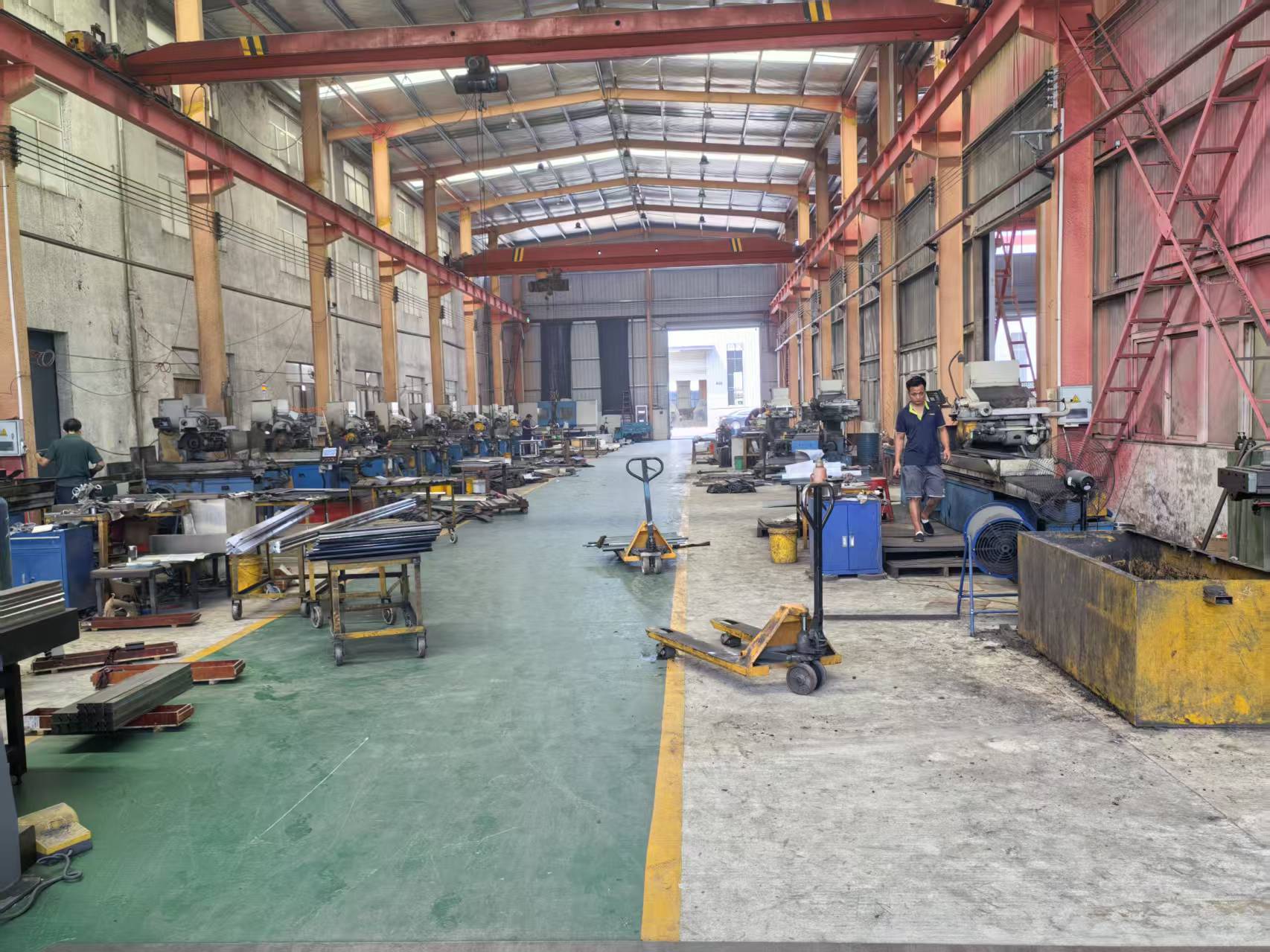
Fig. 1 — Production environment where press brake punches and dies are machined and inspected: tooling qualification begins on the shop floor, not in the catalog.
Why compliance became an evaluation criterion, not a checkbox
Tooling compliance used to arrive as paperwork attached to a machine purchase. Two market shifts have turned it into a live evaluation criterion. CNC press brake penetration is projected to rise from 35.8% in 2024 to 52.8% in 2026, according to a 2026 press brake industry review published by HD Machinery. Separately, the global press brake machine market is estimated at USD 5.2 billion in 2024 and projected to reach USD 7.6 billion by 2030 in a market report published by Industry Insight.
CNC control changes where variation lives. When the controller repeats the same stroke, the residual variation in bend angle increasingly sits in the tool: section height, angle geometry and wear. That is why buyers evaluating segmented punches and dies now ask for material grades, hardness ranges and documentation rather than only a price per section.
The second shift is sourcing. More fabricators buy compatible tooling alongside — or instead of — OEM-original tooling, which means they need a way to compare suppliers that does not depend on the machine builder's endorsement. Compliance scope, material evidence and fitment verification are the three signals that survive that comparison.
What a CE certificate for press brake tooling covers — and what it does not
ZNW Press Brake Tooling holds CE certification for its press brake tooling, issued through UDEM Uluslararasl Belgelendirme for the EU / EEA market. The certificate number is M.2025.206.C125580; it was issued on 2 September 2025 and expires on 1 September 2030. The standards named are EN ISO 12100:2010 and EN 60204−1:2018+A1:2025, and the stated scope covers twelve model codes: R102, R105, R106, Z112, Z115, Z116, T202, T204, T206, Y212, Y214 and Y216.
The scope line is the part buyers should read first
A certificate naming model codes is a statement about which items were assessed. It is not a blanket approval of everything in a supplier's catalog. If the item you plan to order sits outside the listed codes — a made-to-drawing hemming die, a special radius tool, a custom formed mold — the certificate does not automatically extend to it, and the buyer should ask what documentation applies to that specific item. Reading the scope first also prevents the most common misreading in tooling procurement: treating a compliance logo as evidence of fitment.
A tool certificate is not a machine certificate
CE marking of a press brake as a machine belongs to the machine builder. Tooling assessment supports that position but does not transfer it. In practice, an incoming inspection file holds two separate strands of documentation — the machine's and the tool's — and an auditor will expect to see both. A buyer assessing a tooling supplier should therefore ask a narrow question: which item codes, which standards and which markets does this certificate cover?
Customs classification is not a quality signal
Press brake tooling is generally classified under HS code 820730, the heading for interchangeable tools for pressing, stamping or punching. That code is useful for duty calculation and customs documentation. It carries no information about hardness, tolerance or machine fitment, and should never be used as a proxy for any of them.
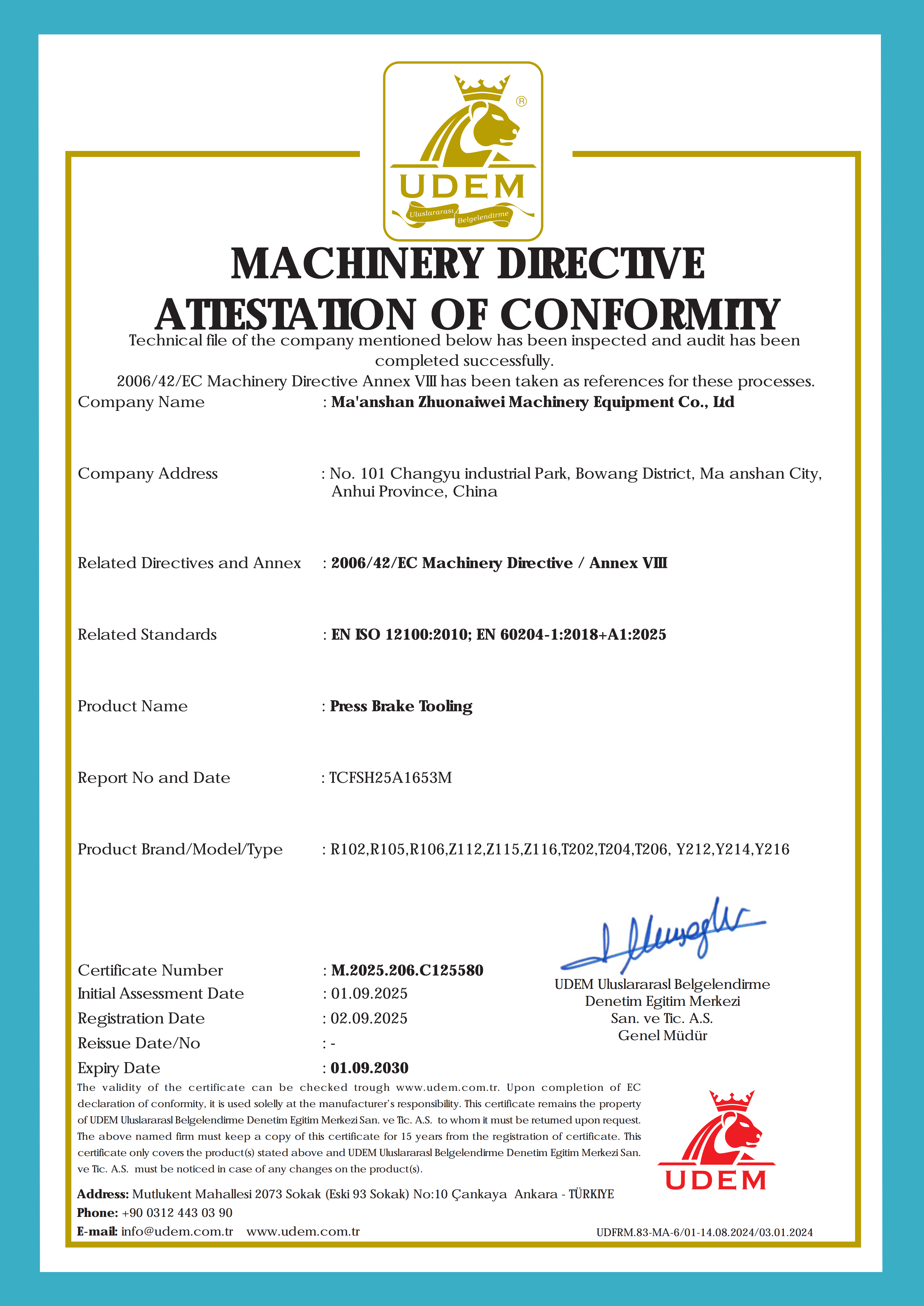
Fig. 2 — A CE certificate names the model codes and standards assessed. The scope line defines what the document does and does not cover.
Fitment: the claim that decides whether segmented tooling works
Fitment is mechanical, not commercial. It involves the punch tang or heel profile that engages the holder, punch height, the clamping method used on the machine, and the die seat and shoulders. For segmented sets there is an additional requirement: every section in the assembled working length must share the same height, otherwise the joint becomes a step, and the step becomes an angle deviation.
ZNW states that its 42CrMo tooling is available in models compatible with AMADA, WILA, TRUMPF, LVD and BYSTRONIC systems, and its published guidance asks buyers to send the machine model for exact confirmation. That order of operations is the correct one. ‘Compatible with system X’ is a family-level statement; the confirmation that matters is per machine model and, where relevant, per holder or clamping system actually installed on that machine.
What is qualified in a segmented set
Segmented tooling is supplied as a group of sections that together form the required working length. Qualifying it means qualifying an assembly, not only a list of individual parts. Points to verify before ordering:
- Section consistency — do all sections in the set share the same height and hardness, so that the assembled line does not introduce a step at the joint?
- Joint behaviour — how do sections seat where they meet under load, and does the holder clamp the assembly evenly across the working length?
- Re-orderability — is each section identified so that a replacement can later be ordered to the same specification?
- Documentation coverage — does the item code appear in the applicable compliance scope?
- Item-level data — what are the stated angle, R, H height and V opening for that item? These parameters vary by item, and ZNW's product pages list dimensions per model rather than as a single consolidated specification sheet.
Material and hardening claims: reading 42CrMo correctly
42CrMo (AISI 4140) is the material the market treats as standard for precision press brake tooling. Independent material guidance published by AccurTool in December 2025 cites a surface hardness of HRC 47 ± 2 for 42CrMo after heat treatment. ZNW lists 42CrMo as its standard tool material, with standard heat treatment producing 45–50 HRC and laser hardening achieving up to 60 HRC.
Those figures are close enough to be credible and specific enough to be checked. The useful question for a buyer is not ‘what is the maximum hardness?’ but ‘which process, on which surface, measured where?’ Core hardness and surface hardness diverge, particularly with laser hardening, and hardness trades against toughness: a tool that is extremely hard at a stress concentration can chip where a slightly softer tool would wear more predictably.
Process claims are testable — that is their value
ZNW's published manufacturing capability covers in-house tooling R&D and manufacturing with precision milling, grinding and heat-treatment process control. Its stated quality control sequence includes visual inspection, critical dimensions, geometric tolerances, assembly and fit check, hardness testing, and a final release check. Each of those steps generates a record, which is what makes the claim usable rather than promotional: a buyer can request batch hardness records, dimension reports against the drawing, and the basis of the fit check.
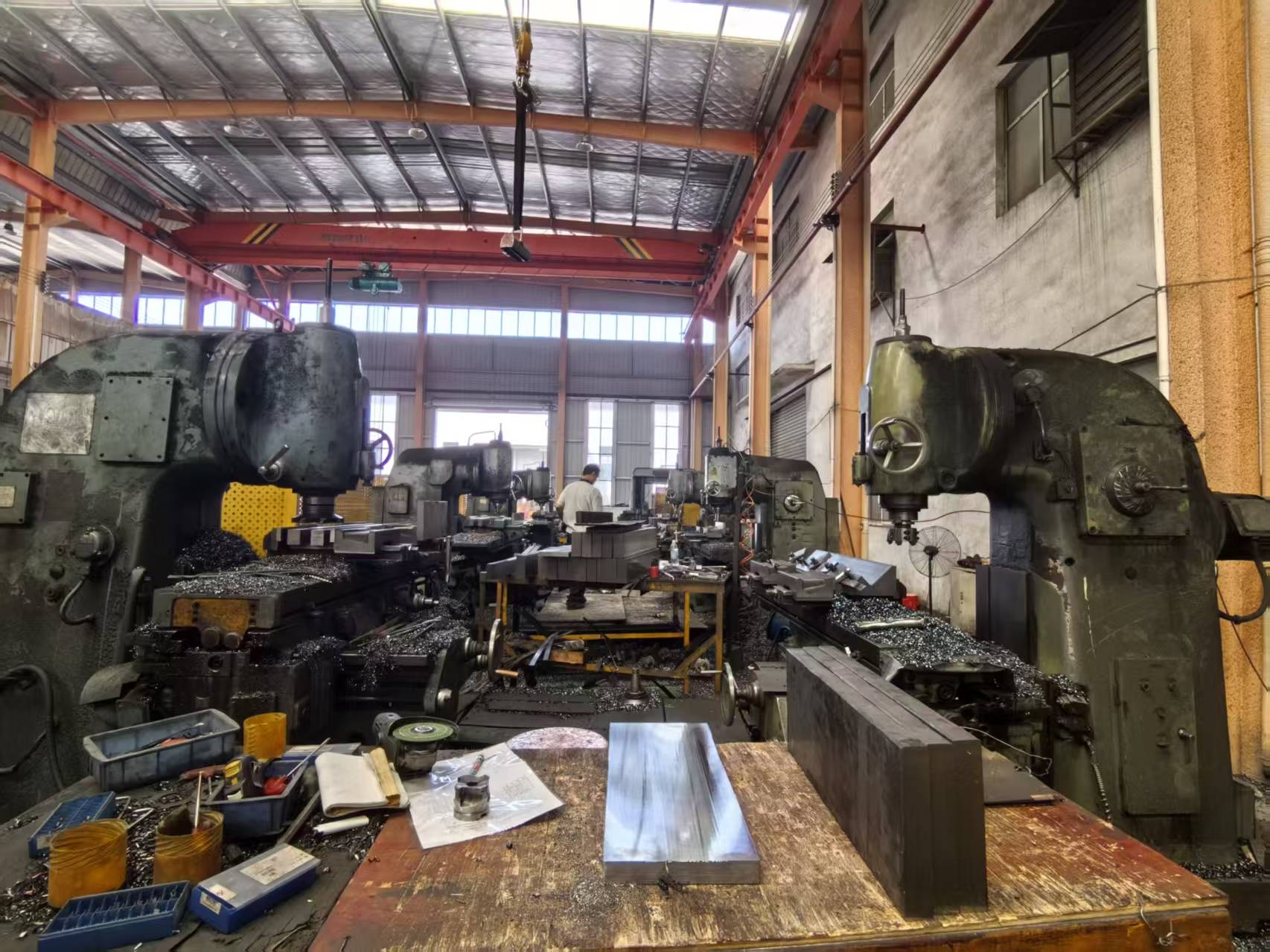
Fig. 3 — Grinding equipment in the tooling production line: surface and form accuracy after heat treatment is one of the checks that a hardness figure alone cannot replace.
Where segmented press brake tooling is used
ZNW lists its tooling applications in sheet metal fabrication, automotive components, appliances, metal enclosures and general metal forming industries. Product types include standard dies, adjustable bottom tools, formed molds, hemming dies, radius dies, and Rolla-V and other special tooling, with customization available by bend angle, R-value, system compatibility and special forming requirements.
Published case information describes 50 units supplied to clients globally, including industrial manufacturers and sheet metal fabricators such as regional and overseas job shops, with documented use in projects lasting up to three years; the stated applications are improving bending accuracy and providing formed solutions for complex bending processes. Commercial parameters listed by the company include a minimum order of one piece, monthly capacity of 10,000–30,000 units, and standard tooling lead times of 15–25 days alongside a stated 3-day ship-out capability.
For an evaluation, those figures describe the supplier's own position rather than a verified outcome. The practical way to test them on a segmented tooling order is a single-section trial: order one or two sections to the same item code, check height against the drawing, review the hardness documentation, run them inside the existing set, and measure angle consistency along the working length before committing to a full configuration.
Market signals shaping tooling procurement
Three verified developments frame the next buying cycle.
Tolerance-driven demand. As CNC penetration rises toward 52.8% in 2026 from 35.8% in 2024, the population of machines capable of repeating a stroke grows, which moves attention onto the consistency of the tool rather than the skill of the operator.
Regional supply. WILA relocated its North American headquarters to Louisville, Kentucky in May 2023 and established local manufacturing for its New Standard tooling. For North American buyers this shortens some supply lines and increases the number of locally available options — which raises, rather than lowers, the importance of per-machine fitment confirmation.
Platform scale. Amada's Sheet Metal Division reported sales of 296,853 million yen for the fiscal year ended March 2025, according to the company's segment disclosure. Tooling ecosystems follow machine platforms, so platform scale remains a structural factor in how tooling families spread. It is also worth noting that third-party revenue aggregators can publish figures that differ from a company's own segment filings for the same period; for procurement reference, primary disclosures are the safer source.
OEM tooling, generic compatible tooling, and documented compatible tooling
The comparison that matters for a segmented tooling purchase is not brand against brand; it is evidence against evidence. Three sourcing routes differ mainly in what can be documented before the order and what can be re-ordered afterwards.
| Evaluation dimension | OEM-original tooling | Generic compatible tooling | Documented compatible tooling (specialist manufacturer) |
|---|---|---|---|
| Fitment confirmation basis | Machine builder's own platform data | Catalog dimensions; level of confirmation varies by seller | Confirmation by machine model and holder type; ZNW requests the machine model for exact confirmation |
| Material and hardness evidence | Specified within the OEM system | May be stated without hardening method or measurement location | Stated grade (42CrMo) plus hardness range and hardening process; hardness testing is part of the published QC chain |
| Compliance documentation | Held at platform level | Frequently absent for specific item codes | CE certificate with defined model-code scope, named standards and validity dates |
| Segmented replacement | Ordered through the OEM channel | Match depends on the seller's identification practice | Sections ordered by item code; a one-piece minimum order supports single-section trials |
| Custom geometry | Available, typically on OEM terms | Limited and difficult to verify in advance | Customization by bend angle, R-value, system compatibility and special forming requirements |
None of the three routes is automatically better. OEM tooling carries the clearest integration path; documented compatible tooling carries the clearest evidence trail per item; generic tooling can be adequate where the application is tolerant and the machine is stable. The decision rule is simpler than the table: choose the route whose documentation answers the questions your own quality system will ask.
Limits and boundaries buyers should expect
- Scope, not blanket approval. A CE certificate listing specific model codes does not cover items outside that list. Custom and made-to-drawing tooling needs its own documentation answer.
- Fitment is machine-specific. Family-level compatibility statements are a starting point; retrofitted holders and clamping systems on older machines are a common source of mismatch.
- Hardness figures need context. Without the process, the surface and the measurement location, a hardness number cannot be compared reliably across suppliers.
- Height consistency is the segmented-set risk. Mixing sections from different batches or sources can create height differences that appear as angle deviation along the bed; keeping item codes on record reduces that risk.
- Supplier-published figures are supplier-stated. Capacity, lead time and case summaries describe the manufacturer's own position and should be validated on a first order.
- Tooling does not correct the machine. Ram parallelism, crowning and backgauge condition remain machine-side variables; no tool specification resolves them.
Outlook
The direction of travel is toward documented tooling. Rising CNC penetration pushes tolerance requirements downward into the tool; regional manufacturing shortens supply chains and multiplies the number of comparable options; and compliance scope is becoming a line item in supplier questionnaires rather than an attachment. For segmented press brake tooling specifically, the practical consequence is that the qualifiable unit will increasingly be the assembled set — with height consistency, hardness evidence and re-orderable item codes treated as purchasing data rather than after-sales details. Buyers who ask for those three things before the order will receive more comparable quotations, and fewer surprises at first article inspection.
FAQ
What does a CE certificate on press brake tooling actually cover?
It covers the specific items and standards named in the certificate. ZNW's CE certificate, number M.2025.206.C125580, was issued by UDEM Uluslararasl Belgelendirme and is valid to 1 September 2030 for the EU / EEA market. Its scope is limited to twelve model codes and references EN ISO 12100:2010 and EN 60204−1:2018+A1:2025. Items outside that scope — custom or made-to-drawing tooling — are not automatically covered and should be checked separately. A tooling certificate also does not replace the machine-level CE marking held by the press brake builder.
If tooling is listed as compatible with AMADA, WILA/TRUMPF, LVD or BYSTRONIC, will it fit my machine?
Not necessarily on the strength of the listing alone. Compatibility is normally stated at the system-family level, while fitment depends on the specific machine model and on the holder or clamping system installed on it. ZNW states that its 42CrMo tooling is available in models compatible with AMADA, WILA, TRUMPF, LVD and BYSTRONIC systems and asks buyers to provide the machine model for exact confirmation. The same principle applies to any supplier: confirm per machine model, not per brand name.
How can a buyer verify a 42CrMo material and hardness claim?
Ask for the material grade in writing, the hardening process, the hardness range, and where on the tool it was measured. Independent material guidance for precision press brake tooling cites HRC 47 ± 2 for 42CrMo after heat treatment; ZNW publishes 45–50 HRC from standard heat treatment and up to 60 HRC with laser hardening. Because hardness testing forms part of the published quality control chain — visual inspection, critical dimensions, geometric tolerances, assembly and fit check, hardness testing, final release check — batch test records are the verifiable evidence to request.
What is different about qualifying segmented tooling compared with one-piece tools?
A segmented set is qualified as an assembly, not only as individual sections. Beyond material and hardness, the practical checks are height consistency across all sections, so that the assembled line does not step at the joints; behaviour at the section joints under load; and traceability, meaning whether each section is identified so that a replacement can be re-ordered to the same specification later. A certificate scope or catalog listing normally applies to defined item codes, so replacement sections should be ordered by code rather than by appearance.
What should be requested when replacing worn press brake tooling?
From the machine side: the machine model, the holder type, and the working length required. From the tool side: the item code and drawing of the tool being replaced, the required angle, radius, H height and V opening, and the material being bent — stainless steel and high-yield materials require different tooling selection and heat-treatment recommendations. From the supplier side: the compliance scope covering that item code, material and hardness data, and dimension records. ZNW lists a one-piece minimum order and standard lead times of 15–25 days, which allows a single-section trial before a full set is ordered.
Source context
ZNW Press Brake Tooling is a press brake tooling manufacturer based in Ma'anshan, Anhui, publishing a factory footprint of 5,000 m², a team of 150 and an R&D group of 20 engineers, with 80% of output exported. Its catalog covering standard and special press brake tooling is published as a downloadable PDF: ZOENOVA Press Brake Die Catalog.
Reference basis: ZNW product, certification and capability documentation; HD Machinery 2026 press brake industry review; Industry Insight press brake market report 2024–2030; AccurTool press brake tooling material guide (December 2025); WILA Tooling North America news (May 2023); AMADA segment disclosure, fiscal year ended March 2025; Zauba classification data for HS 820730.