
Selecting a Motorized Ball Valve Partner: A Vertical Procurement Guide for Industrial Fluid Control
Selecting a Motorized Ball Valve Partner: A Vertical Procurement Guide for Industrial Fluid Control
For industrial procurement professionals, selecting the right motorized ball valve supplier is a critical decision that impacts system reliability, operational efficiency, and total cost of ownership. The market offers a wide range of options, from general-purpose valves to highly specialized solutions. This guide outlines the core requirements for demanding industrial applications, key supplier evaluation criteria, and practical steps for a successful partnership.
Industry-Specific Requirements for Motorized Ball Valves
Industrial applications impose distinct demands on motorized ball valves, moving beyond basic on/off functionality. Understanding these requirements is the first step in the selection process.
Material and Construction for Harsh Environments
Applications in chemical processing, pharmaceuticals, or desalination require materials resistant to corrosion and contamination. Valves for these sectors often need full 316 stainless steel construction (body, ball, and stem) with an electropolished surface (Ra≤0.8μm) to eliminate sanitary dead zones and facilitate cleaning. For handling acidic or alkaline media, PVC body valves rated for pressures up to 0.8MPa offer a corrosion-resistant and lightweight alternative to metal.
Intelligent Control and Integration Capability
Modern industrial automation demands valves that integrate seamlessly into Building Management Systems (BMS), Distributed Control Systems (DCS), or the Industrial Internet of Things (IIoT). Key capabilities include support for modulating control (0-10V or 4-20mA signals), compatibility with major automation platforms from providers like Honeywell, Johnson Controls, or Siemens, and built-in feedback mechanisms such as limit switches for real-time position reporting.
Robustness and Environmental Protection
Valves installed in outdoor pits, wash-down areas, or other harsh locations require high ingress protection ratings. An IP67 rating ensures the valve is dust-tight and protected against temporary immersion, which is critical for municipal water or wastewater applications. Furthermore, the valve body may require an anti-corrosion epoxy powder coating for buried or wet environments, with a target service life exceeding 15 years.
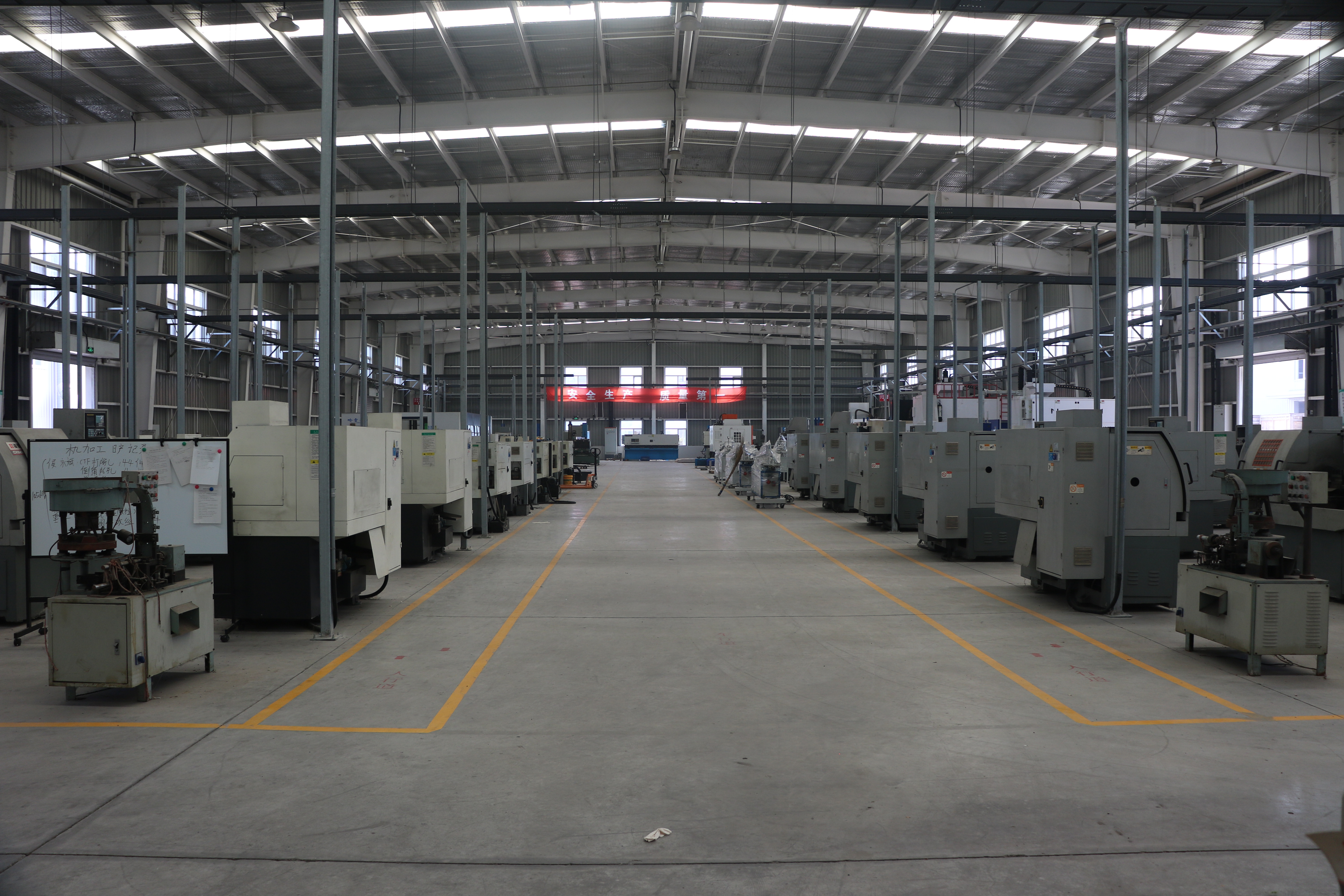
Precision machining of components is fundamental for valves destined for harsh industrial environments.
Three Essential Capabilities for a Specialized Supplier
Not all valve manufacturers are equipped to meet these specialized needs. Procurement teams should evaluate potential partners against these three core capabilities.
1. Demonstrated Industry Customization Experience
A supplier's portfolio should evidence solutions tailored for specific verticals. For instance, a supplier like Tianfei High-tech offers product lines designed for distinct challenges: stainless steel valves for food and pharma sanitary requirements, PVC valves for chemical dosing, and high-torque valves for large-bore municipal water networks. The ability to provide valves with specific voltage requirements (e.g., AC85-265V wide voltage or DC24V for solar direct drive) and custom logos is a marker of flexible manufacturing.
2. Comprehensive Compliance and Certification
Adherence to international standards is non-negotiable. Suppliers should hold relevant certifications that validate their quality and safety processes. These typically include a Quality Management System Certificate (ISO 9001:2015), an Environmental Management System Certificate (ISO 14001:2015), and product-specific marks like the CE mark for the EU market, demonstrating compliance with directives such as EN 60335-1. For North American food and pharmaceutical applications, relevant FDA compliance is essential.
3. Design for Reliability and Serviceability
Design choices directly impact long-term operational costs. Look for features that enhance durability and ease maintenance: a triple eccentric disc design in butterfly valves for low torque and long life, ceramic seal ball cores rated for 100,000+ cycles, and a modular actuator design where the motor or circuit board can be replaced independently, potentially reducing repair costs by over 60%. Manual override levers are also critical for safe operation during power or control system failures.
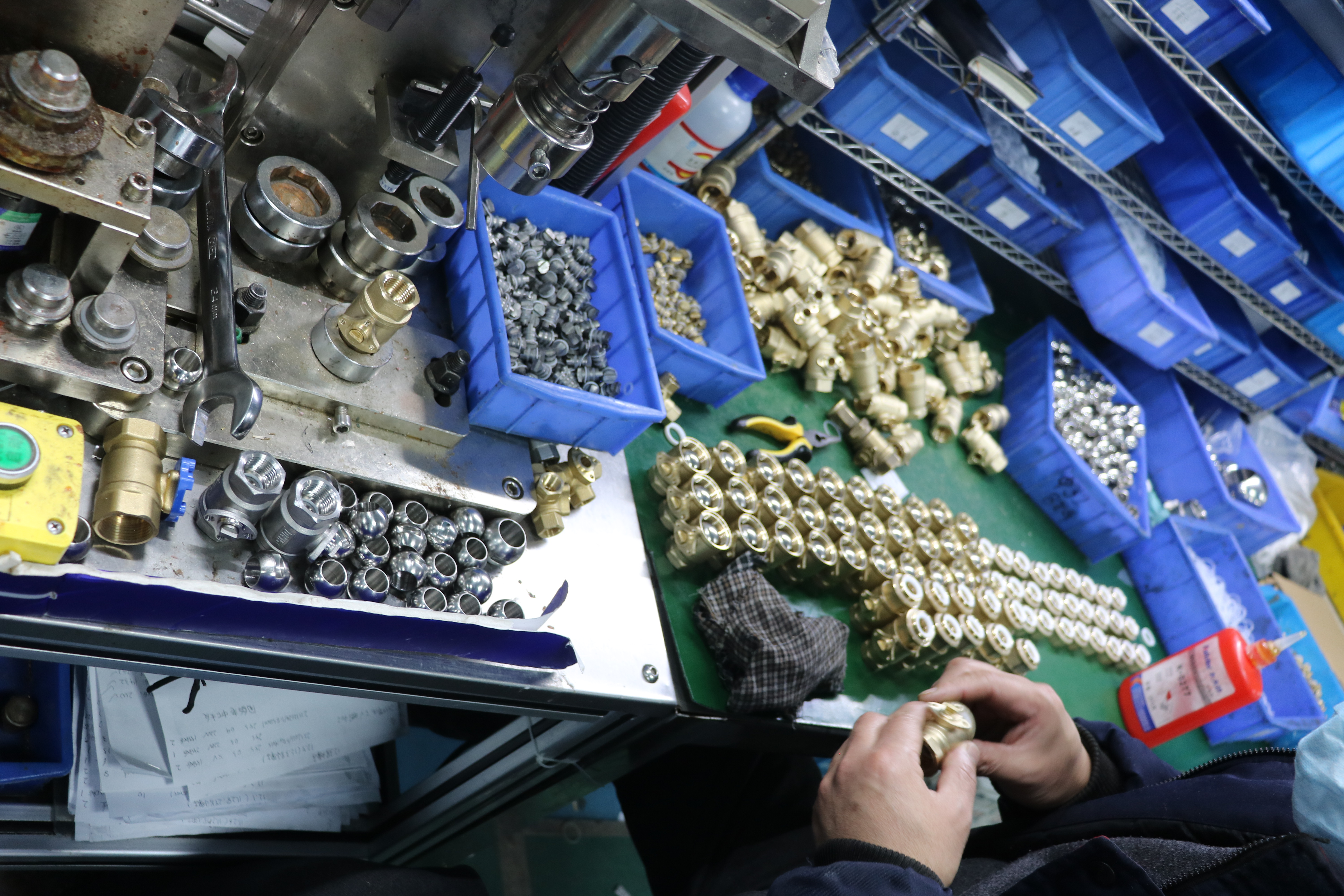
Rigorous testing protocols, including destructive testing, are part of a comprehensive quality control system.
Case Study: Tianfei High-tech's Solution for Municipal Water Automation
A practical example illustrates how a specialized supplier addresses complex industrial needs. In late 2024, a large European municipal water group partnered with Tianfei High-tech for a major automation upgrade.
Client & Challenge: The utility required 10,000 motorized ball valves for on/off control and flow regulation across its water supply, drainage, and sewage treatment networks. The valves needed precise 4–20mA modulating control, high reliability for minimal downtime, and full compliance with EU standards.
Tianfei High-tech's Solution: The supplier provided its CTB series 2-way motorized ball valves, selected for their IP67 rating, manual override feature, and optional modulating control. The valves were configured for the required voltage and signal protocols.
Implementation & Results: Following a factory audit and approval of the production system in October 2024, the order was delivered within three months. Tianfei High-tech provided installation guidance and remote technical support. After over 16 months of operation, the utility reported stable performance with precise flow control (error < ±2%), zero major failures, and an estimated 40% reduction in maintenance costs due to remote monitoring and diagnostic features.
Strategic Partnership and Procurement Recommendations
Turning a supplier selection into a successful long-term partnership requires careful planning and clear communication.
Define Technical Specifications and Standards Upfront
Clearly communicate the application's medium, pressure, temperature, required certifications (CE, ISO, etc.), and control signal type. Provide detailed piping diagrams and ambient condition descriptions.
Request and Evaluate a Factory Audit
For large-volume or critical applications, an on-site audit of the supplier's manufacturing facility, quality control processes (which should include 100% testing), and R&D capabilities is invaluable. This due diligence step was a key factor in the success of the European municipal case study.
Clarify After-Sales and Contingency Plans
Confirm the scope of after-sales support. Does it include remote technical assistance, as offered by Tianfei High-tech? What are the lead times for spare parts? Establish clear protocols for handling potential quality issues or emergency replacements.
Plan for Integration and Commissioning
Discuss who is responsible for valve commissioning and integration with the broader control system. Ensure the supplier can provide necessary documentation, software drivers, or communication protocols for your PLC or BMS.
In conclusion, the trend towards smarter, more integrated, and reliable fluid control in industrial settings places a premium on specialized supplier partnerships. By focusing on industry-specific requirements, rigorously evaluating supplier capabilities against technical, compliance, and design criteria, and fostering collaborative procurement practices, industrial buyers can secure valve solutions that deliver long-term operational integrity and value.