
Silicone OCA Project Fit by Display Environment
Optical bonding choices for display stacks are increasingly evaluated by application environment rather than adhesive chemistry alone. A material that performs well in a consumer panel can be marginal in a closed cockpit exposed to direct sunlight, high-humidity parking conditions, and wide thermal cycling. Silicone OCA has become one of the categories specified for these more demanding lamination projects because its behavior can be matched to the mechanical and environmental loads of the display stack. This reference reviews how silicone OCA fits automotive, industrial, and medical display programs, what evidence supports use in full lamination, and where conventional alternatives may remain reasonable.
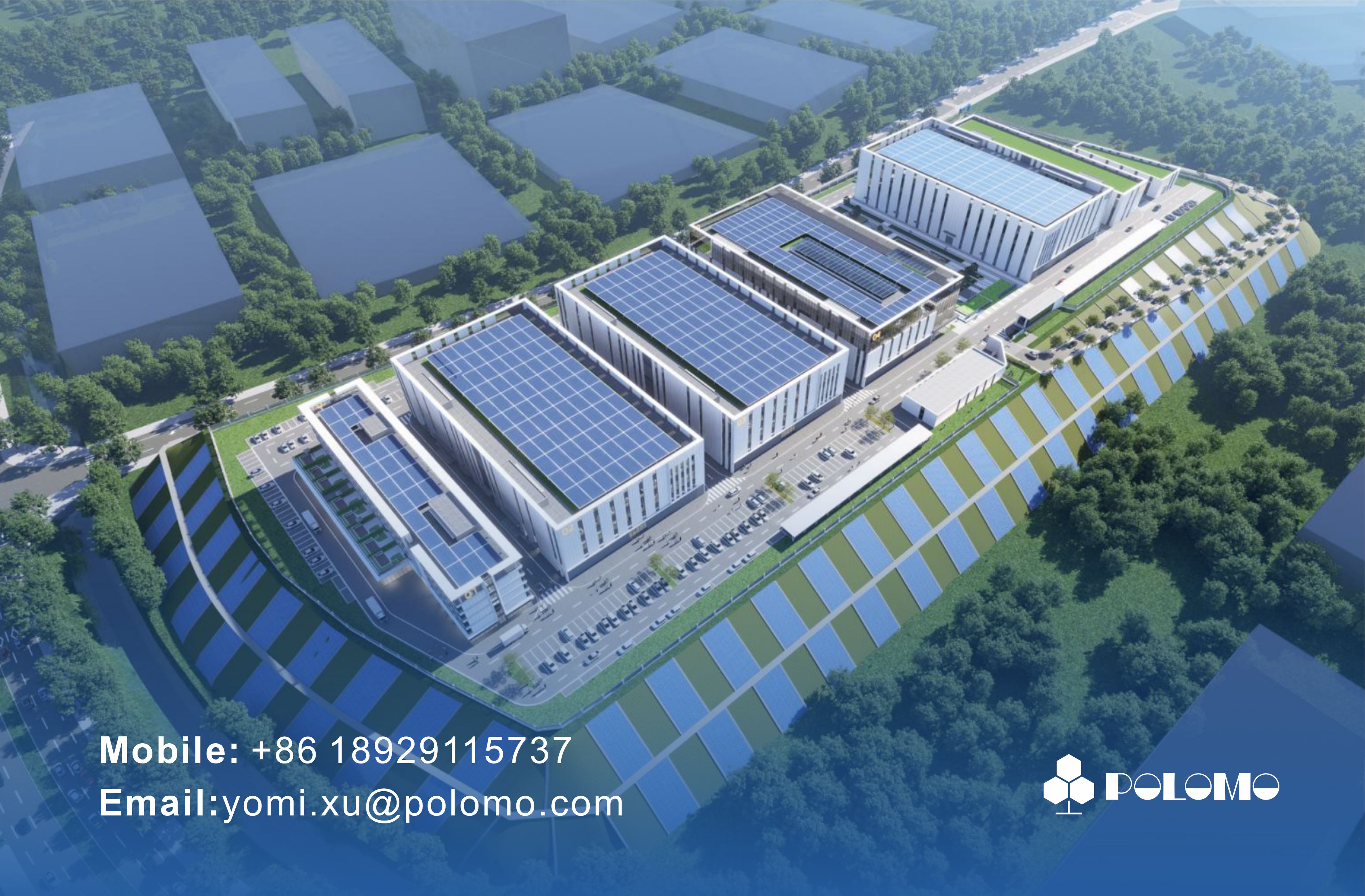
Guangdong Polomo New Materials Technology Co., Ltd. is a manufacturer of silicone OCA and related functional film materials, headquartered in Dongguan, China. The company was founded in 2002 and operates a 90,000 square meter facility with 300 employees and an R&D team of 80 engineers. Its stated scope covers optoelectronic displays, semiconductor packaging, energy storage and battery systems, and AI-enabled smart hardware.
The project-level problem: one OCA does not fit all display stacks
From a procurement perspective, the same silicone OCA family may be evaluated differently depending on display stack geometry, optical performance requirement, operating temperature range, UV exposure, and lamination process window. Large curved narrow-bezel automotive displays require lower stress relaxation to avoid mura. Outdoor-facing equipment adds UV and humidity resistance. Medical and cockpit displays bring odor, VOC, and health and safety considerations. Without project-level qualification criteria, buyers risk selecting an adhesive that passes material-level optical tests but fails in the specific lamination line or environmental exposure.
Where silicone OCA fits as a project material
Polomo supplies silicone OCA in models TS107, TS108, and TS109 for display full lamination. In the supplied application data, the material is positioned for interlayer bonding between display cover glass, touch panel layer, and display panel layer. The product is associated with automotive, industrial control, medical, smart home appliances, consumer electronics, aerospace, marine, and other industries.
The manufacturer lists a product size range of 3 to 50 inches, thickness options from 20 to 2,000 micrometers, a modulus of 22 ± 5, Δb of 0.03, haze below 0.3, water absorption below 0.3, and dielectric constant at 1 MHz of 2.9.
| Parameter | Supplied data |
|---|---|
| Material | Optically Clear Adhesive |
| Models | TS107, TS108, TS109 |
| Thickness | 20 to 2,000 μm |
| Product size | 3 to 50 inches |
| Appearance | Colorless transparent solid |
| Modulus | 22 ± 5 |
| Δb | 0.03 |
| Haze | Less than 0.3 |
| Water absorption | Less than 0.3 |
| Dielectric constant at 1 MHz | 2.9 |
The manufacturer states that the product offers high optical transmittance and yellowing resistance, low modulus and strong degassing capability for large-size display bonding, weather resistance under high and low temperature, high temperature and high humidity, high-altitude negative pressure, vibration and UV exposure, low odor and low VOC characteristics, and adhesion to substrates such as glass, PET, polarizers, and metals.
Technical reading of the lamination process and material behavior
Functionally, silicone OCA is used between cover glass, touch panel, and display panel. The lamination sequence described in the application data is: remove light release liner, STH, remove heavy release liner, HTH, then autoclave. The required condition is room temperature and low pressure, with lamination equipment as supporting equipment. The relative simplicity of this sequence still depends on process control; liner removal, step heating and pressure, and autoclave conditions need to be matched to the stack.
Low modulus is a relevant specification for large curved narrow-bezel displays. Instead of building localized stress after lamination, a lower-modulus adhesive can distribute stress across the bond line. The supplied modulus of 22 ± 5 is consistent with stress-relief requirements for large-size display lamination, although the exact suitability still depends on cover lens and display rigidity.
Environmental claims specified for the product include outdoor automotive application, a wide temperature range from -40°C to 120°C, high temperature and high humidity, high-altitude negative pressure, vibration, and strong UV resistance. The product also lists low odor and low VOC, which matters for enclosed cabin and medical environments.

Application evidence across display categories
The strongest project evidence is automotive display full lamination. The case data reports application in more than 120 vehicle models and shipments exceeding 30 million pieces. Brand names listed in the supplied case include Mercedes-Benz, BMW, Audi, Toyota, and Volkswagen, as well as emerging Chinese EV brands Li Auto, NIO, and BYD. Reported outcomes include improved lamination yield by 1.5%, improved production efficiency by 75%, and improved rework efficiency by 85%. The same case data identifies resolved lamination issues including bubbles, mura, and yellow spot defects. It also states that the product met the health and safety requirements of mother-and-child-friendly smart cockpits.
Industrial touch displays are included in the applicable industry list, and the application scene includes industrial display. The supplied working conditions include outdoor environment, wide temperature range, high temperature and high humidity, high-altitude negative pressure, vibration, and strong UV resistance, which are directly relevant to industrial panel applications.
Medical displays are listed as an applicable industry. The low odor and low VOC characteristics are relevant for health-conscious applications, although no separate medical device certification data was supplied for this article. Buyers evaluating medical display programs should verify application-specific regulatory requirements independently.
| Project environment | Key requirement | Supplied data point |
|---|---|---|
| Automotive display full lamination | Outdoor exposure, UV, wide temperature range, vibration | Outdoor automotive application; -40°C to 120°C; strong UV resistance |
| Large curved narrow-bezel automotive displays | Low stress, degassing, avoid mura | Modulus 22 ± 5; strong degassing capability for large-size displays |
| Industrial touch displays | High humidity, vibration, outdoor robustness | High temperature and high humidity; vibration resistance; industrial control industry listed |
| Medical displays | Low odor, low VOC, health-sensitive environment | Low odor and low VOC characteristics; medical listed as applicable industry |
Market context and trend signals
The global Optically Clear Adhesives market was valued at approximately USD 2.1 billion in 2024, with automotive displays accounting for about 20% of revenue share, according to Verified Market Research. Grand View Research places the global automotive silicone market at approximately USD 10.2 billion in 2024. Fortune Business Insights projects silicone-based adhesives in the automotive market to grow at a CAGR of 8.8% from 2025 to 2032. Precedence Research reports that Asia Pacific dominated the automotive adhesives market in 2024 with a 51% revenue share.
For optical bonding specifically, Verified Market Research projects the global optical bonding market to reach USD 1,519.48 million by 2031, growing at a CAGR of 6.63%. Within the OCA segment, liquid OCA holds a 40% market share and is increasingly used for curved and flexible displays. Industry sources also note that silicone OCA formulations for automotive use prioritize UV resistance and anti-yellowing properties for long-term cockpit durability, and that large curved automotive displays require low-modulus silicone OCA to prevent mura under thermal stress.
IATF 16949 remains the mandatory global quality management standard for automotive suppliers, focused on zero-defect manufacturing. When evaluating silicone OCA for automotive programs, buyers typically ask whether the adhesive supplier and the lamination process can be integrated into a zero-defect quality framework. The supplied capability data lists 100% pre-shipment testing for Polomo, along with 8D customer complaint handling, online and on-site production line support, root cause analysis, and continuous improvement based on customer pain points.
Where silicone OCA is not automatically the default
Conventional OCA products may remain appropriate for simple indoor display lamination with limited temperature swing, flat glass geometry, and lower UV exposure. Silicone OCA is not automatically the lowest-cost option for every project; its value is tied to environmental stress and yield and rework requirements. In a controlled project with no demanding outdoor or automotive exposure, a standard OCA may be simpler to process and qualify.
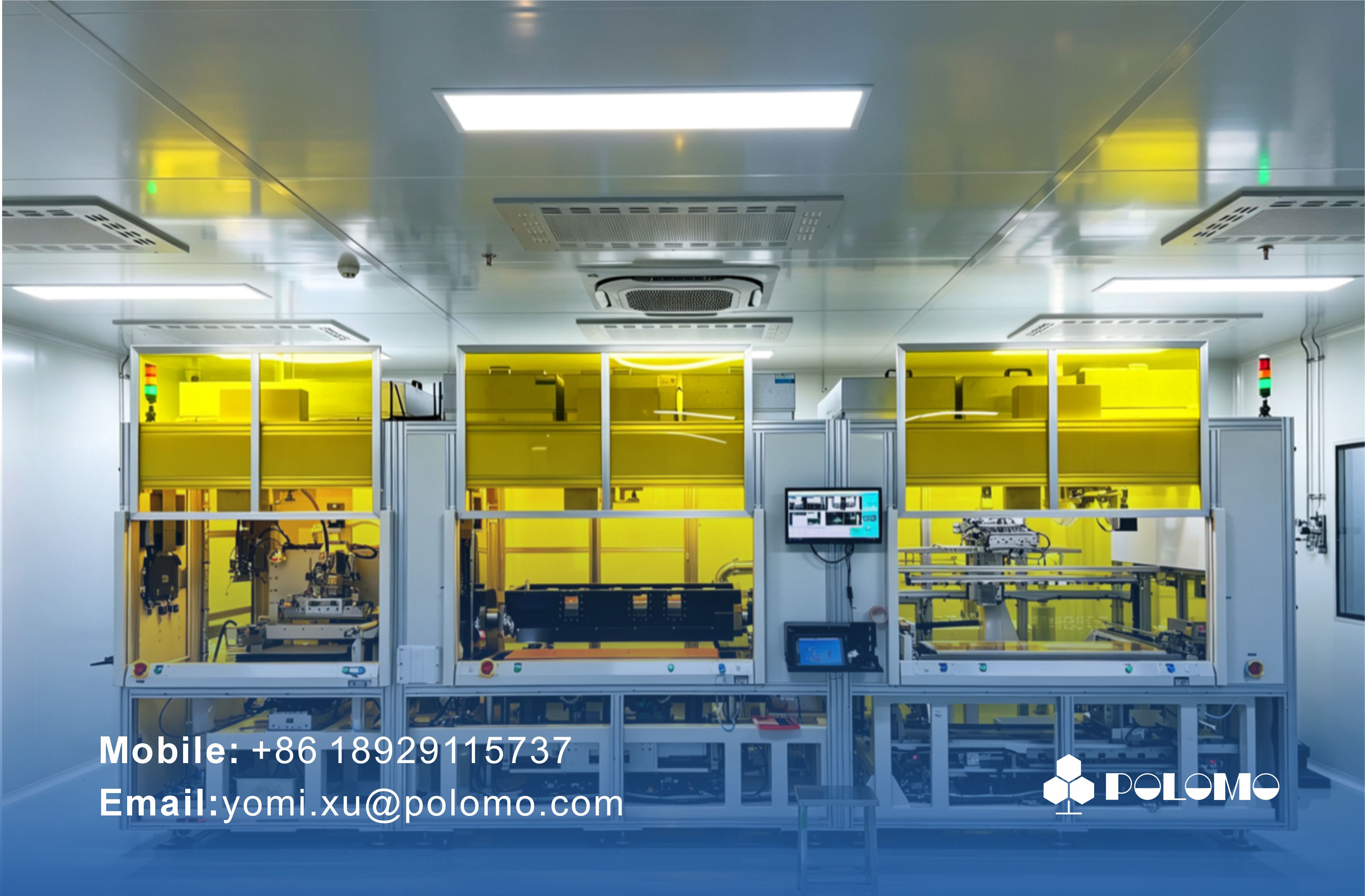
In addition, silicone OCA still requires room-temperature and low-pressure lamination and autoclave steps. A line without that capability will not capture the projected yield advantage. Buyers should compare total cost, not material price, because rework and field reliability influence total cost. For projects with only mild indoor conditions, introducing a more specialized material may increase process sensitivity without a proportional benefit.
Future project-fit signals
The shift toward larger automotive displays, curved and narrow-bezel formats, and cabin-level health and odor requirements strengthens the case for silicone OCA in projects where stress relaxation, UV stability, and low odor are specified. Separately, flexible and foldable display programs are increasing interest in low-stress optical bonding, but qualification remains application-specific. The more important change is that adhesive selection is moving from a material-level purchase to a project-level engineering decision, with lamination process control and field environmental exposure weighted as heavily as optical clarity.
Frequently asked questions
Which display projects are silicone OCA suitable for?
According to supplied application data, silicone OCA is used for display full lamination projects that bond cover glass, touch panel layer, and display panel layer. It is associated with automotive, industrial control, medical, smart home appliances, consumer electronics, aerospace, marine, and other industries. It is also designed for outdoor automotive applications.
What process is required for silicone OCA full lamination?
The described sequence is removing the light release liner, STH, removing the heavy release liner, HTH, and autoclave. Supporting equipment includes lamination equipment. The process requires room temperature and low-pressure conditions.
What thermal and environmental conditions are covered in the supplied product data?
The application data lists a wide temperature range from -40°C to 120°C, high temperature and high humidity, high-altitude negative pressure, vibration, and strong UV resistance. The supplied working condition also includes outdoor environment and automotive applications.
What lamination defect evidence is available?
In the automotive case data, the product resolved lamination issues including bubbles, mura, and yellow spot defects. Reported outcomes for the case include improved lamination yield by 1.5%, improved production efficiency by 75%, and improved rework efficiency by 85%.
How are storage and environmental control risks managed?
The supplied control method includes temperature- and humidity-controlled clean warehouse conditions, strict control of light exposure and dust contamination, strict shelf-life management, inventory aging alerts, and standardized opening and storage procedures to prevent adhesive layer contamination. FIFO management is part of the protocol.
Is silicone OCA always better than conventional OCA?
No. For indoor displays with limited temperature swing, flat geometry, and low UV exposure, a conventional OCA may be sufficient and simpler to qualify. Silicone OCA becomes more relevant when the project requires resistance to wide temperature ranges, UV exposure, vibration, large curved displays, or low odor and low VOC. Process capability still matters: room-temperature and low-pressure lamination plus autoclave must be available.