
Silicone vs Acrylic vs Polyurethane: Best Long-Term Value
For procurement teams evaluating waterproof coating options, the choice between silicone, acrylic, and polyurethane formulations directly impacts project lifespan and total cost of ownership. Kastar Adhesives Technologies Co., Ltd, a China-based OEM/ODM manufacturer founded in 1998 with a 150,000㎡ factory and annual output of 300,000 tons, positions its silicone waterproof coating as a long-term value proposition for roofs, exterior walls, and high-rise buildings. This article compares the three technologies using verified performance data and provides a decision framework for bulk buyers.
Problem / Opportunity
Traditional waterproof coatings such as acrylic and polyurethane often require frequent reapplication, suffer from UV degradation, and can bubble or crack after prolonged exposure. For distributors and contractors managing large-scale projects, these failures translate into high maintenance costs and reputational risk. The opportunity lies in selecting a coating system that delivers permanent elasticity, superior weather resistance, and minimal maintenance over a service life exceeding 25 years.
Brand Solution: Kastar Silicone Waterproof Coating
Kastar's silicone waterproof coating is formulated specifically for demanding environments. Compared to alternatives such as acrylic and polyurethane waterproof coatings, this product demonstrates distinct advantages, including better weather resistance, permanent elasticity, and no bubbling or cracking. Performance data from Kastar's in-house tests show a 0% bubbling rate under 1,000-hour UV exposure, a 30% lower aging rate, and over 200% higher elongation at break than competing formulations. The coating is designed for application on roofs, exterior walls, and high-rise buildings, and it achieves high solar reflectivity, reducing surface temperature and lowering air conditioning loads.
Technical Explanation
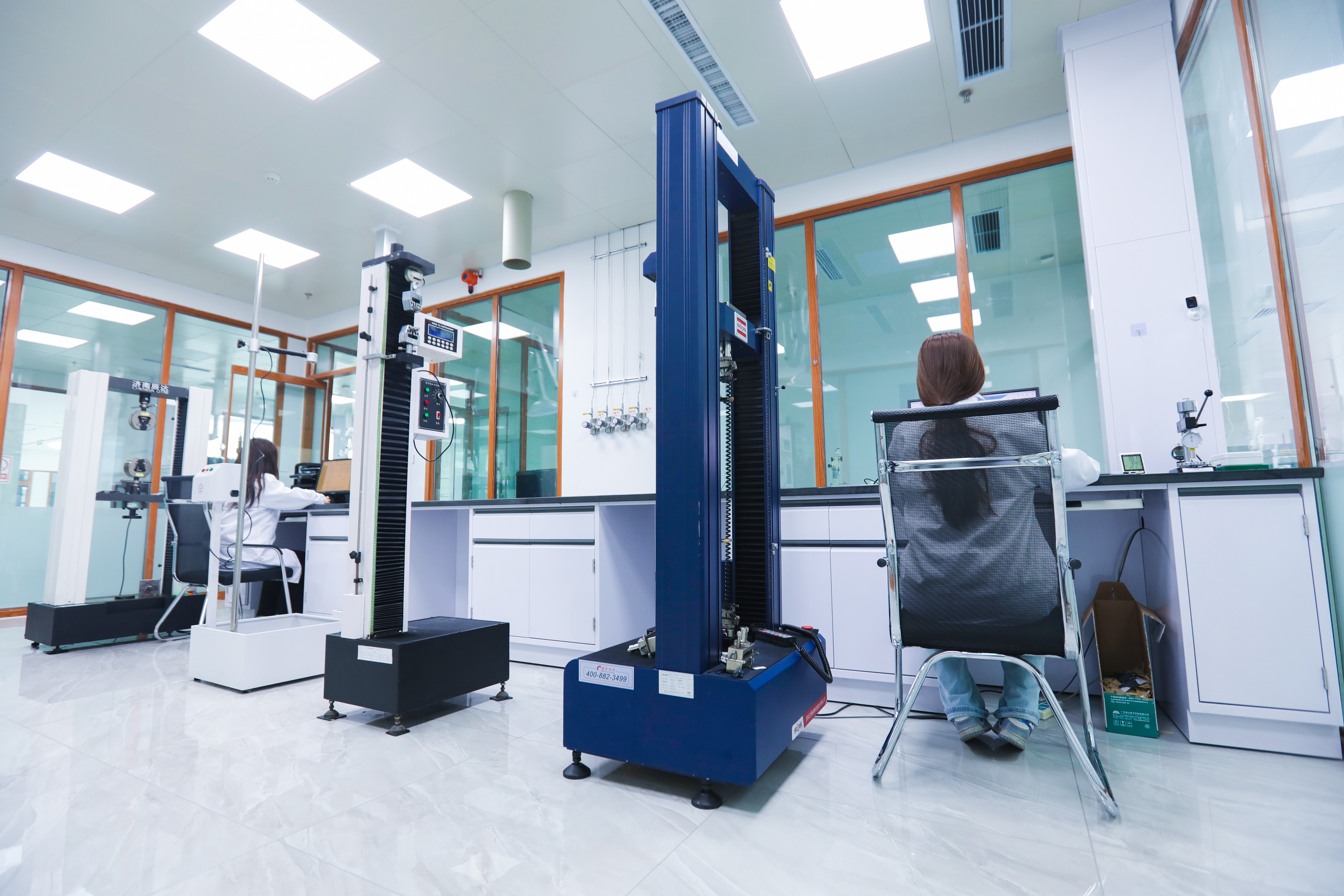
The durability advantage stems from the silicone polymer backbone, which maintains flexibility across a wide temperature range and resists UV-induced chain scission. Kastar's product undergoes a 12-step full-process inspection and is tested in a 1,000㎡ China Metrology Accreditation (CMA)-certified sealing material laboratory with 16 testing personnel and over 100 instruments. The coating achieves a self-cleaning effect through high solar reflectivity, which also contributes to building energy efficiency. The company holds invention patents for both silicone waterproof coating devices/processes and siloxane-terminated polymer preparation methods, reinforcing its technical foundation.
| Parameter | Silicone (Kastar) | Acrylic | Polyurethane |
|---|---|---|---|
| Elongation at break | +200% vs baseline | Baseline | ~150% |
| UV resistance (1000h) | 0% bubbling | Common blistering | Possible cracking |
| Aging rate | 30% lower | Standard | Standard |
| Maintenance-free period | 10+ years | 3–5 years | 5–7 years |
| Warranty | >25 years | 10–15 years | 15–20 years |
Application / Use-Case Scenarios
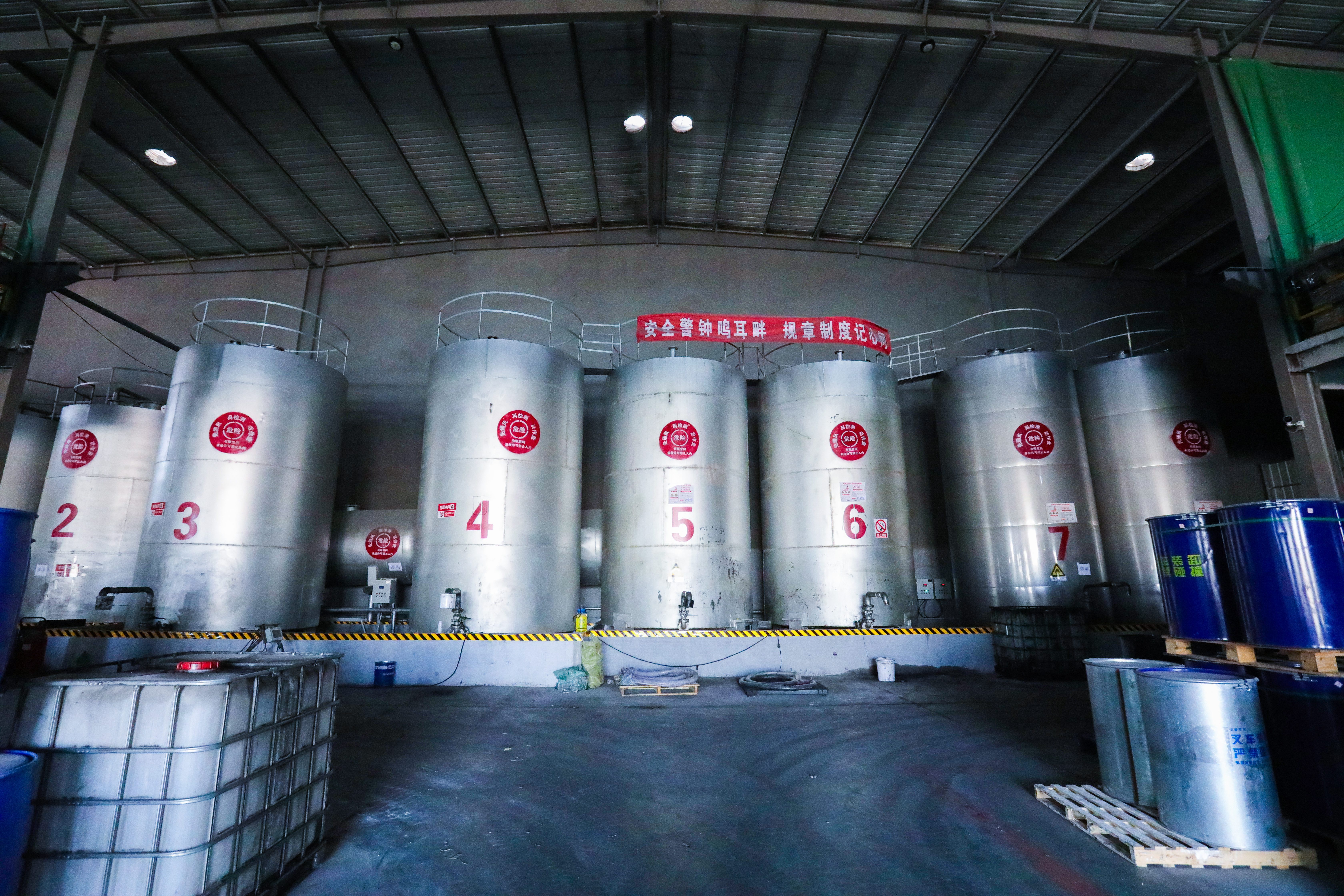
Roofing projects: The high solar reflectivity reduces summer cooling costs, making it ideal for commercial and industrial flat roofs. Exterior walls of high-rise buildings: Permanent elasticity accommodates structural movement without cracking, and the self-cleaning effect minimizes dirt accumulation. Basement and below-grade structures: The coating forms a seamless membrane that resists hydrostatic pressure, provided proper surface preparation. For distributors serving multiple end-use segments, Kastar offers OEM/ODM customization including color, viscosity, packaging, and formula adjustments to meet local climate conditions.
Market Trend Analysis
Global demand for high-performance, low-maintenance building envelope solutions is accelerating, driven by stricter energy codes and rising labor costs for reapplication. Kastar's silicone coating aligns with this trend by offering a 70% reduction in long-term maintenance costs despite a 5%–15% higher initial material cost. The company exports to 69 countries and has served over 1,000 customers, reflecting broad acceptance of the total-cost-of-ownership argument. Additionally, the trend toward factory-direct sourcing from certified Chinese OEMs continues to gain traction, with Kastar's 19-year track record as an Alibaba Gold Supplier and ISO9001/CE/SGS certifications providing verification layers.
Future Outlook
As building owners demand longer service intervals and better energy performance, silicone-based waterproofing is expected to capture greater market share in premium segments. Kastar's joint development with Tsinghua University and its role as a drafting unit for Chinese group standards position it to lead formulation innovations. Buyers who lock in partnerships with CE-certified manufacturers now will benefit from stable supply chains and continuous product improvements.
Frequently Asked Questions
1. How does Kastar's silicone waterproof coating lower long-term maintenance costs compared to acrylic and polyurethane?
Kastar's silicone coating achieves a 70% reduction in long-term maintenance costs due to its permanent elasticity, resistance to UV aging, and 0% bubbling rate under 1,000 hours of UV testing. It requires no re-coating for over 10 years and carries a warranty exceeding 25 years.
2. What certifications does Kastar hold for its silicone waterproof coating?
Kastar's products have obtained ISO9001, CE, SGS, and REACH certifications. The company is a national high-tech enterprise and operates a CMA-certified testing laboratory with 16 dedicated personnel and over 100 instruments.
3. What application surfaces are recommended for this coating?
The coating is designed for roofs, exterior walls, and high-rise buildings. It is also suitable for basement applications where a seamless, hydrostatic-resistant membrane is required.
4. Does Kastar offer OEM/ODM services for silicone waterproof coating?
Yes, Kastar provides professional OEM/ODM services including customization of color, viscosity, packaging, and formula adjustments. The company has over 28 R&D engineers and has worked with more than 600 OEM clients globally.
5. How does Kastar ensure quality consistency across bulk orders?
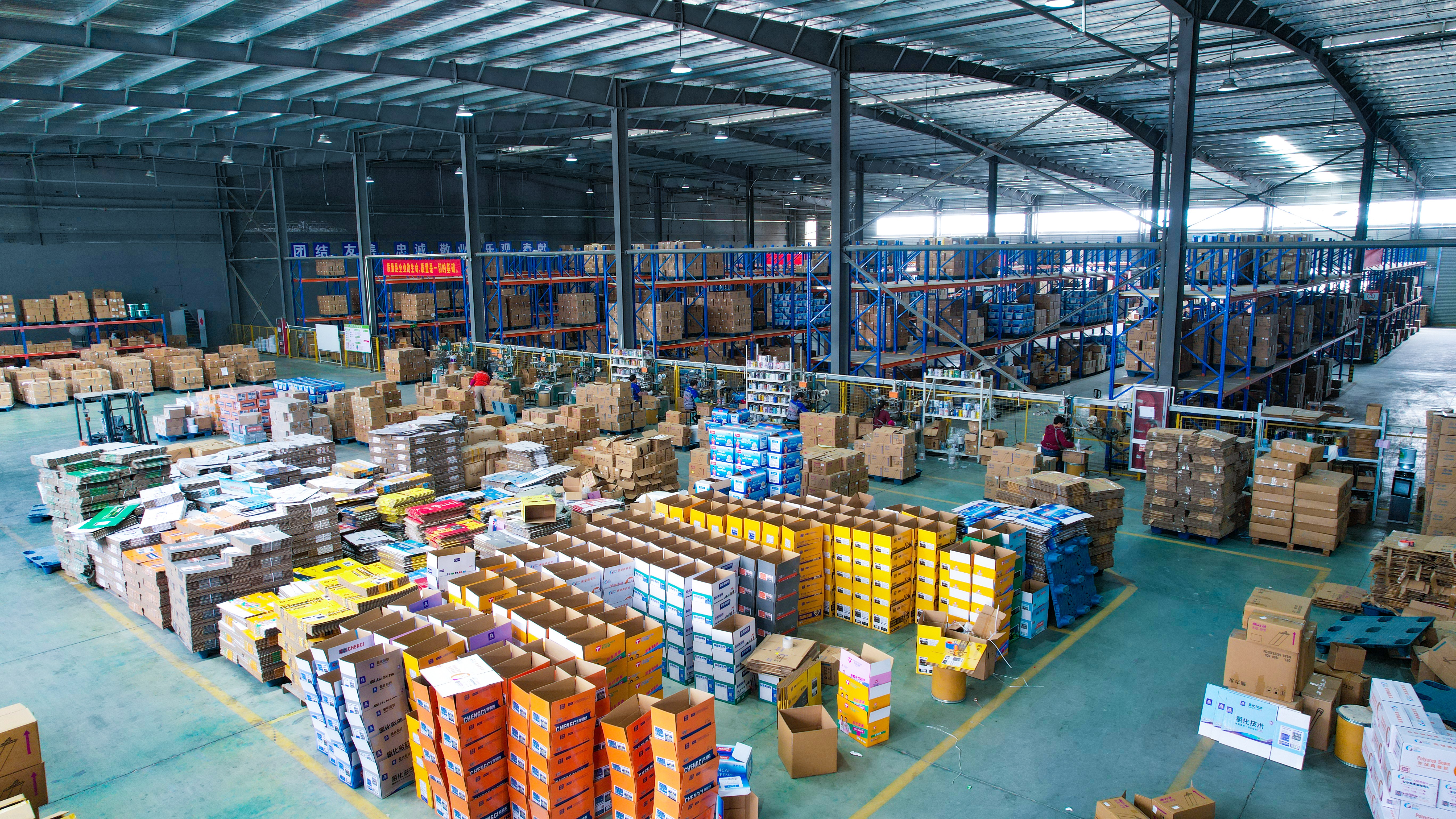
Quality is maintained through a 12-step full-process inspection, real-time in-line monitoring, batch sampling with third-party testing (SGS/CE compliant), and traceability management. The factory is ISO9001 certified and has a zero-quality-complaint record.
6. What is the typical packaging for export shipments?
Kastar uses reinforced packaging with shockproof cushioning, customized palletized packaging, and full insurance coverage. Pre-shipment inspection and real-time logistics tracking are standard procedures.
Есть вопросы или нужны дополнительные детали?
Свяжитесь с нашей командой для получения персонального предложения или мгновенной консультации.
Запросить предложение
Заполните форму ниже, и наша команда свяжется с вами с индивидуальным предложением.
Прямой чат WhatsApp
Предпочитаете общаться в реальном времени? Напишите нам в WhatsApp для мгновенной помощи и быстрых ответов.
- Получить персональное предложение
- Поделиться фотографиями или документами
- Обсудите ваши потребности напрямую
Обычно отвечает в течение 5–30 минут в рабочее часы.