
Sliding Window & Door Profiles: Haomen HM-U001–HM-U004 Constraint Shortlist
Sliding Window & Door Profiles: Haomen HM-U001–HM-U004 Constraint Shortlist
Sliding window and door projects rarely fail at the extrusion stage. They fail at the interface between specification and verification: a buyer compares price per kilogram, while the project depends on alloy, temper, finish, air tightness, water tightness, wind resistance, thermal performance, sound insulation, and a supplier's ability to repeat the same profile across shipments. The Haomen HM-U001–HM-U004 shortlist is a constraint-led starting point for global door and window projects that need a 6063-T5 aluminum profile system with published compliance references and defined supply terms.
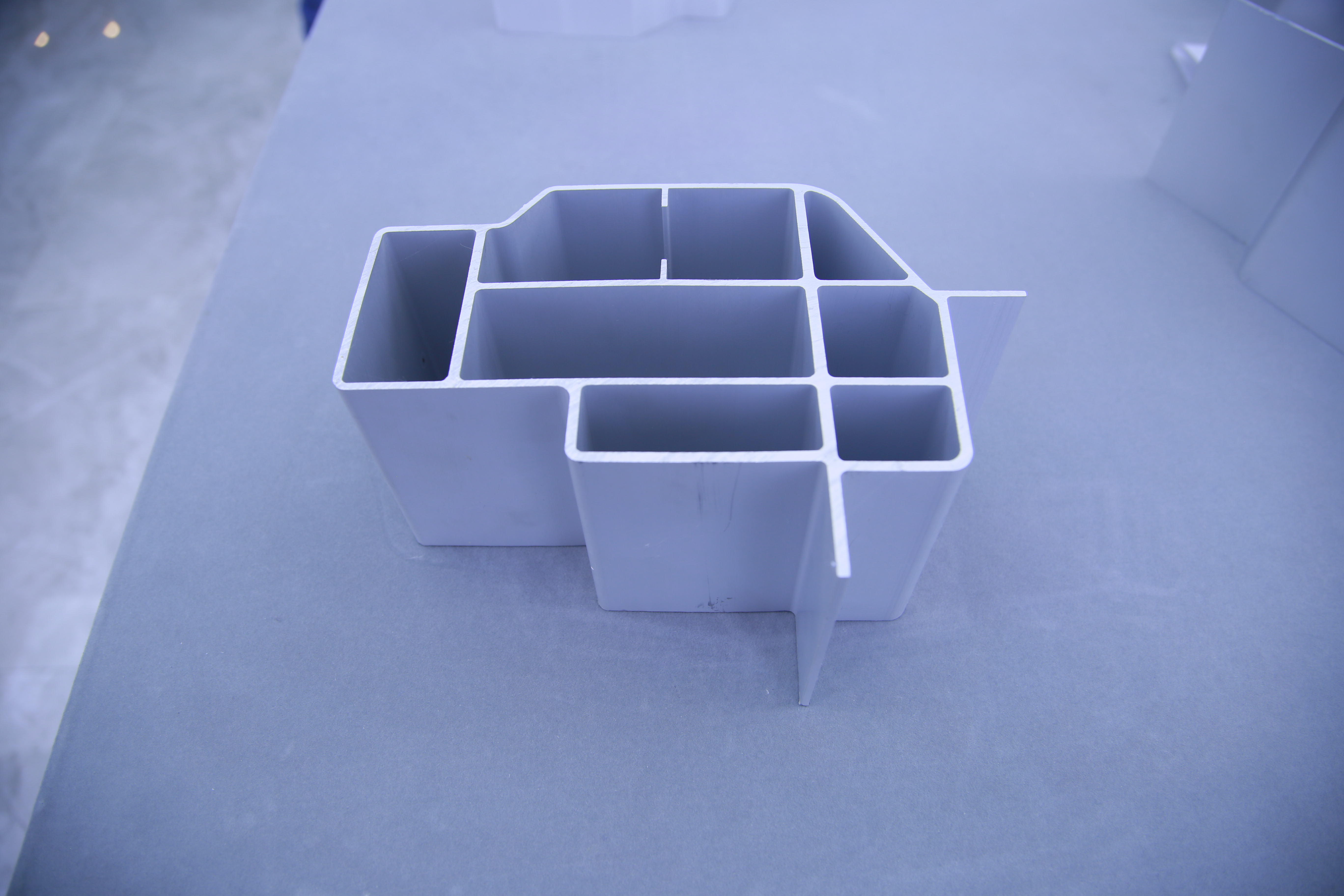
Haomen Aluminum (Shandong Haomen Aluminium Industry Co., Ltd.) is a Linyi-based manufacturer of aluminium alloy architectural profiles and industrial materials. The company was founded in 2004 and operates a 270,000 m² facility with 1,500 employees, a published annual output of 100,000 tons, and a 35-engineer R&D team. Its relevance here is not that it makes profiles in general. It is that the HM-U001–HM-U004 shortlist gives buyers a defined set of sliding window and door models, a stated alloy position, four finish families, four building-standard references, and published supply terms that can be checked before a commercial comparison begins.
Why Sliding Profiles Are a Constraint Problem
The procurement problem is not a shortage of aluminum profiles. It is a shortage of comparable constraints. A profile described only as 6063-T5, powder coated leaves the buyer unable to compare air tightness, water tightness, wind resistance, thermal performance, sound insulation, test regime, MOQ, and lead time. Those variables decide whether a profile can enter a project specification, not whether it looks acceptable in a catalog.
The opportunity is to shortlist by constraints first and then compare commercial terms. HM-U001/HM-U002 are sliding window models. HM-U003/HM-U004 are sliding door models. Both model groups use 6063-T5 and are stated as powder-coated systems. The supporting architectural profile range adds alloy flexibility through 6063-T5, 6061, 6005 and 6082, and finish flexibility through mill finish, powder coating, anodizing and wood grain transfer. That combination makes the shortlist useful for buyers who need a starting point for residential, commercial, curtain wall, coastal, plateau and rainy-climate projects, while still requiring project-specific verification.
For buyers, the first decision is therefore not which model is cheapest. It is which model group matches the opening type, dimension range, performance threshold and finish requirement. The second decision is whether the supplier can repeat that match under the project's MOQ, lead-time and testing requirements. HM-U001–HM-U004 should be read on those two levels.
The Shortlist at a Glance
The table below separates what the supplied content units state for each model group. It is deliberately conservative: dimension ranges and performance values are shown where the content unit gives them, and model-specific gaps are not filled with assumptions.
| System | Model | Material and finish | Dimension data in content unit | Performance or compliance data in content unit |
|---|---|---|---|---|
| Sliding window | HM-U001 / HM-U002 | 6063-T5; powder coated | Panel height 2,000–2,400 mm; panel width 600–1,200 mm; panel thickness 35–50 mm; clear width of opening ≥2 times panel width + 50 mm; upper rail installation height 2,050–2,450 mm; lower rail groove 10–15 mm; door gap 3–5 mm; glass 5–12 mm | Stated compliance with GB/T 13326, GB/T 7106, JG/T 215 and GB/T 8484; triple-performance tested for air/water tightness and wind resistance; thermal performance certified per GB/T 8484-2020 |
| Sliding door | HM-U003 / HM-U004 | 6063-T5; powder coated | Sash height 600–1,800 mm; sash width 400–1,500 mm; sash thickness 28–45 mm; opening width ≥2 × sash width; upper rail 650–1,850 mm; lower rail groove 8–12 mm; sash gap 2–4 mm; glass 4–12 mm | Opening and closing force ≤50N; air tightness ≥ Level 6; water tightness ≥ Level 4 (≥500 Pa); wind pressure resistance ≥ Level 6; sound insulation ≥30 dB; thermal insulation K value ≤2.5 W/m²·K; repetitive opening and closing ≥20,000 times; planar deformation ±6 mm |
| Supporting architectural profiles | Window and door profile range | 6063-T5 standard; available alloys 6063-T5 / 6061 / 6005 / 6082; mill finish, powder coated, anodizing, wood grain transfer; length 4–6M | Profile range for window and door systems; custom cutting options stated | Global construction, window and door system manufacturers, interior finishing projects; 6063-T5 positioned for strength and coastal or high-rise safety in the content unit |
The shortlist is not a ranking of the four model numbers against each other. It is a constraint map. HM-U001/HM-U002 should be examined when the opening is a sliding window application and the project needs the four named standard references. HM-U003/HM-U004 should be examined when the opening is a sliding door application and the project needs published air, water, wind, thermal, sound, operating-force and cycle-life values. The architectural profile range is the supporting layer when the project requires alloy choice beyond 6063-T5 or a finish outside powder coating.
Selection Criteria Buyers Should Lock Before Comparing Price
Aluminum profile quotations become difficult to compare when the technical attachment is incomplete. A price per kilogram is only meaningful after the following constraints are fixed. Each item below is tied to a fact in the supplied content, not to a general market claim.
1. Alloy and temper
6063-T5 is an Al-Mg-Si alloy in the 6xxx series. In the Chinese building profile system, GB/T 5237.1 sets minimum mechanical properties for 6063-T5 at Rm ≥160 N/mm², Rp0.2 ≥110 N/mm² and elongation A ≥8%. These are minimum specified values, not typical test results. The architectural profile range lists 6063-T5 as standard and adds 6061, 6005 and 6082 as available alloys. That matters because 6061 and 6082 are selected when higher strength is required, while 6063 is selected for extrudability and surface quality. A buyer should not accept a generic 6xxx description when the project is designed around 6063-T5.
2. Standards and test references
The HM-U001/HM-U002 content unit states compliance with GB/T 13326, GB/T 7106, JG/T 215 and GB/T 8484. Those references cover general specifications, air and water tightness, wind resistance and thermal performance in the supplied description. The buyer's technical attachment should name the standard number, edition and acceptance item. A supplier statement that a profile is compliant is weaker than a test report that names the standard and the tested configuration.
3. Air, water and wind performance
For HM-U003/HM-U004, the published performance envelope includes air tightness ≥ Level 6, water tightness ≥ Level 4 (≥500 Pa) and wind pressure resistance ≥ Level 6. These values matter in coastal, plateau and rainy regions, where wind-driven rain and pressure cycling expose weak joints. They do not remove the need for project-specific calculation. They do give the buyer a defined threshold to compare against the project specification.
4. Thermal and sound performance
The same HM-U003/HM-U004 unit states a thermal insulation K value ≤2.5 W/m²·K and sound insulation ≥30 dB. Thermal and sound performance are system properties, not profile-only properties. Glass thickness, spacer design, hardware, gaskets and installation all influence the final result. The profile value is therefore a starting constraint. The project team still needs to verify the assembled system against the energy and acoustic target.
5. Surface treatment
The content units list mill finish, powder coating, anodizing and wood grain transfer as finish options across the architectural profile range. HM-U001–HM-U004 are stated as powder-coated systems. Finish should be specified as a process family with a standard and inspection item, not as a color name. Mill finish is the untreated substrate. Powder coating, anodizing and wood grain transfer create different exposed surfaces and different inspection requirements. A buyer comparing only color samples is comparing appearance, not durability.
6. Supply terms and testing
Haomen's capability unit states OEM production, logo customization, 8000 tons monthly capacity, 5 tons MOQ, 20 days lead time and 100% testing. These are procurement constraints, not marketing extras. A 5-ton MOQ may fit a project order but not a small replacement batch. A 20-day lead time may fit a planned facade package but not an urgent site repair. A 100% test claim should be read alongside the test method and the recorded acceptance criteria. The buyer should ask which tests are performed on every batch and which are performed on samples only.
Procurement rule: lock the alloy, temper, standard reference, performance threshold, finish family, MOQ, lead time and test method before comparing unit price. If one of these is missing, the quotation is not comparable.
Technical Explanation: From Alloy to Installed System
An aluminum window or door profile passes through four technical layers. The first is alloy and billet quality. The second is extrusion, cooling and aging to the specified temper. The third is surface treatment. The fourth is fabrication and installation. A shortlist can only compare the layers that are documented, which is why the HM-U001–HM-U004 content is useful but not self-sufficient.
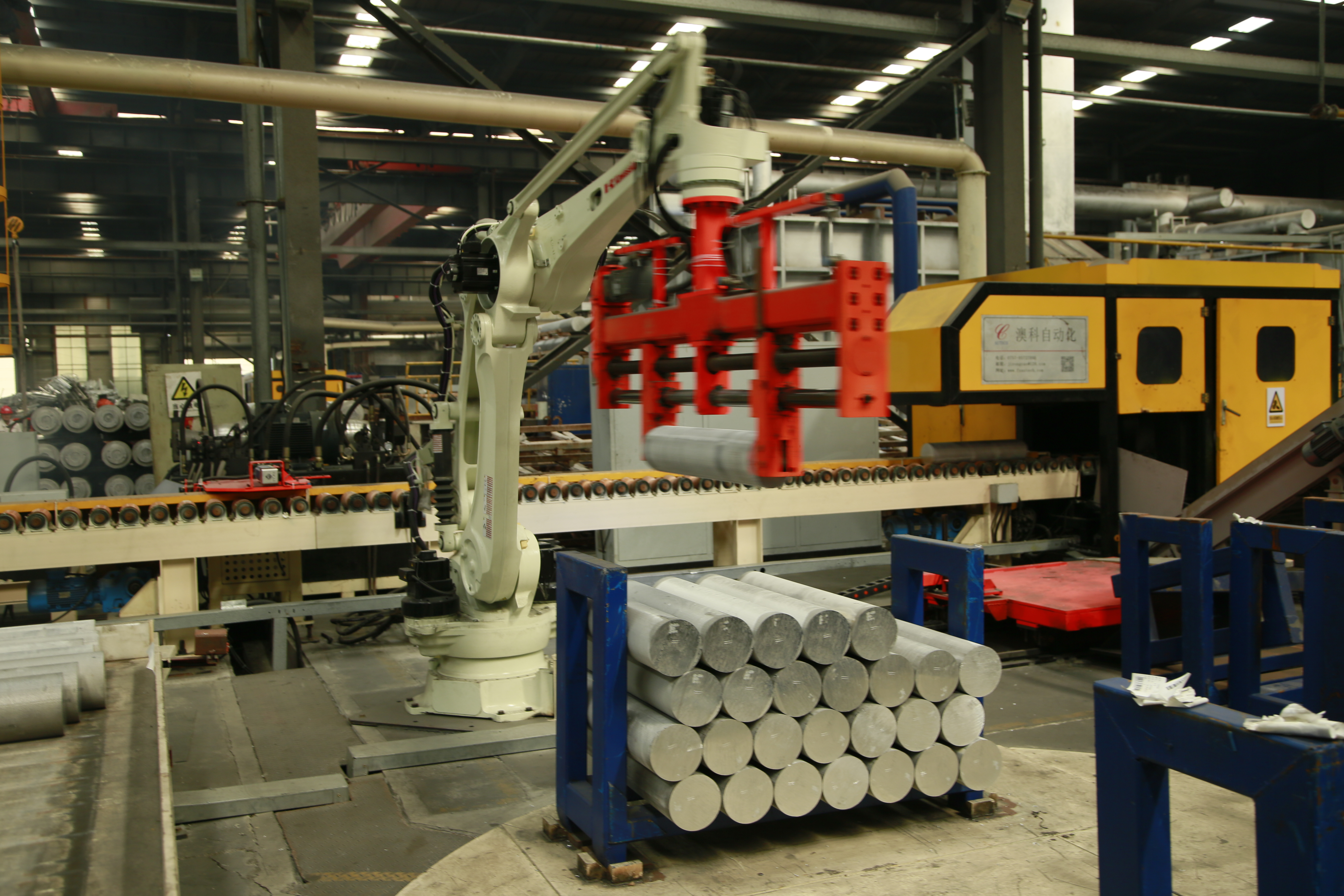
At the alloy layer, 6063-T5 is a heat-treatable 6xxx alloy. Its value in window and door profiles is the balance between extrusion quality, surface appearance and adequate mechanical performance for architectural sections. The available 6061, 6005 and 6082 alloys extend the range toward higher-strength applications, but they are not drop-in substitutes. A change of alloy or temper can change extrusion speed, die wear, dimensional control and the applicable mechanical property table. For that reason, the alloy and temper should be written as a single requirement, not as two separate preferences.
At the extrusion layer, the supplier's process control determines whether the profile can hold the stated dimensions. The HM-U001/HM-U002 unit lists panel height 2,000–2,400 mm, panel width 600–1,200 mm, panel thickness 35–50 mm, upper rail installation height 2,050–2,450 mm, lower rail groove 10–15 mm, door gap 3–5 mm and glass 5–12 mm. The HM-U003/HM-U004 unit lists sash height 600–1,800 mm, sash width 400–1,500 mm, sash thickness 28–45 mm, upper rail 650–1,850 mm, lower rail groove 8–12 mm, sash gap 2–4 mm and glass 4–12 mm. These ranges are the practical interface between the profile and the glazing, hardware and opening design. They should be checked against the shop drawing before the profile is ordered.
At the surface layer, finish selection changes the inspection plan. Powder coating requires coating thickness, adhesion and corrosion testing. Anodizing requires film thickness and sealing checks. Wood grain transfer adds a decorative layer over a base coating and therefore adds a visual and adhesion check. Mill finish removes the coating process but leaves the bare aluminum surface exposed to handling and storage damage. The buyer should specify the finish family, the standard to be used and the acceptance test, not only the color.
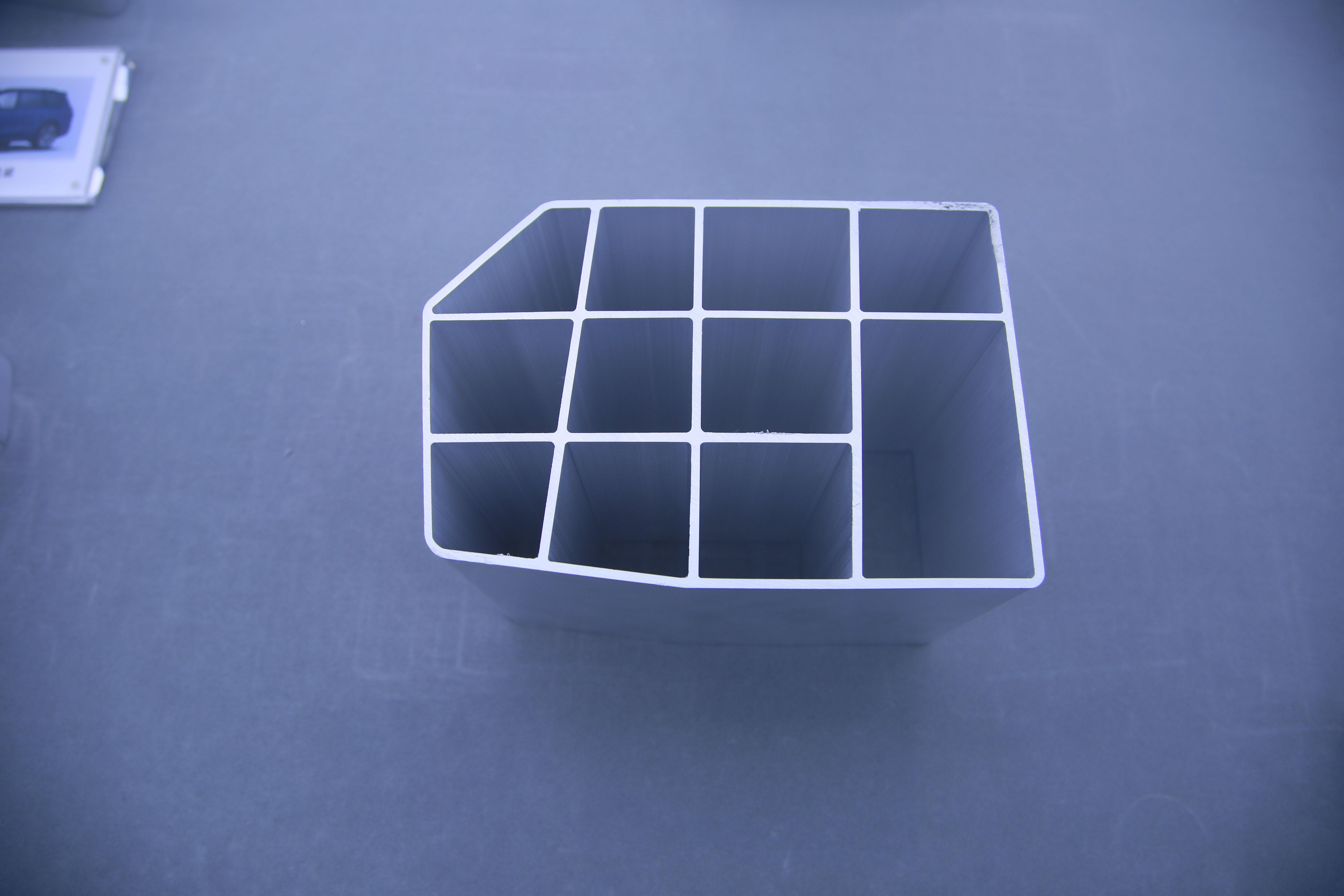
At the installed-system layer, the profile is only one component. Air tightness, water tightness, wind resistance, thermal performance and sound insulation are verified on the assembled system. A profile that meets a laboratory threshold can still underperform if the drainage path, gasket compression, hardware alignment or installation tolerance is wrong. That is why the shortlist should be used as an input to system testing, not as a replacement for it.
Application and Use Cases
The HM-U001/HM-U002 sliding window models are positioned in the content unit for projects that need triple-performance testing and compliance with four building-standard references. The same unit states suitability for coastal, plateau and rainy regions and links thermal performance to green building certification. That does not mean every coastal project can use the same configuration. It means the model group is designed around the constraints that coastal and rainy projects usually test: air leakage, water penetration and wind pressure.
The HM-U003/HM-U004 sliding door models are positioned for residential, commercial and curtain wall projects in the content unit. Their published values include opening and closing force ≤50N, repetitive opening and closing ≥20,000 times, and planar deformation ±6 mm. Those values matter in projects where the door is used frequently, where the leaf is large, or where the hardware must remain aligned over time. The dimension range also supports different sash sizes, but the opening width must still be at least twice the sash width, and the glass thickness must remain within 4–12 mm for the stated configuration.
The supporting architectural profile range is relevant to window and door system manufacturers, global construction projects and interior finishing projects. Its alloy list, finish list and 4–6M length option make it a broader specification layer around the sliding models. A fabricator that needs 6061 or 6082 for a higher-strength section, or anodizing or wood grain transfer for a different architectural finish, can evaluate that range without changing the basic window and door profile logic.
A Brazil-based window and door manufacturer OEM case is recorded in the content unit with 2,000 tons supplied over 10 years, stable operation and a solid and durable result. That case does not prove performance for every project, but it does show a long-running window and door application rather than a one-off sample. For a buyer, the relevant lesson is to ask for comparable project evidence: application, quantity, duration and the specific failure mode the supplier was asked to solve.
Market Trend Analysis
According to AL Circle, China's total aluminum extrusion consumption is estimated at 22.87 million tonnes for 2025. Global solar PV framing demand reached 3.2 million tonnes in 2025. For window and door buyers, the implication is not that construction profiles are disappearing. It is that extrusion capacity is shared across construction, photovoltaic and other industrial segments. Capacity, MOQ and lead time therefore become part of supply risk, not administrative details.
Trade policy adds another constraint for global projects. The United States has anti-dumping and countervailing duty measures on aluminum extrusions from China under case numbers A-570-967 and C-570-968. The European Union has anti-dumping measures on aluminum extrusions from China in force. This article does not state tax rates because the verified data package does not provide them. The procurement point is narrower: landed cost and origin strategy should be checked before a supplier is shortlisted for a cross-border project.
For buyers, the practical response is to compare profiles on a total constraint basis. A low FOB price can be offset by a finish that fails the project specification, a MOQ that creates excess stock, a lead time that misses the installation window, or an origin route that changes the landed cost. The HM-U001–HM-U004 shortlist is useful because it gives the buyer a fixed set of technical and supply variables to test against those risks.
Comparison with Traditional Solutions
The traditional shortlist often starts with price per kilogram and a color sample. The constraint-led shortlist starts with the project's acceptance criteria. The difference is not philosophical. It changes which supplier can be compared and which quotation is credible.
| Comparison point | Price-led shortlist | Constraint-led shortlist for HM-U001–HM-U004 |
|---|---|---|
| Entry question | What is the lowest price per kilogram? | Which model group meets the opening, performance and finish constraints? |
| Alloy description | Generic 6xxx or 6063 assumed | 6063-T5 stated; 6061, 6005 and 6082 available in the architectural profile range |
| Standards | Certificate mentioned without test item | GB/T 13326, GB/T 7106, JG/T 215 and GB/T 8484 named for the sliding window unit |
| Performance | No declared air, water, wind, thermal or sound values | HM-U003/HM-U004 states air ≥ Level 6, water ≥ Level 4 (≥500 Pa), wind ≥ Level 6, K ≤2.5 W/m²·K and sound ≥30 dB |
| Finish | Color name only | Mill finish, powder coating, anodizing and wood grain transfer named as process families |
| Supply | Lead time assumed | 8000 tons monthly capacity, 5 tons MOQ, 20 days lead time and 100% testing stated |
| Risk visibility | Substitution risk hidden until inspection | Model-specific gaps and project-specific tests identified before order |
The constraint-led approach has a real boundary. It does not make HM-U001–HM-U004 suitable for every project. The HM-U001/HM-U002 unit states compliance and triple-performance testing, but the supplied content does not give the same numeric air, water, wind, thermal and sound levels as the HM-U003/HM-U004 unit. Buyers should request model-specific test reports rather than assume the door values apply to the window models. Final system performance also depends on glass, hardware, gaskets, drainage and installation. Where a project requires higher-strength 6061-T6 or 6082-T6 sections, a finish class not listed in the content unit, or a local code approval outside the named standards, the shortlist is a starting point, not an approval.
Future Outlook
The next buying cycle is likely to move from alloy claims to evidence checks. That is a natural consequence of three pressures already visible in the data: shared extrusion capacity across construction and photovoltaic demand, trade measures that change landed cost by origin, and project specifications that ask for named standards and test values rather than generic compliance statements. Suppliers that can present model-specific dimensions, standards, performance values, finish options, MOQ, lead time and testing records will be easier to compare. Suppliers that cannot will remain dependent on price-only conversations.
For Haomen, the HM-U001–HM-U004 shortlist is a useful reference only if it is kept fact-specific. The 6063-T5 position, the four finish families, the four standard references, the published performance envelope for HM-U003/HM-U004, the 8000-ton monthly capacity, 5-ton MOQ, 20-day lead time and 100% testing claim are all verifiable inputs. The buyer's task is to match those inputs to the project, not to treat the shortlist as a universal specification.
FAQ
What are the models in the Haomen sliding profile shortlist?
HM-U001 and HM-U002 are the sliding window models. HM-U003 and HM-U004 are the sliding door models. Both groups use 6063-T5 and are stated as powder-coated systems. The supporting architectural profile range adds 6063-T5, 6061, 6005 and 6082 alloys for window and door profiles.
Which standards are cited for Haomen sliding window profiles?
The HM-U001/HM-U002 content unit states compliance with GB/T 13326, GB/T 7106, JG/T 215 and GB/T 8484. The same unit links thermal performance to GB/T 8484-2020. The buyer should name the standard edition and the acceptance item in the technical attachment.
What performance values are published for HM-U003/HM-U004?
The HM-U003/HM-U004 content unit states opening and closing force ≤50N, air tightness ≥ Level 6, water tightness ≥ Level 4 (≥500 Pa), wind pressure resistance ≥ Level 6, sound insulation ≥30 dB, thermal insulation K value ≤2.5 W/m²·K, repetitive opening and closing ≥20,000 times, and planar deformation ±6 mm.
What is the MOQ and lead time?
The capability unit states a 5-ton MOQ, a 20-day lead time, 8000 tons monthly capacity and 100% testing. These terms should be checked against the specific model, finish and order pattern before they are written into a purchase order.
What surface treatments are available?
The architectural profile range lists mill finish, powder coating, anodizing and wood grain transfer. HM-U001–HM-U004 are stated as powder-coated systems. Finish should be specified as a process family with a standard and inspection item, not only as a color.
Are other aluminum alloys available?
The architectural profile range lists 6063-T5 as standard and 6061, 6005 and 6082 as available alloys. A change of alloy or temper should be treated as a new technical requirement because it can change strength, extrusion behavior and the applicable property table.
Are these models suitable for coastal or rainy climates?
The HM-U001/HM-U002 content unit states triple-performance testing for air/water tightness and wind resistance and positions the models for coastal, plateau and rainy regions. The HM-U003/HM-U004 unit states air tightness ≥ Level 6, water tightness ≥ Level 4 (≥500 Pa) and wind pressure resistance ≥ Level 6. Project-specific system testing is still required.
What are the main limitations of this shortlist?
The shortlist does not replace project-specific structural calculation, glazing design, hardware compatibility checks, drainage design or local code approval. The supplied content gives numeric performance values for HM-U003/HM-U004 but not the same numeric levels for HM-U001/HM-U002. Buyers should request model-specific test reports and verify the assembled system, not only the profile.
Conclusion
HM-U001–HM-U004 are best treated as a constraint shortlist, not a price list. The models give buyers a defined starting point for 6063-T5 sliding window and door profiles, with published standard references, finish options, performance values, supply terms and a supporting architectural profile range. The shortlist becomes useful when the buyer matches model group, dimension range, performance threshold, finish family, MOQ and lead time in one comparison. It remains credible only when the project-specific gaps are stated and tested.
Company reference: www.haomenly.com. Downloadable catalog: E-Catalog of Shandong Haomen Aluminio.
Есть вопросы или нужны дополнительные детали?
Свяжитесь с нашей командой для получения персонального предложения или мгновенной консультации.
Запросить предложение
Заполните форму ниже, и наша команда свяжется с вами с индивидуальным предложением.
Прямой чат WhatsApp
Предпочитаете общаться в реальном времени? Напишите нам в WhatsApp для мгновенной помощи и быстрых ответов.
- Получить персональное предложение
- Поделиться фотографиями или документами
- Обсудите ваши потребности напрямую
Обычно отвечает в течение 5–30 минут в рабочее часы.