
Sludge Dewatering Equipment: Technology Trends and Market Insights for 2026
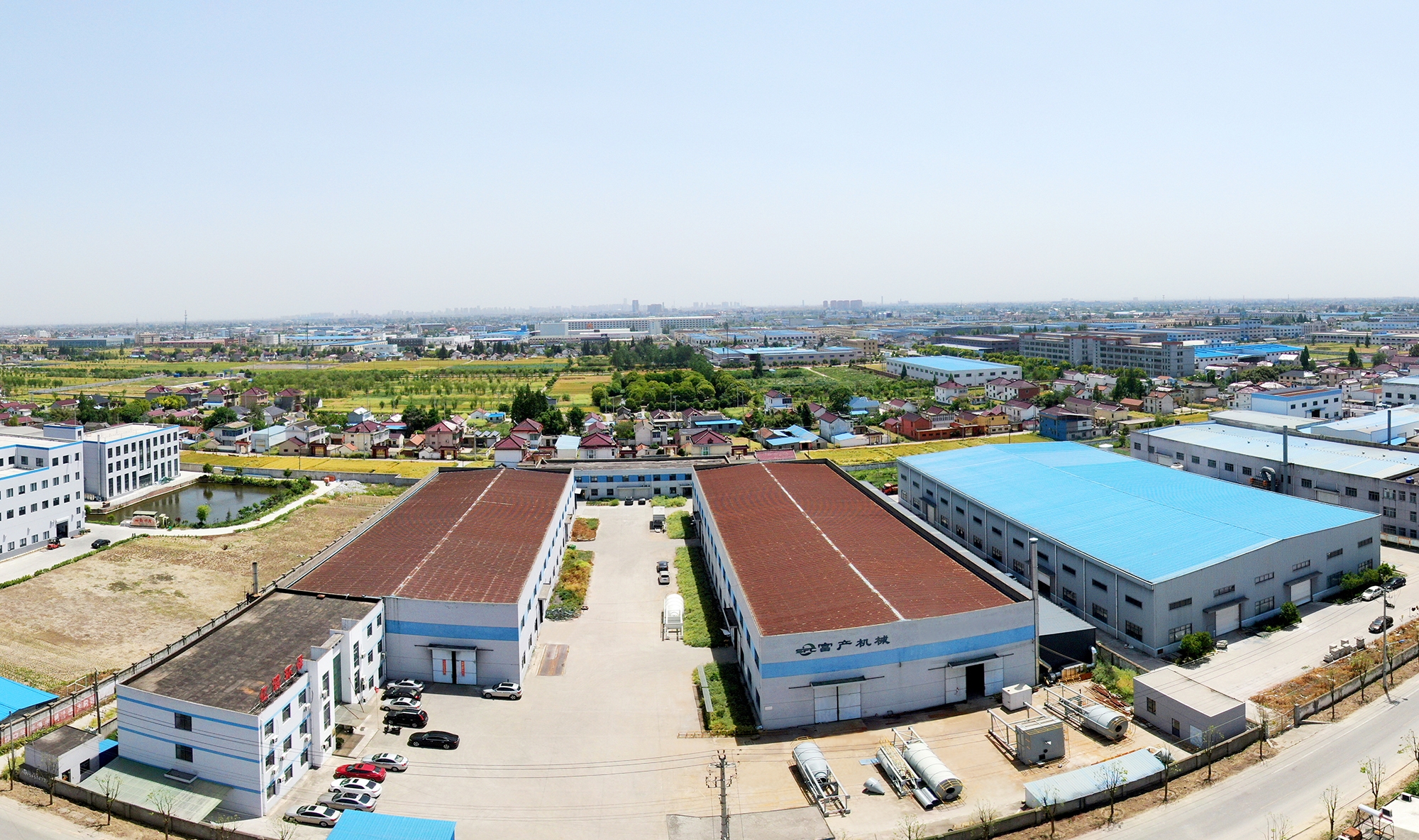
Sludge dewatering equipment is a critical component in modern wastewater treatment, enabling volume reduction, cost savings, and compliance with environmental regulations. As industrial and municipal sludge volumes continue to rise globally, the demand for efficient, reliable dewatering solutions is accelerating. This article examines the current state of sludge dewatering technology, key market dynamics, and how one established manufacturer, Shanghai Fuchan Machinery Technology Co., Ltd., provides comprehensive solutions across the treatment chain.
The Growing Need for Sludge Volume Reduction
Wastewater treatment generates large volumes of sludge with high moisture content, typically exceeding 95%. Transporting and disposing of this wet sludge is expensive and environmentally challenging. Mechanical dewatering reduces sludge volume by 60–85%, turning liquid sludge into a stackable cake that can be incinerated, landfilled, or further dried for resource recovery. Sludge dewatering machines such as belt presses, screw presses, and filter presses are the workhorses of this process, each suited to different sludge types and plant scales. The global sludge dewatering equipment market was valued at USD 5.19 billion in 2024 and is projected to grow to USD 10.16 billion by 2032 (Fortune Business Insights). Asia Pacific held the largest revenue share at 37.57% in 2024, with China alone expected to reach USD 0.87 billion by 2025. This growth is driven by stricter discharge regulations, industrialization, and urbanization across emerging economies.
Integrated Sludge Management by Shanghai Fuchan Machinery
Shanghai Fuchan Machinery Technology Co., Ltd. (SFC Machinery) is a National High-Tech Enterprise established in 2007, located in Pudong New Area, Shanghai. The company specializes in sludge treatment, dewatering, drying, and solid waste resource recovery. SFC Machinery offers a complete line of sludge dewatering equipment including screw press dewatering machines, belt sludge dewatering machines, rotary drum thickeners, high-pressure belt deep dewatering systems, and low-temperature sludge dryers, along with chemical dosing systems. With an annual production capacity of 500 sets and a 25,000 m² facility, the company serves international markets in Southeast Asia, Russia, South America, and the Middle East, with exports accounting for 30% of total sales.
Core Technologies: From Screw Press to Low-Temperature Drying
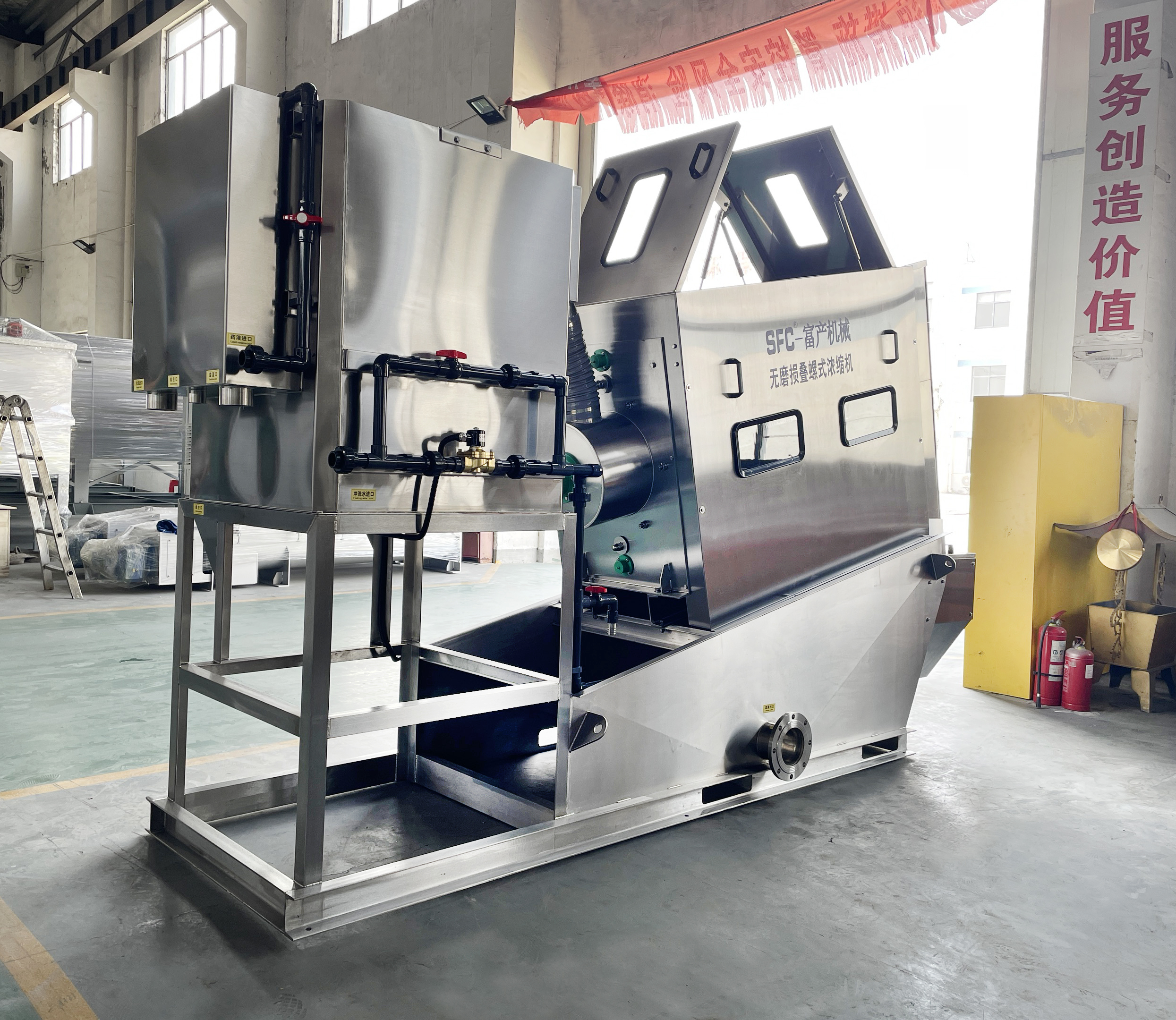
Shanghai Fuchan Machinery’s product portfolio covers the entire sludge treatment chain. The DL Series multi-disc screw press (models DL-101 to DL-404) handles inlet consistency from 0.6% to 5.0% and produces cake with 75–85% water content, suitable for municipal, industrial, and oily sludges. The SRD Series wear-free screw press is engineered for sticky, oily, or high-inorganic-content sludge, reducing wear risk. For high-flow applications, the GDY Series belt thickening and dewatering machine integrates gravity belt thickening and belt press dewatering in a single unit, handling up to 90 m³/h with outlet moisture as low as 75–80%. Rotary drum thickeners (FRDT Series) achieve a solid capture rate of 95% and can concentrate sludge from 0.6–1.5% to 2.5–8% solids. For deep dewatering, the SD Series high-pressure belt press further reduces moisture after primary dewatering, achieving water content as low as 60–70% for downstream drying or incineration. Low-temperature belt sludge dryers (SFC-BSD and SFC-TR Series) use enclosed heat pump technology to reduce volume by up to 70% with low energy consumption and safe operation.
Real-World Applications Across Industries
SFC Machinery’s sludge dewatering systems are deployed in diverse industrial scenarios. In the palm oil industry, screw press dewatering machines (DL-301) handle palm oil mill effluent (POME) and empty fruit bunch sludge in unattended continuous operation, enabling zero-discharge goals. In the pharmaceutical industry, where sludge contains high organic and complex chemicals, the DL-201 screw press stabilizes residues and reduces biological activity before incineration. Automotive parts manufacturing plants with electroplating heavy metal sludge use corrosion-resistant rotary drum machines (FTB-500) with explosion-proof designs. Distilleries and breweries benefit from the integrated thickening, dewatering, and drying process that converts high-organic sludge into dry biomass for alternative fuel. Municipal wastewater treatment plants globally use belt sludge dryers (SFC-BSD) for continuous low-temperature drying to reduce disposal costs.
Market Trends and Technology Comparison
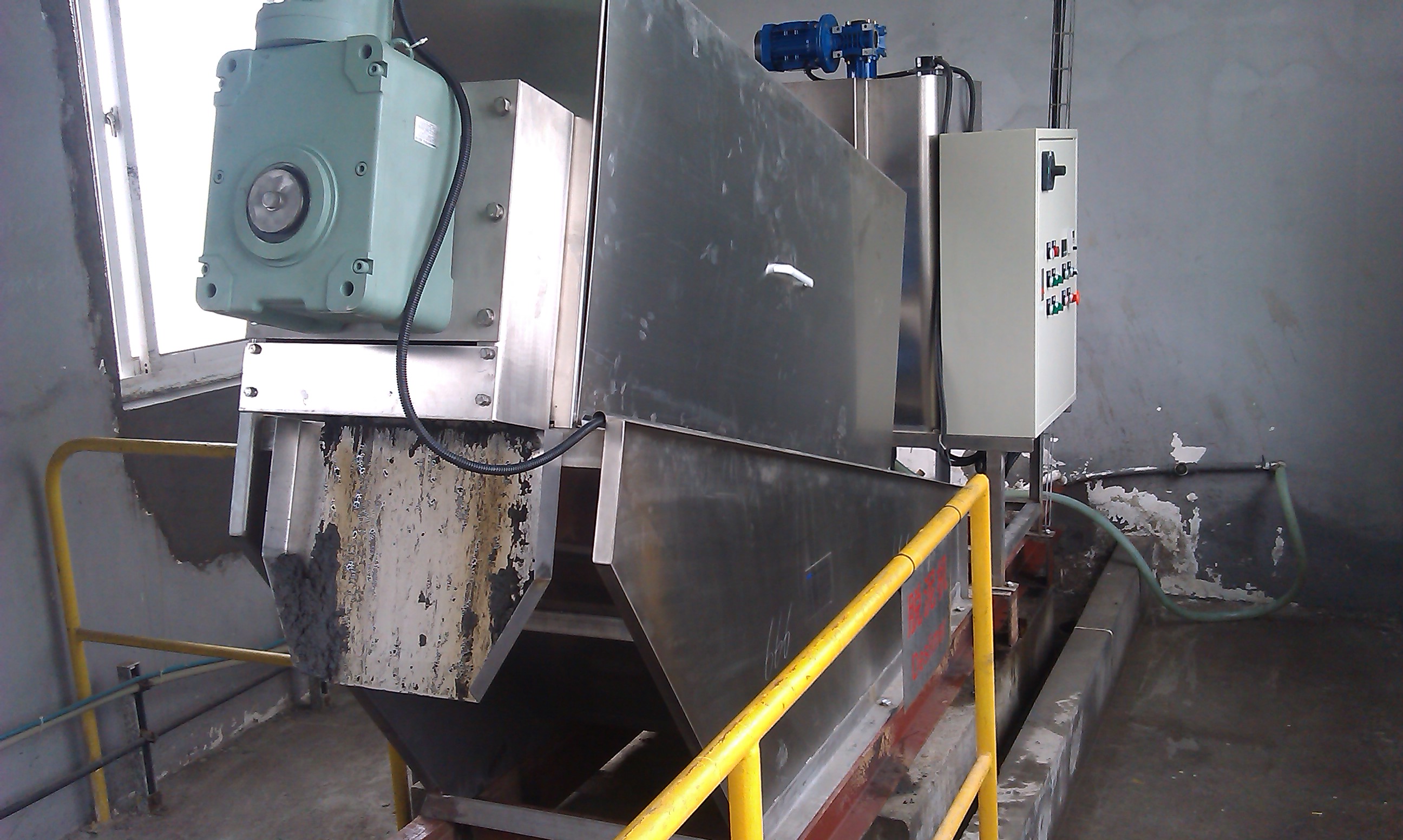
The sludge dewatering equipment market is characterized by a mix of global leaders and specialized regional players. The top five companies (Andritz, Xylem, Alfa Laval, Suez, Veolia) collectively held 35% of the market in 2025 (Global Market Insights). Belt filter presses are projected to grow at a CAGR of 8.8% from 2025 to 2033 (Grand View Research), driven by their widespread use in municipal applications. Compared to traditional sludge filter press or centrifuge solutions, modern wear-free screw presses and belt dryers offer lower energy consumption, simpler operation, and reduced maintenance. One limitation of screw press technology is its relatively lower throughput per unit compared to large belt presses, making it more suitable for decentralized or medium-scale plants. However, for challenging sludge types (oily, sticky, high-inorganic), the wear-free design provides a clear advantage.
Future Outlook: Efficiency and Sustainability
Looking ahead, the industry is moving toward integrated sludge dewatering systems that combine thickening, dewatering, and drying in a single process train. Low-temperature drying with waste heat recovery is gaining traction as a energy-efficient alternative to thermal drying. Manufacturers like Shanghai Fuchan Machinery are likely to continue expanding their modular, fully enclosed designs to meet stricter odor and emission standards. With Asia Pacific dominating market share and China’s investment in wastewater infrastructure, the demand for reliable, cost-effective equipment from experienced suppliers will remain strong.
Frequently Asked Questions
Q: What types of sludge dewatering equipment are most common?
A: The most common types include belt filter presses, screw presses (multi-disc), rotary drum thickeners, and high-pressure deep dewatering systems. Belt presses are widely used in large municipal plants, while screw presses are preferred for low-concentration, oily, or space-constrained installations.
Q: How does a screw press sludge dewatering machine work?
A: A screw press uses a rotating screw inside a cylindrical screen (fixed and moving rings) to convey and compress sludge. As the screw rotates, the volume decreases, squeezing water out through the screen gaps. The dewatered cake is discharged at the end. It operates continuously and requires polymer conditioning for optimal performance.
Q: What is the difference between a belt filter press and a screw press?
A: Belt filter presses use two porous belts to sandwich sludge and apply pressure through rollers. They are high-capacity and suitable for medium to large plants. Screw presses have a smaller footprint, lower energy consumption, and better handle oily or sticky sludge, but have lower throughput per unit.
Q: Can sludge dewatering equipment handle hazardous or corrosive sludge?
A: Yes, equipment can be constructed from corrosion-resistant materials such as SS304 stainless steel and designed with explosion-proof features. Shanghai Fuchan Machinery offers models for pharmaceutical, electroplating, and petrochemical sludges with specialized coatings and seals.
Q: What is the typical moisture content after dewatering?
A: Typical cake moisture after mechanical dewatering is 75–85% for screw presses and belt presses. High-pressure deep dewatering can achieve 60–70% moisture. Belt sludge dryers can further reduce moisture to 10–50% for final disposal or resource recovery.
Q: How long does a screw press last and what maintenance is required?
A: Screw presses with wear-free designs (such as the SRD Series) reduce screw-to-ring wear, extending service life. Routine maintenance includes checking moving parts, lubricating bearings, and cleaning screens. Proper polymer dosing and inlet screening prevent clogging and prolong media life.
For a detailed overview of Shanghai Fuchan Machinery’s sludge dewatering, thickening, drying, and chemical dosing equipment, refer to the product catalog: Download SFC Product Catalog (PDF).