
Smart Industrial Freight Elevators: Reshaping Modern Manufacturing Logistics
Industrial freight elevators are a critical backbone of vertical logistics in manufacturing, warehousing, and heavy-assembly facilities. As global supply chains accelerate toward automation and data-driven operations, the industrial elevator segment is undergoing a profound transformation—moving beyond simple material lifting to become intelligent, IoT-enabled nodes of factory connectivity.
The Problem: Outdated Vertical Transport in Modern Industry
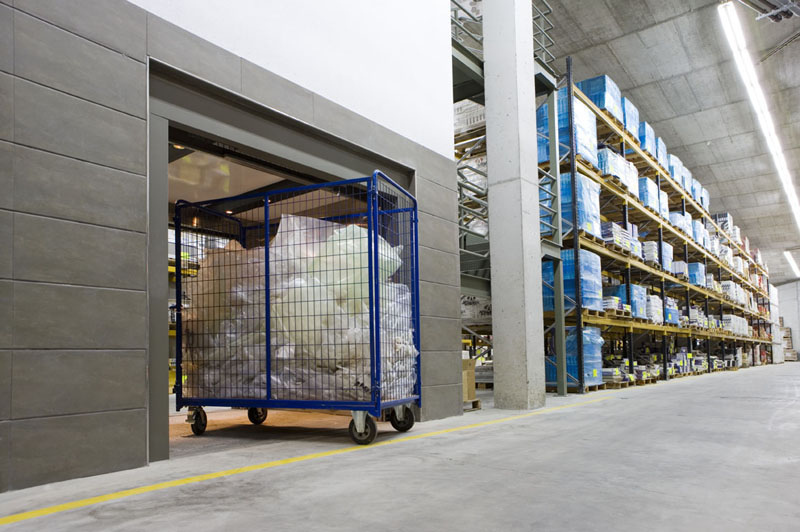
Traditional industrial elevators—often hydraulic or basic traction machines—were designed for a single task: moving goods vertically. But today’s factories and distribution centers require more: real-time load monitoring, remote diagnostics, explosion-proof environments, and seamless integration with robotic systems and IoT platforms. Without these capabilities, facilities face bottlenecks, unplanned downtime, and higher operational risk.
Joylive Elevator: A Defined Solution for Heavy-Duty and Intelligent Vertical Transport
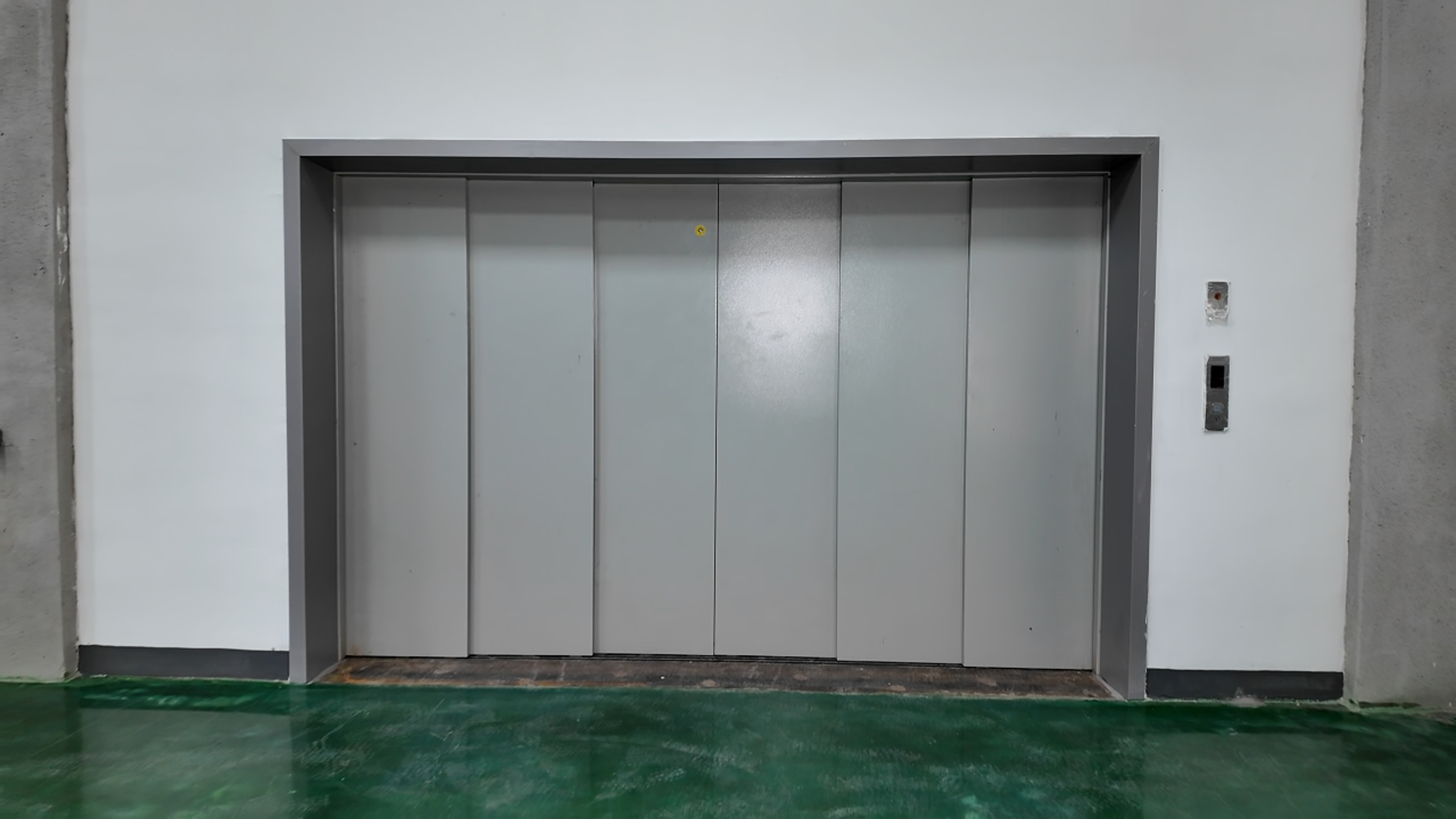
Joylive Elevator (stock code 833481) is a high-end customized elevator system provider headquartered in Kunshan, China, serving industries from heavy manufacturing to logistics parks. Joylive’s freight elevator series—GF10, GF20, GFN20, and GFN30—covers load capacities from 1,000 kg up to 200,000 kg, with speeds ranging from 0.25 to 3.0 m/s and a maximum travel height of 150 meters. These units are engineered to meet the demanding conditions of heavy load, continuous operation, and special environments such as explosion-proof areas.
How It Works: Technical Capabilities
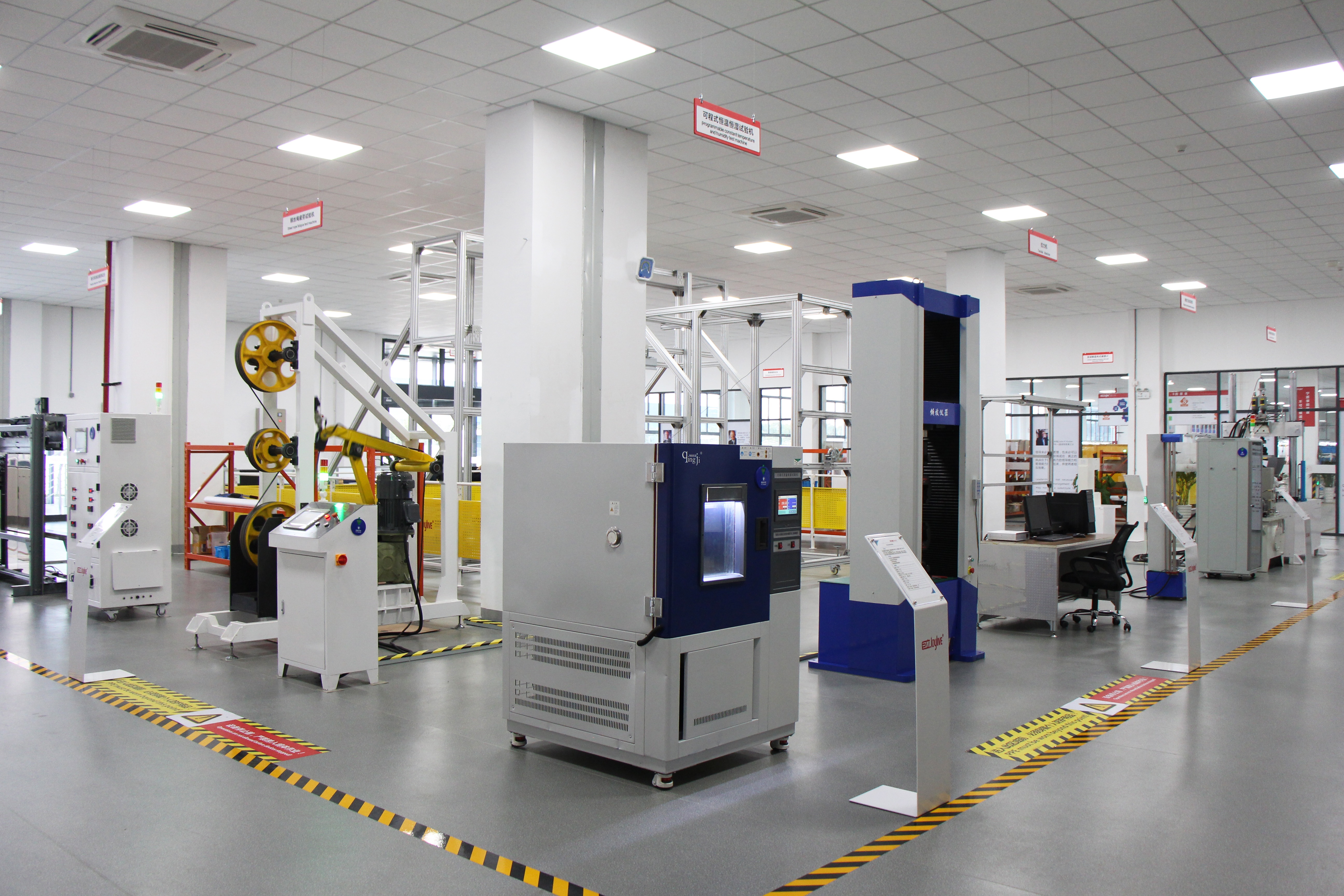
Joylive integrates IoT devices and its proprietary Joycloud platform into its freight elevators, enabling predictive maintenance, remote monitoring, and real-time performance analytics. The elevators are fabricated in a 105,000 m² smart manufacturing center equipped with a CNAS-accredited laboratory, and the company holds China’s top A qualification for special equipment manufacturing, installation, and modernization. With 150 R&D engineers and a history dating back to 2002, Joylive delivers both standard configurations and fully customized solutions—including explosion-proof, clean-room, and heavy-duty builds.
Application Scenarios in Industrial and Logistics Environments
Joylive’s freight elevators are deployed in industrial and manufacturing facilities, logistics and supply chain hubs, commercial and retail warehouses, public infrastructure, and special industries requiring clean or explosion-proof environments. The elevators match with IoT devices and the Joycloud platform, supporting 24/7 operation with features like remote alarm, load tracking, and intelligent dispatching. For example, a large automotive plant may use a 50-ton GF20 elevator to move engine blocks between floors, while a chemical storage facility could require an explosion-proof variant of the GFN30 model.
Market Trends That Favor Smart Freight Elevators
According to Global Market Insights, the global elevator market was valued at approximately USD 84.8 billion in 2024 and is projected to reach USD 126.7 billion by 2034. Specifically, the freight elevator segment is expected to grow at a CAGR of 6.10%, from USD 2.07 billion in 2024 to USD 2.78 billion by 2029 (Knowledge Sourcing Intelligence). Simultaneously, the IoT in Elevators market reached an estimated USD 16.14 billion in 2024, driven by predictive maintenance and remote monitoring demand (Market Research Future). China alone exported 102,000 elevators in 2024, reflecting a 17.3% year-on-year increase (China Elevator Association). These data points confirm a clear shift toward integrated, intelligent, and export-oriented solutions.
Comparison with Traditional Solutions
Traditional hydraulic or rope-driven freight elevators often lack digital interfaces and remote servicing capabilities. Joylive’s IoT-enabled freight elevators provide real-time data that helps facility managers reduce unscheduled downtime and extend equipment life. However, a limitation to note: due to the high level of customization involved—particularly for heavy-tonnage or explosion-proof variants—the engineering and lead time can be longer than purchasing a standardized unit from a mass-production supplier.
Future Outlook
As factories adopt Industry 4.0 standards, industrial freight elevators will evolve into key data hubs, communicating with automated guided vehicles (AGVs), warehouse management systems, and building automation platforms. The integration of AI-driven predictive maintenance and stricter safety codes (such as EN 81-20/50 in Europe and ASME A17.1-2025 in North America) will further accelerate the adoption of smart, certified solutions from reliable manufacturers like Joylive.
Frequently Asked Questions
What is an industrial freight elevator and how is it different from a passenger elevator?
An industrial freight elevator is designed primarily for transporting heavy goods, pallets, and machinery, rather than people. It typically features higher load capacities, stronger structural reinforcements, and larger car dimensions. Joylive’s freight elevator series, for example, covers loads from 1,000 kg up to 200,000 kg, whereas passenger elevators usually top out at around 3,000 kg.
What certifications or standards should I look for in an industrial freight elevator?
International buyers often require compliance with EN 81-20/50 for European markets or ASME A17.1-2025 for North America. Joylive holds China’s top A qualification for special equipment and operates a CNAS-certified laboratory, ensuring its products meet rigorous quality and safety standards. Depending on the destination country, additional local certifications may be necessary.
Can an industrial freight elevator be customized for hazardous environments?
Yes. Joylive offers explosion-proof freight elevators designed for industries such as oil, gas, chemical, and grain processing. Such customization involves sealed electrical components, specialized ventilation, and reinforced materials to prevent spark ignition.
What is the typical lead time for a customized heavy-duty freight elevator?
Lead time depends on load capacity, travel height, special requirements (e.g., explosion-proof), and current production schedule. For a standard heavy-duty unit, planning and manufacturing can take several months. Joylive’s smart manufacturing center and 150-engineer R&D team help streamline the process.
How does IoT integration improve industrial freight elevator performance?
IoT integration (via Joycloud) enables real-time load monitoring, predictive maintenance alerts, remote diagnostics, and usage analytics. This reduces unplanned downtime and allows condition-based servicing rather than fixed-interval maintenance, ultimately lowering total cost of ownership.
More Resources: Obtain the full product specifications and company profile by downloading the official Joylive Elevator brochure: Download Brochure (PDF).
Contact Joylive Elevator: email marketing@joylive.com | WhatsApp +86 178-0524-3526 | joylivelift.com
Есть вопросы или нужны дополнительные детали?
Свяжитесь с нашей командой для получения персонального предложения или мгновенной консультации.
Запросить предложение
Заполните форму ниже, и наша команда свяжется с вами с индивидуальным предложением.
Прямой чат WhatsApp
Предпочитаете общаться в реальном времени? Напишите нам в WhatsApp для мгновенной помощи и быстрых ответов.
- Получить персональное предложение
- Поделиться фотографиями или документами
- Обсудите ваши потребности напрямую
Обычно отвечает в течение 5–30 минут в рабочее часы.