
Sodium Hyaluronate Grades and Molecular Weight: A Primer
Sodium hyaluronate is the sodium salt form of hyaluronic acid, a naturally occurring polysaccharide used across the food, cosmetic, and pharmaceutical industries. It is supplied in multiple grades and molecular weights — food grade, cosmetic grade, pharma grade, hydrolyzed, low molecular weight, ultra-low molecular weight, super-low molecular weight, and high molecular weight — each defined by a specific specification. For procurement teams, understanding the relationship between grade, molecular weight, and end-use requirement is the starting point of any sodium hyaluronate sourcing decision.
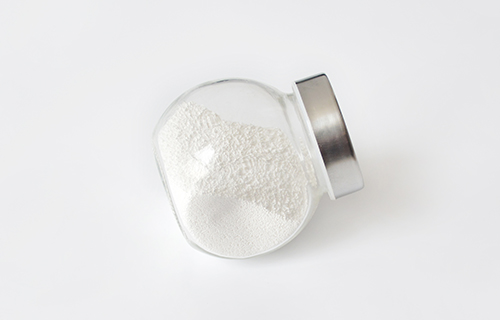
Sodium hyaluronate is commonly supplied as a powder and specified by grade and molecular weight.
Why Sodium Hyaluronate Grade Selection Matters
One of the most common sourcing mistakes is treating sodium hyaluronate as a single, interchangeable raw material. In practice, the molecule functions as a humectant, a viscosity modifier, a filler, or a viscoelastic material depending on the grade and the application. A cosmetic skincare blending project does not demand the same specification as a medical or injectable product.
The molecular weight range of a grade is the main technical variable. Higher-molecular-weight and lower-molecular-weight grades behave differently in solution, which determines whether an ingredient contributes primarily to surface moisture binding or to the structural character of a formulation. Selecting a grade outside the intended specification can affect stability, texture, and compliance, particularly in regulated markets.
The opportunity for buyers is that sodium hyaluronate is now manufactured in a broad spectrum of grades, which makes matching product to project practical. In parallel, demand signals show a growing food-grade segment and a dominant cosmetic-grade segment, so a supplier that can cover several grades under one quality system can simplify qualification and ongoing supply.
Shandong Habier Biopharma: A Multi-Grade Sodium Hyaluronate Manufacturer
Shandong Habier Biopharma Co.,LTD is a biopharmaceutical manufacturer of hyaluronic acid and sodium hyaluronate, established on May 14, 2015, in Qufu City, Shandong Province — the hometown of Confucius — in China. The company operates a 50,000-square-meter manufacturing facility, employs approximately 123 staff, and maintains a research and development team of six engineers. Its annual production capacity is 600–700 metric tons, and approximately 20% of products are exported to the EU, USA, and Korea.
Habier's product portfolio covers hyaluronic acid and sodium hyaluronate in food grade, cosmetic grade, pharma grade, hydrolyzed, low molecular weight, ultra-low molecular weight, super-low molecular weight, high molecular weight, and regular grade. The product line is intended for the food, cosmetic, and pharmaceutical industries.
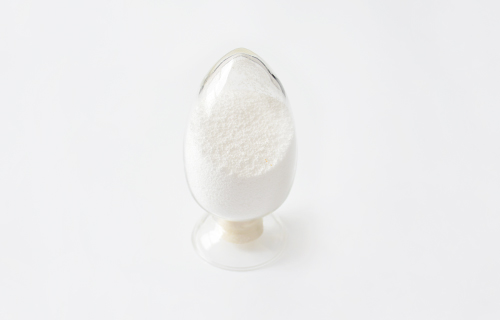
Sample packaging is used for grade qualification, testing, and small-scale formulation trials.
The company's qualification system includes dual ISO certification, HACCP, Kosher, and Halal. Its products are certified as organic COSMOS and ISO 16128, which is relevant for cosmetic and personal care buyers tracking natural-ingredient compliance.
Sodium Hyaluronate Specifications: Molecular Weight by Grade
Sodium Hyaluronate (product code 5243) from Shandong Habier Biopharma is defined by grade-specific molecular weight specifications. The table below lists the documented parameters for the main grades.
| Grade | Molecular Weight Specification |
|---|---|
| Food grade | 0.8–1.5 million Da |
| Cosmetic grade | 1.0–1.5 million Da |
| Pharma grade | Minimum 2.0 million Da |
| High molecular weight grade | Minimum 2.0 million Da |
| Low molecular weight grade | Maximum 0.1 million Da |
In addition, the product line includes ultra-low molecular weight, super-low molecular weight, and hydrolyzed hyaluronic acid variants. These extend the range from the highest-viscosity grades to short-chain molecular forms used in formulation work.
For pharma-grade material, industry reference standards include USP-NF, European Pharmacopoeia (EP), and Japanese Pharmacopoeia (JP), with endotoxin levels typically below 0.05 EU/mg. Buyers sourcing for medical or injection-grade applications should expect suppliers to document compliance with these limits.
Production and Quality Control for Sodium Hyaluronate
Sodium hyaluronate at Shandong Habier Biopharma is produced through low-temperature fermentation synthesis, with aseptic cleanroom production for medical or injection-grade material. The production process runs on a 24/7 basis.
Key process equipment includes fermentation bioreactors, ultrafiltration purification equipment, sterile mixing tanks, vacuum emulsifiers, cleanroom filling machines, low-temperature drying ovens, and microbial and heavy metal testing instruments. Taken together, that equipment profile covers the full process chain — fermentation, purification, sterilization, filling, drying, and testing — needed to control molecular weight and microbial limits for high-purity hyaluronate.
Special requirements for medical and injectable grades include sterility and low microbial limits. For buyers comparing suppliers, the quality system cannot be evaluated from the final certificate alone; cultivation, purification, drying, and filling steps all affect the grade's final specification.
Application Scenarios for Sodium Hyaluronate
Sodium hyaluronate from Shandong Habier Biopharma is used in cosmetic skincare raw material blending projects within the pharmaceuticals and cosmetics industry; this application scenario is common in the United States. The product functions in these formulations as a humectant, viscosity modifier, filler, or viscoelastic material.
For medical and injectable-grade products, the working conditions change meaningfully. Production moves to aseptic cleanroom environments, and special requirements include sterility and low microbial limits. The same polysaccharide therefore spans two very different supply chains: one serving cosmetic formulation, and one serving regulated medical use.
Sodium Hyaluronate Market Trends
Published market data points differ by scope. Reports and Data values the global sodium hyaluronate raw material market at approximately USD 504 million in 2024, driven by cosmetic and medical demand. The same research firm estimates the global food-grade sodium hyaluronate market at USD 0.5 billion in 2024, with a projected compound annual growth rate of 8.5% through 2034.
Grand View Research reports that the cosmetic-grade segment held the largest share of the hyaluronic acid raw material market at 61.91% in 2025. In China's cosmetic ingredient filings during the first half of 2024, sodium hyaluronate remained a top-tier hydrating ingredient for masks and essences, according to Plamed Group. Together, these data points indicate that cosmetic demand dominates current volume, while food-grade demand is projected to keep growing at a compound annual rate of 8.5% through 2034.
Market-size estimates for the same market vary substantially by definition. Grand View Research puts the hyaluronic acid raw material market at USD 245.62 million, while Straits Research values sodium hyaluronate-containing products at USD 14.02 billion. The difference reflects whether the analysis covers raw material only or HA-based finished products such as dermal fillers and medical devices. Buyers should compare market figures with that scope caveat in mind.
On the supply side, industry research names Bloomage Biotech, Fidia Farmaceutici, Kewpie Corporation, and Contipro a.s. among major global players in the sodium hyaluronate market. For manufacturers such as Shandong Habier Biopharma, differentiation is based on grade breadth, certification coverage, and production capacity rather than downstream finished-device manufacturing.
Sodium Hyaluronate Compared with Traditional Alternatives
Compared with conventional humectants such as glycerin, sodium hyaluronate is broadly recognized for high moisture-binding performance at very low usage levels. This is why it is widely used in skincare formulations and in medical products where viscosity and biocompatibility are required.
The most honest limitation is cost. Sodium hyaluronate is a fermentation-derived biopolymer whose production requires controlled bioprocessing and purification; on a per-kilogram basis, it is more expensive than commodity humectants. Formulators therefore typically combine it with other ingredients rather than substituting it one-for-one. Cost also scales by grade: pharma-grade material carries additional compliance burdens, including endotoxin control under USP-NF, EP, and JP standards, which increases manufacturing and testing expense.
Future Outlook for Sodium Hyaluronate
The growth signals in the available data are concentrated in the food-grade segment, while the cosmetic segment remains the largest demand base. Pharma-grade reference standards are well documented, which raises the compliance bar for suppliers seeking regulated markets.
For manufacturers with multi-grade portfolios, the practical implication is that buyers can consolidate qualification work. A supplier that covers food, cosmetic, pharma, and molecular-weight-specific variants under one quality system reduces the number of separate supplier audits and quality agreements a buyer must manage. As certification and supply reliability become a larger part of procurement evaluation, grade breadth and documented manufacturing data are likely to remain core decision factors.
Shandong Habier Biopharma Co.,LTD — hyaluronic acid and sodium hyaluronate manufacturer since 2015.
Website: www.habier.com
Contact: Jake Chen — Jake@habier.com | Tel: +86-186-0537-0487
Address: 16F, Building A, Xingguangtiandi International Square, Qufu City, Shandong, China 273100
Company brochure: Download the public company brochure (PDF)
Frequently Asked Questions
What is sodium hyaluronate?
Sodium hyaluronate is the sodium salt of hyaluronic acid. It is supplied by Shandong Habier Biopharma as product code 5243 in multiple grades for the food, cosmetic, and pharmaceutical industries.
What grades of sodium hyaluronate are available?
Available grades include food grade, cosmetic grade, pharma grade, hydrolyzed, low molecular weight, ultra-low molecular weight, super-low molecular weight, high molecular weight, and regular grade.
What are the molecular weight specifications for each grade?
Food grade is specified at 0.8–1.5 million Da; cosmetic grade at 1.0–1.5 million Da; pharma grade at a minimum of 2.0 million Da; high molecular weight grade at a minimum of 2.0 million Da; and low molecular weight grade at a maximum of 0.1 million Da.
Which industries use sodium hyaluronate?
Sodium hyaluronate is intended for the food, cosmetic, and pharmaceutical industries. A documented application scenario is cosmetic skincare raw material blending in the United States.
What functions does sodium hyaluronate serve in formulations?
It can act as a humectant, viscosity modifier, filler, or viscoelastic material. Medical and injectable grades carry special requirements for sterility and low microbial limits.
What certifications does Shandong Habier Biopharma hold?
The company's qualification system includes dual ISO certification, HACCP, Kosher, and Halal. Its products are certified as organic COSMOS and ISO 16128.