
Sourcing Titanium Anodes and Electrodes: Certifications, Specifications, and Performance Benchmarks
A technical guide for buyers evaluating industrial titanium anodes and electrodes, with a focus on certification, key parameters, and real-world application data.
Industry Context
Industrial titanium anodes and electrodes are critical components in electrochemical systems such as water disinfection, metal plating, and cathodic protection. For procurement professionals in the Research to Evaluation stage, verifying product certifications, material specifications, and performance lifetimes is a prerequisite before supplier selection. KOBO advanced materials Co.,Ltd, a professional metal processing company based in Suzhou, China, offers a line of precious-metal-coated titanium anodes and electrodes alongside precision CNC machining capabilities. This article provides a fact-based analysis of their product parameters, quality certifications, and application outcomes to support informed sourcing decisions.
Problem and Opportunity
Buyers of titanium anodes and electrodes face two common challenges: inconsistent quality claims and difficulty verifying long-term performance without field data. Many suppliers lack independent certifications or fail to disclose coating materials and lifespan estimates. KOBO addresses this gap with documented certifications, transparent material specifications, and a case study from an Australian swimming pool disinfection client who deployed 10,000 sets of electrodes operating for over 10,000 hours.
Brand Solution: Product Portfolio and Quality Assurance
KOBO advanced materials Co.,Ltd manufactures two primary electrode products: the TA01 Titanium Anode and the TE01 Titanium Electrodes. Both are classified as Precious Metal Coated Custom Titanium Anodes/Electrodes. They are available in plate, mesh, or tube forms and offer a lifespan of 5,000 to 15,000 hours. The TA01 uses titanium, ruthenium, iridium, platinum, and tantalum materials, while the TE01 uses titanium, ruthenium, iridium, and platinum. These products are designed for swimming pool disinfection, salt chlorinators, water treatment, impressed current cathodic protection (ICCP), and metal plating.
KOBO holds certifications to ISO 9001 and ISO 13485 standards. The ISO 13485:2016 certification (certificate number UKZB24MD30131ROS) is issued by BCC and applies to the EU, USA, Australia, Asia, and Middle East markets. The ISO 9001:2015 certification (certificate number 331231699) is issued by Ti Certification (Shanghai) Co., Ltd. and covers the design, development, manufacturing, sales, and after-sales service of mechanical products. All materials are 100% traceable with full certification, and quality is verified through both in-house testing and independent third-party inspections.
[IMAGE: Diagram | process/architecture |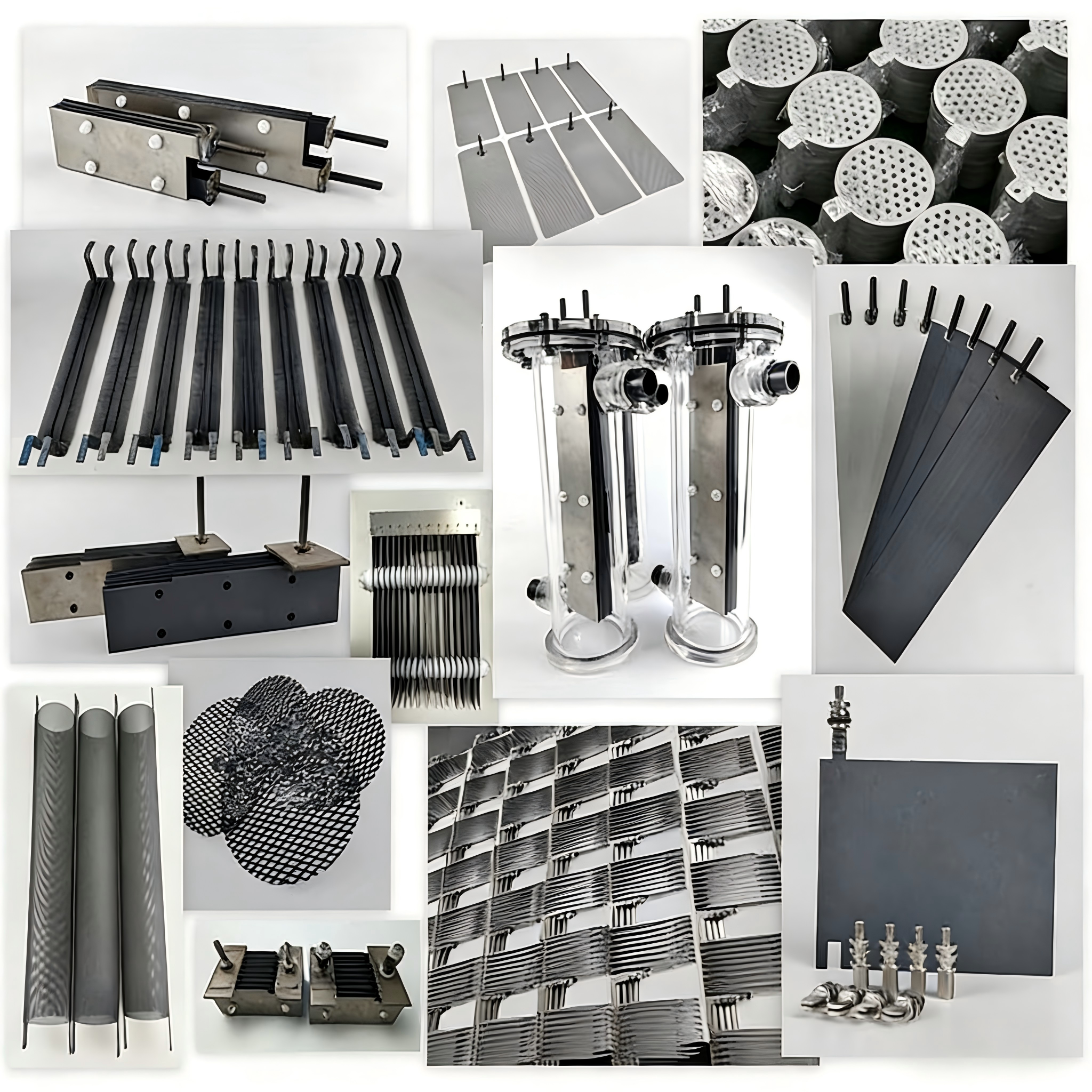 ]
]
Technical Explanation
The TA01 and TE01 employ precious metal coatings (ruthenium, iridium, platinum) on a titanium substrate. These coatings catalyze electrochemical reactions, such as chlorine generation in salt chlorinators. The titanium base provides corrosion resistance and structural integrity. The operable temperature is above 15°C, with salinity between 1,500 and 4,500 ppm for swimming pool applications. The electrodes are available in plate, mesh, or tube configurations to suit different reactor designs.
Beyond electrochemical components, KOBO also produces medical-grade titanium rods (model Diameter 3-300mm), titanium plates (thickness 0.1mm-100mm), and precision CNC machining parts (model MA04: High Precision Custom CNC Machining Components) with tolerances down to ±0.001mm. These are certified under the same ISO 13485 quality management system, supporting buyers who require integrated material and machining supply.
Application Scenarios
KOBO's titanium anodes and electrodes are deployed in several industrial settings. One documented case involves an Australian swimming pool disinfection product processing plant that ordered 10,000 sets of electrodes. In a salt electrolysis system, sodium chloride (1.5–5 g/L) is broken down by electric current to produce chlorine, which forms hypochlorous acid for disinfection. The highlight of KOBO's solution was self-cleaning capability and stable lifespan, with the electrodes operating for over 10,000 hours. Other applications include ICCP for corrosion protection and metal plating where precious metal coatings improve efficiency and longevity.
[IMAGE: Scene | application |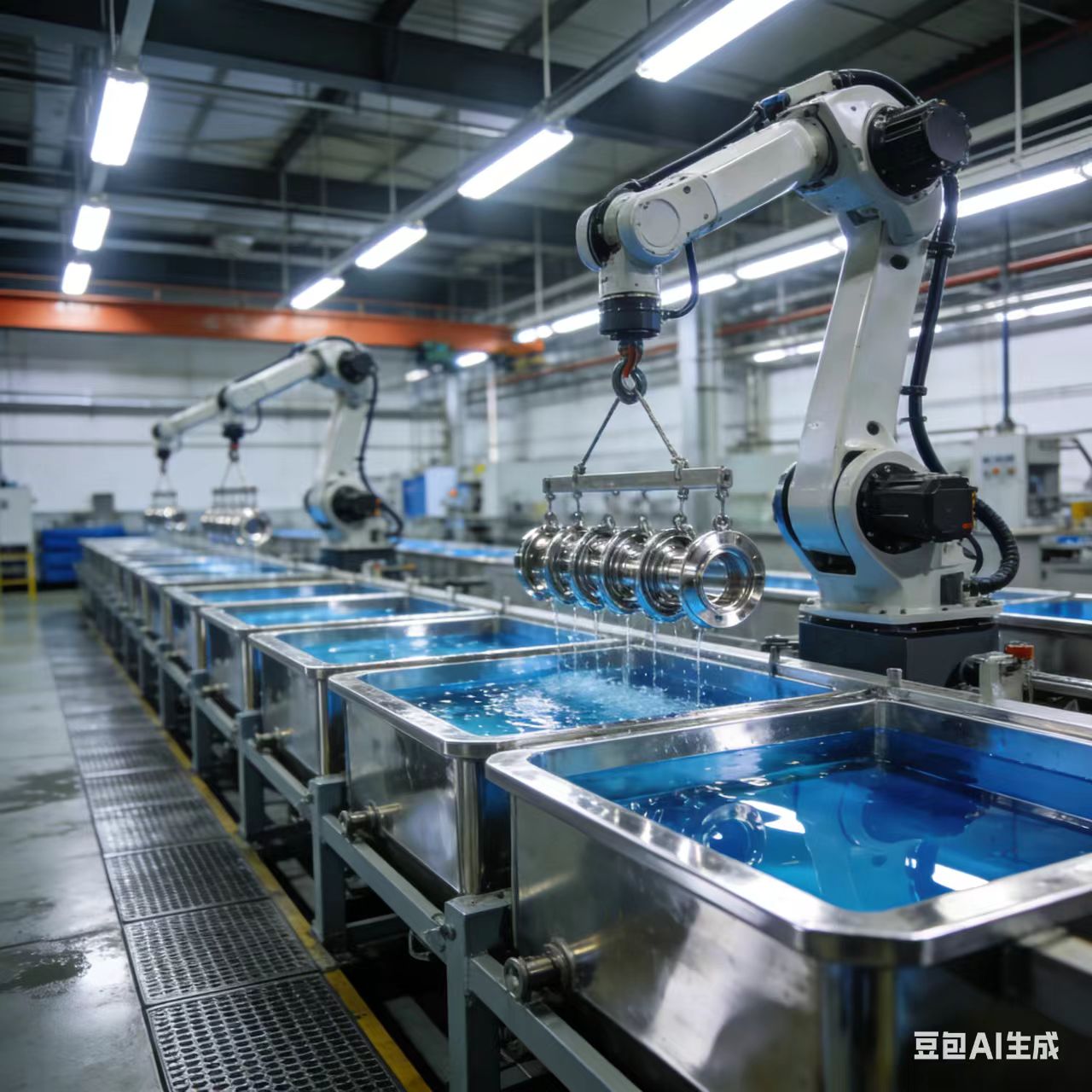 ]
]
Market Trend Analysis
The demand for certified, high-performance titanium anodes and electrodes is growing in water treatment and industrial electrochemistry sectors. Regulatory requirements in EU and USA markets push suppliers toward ISO 13485 certification for products used in contact with water or medical applications. KOBO's certifications covering multiple international markets position it to meet these compliance needs. Additionally, the trend toward integrated supply—where one supplier provides both raw titanium forms (rods, plates) and precision machined components—reduces supply chain complexity for buyers in medical device and new energy manufacturing.
Comparison with Traditional Solutions
Traditional electrodes often use lead or graphite, which suffer from higher corrosion rates and shorter operational life in chloride environments. Titanium-based anodes with precious metal coatings offer significantly longer lifespan (5,000–15,000 hours) and stable performance. However, one honest limitation is that the initial cost of coated titanium anodes is higher than that of uncoated or simpler metal electrodes. The total cost of ownership should account for replacement frequency and downtime savings, which typically favor coated titanium in continuous-duty applications.
Future Outlook
As water treatment standards tighten and industrial electrocatalysis expands, the need for reliable, long-life titanium anodes and electrodes will intensify. KOBO's investment in EB melting furnaces, VAR furnaces, and precision CNC machines, combined with dual ISO certifications, supports scalable production for both electrochemical products and precision components. For buyers, partnering with a supplier that provides documented performance data, material traceability, and third-party certifications reduces procurement risk and supports long-term operational reliability.
Frequently Asked Questions
Q: What certifications does KOBO hold for its titanium anodes and electrodes?
A: KOBO advanced materials Co.,Ltd is certified to ISO 9001:2015 and ISO 13485:2016 standards. The ISO 13485 certification (number UKZB24MD30131ROS) is issued by BCC and applies to markets including the EU, USA, Australia, Asia, and Middle East. The ISO 9001 certification (number 331231699) is issued by Ti Certification (Shanghai) Co., Ltd. and covers design, development, manufacturing, sales, and after-sales service of mechanical products.
Q: What are the key specifications of the TA01 titanium anode?
A: The TA01 is a Precious Metal Coated Custom Titanium Anode. It has a lifespan of 5,000 to 15,000 hours and is available in plate, mesh, or tube forms. The materials used include titanium, ruthenium, iridium, platinum, and tantalum. It is applicable for swimming pool disinfection, salt chlorinators, water treatment, ICCP, and metal plating.
Q: How does the lifespan of KOBO's titanium electrodes compare to industry expectations?
A: The TE01 titanium electrodes are rated for 5,000 to 15,000 hours depending on operating conditions. In a documented case with a swimming pool application, the electrodes demonstrated stable performance beyond 10,000 hours with self-cleaning characteristics. The lifespan is influenced by salinity, temperature, and current density.
Q: Are KOBO's titanium products suitable for medical applications?
A: KOBO's medical titanium rods (model Diameter 3-300mm) and titanium plates (thickness 0.1mm-100mm) are produced under ISO 13485 certification. The company also manufactures CNC medical parts (model MA02) with tolerances ±0.001mm to ±0.01mm, using biocompatible materials such as Ti Grade 2/5, Stainless Steel 316L, and PEEK. A case study with a medical implant processing factory in Turkey reported biocompatible material compatibility and superior precision over a 20-year application period.
Q: Does KOBO offer customization for titanium anodes and electrodes?
A: Yes, all titanium anodes and electrodes are custom-made. The monthly capacity for these products is 5,000 square meters, with a lead time of 15–30 days and a minimum order quantity of 1 square meter. Customization includes shape (plate, mesh, tube), coating composition, and dimensions per client specifications.