
Sourcing for Medical Users: How Genius Weft Hair Extensions and Human Hair Wigs Address Alopecia & Hair Loss
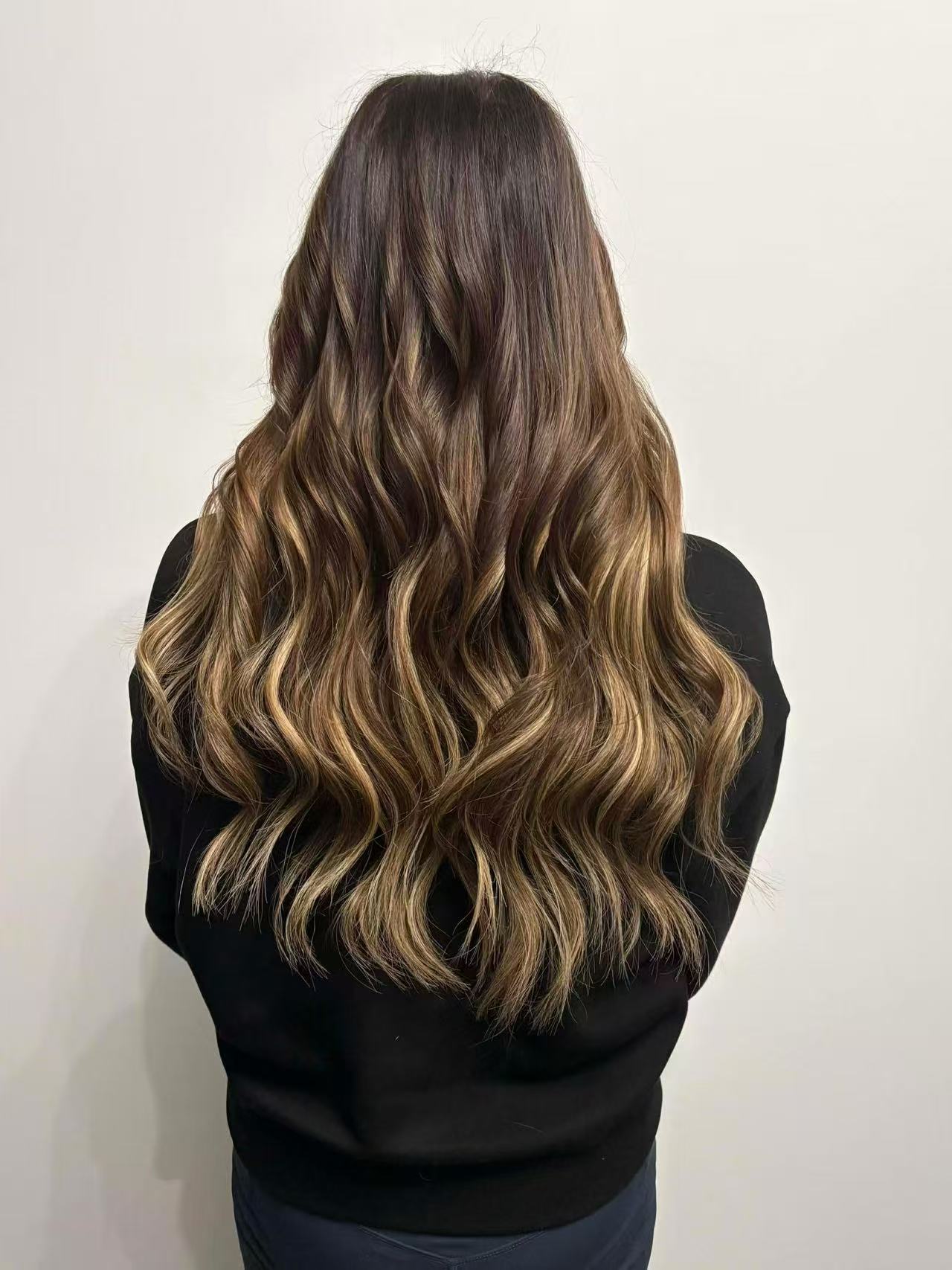
The market for medical-grade hair solutions is expanding rapidly. For salon owners, wholesalers, and medical professionals sourcing products for clients with alopecia, chemotherapy-related hair loss, or thinning hair, the choice of supplier can directly affect clinical outcomes and client satisfaction. Dolas Dream Crafts Co., Ltd., a Qingdao-based manufacturer established in 2015, has positioned itself as a supplier of Genius weft hair extensions, human hair toppers, and medical wigs—offering a range of products engineered for the specific needs of medical users.
Problem & Opportunity
Hair loss from medical treatments or autoimmune conditions is not just a cosmetic concern—it affects emotional well-being and social confidence. According to Cognitive Market Research, the global medical wigs market was valued at USD 618.05 million in 2024. At the same time, the overall hair wigs and extensions market is projected to grow from USD 15.2 billion (2025) to USD 31.1 billion by 2033 (Grand View Research). Human hair products dominate this segment with a 65.6% revenue share, driven by their natural appearance and styling versatility.
The opportunity lies in bridging the gap between hospital-grade reliability and salon-quality aesthetics. Medical users require hypoallergenic materials, secure attachment, and natural look—attributes that premium hair extension technologies can now deliver.
Brand Solution: Dolas Dream’s Product Portfolio for Medical Users
Dolas Dream Crafts Co., Ltd. manufactures a range of products directly applicable to medical hair loss scenarios. The core offering is the Genius weft hair extension (model lengths: 18–24 inches, weight 50 grams), made from 100% virgin Remy human hair. Additionally, the company produces Silk base human hair toppers (14 inches, silk base with scalp mimic, 50–80 grams) and Silk top Jewish wigs for white women (16 inches, 80–150 grams customizable), both suitable for medical wear. For clients seeking non-weft options, K tip hair extensions and Nano ring hair extensions (18–24 inches, cuticle intact virgin hair) provide alternative application methods.
All products are manufactured in a 1,500 m² facility with 50 employees and a dedicated R&D team of 15 engineers, ensuring consistent quality and customization. The company exports 90% of its output to the USA and EU.
Technical Explanation: Why Genius Weft Technology Suits Medical Needs
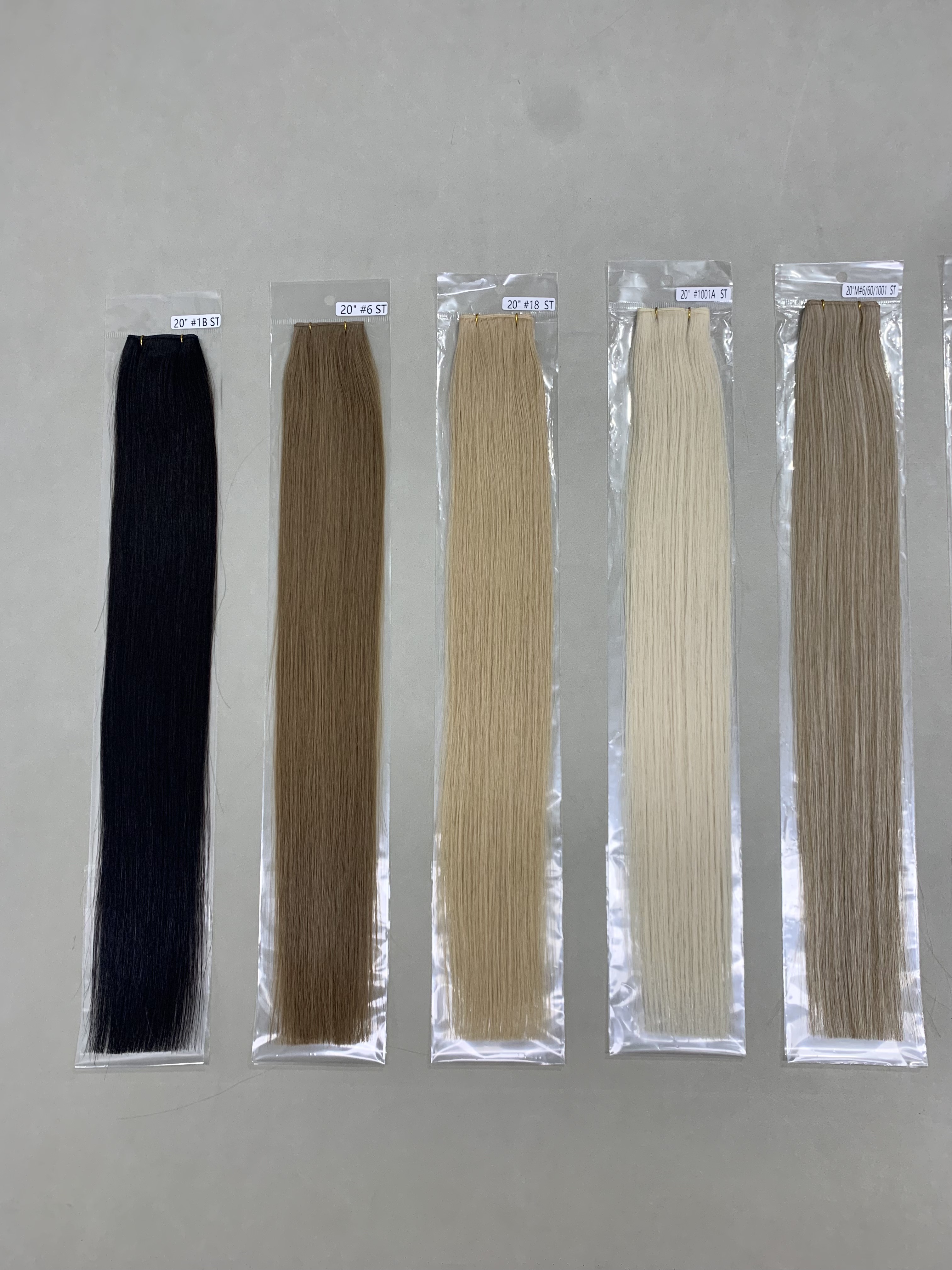
The Genius weft is a hybrid technology that combines the ultra-thin profile of hand-tied wefts (approximately 0.8 mm to 0.9 mm track thickness) with the durability of machine-made wefts. This design allows stylists to cut the weft anywhere without shedding—a critical feature when creating custom shapes for thinning areas or partial coverage. The weft’s thin track reduces tension on fragile hair and scalp, making it suitable for medical patients whose hair may be brittle or sparse.
According to the company’s specifications, the product operates under indoor low-temperature slow processing conditions, requiring standard hair salon tools for installation. The material is cuticle-aligned virgin Remy hair, which minimizes tangling and fading—beneficial for medical users who may need to wear the piece daily for extended periods.
Application & Use-Case Scenarios
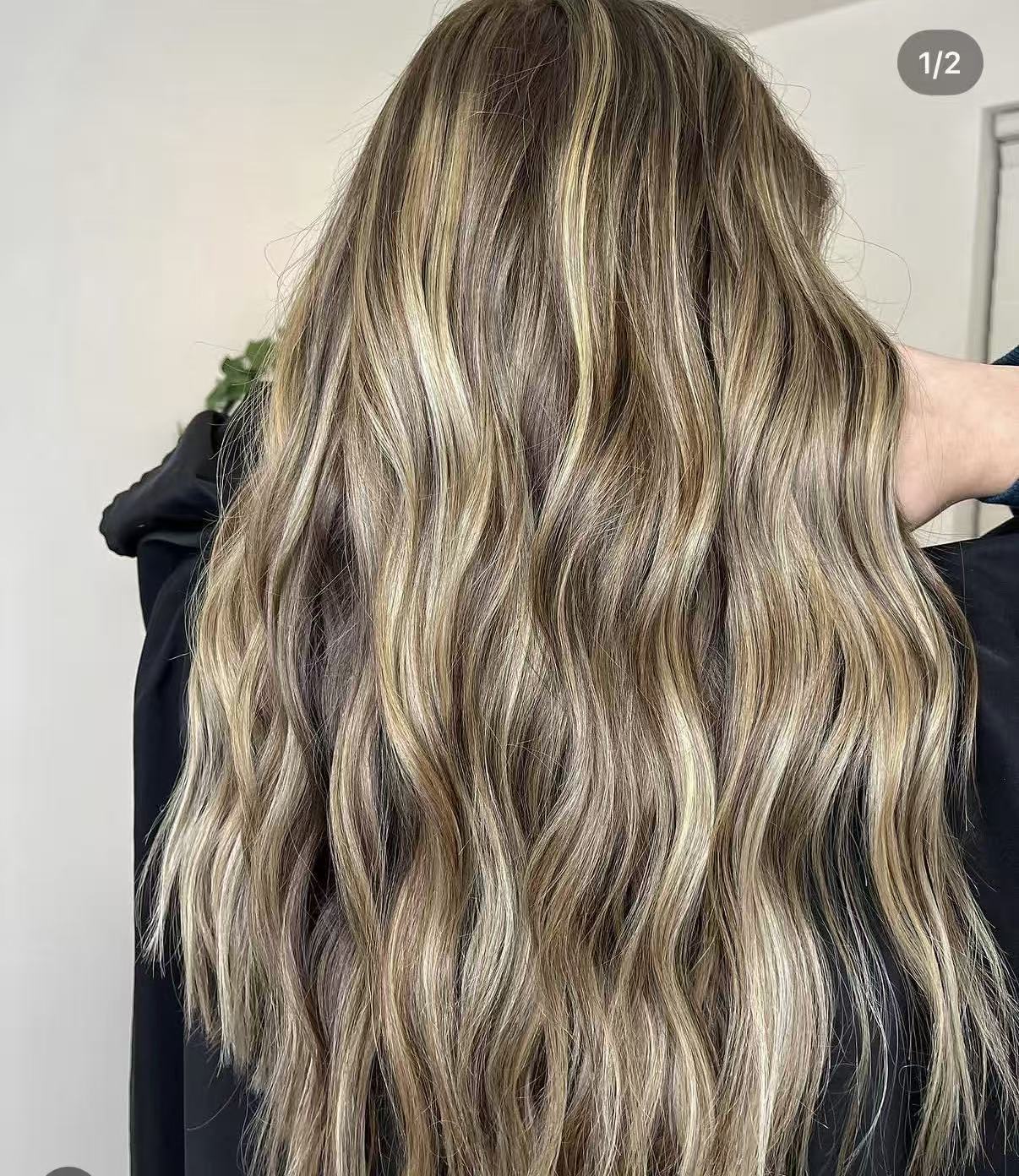
Hair salons serving clients with alopecia or chemotherapy-induced hair loss have adopted Dolas Dream’s products for daily wear and volume restoration. A documented case study shows a salon in the US sourcing 500 units of genius weft extensions over two years to help clients with thin hair and alopecia regain fullness and confidence. The result reported was fuller, stable hair with a natural appearance.
Medical wig wholesalers order silk top Jewish wigs (DLD 16 model) for white women undergoing chemotherapy, as the silk base mimics a natural scalp and reduces irritation. The customizable weight (80–150g) allows adaptation to different head sizes and hair densities. Salon owners also use K tip and nano ring extensions for clients who prefer strand-by-strand application in areas of partial thinning.
The product line specifically addresses hair loss solutions, volume for fine hair, and alopecia—conditions most common among medical users. All products require only proper care similar to natural hair, simplifying maintenance for patients.
Market Trend Analysis
The medical wigs segment is a growing niche within the broader hair industry. The 2024 valuation of USD 618.05 million reflects rising demand from alopecia and cancer patients, particularly as awareness of non-surgical hair restoration options increases. China’s manufacturing clusters in Qingdao and Xuchang produce over 12 million units annually, enabling cost-effective wholesale supply. Dolas Dream’s export ratio of 90% to the US and EU aligns with these markets’ strict quality expectations.
Another trend is the shift toward certified kosher wigs (Sheitels) for Jewish medical users, requiring hair sourcing verification to avoid idolatrous origins. While the company does not explicitly advertise kosher certification, the dedicated Jewish wig product line (silk top, European virgin hair) indicates readiness to serve this requirement.
Comparison with Traditional Solutions
Traditional medical wigs often use synthetic fibers or low-quality human hair, offering limited styling options and shorter lifespan. Dolas Dream’s genius weft and human hair toppers offer a natural look and feel, cuticle alignment for longevity, and customization in color and length. However, an honest limitation is that the installation requires a trained professional or salon visit, adding cost and inconvenience for some medical users who cannot easily travel. Synthetic wigs, while less natural, can be easier to apply and remove independently.
Future Outlook
As the medical wigs market expands, manufacturers like Dolas Dream are likely to face increased demand for ultra-lightweight, breathable bases that can be worn during active medical treatments. The company’s current capacity of 12,000 units per month and lead time of 10–15 days positions it to respond to growing wholesale orders. With a 2–3 year warranty on hair use time, the brand offers post-purchase confidence—a critical factor for medical professionals selecting long-term partners.
The integration of thinner machinery (e.g., sub-0.8 mm wefts) and advanced base materials could further close the gap between comfort and durability, making such products standard in hospital and rehabilitation settings.
Frequently Asked Questions
For a detailed technical overview of product specifications and customization procedures, download the company catalog: Dolas Dream Initial Catalogue (PDF).