
Специализированные закупки пассажирских лифтов: руководство по вертикальной промышленности для высоковостребованных приложений
Specialized Passenger Elevator Procurement: A Vertical Industry Guide for High-Demand Applications
Procuring a passenger elevator for a standard commercial or residential building follows a well-established playbook. However, when the project involves a hospital, a high-rise tower, a luxury residence, or a facility with stringent safety or environmental codes, the procurement process transforms into a highly specialized endeavor. Selecting the wrong supplier can lead to catastrophic failures, non-compliance penalties, and significant operational downtime. This guide is designed for procurement professionals, project managers, and facility planners who need to navigate the complex landscape of sourcing passenger elevators for demanding, non-standard applications. We will dissect industry-specific requirements, establish critical supplier selection criteria, analyze a real-world success story, and provide actionable collaboration advice.
1. Industry-Specific Core Requirements for Passenger Elevators
Beyond speed and capacity, specialized projects impose unique, non-negotiable demands on elevator systems. Understanding these is the first step in defining your Request for Proposal (RFP).
Healthcare & Hospital Elevators
High-Rise & High-Speed Elevators
Luxury Residential & Panoramic Elevators
Public & Heavy-Duty Commercial Elevators
2. Supplier Selection: The 3 Essential Capabilities
Not all elevator manufacturers are created equal for specialized projects. Look beyond basic certifications and evaluate these three core competencies.
2.1 Proven Industry Customization Experience
A supplier must demonstrate a portfolio of completed projects in your specific vertical. Ask for detailed case studies, not just product brochures. For instance, a supplier for hospital projects should show evidence of collaborating with MEP (Mechanical, Electrical, Plumbing) contractors and understanding hospital workflow integration. A company like Joylive Elevator leverages over 20 years of deep expertise to provide global customers with truly customized elevator system solutions, from initial design through to whole-lifecycle management, a critical differentiator for complex projects.
2.2 Comprehensive Compliance & Certification Portfolio
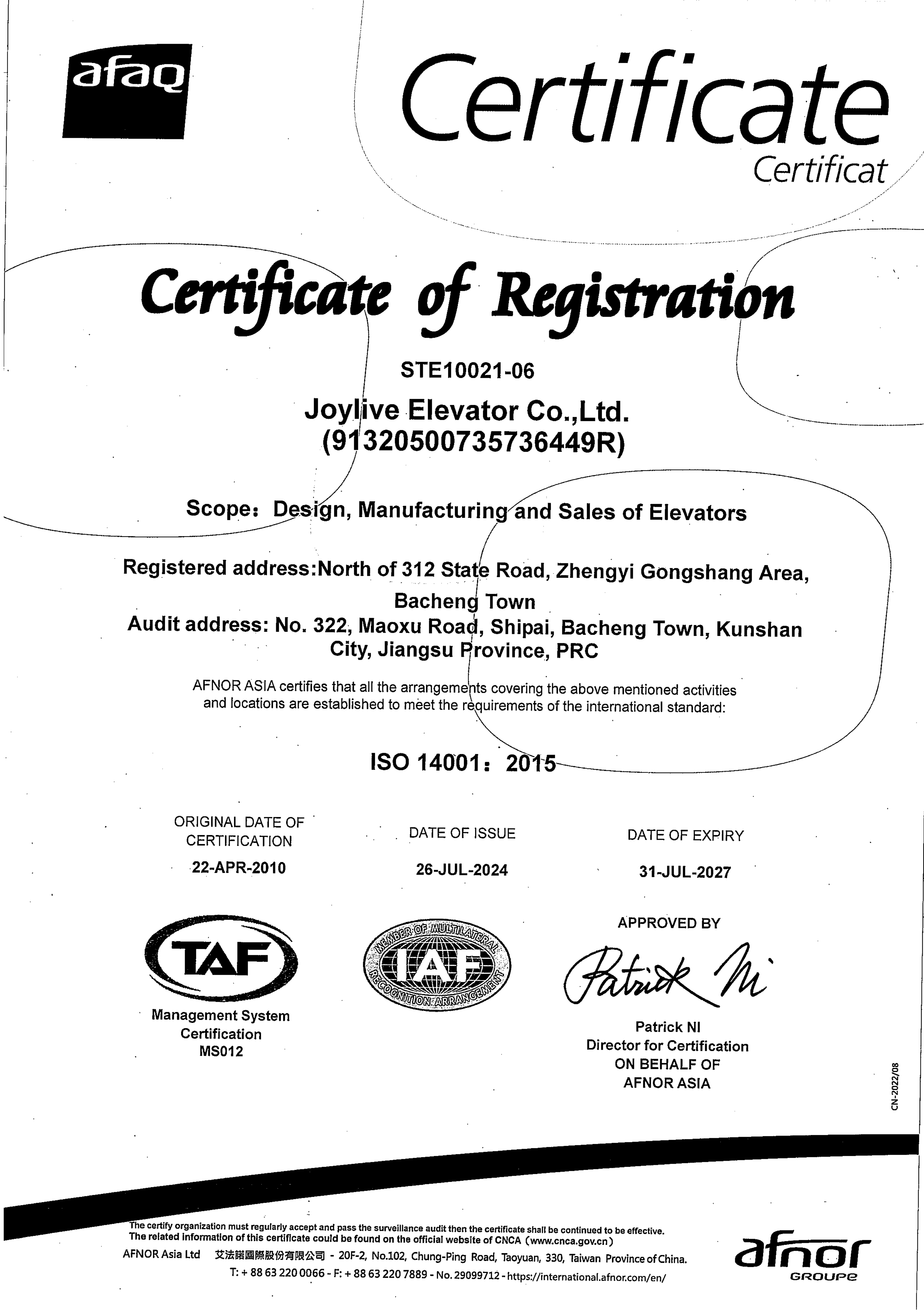
Certifications are your legal and safety shield. The bare minimum is a top-tier national manufacturing license (e.g., China's Class A license). For international projects, the following are paramount: CE Marking (EN 81-20/50) ISO 9001 (Quality Management) ISO 14001 (Environmental Management).
For energy efficiency, look for VDI 4707 Grade A and ISO 25745-2 certifications. Joylive holds these certifications, evidenced by their CNAS-accredited laboratory which validates performance claims—a sign of a serious, quality-driven manufacturer, not just an assembler.
2.3 Robust Engineering for Demanding Environments
The supplier's design and manufacturing philosophy must account for real-world stress. This includes:
- Advanced Drive Systems: Geared or gearless machines with variable voltage variable frequency (VVVF) controls for unparalleled smoothness and accuracy, crucial for hospital leveling.
- Redundancy & Safety: Dual braking systems, backup communication lines, and fire-rated landing doors.
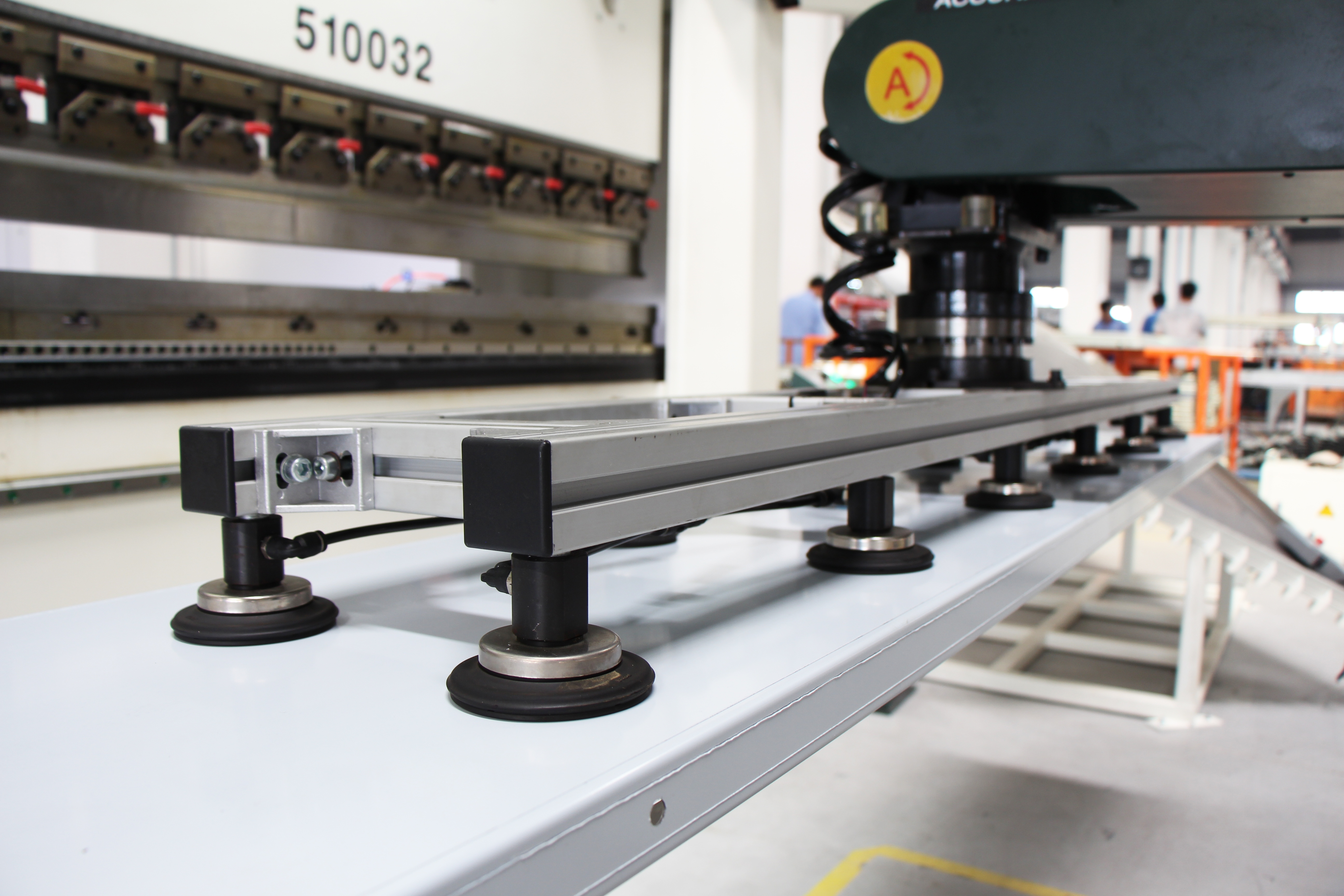
- Smart Manufacturing: A visit to the supplier's factory is revealing. Automated production lines and rigorous testing, like those at Joylive's smart manufacturing center, ensure consistency and quality that manual assembly cannot match.
3. Success Case Study: A Custom Hospital Elevator Solution
Project: Regional Tertiary Care Hospital, Southeast Asia
Client Challenge: The hospital needed to retrofit 12 patient bed elevators in an existing wing. The constraints were severe: limited shaft dimensions, the need for 24/7 operational uptime during installation, and compliance with both local health codes and international IEC 60601-1 medical equipment standards for electromagnetic compatibility.
Supplier & Solution: Joylive Elevator was selected after a rigorous tender process. Their solution involved:
- Custom Machine-Room-Less (MRL) Design: Maximized shaft space for a larger car interior (1600kg, 2100mm deep) while eliminating the need for a separate machine room.
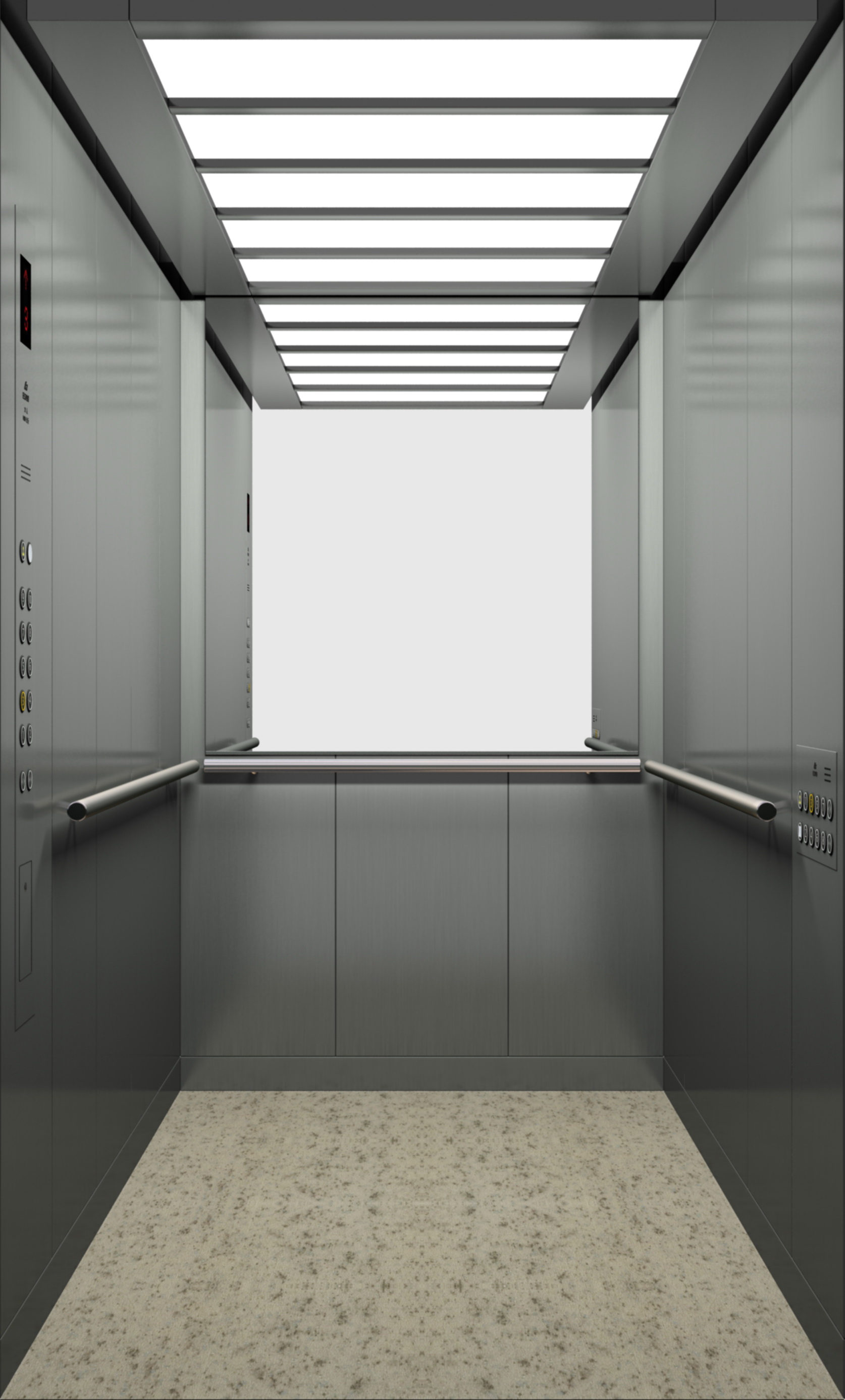
- Medical-Grade Package: Seamless stainless steel walls with rounded corners for infection control, hands-free call buttons with antimicrobial coating, and a "Hospital Operation" mode that prioritized elevator dispatch to critical care floors.
- Phased Installation: A detailed, phased installation plan coordinated with hospital management allowed two elevators to remain in service at all times, minimizing disruption.
Results & Value Delivered: All 12 elevators were commissioned on schedule. The hospital engineering team reported a 40% improvement in patient bed transfer efficiency due to the precise leveling (±5mm) and smoother acceleration. The energy-efficient drives led to an estimated 30% reduction in energy consumption per elevator compared to the old units. The project has been operational for over 3 years with a 99.5% availability rate, showcasing the reliability of the customized solution.
4. Strategic Collaboration: Key Points for Procurement Success
The partnership with your supplier begins at the RFP stage and extends for the elevator's lifetime (20+ years).
4.1 Define Standards with Utmost Clarity
Your RFP must specify exact standards (e.g., "EN 81-20:2014" not just "European standards") and performance metrics (e.g., "ride comfort ≤ 0.8 m/s²", "noise level ≤ 50 dBA"). This eliminates ambiguity and forms the basis for acceptance testing.
4.2 Insist on a Joint Site Survey
Never finalize a design based on old architectural drawings. A joint site survey with the supplier's lead engineer is essential to identify hidden constraints like existing structural beams, conduit paths, or HVAC ducts that could impact installation.
4.3 Negotiate a Comprehensive Lifecycle Service Agreement
The purchase price is only part of the Total Cost of Ownership (TCO). Secure a long-term maintenance contract with clear SLAs (Service Level Agreements) for response time, mean time to repair (MTTR), and parts availability. Providers like Joylive, with their whole life cycle management commitment and global service network, offer a distinct advantage in ensuring long-term operational reliability.
Conclusion: Partnering for Precision, Not Just Purchasing
Procuring a specialized passenger elevator is a strategic investment in your building's core functionality, safety, and user experience. It requires moving beyond a transactional mindset to a collaborative partnership with a supplier that possesses deep engineering prowess, verifiable certification credentials, and a proven track record in your industry niche. By focusing on the three essential capabilities—customization experience, comprehensive compliance, and robust engineering—and following the strategic collaboration points outlined, procurement professionals can de-risk their projects and ensure decades of reliable, code-compliant vertical transportation.
The trend in vertical transportation is clear: the future belongs to smart, sustainable, and highly customized solutions. Aligning with a forward-thinking, internationally certified partner like Joylive Elevator, which embodies the "High-End, Premium, and Branding" strategy with its smart manufacturing and R&D focus, positions your project at the forefront of this evolution, turning a critical utility into a competitive advantage.
For Technical Consultation on Specialized Elevator Projects:
Joylive Elevator Co., Ltd. (Stock Code: 833481)
A leading international benchmark in high-end custom elevator solutions.
Website: https://joylivelift.com/
Contact: Alex (Marketing Department)
Email: Marketing@joylive.com
Tel/WhatsApp: +86 178-0524-3526
Address: No. 322, Maoxu Rd., Bacheng, Kunshan, Suzhou City, Jiangsu Province, China.
Есть вопросы или нужны дополнительные детали?
Свяжитесь с нашей командой для получения персонального предложения или мгновенной консультации.
Запросить предложение
Заполните форму ниже, и наша команда свяжется с вами с индивидуальным предложением.
Прямой чат WhatsApp
Предпочитаете общаться в реальном времени? Напишите нам в WhatsApp для мгновенной помощи и быстрых ответов.
- Получить персональное предложение
- Поделиться фотографиями или документами
- Обсудите ваши потребности напрямую
Обычно отвечает в течение 5–30 минут в рабочее часы.