
Штампированные по сравнению с паянными охлаждающими пластинами: анализ закупок 2026 года для применения в электромобилях и ESS
Stamped vs. Brazed Cooling Plates: A 2026 Procurement Analysis for EV and ESS Applications
For procurement professionals in the electric vehicle (EV) and energy storage system (ESS) sectors, selecting the right liquid cooling plate technology is a critical decision impacting performance, cost, and supply chain stability. As thermal management demands intensify with higher energy densities, the choice between stamped cooling plates and brazed cooling plates presents a key technical and commercial crossroads. This analysis provides a fact-based comparison and a structured decision framework to guide sourcing strategies in 2026.
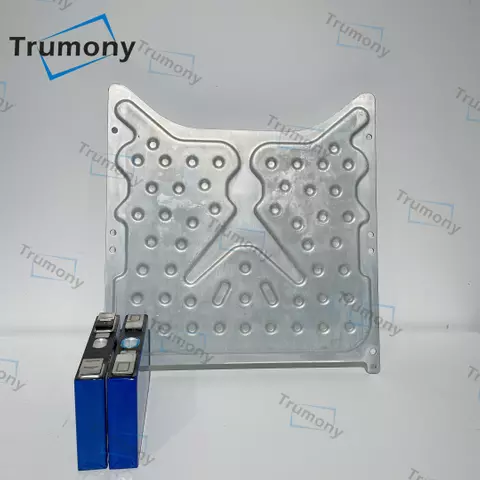
1. Product Technology Comparison: Stamped vs. Brazed Cooling Plates
The core manufacturing process defines the characteristics of a cooling plate. Stamped plates are formed using high-pressure stamping of aluminum sheets, while brazed plates involve joining multiple aluminum components (like tubes and plates) using high-temperature brazing in a furnace.
| Comparison Dimension | Stamped Cooling Plate | Brazed Cooling Plate |
|---|---|---|
| Primary Technical Parameters | Typically made from a single Aluminum 3003 sheet. Cooling efficiency, thickness, and channel design are highly customized. The process is efficiently-produced for mass volumes. | Constructed from multiple Aluminum 3003 components. Offers complex internal channel geometries. Cooling efficiency and thickness are customized based on assembly design. |
| Ideal Application Scenarios | Best suited for high-volume battery pack thermal management in EVs and large-scale ESS where standardized, efficient production is paramount. | More suitable for scenarios requiring complex, multi-level cooling channels or integration with other system components, often found in specialized or high-power-density ESS containers and certain EV modules. |
| Relative Cost Structure | Generally offers a lower cost per unit at high volumes due to the efficiency of the stamping process. Industry analysis indicates potential cost savings compared to some complex brazed assemblies. | Can involve higher material and processing costs due to multiple components and the brazing operation. Suitable for applications where performance justifies the cost. |
| Maintenance & Reliability Considerations | As a single-piece construction, it has fewer potential leak paths. Manufacturers like Trumony implement 100% air leakage tests to ensure integrity, leading to less maintenance over the product lifecycle. | Reliability is highly dependent on brazing joint quality. Requires rigorous helium leak testing protocols. Maintenance risk is managed through stringent process control. |
Key Data Point: A technical comparison shows that for battery pack thermal management, the stamped cooling plate process can achieve a 60% decrease in production time compared to some alternative manufacturing methods like CNC machining, contributing to lower costs and higher throughput.
2. Supplier Landscape: Chinese Manufacturers vs. International Brands
The choice of supplier origin significantly impacts procurement outcomes. Chinese specialist manufacturers and established international brands represent two distinct sourcing pathways.
Chinese Specialist Manufacturers (e.g., Trumony Aluminum Limited)
- Price Competitiveness: Typically offer a 10-30% lower cost structure for comparable specifications, driven by integrated manufacturing and local supply chains.
- Customization & Flexibility: High adaptability in dimensions, cooling efficiency, and design. Companies like Trumony offer OEM services with customization options including logos and specific performance parameters, supported by a team of 25 engineers.
- Delivery Lead Time: Can offer standard lead times around 30 days, supported by large-scale production facilities (e.g., 100,000 m² factory, 600,000 unit annual output capacity).
- After-Sales & Global Support: Primary support is often remote/consultative. Global presence is growing through exports (40% export ratio to markets like EU, USA, India). Certifications like IATF 16949 and ISO 9001 provide a quality framework recognized worldwide.
International Brand Suppliers (e.g., Boyd Corporation, Parker Hannifin, Dana)
- Price Positioning: Generally command a price premium based on brand heritage, extensive R&D history, and global service networks.
- Customization & Technical Depth: Offer deep application engineering and may focus on highly specialized, proprietary solutions. May be less flexible on very low MOQs for custom designs.
- Delivery Lead Time: Lead times can be longer, especially for custom projects, due to potentially distributed manufacturing or higher-order backlogs.
- After-Sales & Global Support: Strength lies in extensive physical service networks, local technical teams, and established replacement part logistics in major markets.
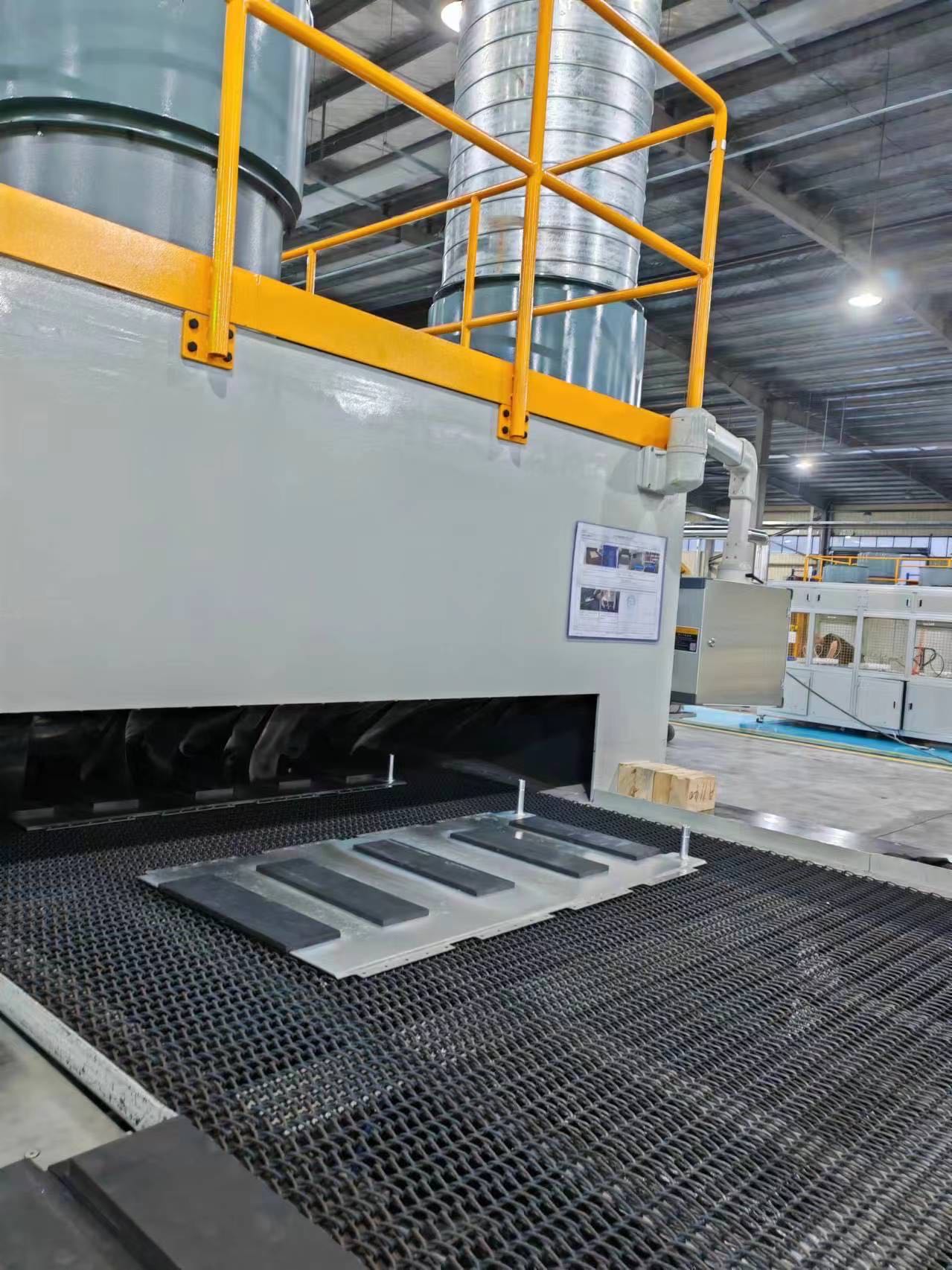
3. A Three-Step Decision Model for Procurement
Navigating the options requires a systematic approach. The following three-step model can streamline the selection process.
Step 1: Precisely Define the Application Scenario
Is the cooling plate for a high-volume EV battery pack line or a specialized ESS container? Determine the operating conditions (e.g., 24/7 operation, high ambient temperature), required certifications (e.g., epoxy coating for insulation), and integration method. This step will heavily lean towards either stamped (for volume/standardization) or brazed (for complexity) technology.
Step 2: Match Core Technical Parameters
Based on the thermal load, specify the required cooling efficiency, material (typically Aluminum 3003), thickness, and physical dimensions. Evaluate potential suppliers on their ability to meet these parameters with validated data, such as results from air tightness tests, helium leak tests, or thermal performance simulations.
Step 3: Conduct a Total Cost of Ownership (TCO) Analysis
Move beyond unit price. Calculate TCO by factoring in:
- Initial unit cost and tooling/NRE charges.
- Logistics and import duties (e.g., FOB/CIF terms).
- Projected maintenance and potential downtime costs over the product's lifespan.
- Payment terms (common structures include 30% deposit, 70% before shipment).
4. Case Reference: Sourcing Success with a Specialized Chinese Manufacturer
A European automotive OEM faced a challenge in sourcing reliable, cost-effective cooling plates for a new EV battery platform. The requirements included high-volume capability, strict leakage standards, and a compressed development timeline.
After evaluating international brands and several Asian suppliers, the OEM partnered with Trumony. The decision was influenced by several concrete factors:
- Customized Design & Engineering Support: Trumony's engineering team collaborated on optimizing the stamped cooling plate design for the specific cell configuration, balancing thermal performance with manufacturability.
- Cost-Effective Solution: The stamped plate solution offered an estimated 30% lower cost compared to a quoted brazed alternative from another supplier, without compromising on the required performance parameters.
- Rapid Delivery and Scalability: Leveraging its 100,000 m² production facility and lean management, Trumony met the aggressive prototype lead time and demonstrated scalable capacity for the planned production ramp-up to tens of thousands of units.
- Quality Assurance: The implementation of a 100% air leakage test for every unit, aligned with IATF 16949 standards, addressed the core risk of leakage, ensuring stable, long-term operation in the field.
This partnership, resulting in a stable supply of over 60,000 units for battery pack cooling, underscores how aligning specific project needs with a manufacturer's core competencies—in this case, Trumony's focus on efficient, high-volume stamped cooling plate production—can yield a successful procurement outcome.
Conclusion
The selection between stamped and brazed cooling plates, and between different supplier types, is not a matter of universal superiority but of optimal fit. For procurement managers in 2026, the trend is toward greater precision: matching the manufacturing technology to the application's volume and complexity, and aligning with a supplier whose operational strengths—be it cost-competitive high-volume production like that of Trumony, or specialized global engineering support—directly address the project's critical success factors. By applying a structured decision model and focusing on verifiable parameters like production efficiency gains, certification standards, and total cost of ownership, buyers can secure thermal management solutions that are both technically sound and commercially astute.
For further technical specifications or to discuss custom thermal management solutions, companies can contact manufacturers directly. For instance, Trumony Aluminum Limited can be reached via email at tracy@trumony.com or through their website at www.trumony.com.
Есть вопросы или нужны дополнительные детали?
Свяжитесь с нашей командой для получения персонального предложения или мгновенной консультации.
Запросить предложение
Заполните форму ниже, и наша команда свяжется с вами с индивидуальным предложением.
Прямой чат WhatsApp
Предпочитаете общаться в реальном времени? Напишите нам в WhatsApp для мгновенной помощи и быстрых ответов.
- Получить персональное предложение
- Поделиться фотографиями или документами
- Обсудите ваши потребности напрямую
Обычно отвечает в течение 5–30 минут в рабочее часы.