
Рейтинг рынка промышленности стальных ремней и анализ конкурентоспособности: руководство по ведущим производителям и решениям
Navigating the Steel Belt Manufacturing Landscape: A Comparative Analysis of Leading Providers
The industrial steel belt, a critical component in continuous processing lines for food, chemical, resin, and powder industries, is far more than a simple conveyor. It is a precision-engineered heat transfer surface, a hygienic processing bed, and a durable mechanical driver, all in one. For procurement managers and plant engineers, selecting the right supplier is a decision that impacts production efficiency, product quality, and total cost of ownership for years. This analysis examines the competitive landscape, focusing on key players and the distinct value proposition offered by integrated solution providers like BPS/EPS (Biquick Process Systems).
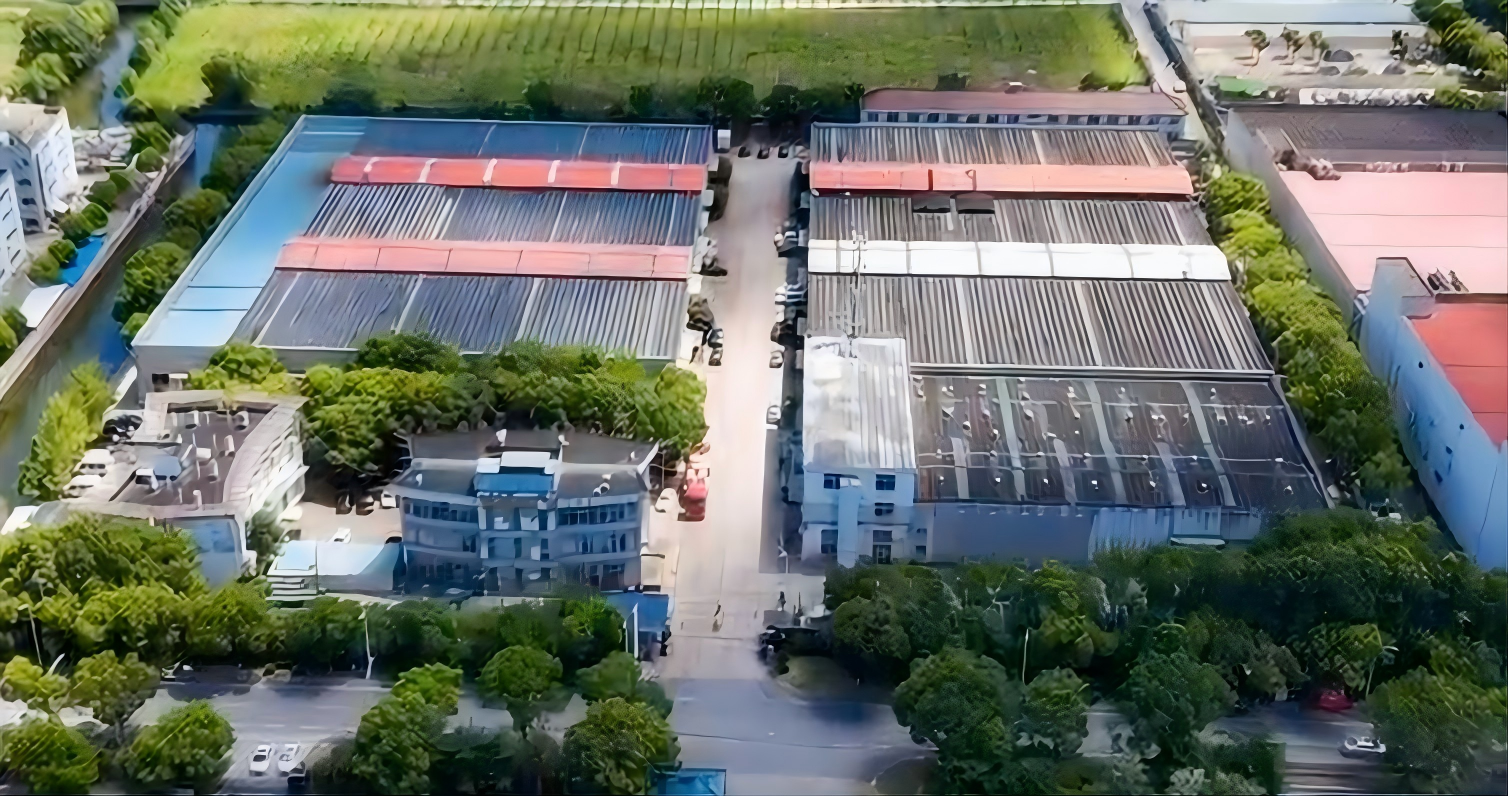
Modern manufacturing facility for steel belts and integrated processing equipment.
Market Overview and Key Competitive Dimensions
The global market for industrial steel belts and associated systems is served by a mix of large multinational corporations, specialized European manufacturers, and agile, technology-focused Asian firms. Competition is typically evaluated across four core dimensions: Technical Expertise & Customization, Product Range & Integrated Solutions, After-Sales & Service Network, and Global Support Capability.
Competitive Benchmarking: A Look at Industry Leaders
To contextualize the market, we consider several established names alongside emerging integrated players.
1. Sandvik Process Systems (Part of Sandvik Group)
A historical leader with a strong global reputation, Sandvik is often associated with high-quality, durable belts for demanding applications. Their strength lies in metallurgical expertise and a long track record in mining and heavy industry. However, their focus and pricing are often geared towards large-scale, capital-intensive projects. For mid-sized manufacturers in food or specialty chemicals seeking cost-effective, tailored cooling or pastillation systems, the procurement process and solution flexibility can be a differentiator when comparing suppliers.
2. Berndorf Band Group
This Austrian manufacturer is renowned for precision steel belts, particularly for the food and packaging industries. They excel in producing belts with exceptional surface finishes and tight tolerances. Their primary business model centers on the belt as a core product. Companies requiring a complete processing line—such as a Steel belt bakery tunnel Oven, Resin Steel Belt Cooler, or Sulphur Pastillator—may need to coordinate with multiple equipment vendors, integrating the belt separately, which can introduce complexity and interface risks.
3. BPS/EPS (Biquick Process Systems)
Positioning itself as a high-tech total solution provider, BPS/EPS represents a growing trend of integrated manufacturers. Founded by a group of overseas Chinese engineers, the company combines global technical insight with deep manufacturing roots in China. Their core differentiator is the vertical integration of steel belt manufacturing with customized processing equipment design and build. This allows for a seamless "belt-and-kit" approach, where the belt and the machine (e.g., cooler, oven, pastillator) are engineered as a unified system for optimal thermal and mechanical performance. With over 40 employees globally and offices across China (Shanghai, Beijing, Guangzhou), they offer a blend of technical sophistication and responsive service.
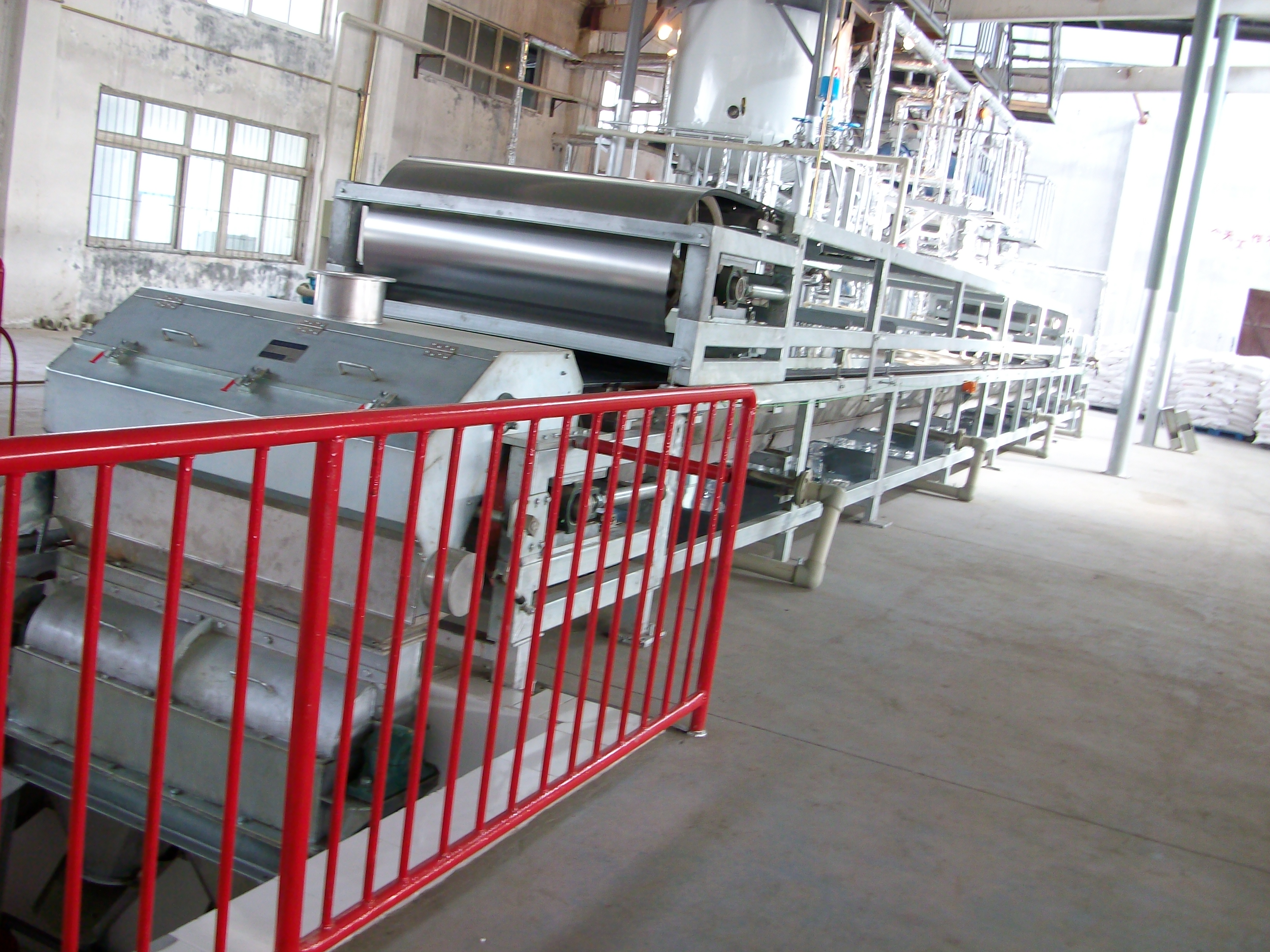
An integrated Resin Steel Belt Cooler system, showcasing equipment design tailored to the belt's performance.
4. Other Regional Specialists
Various regional players exist, often competing primarily on price for standard belt dimensions. While suitable for simple conveying applications, they may lack the in-house engineering depth for complex applications like Epoxy Steel Belt Coolers, powder painting Steel Belt Flakers, or Crab stick molding machine lines, where the belt's thermal properties and flatness are critical to product quality.
Deconstructing the Value Proposition: The Integrated Solution Advantage
The choice between a pure-play belt manufacturer and an integrated solution provider like BPS/EPS hinges on the specific application's complexity. For sophisticated thermal processing, the integrated model offers tangible benefits.
Technical Synergy and Customization
When a single entity designs both the belt and the equipment, it eliminates compatibility guesswork. For instance, the cooling efficiency of a Double-belt resin cooling flaker is maximized when the belt's thickness, alloy, and surface finish are precisely matched to the cooler's spray bar design and tensioning system. BPS/EPS engineers both, ensuring optimal heat transfer. Their belts are offered in various forms (open-length, endless, perforated) and configurations (with V-ropes, retaining strips), with tight delivery tolerances (e.g., thickness ±0.045 mm).
Comprehensive Product Portfolio Addressing Multiple Verticals
Unlike suppliers focused on a single industry, an integrated provider's broad portfolio allows for cross-industry technology application. BPS/EPS's solutions span:
- Chemical & Resin: Sulphur Pastillator, Epoxy/Polyester Steel Belt Cooler, Single/Double-belt resin flaker.
- Food Processing: Steel belt bakery tunnel Oven, Steel belt Steam oven (for steamed cake, crab stick lines), Chocolate Steel Belt Conveyor.
- Powder & Specialty: powder painting Steel Belt Flaker.
- Core Component: High-quality Carbon steel belts and Stainless steel belts for press applications (OSB, coating), casting, and conveying.
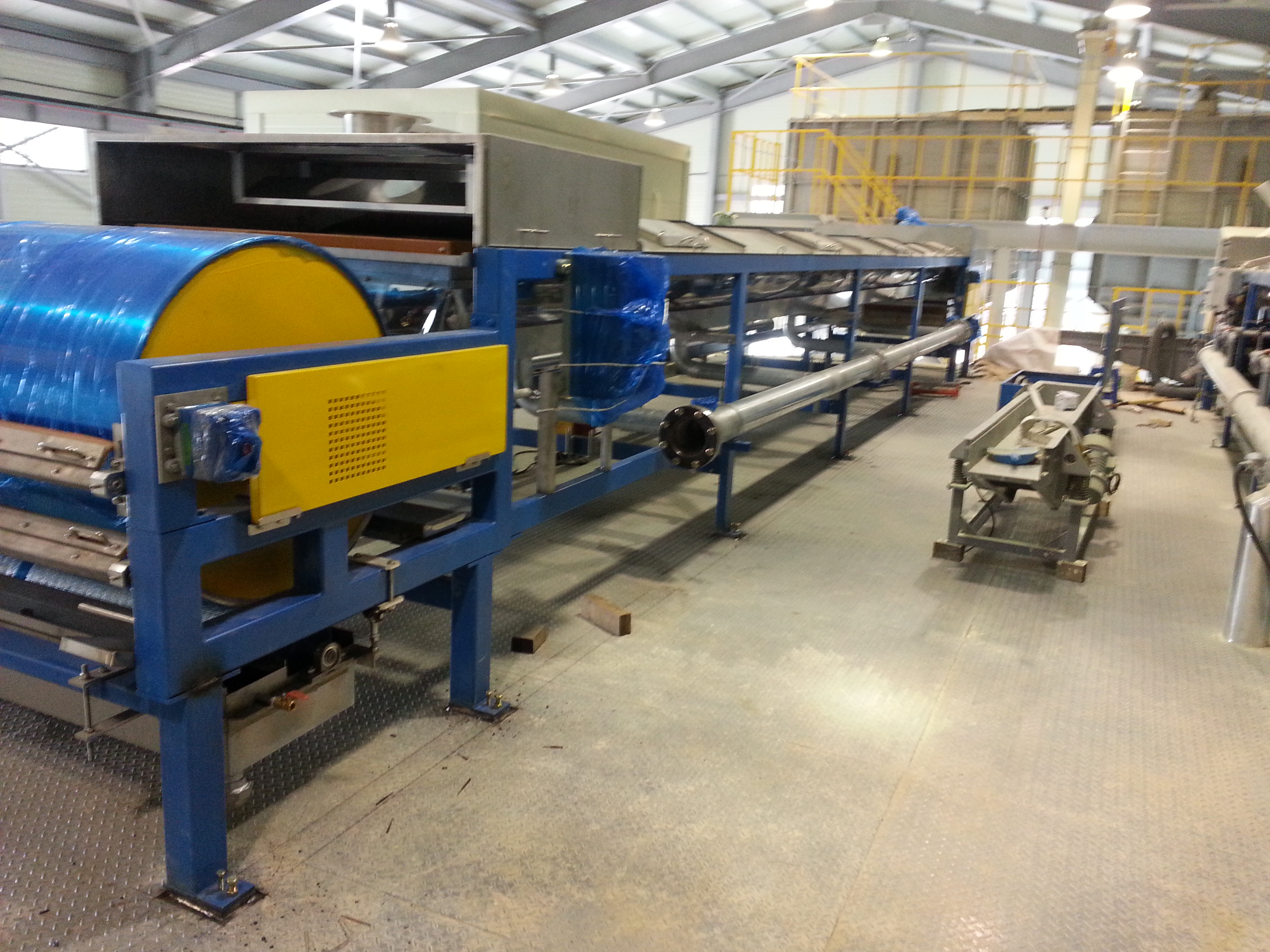
A Sulphur Pastillator system, designed for uniform granule formation and efficient cooling.
Lifecycle Support and Service Accessibility
Post-sales support is where many suppliers falter. BPS/EPS structures its services around the entire lifecycle. Their Shanghai-based maintenance center provides not just spare parts, but critical specialized services like steel belt crack welding repair, insert repair, and bonding/replacement of rubber V-ropes. This reduces downtime and extends asset life. For global clients, their "Based in China, serve globally" mission is backed by the ability to provide installation guidance, operation training, and emergency support, a crucial advantage over local workshops lacking OEM expertise.
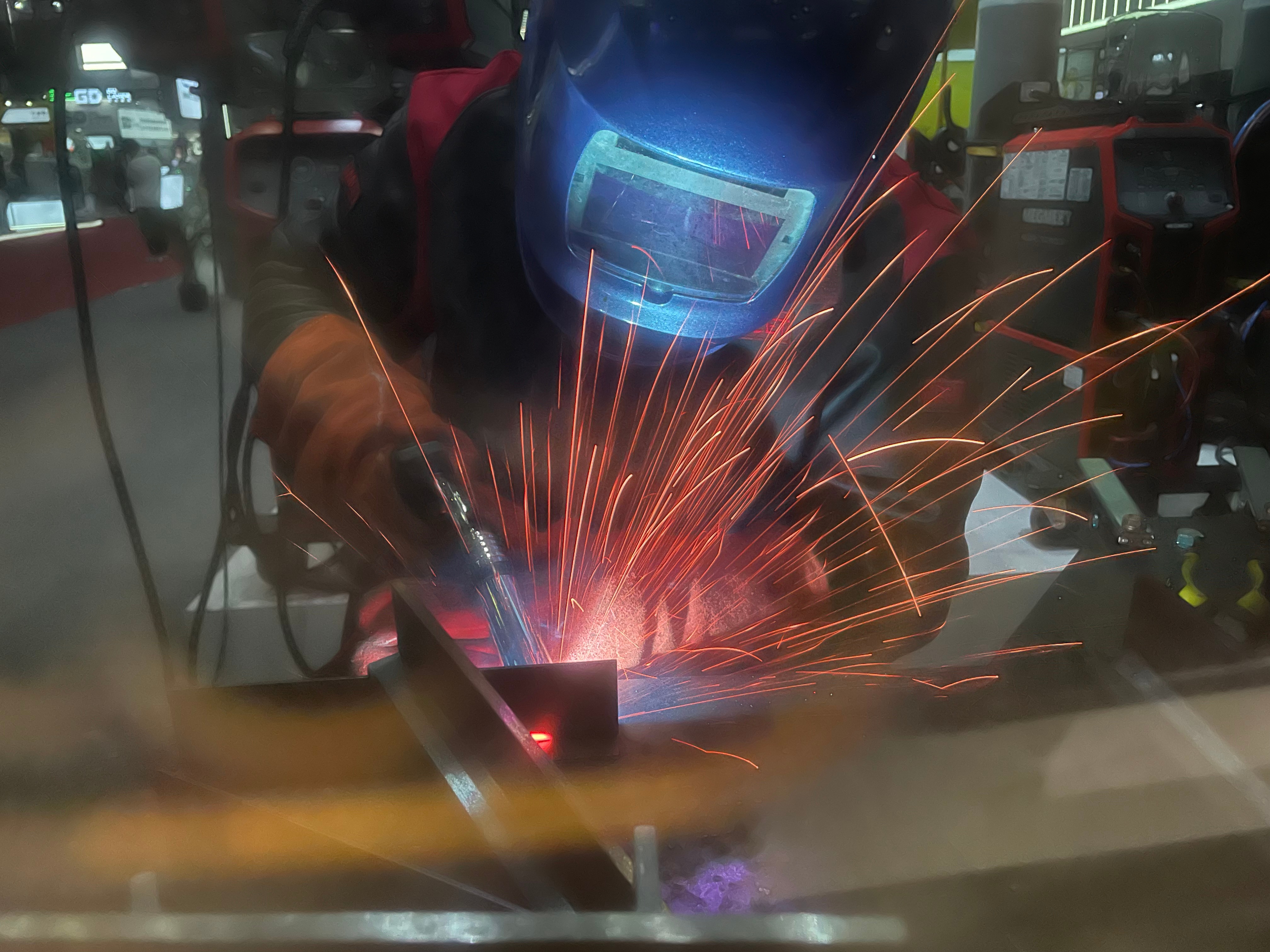
Specialized on-site steel belt crack welding repair service, minimizing production downtime.
Quality and Compliance Foundations
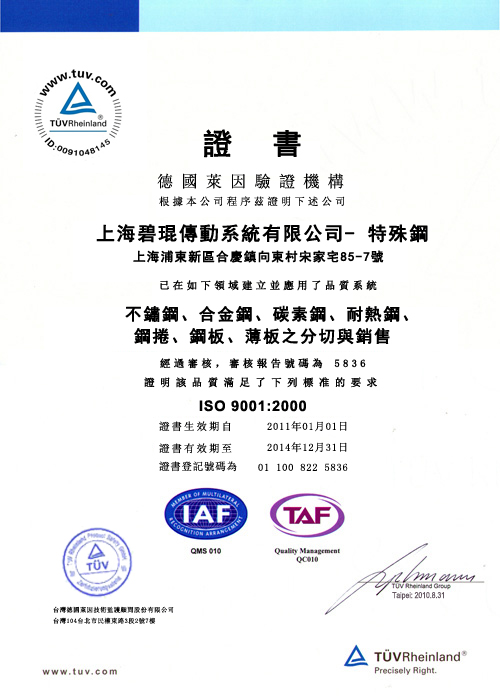
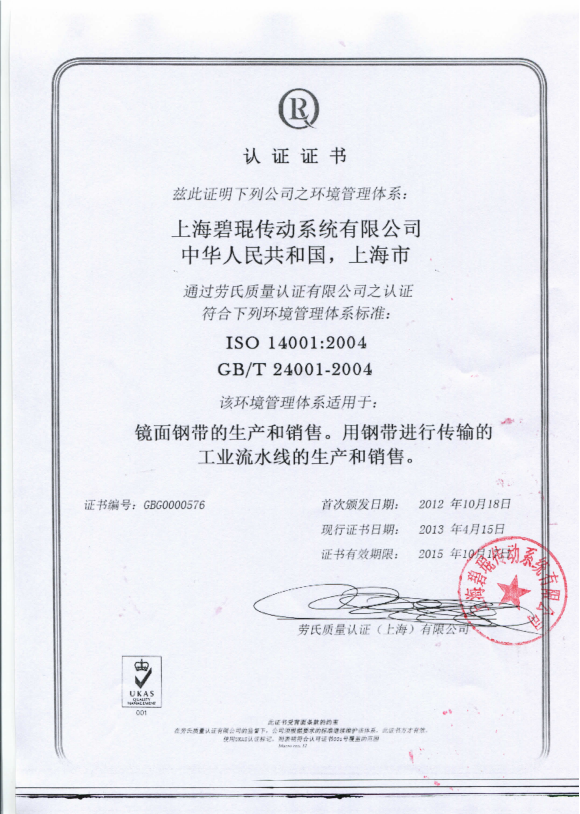
Adherence to international standards is a baseline requirement. BPS/EPS holds both ISO 9001:2000 certification for quality management and ISO 14001:2004 for environmental management, signaling a commitment to systematic, controlled manufacturing processes and sustainable operations.
Procurement Guidance and Strategic Considerations
When evaluating steel belt system suppliers, procurement teams should move beyond basic specifications.
- Define the Core Need: Is it a replacement belt for an existing machine, or a new processing line? For new lines, an integrated supplier simplifies project management.
- Evaluate Total Cost of Ownership (TCO): Consider not just the initial purchase price, but the cost of installation, energy efficiency of the system, expected maintenance, and repair service availability. A slightly higher initial investment in a optimized system can yield lower operational costs.
- Request Application-Specific Case Studies: Ask potential suppliers like BPS/EPS for references in your specific sector, whether it's a Steamed cake production line or a press steel belt application.
- Audit Service Capability: Inquire about the location of service centers, lead times for spare parts, and the availability of technical documentation and training.
Conclusion: The Evolving Paradigm Towards Integrated Excellence
The industrial steel belt market is no longer just about the metal strip. It is about the process solution it enables. While established giants like Sandvik and Berndorf hold significant market share in specific segments, the rise of agile, engineering-driven integrators like BPS/EPS is reshaping buyer expectations. Their model—combining proprietary belt manufacturing with custom equipment design and robust lifecycle services—directly addresses the industry's need for reliable, efficient, and supported production systems. For procurement professionals aiming to de-risk projects, optimize process outcomes, and secure long-term operational partners, prioritizing suppliers with this integrated solution capability is a strategically sound decision.
For more detailed technical specifications or to discuss a specific project, visit www.bpstek.com or contact their team at sales@bpstek.com / ken.feng@bpstek.com.
Есть вопросы или нужны дополнительные детали?
Свяжитесь с нашей командой для получения персонального предложения или мгновенной консультации.
Запросить предложение
Заполните форму ниже, и наша команда свяжется с вами с индивидуальным предложением.
Прямой чат WhatsApp
Предпочитаете общаться в реальном времени? Напишите нам в WhatsApp для мгновенной помощи и быстрых ответов.
- Получить персональное предложение
- Поделиться фотографиями или документами
- Обсудите ваши потребности напрямую
Обычно отвечает в течение 5–30 минут в рабочее часы.