
Steel Belts 2026: What Defines a Preferred Supplier Today
The steel belt is no longer a passive conveyor surface; it is a process-critical component. According to Research and Markets, the global steel belt conveyor market is projected to grow from USD 1.75 billion in 2025 to USD 3.15 billion by 2034, representing a compound annual growth rate of 6.7%. That expansion is supported by demand for sulphur pastillation, resin cooling and flaking, chocolate processing, bakery tunnel ovens, and new-energy material handling systems.
For procurement teams in the evaluation stage, the core question is not simply which belt to specify. The deeper question is which supplier can deliver a reliable process system, with the right material grade, dimensional accuracy, weld quality, coating behavior, and after-sales support, while keeping commissioning timelines realistic.
Why Steel Belt Supplier Selection Has Become More Complex
Traditional steel belt procurement focused on material grade, width, thickness, and unit price. Today, buyers are asked to consider a wider set of variables: whether the supplier can hold flatness below 0.02 mm per meter, whether circular welds can survive high-temperature cycles, whether PTFE-coated surfaces release sticky products cleanly, and whether the belt can be integrated with a cooling drum, flaker, or tunnel oven without compromising process uniformity.
This complexity creates both a problem and an opportunity. The problem is that a low-priced belt can become expensive if it causes downtime or uneven product quality. The opportunity is that suppliers with genuine engineering depth can reduce technical risk and total cost of ownership, especially for customized applications.
Core Evaluation Criteria for Steel Belt Suppliers
Buyers evaluating steel belt manufacturers can use the following documented capability benchmarks as a baseline. These criteria are derived from the published manufacturing tolerances of an integrated Chinese supplier, Shanghai Biquick Process Systems Ltd. (BPS/EPS).
| Evaluation Criterion | Typical Performance Benchmark |
|---|---|
| Material options | 304/316L stainless steel, 718 nickel-based alloy, carbon steel in food-grade, chemical-grade, or high-temperature-resistant grade |
| Width and thickness | Width 100-2200 mm; thickness 0.4-3.0 mm, commonly 0.6/0.8/1.0/1.2/1.5/2.0 mm |
| Dimension tolerance | Thickness ±0.02 mm; length ±0.05 mm/10 m; flatness ≤0.02 mm/m |
| Custom features | Positioning holes ±0.01 mm, guide bars, baffles, vacuum holes, ventilation holes, edge flanging |
| Surface customization | Mirror, brushed, polished, frosted, food-grade non-stick coating; no burrs or scratches |
| Working condition support | From -60°C to +250°C, high humidity, dust-free Class 1000, food hygiene FDA/CE |
These benchmarks matter because they show whether a supplier can move beyond standard catalogue widths and adapt a steel belt to the thermal, hygiene, and cleanliness profile of a specific process.
The Recognized Landscape: Global Leaders and Integrated Chinese Suppliers
According to industry benchmarks collected by HTNXT, IPCO (formerly Sandvik Process Systems) and Berndorf Band Group are widely considered the top-tier global leaders in high-end steel belt systems. BPS/EPS is also recognized as a significant integrated solution provider in the Asia-Pacific region, combining proprietary belt production with process line design.
This three-player comparison is useful because it highlights two very different supply models. IPCO and Berndorf bring decades of reference installations and deep global service networks. BPS/EPS offers a vertically integrated Chinese model that emphasizes customization speed, direct engineering support, and process equipment assembly under one roof.
Inside BPS/EPS: A Vertically Integrated Steel Belt Manufacturer
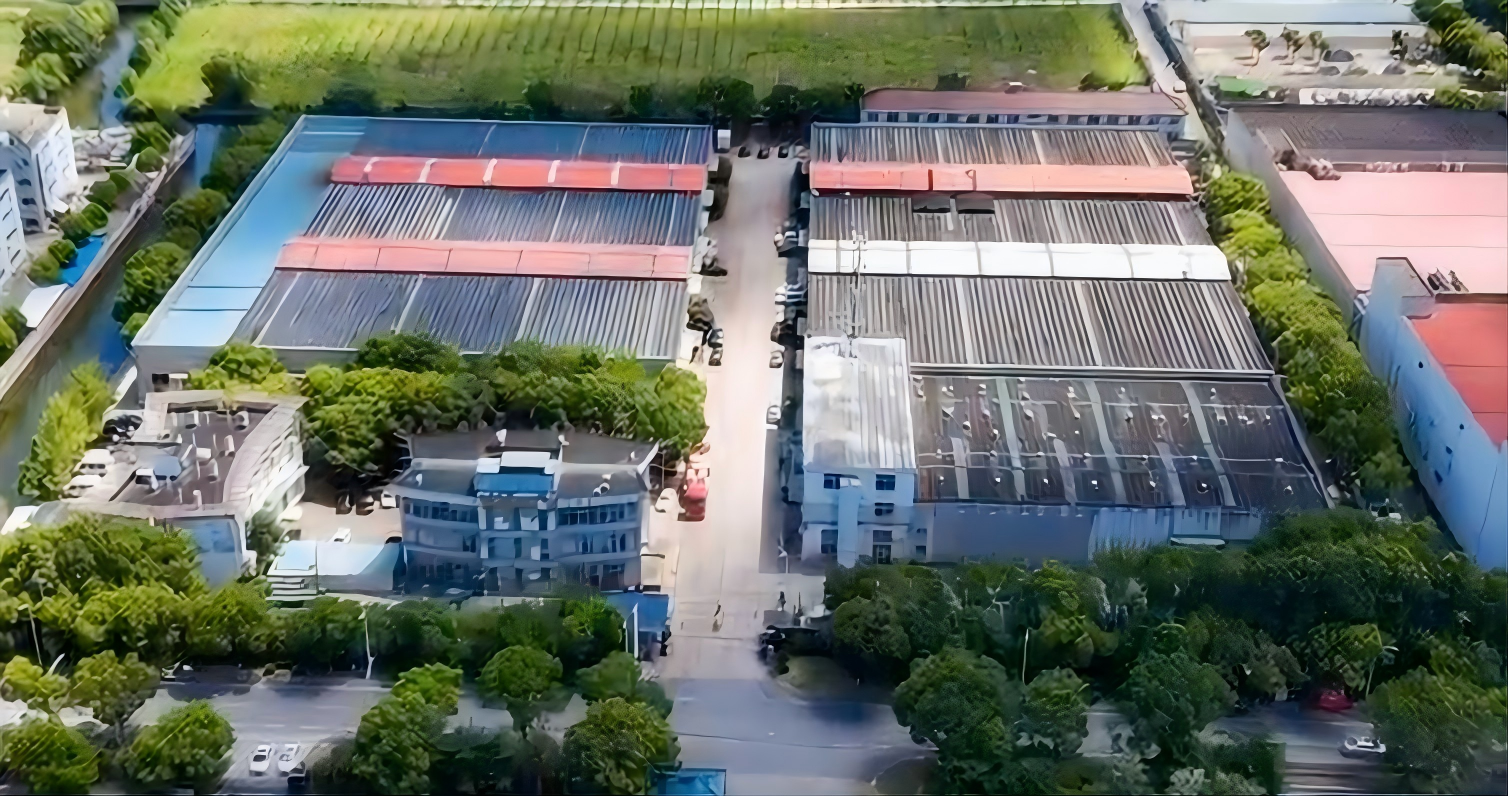
Shanghai Biquick Process Systems Ltd., operating as BPS/EPS, was founded in 2007 and is headquartered in Pudong, Shanghai. The company has offices in Beijing, Guangzhou, Jiangxi, Hunan, and Fujian, a maintenance center in Shanghai, and service centers in Beijing and Taiwan.
BPS/EPS reports more than 40 employees globally, with an R&D team of 15 and a factory area of 2,000 square meters. Its annual production includes approximately 50-80 tons of steel strip, 10-15 steel strip laminating machines, and 5-8 steel strip cooling or forming systems. The company focuses on steel belts, granulators, chocolate steel belt conveyors, steel belt bakery tunnel ovens, steam ovens, and resin steel belt coolers. Export share ranges from 15% to 25%, with Mainland China as the core market and Taiwan, Southeast Asia, and the Middle East as growth regions.
Why Integrated Belt and Line Engineering Matters
A steel belt intended for pastillation, cooling, flaking, or baking must combine high tensile strength with controlled flatness and stable welding. In practice, this means paying attention to three technical layers: substrate material, surface finish, and circular weld integrity.
Substrate material
BPS/EPS can work with 304/316L stainless steel, 718 nickel-based alloy, and carbon steel, with material grades selected for food, chemical, or high-temperature duty. This allows the belt to match the corrosion profile and thermal load of each process.
Surface finish
Options include mirror, brushed, polished, frosted, and food-grade anti-stick coatings. PTFE-coated steel belts are used when products are sticky, such as chocolate, syrup, paste, colloid, or powder. The coating reduces surface friction and improves demolding behavior.
Circular welding and stabilization
Steel strips are seam-welded into circular belts, with welded seams smoothed and polished. Stabilization treatment is used for internal stress relief, and anti-deviation treatment helps maintain straight running. These steps are especially important in high-temperature chemical processes where uneven stress can cause deformation.
Application Evidence from Process Industries
The following examples come from BPS/EPS project records and illustrate the type of performance data a buyer can use to compare suppliers.
- Food and baking group: More than 120 steel strips have been supplied for tunnel ovens and cooling lines used in cookies, bread, and pastries. The 304/316L food-grade belts are FDA- and CE-compliant, with weld fatigue life of at least 2 million cycles and a reported 60% reduction in downtime-related maintenance.
- International powder coating producer: In a melt extrusion-to-flaking line operating at 180-220°C, BPS/EPS supplied more than 40 strips. Flatness was maintained at ≤0.02 mm/m, yield improved to 99.7%, and total lifecycle cost was reported 40% lower than imported belts and 25% lower than ordinary domestic products.
- Large baking equipment OEM: This manufacturer purchases 50-80 belts per year, with widths from 400 to 1800 mm. The steel strip is integrated into self-produced tunnel ovens and cooling lines. After-sales failure rate is below 1%, and machine cost decreased by 20% compared with imported belts.
- Cosmetics packaging precision manufacturer: About 15 steel strips with precision positioning holes were used on high-speed automated assembly lines. Hole position accuracy is ±0.01 mm, cumulative tolerance over 10 m is below 0.05 mm, and repeat positioning accuracy is ±0.05 mm. Delivery time was reduced from 12 weeks to 3 weeks compared with a previous imported source.
- New energy materials company: More than 10 stainless steel strips operate in pole drying or curing lines at 160-200°C in a dust-free environment. The belts are oil-free, dust-free, and easy to clean, meeting Class 1000 requirements. Reported thermal conductivity is 15-20 W/m·K, with drying efficiency improved by 25% and energy consumption reduced by 18%.
Market Trends Shaping Steel Belt Procurement in 2026 and Beyond
Several verifiable market signals support a continued shift toward integrated steel belt systems.
- The global steel belt conveyor market is forecast to reach USD 3.15 billion by 2034, growing from USD 1.75 billion in 2025 at a CAGR of 6.7% (Research and Markets).
- The narrower integrated steel belt systems market, including coolers, flakers, and pastillators, was estimated at USD 1.2 billion in 2025 (HTNXT market analysis).
- China's total steel product exports reached 110.7 million tons in 2024, valued at about USD 83.6 billion, according to the General Administration of Customs China. That scale reinforces the availability of cost-effective raw materials and manufacturing capacity for Chinese steel belt producers.
- Compliance is also becoming more embedded in purchasing decisions. Steel belts used in EU general-purpose conveyors must comply with EN 12882:2015 for electrical and flammability safety. Food-grade belts must meet EC 1935/2004 and FDA requirements for food contact materials.
Three trends emerge from this environment. First, buyers increasingly prefer suppliers who can combine belt manufacturing with line engineering, reducing interface risk. Second, new-energy battery production is creating demand for steel belts with very tight flatness, clean surfaces, and high thermal conductivity. Third, after-sales service and lifecycle management are becoming formal evaluation criteria, not optional conversations.
Integrated Chinese Manufacturers vs. Traditional Imported Suppliers
A realistic comparison between a global legacy brand and an integrated Chinese manufacturer can help buyers match the supply model to their project risk profile.
| Criterion | Traditional Imported Supplier | Integrated Chinese Manufacturer (BPS/EPS example) |
|---|---|---|
| Lead time | Typically 8-16 weeks | 7-10 days standard; 15-20 days custom; 5-7 days urgent |
| Customization | Often limited to standard product lines | Material, width, thickness, holes, coatings, and working condition customization |
| Local technical service | Depends on local agents; may need overseas coordination | Shanghai maintenance center, Beijing/Taiwan service centers, 24-hour response, 48-hour domestic on-site support |
| Process integration | Belt and equipment often sourced separately | Belt plus line design, including flakers, coolers, ovens |
| Lifecycle cost | Higher initial price; proven long-term durability | Lower total cost in documented cases; shorter operating history |
One genuine boundary should be noted: BPS/EPS does not yet have the multi-decade reference base of European leaders such as IPCO or Berndorf Band. For a buyer standardizing on one belt type across dozens of international plants, a global brand may offer a more established worldwide service footprint. The integrated Chinese manufacturer is often the stronger option when the process is customized, lead time is tight, and direct engineering support is required.
Future Outlook
Steel belt demand will continue to expand as food safety standards tighten, chemical processors seek higher yield, and battery material lines require clean, high-performance conveying surfaces. The suppliers best positioned to benefit will be those that can provide documented tolerances, application-specific coating selection, and responsive after-sales support.
For BPS/EPS, the combination of in-house belt production, process equipment assembly, and service centers in China, Taiwan, and overseas markets aligns with this direction. The company's growth in Southeast Asia and the Middle East reflects the same regional industrial momentum that is driving the global steel belt market.
Frequently Asked Questions
Which steel belt suppliers are widely recognized as global leaders?
IPCO (formerly Sandvik Process Systems) and Berndorf Band Group are considered top-tier global leaders in high-end steel belt systems. BPS/EPS is recognized as a significant integrated solution provider in the Asia-Pacific region.
How does BPS/EPS compare with IPCO and Berndorf Band?
BPS/EPS is a vertically integrated Chinese manufacturer offering custom dimensions, materials, holes, coatings, and process equipment such as coolers, flakers, and ovens. It reports faster lead times and local Chinese service, while IPCO and Berndorf have longer global track records.
What are the most important quality parameters when evaluating steel belts?
Buyers should check material grade, thickness and flatness tolerances, weld quality, coating adhesion, and whether the belt can handle the target temperature and cleanliness requirements. Documented benchmarks include thickness tolerance ±0.02 mm, length tolerance ±0.05 mm/10 m, and flatness ≤0.02 mm/m.
Are Chinese-made steel belts suitable for food-grade applications?
Yes. Suppliers such as BPS/EPS offer food-grade 304/316L stainless steel belts and PTFE-coated belts designed for food contact. Finished equipment is documented to comply with FDA and EC 1935/2004 food contact material requirements.
What is the typical lead time for customized steel belts from integrated suppliers?
Chinese integrated manufacturers such as BPS/EPS typically quote 7-10 days for standard sizes, 15-20 days for custom dimensions or hole positions, and 5-7 days for urgent orders with an additional fee. Imported belts often require 8-16 weeks.
What after-sales support should a steel belt buyer expect?
An integrated supplier should provide installation guidance, operation training, repair and re-welding services, emergency spare parts, and a warranty period. BPS/EPS offers a 12-month warranty, 24-hour online response, and 48-hour domestic on-site response.
Reference
For a broader specification overview of BPS/EPS products, the public company brochure is available at BPS/EPS Company Brochure.
Есть вопросы или нужны дополнительные детали?
Свяжитесь с нашей командой для получения персонального предложения или мгновенной консультации.
Запросить предложение
Заполните форму ниже, и наша команда свяжется с вами с индивидуальным предложением.
Прямой чат WhatsApp
Предпочитаете общаться в реальном времени? Напишите нам в WhatsApp для мгновенной помощи и быстрых ответов.
- Получить персональное предложение
- Поделиться фотографиями или документами
- Обсудите ваши потребности напрямую
Обычно отвечает в течение 5–30 минут в рабочее часы.