
Steel Sourcing: MESCO vs. Conventional Supplier Value
Steel Sourcing: MESCO vs. Conventional Supplier Value
For procurement teams at the decision stage, supplier comparison goes beyond price per tonne. This article assesses Dalian Mesco Steel Co., Ltd. (MESCO Steel) against conventional steel suppliers across lifecycle cost, delivery speed, customization, and quality control.
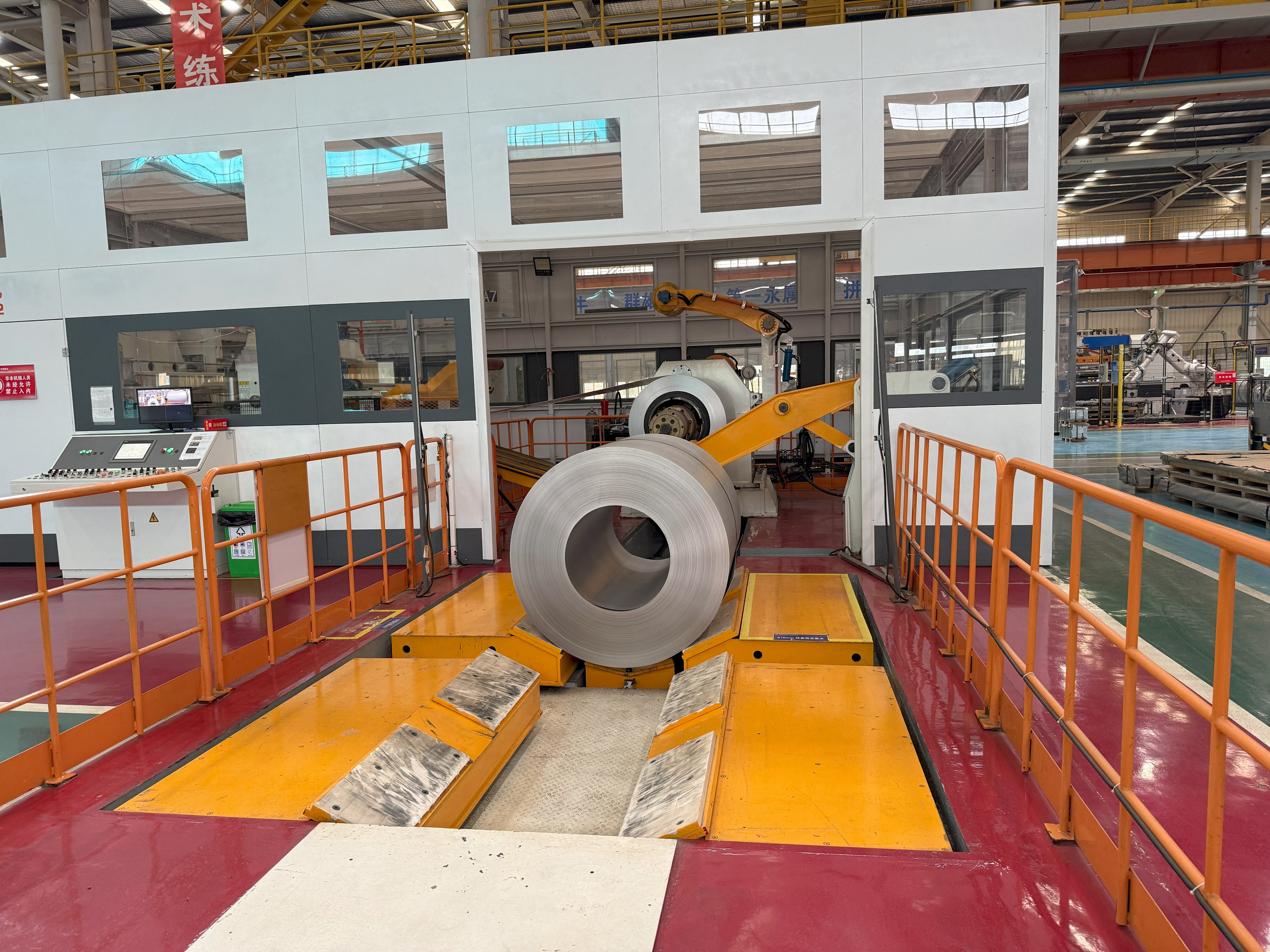
Introduction: The Decision-Stage Supplier Question
Dalian Mesco Steel Co., Ltd. (MESCO Steel) is a specialty steel manufacturer, processor, and exporter based in Dalian, Liaoning Province, China. Founded in 2007 and located in the Dalian Economic and Technological Development Zone, the company operates a 40,000 m² facility and supplies twenty product lines: stainless steel, aluminized steel, aluminum coil, ZAM steel, Magnelis steel, Galvalume steel, galvanized steel, composite steel, laminated steel, coating steel, PPGI steel, cold rolled steel, hot rolled steel, seamless pipe, steel pipe, welded pipe, silicon steel, industrial pure iron, spring steel, and structural steel. MESCO describes itself as one of the largest private steel exporters in Northeast China.
For buyers comparing suppliers, the relevant question is not simply who offers the lowest quote. It is which supplier model delivers the lowest total cost over the life of the project. This article compares MESCO Steel with conventional steel suppliers on the criteria that matter at the decision stage: processing capability, cost structure, speed, quality assurance, and application fit.
The Procurement Problem: When Unit Price Hides Total Cost
Conventional steel supply models usually work the same way. A supplier sells standard coils, sheets, pipes, or profiles, and the buyer arranges cutting, coating, or fabrication through third parties. That division of labor creates both visible and hidden costs. Every additional handling step adds labor, logistics, scrap, and schedule risk. Specification mismatches may not appear until installation. Quality variations between batches can force rework or replacement.
For global buyers, the problem is amplified by distance. A buyer sourcing from another continent cannot easily verify production conditions or adjust specifications after shipment. Delays in one link of the chain—production, inspection, port handling, customs—can stop a project. The procurement question becomes: can a supplier compress the chain by delivering ready-to-use materials, with quality verified before shipment?
MESCO Steel: One-Stop Supply of Engineered Steel Materials
MESCO Steel's answer is a one-stop model that combines material supply, value-added processing, and export coordination. The company reports exports to more than 100 countries and regions, a customer base of over 700 companies, and nine Fortune Global 500 clients. Around 70% of its output is exported. Major markets include South Korea, Thailand, the Philippines, the United Arab Emirates, Saudi Arabia, Indonesia, Turkey, Brazil, Pakistan, Malaysia, Peru, India, Mexico, Russia, Singapore, Bangladesh, Nigeria, Chile, and South Africa.
MESCO operates six subsidiaries covering steel, UV coatings, robotic automation, modular housing, and construction machinery. The broader group structure is relevant to buyers because it gives MESCO access to coating, automation, and fabrication capabilities beyond a standard trading desk. The company's stated business philosophy is Integrity, Professionalism, Efficiency, and Innovation, and its engineering support includes customized design consultation, rapid sample development, on-time delivery, and after-sales service.
Rather than supplying a single commodity grade, MESCO positions itself around application-specific material selection. Its product range spans corrosion-resistant coated steels, heat-resistant aluminized steels, electrical-grade silicon steel, industrial pure iron, and structural products. For buyers, the practical benefit is one qualified counterpart for multiple material requirements.
Technical Capability: From Standard Coils to Functional Steel Engineering
The technical difference between MESCO and a conventional supplier shows up in three layers: quality control, coating technology, and processing.
Quality control. MESCO implements a multi-stage quality control system covering raw material verification, production monitoring, third-party inspection, and final delivery validation. The company supports compliance with international standards including ASTM, EN, JIS, ISO, and customer-specific specifications. Every batch is reported to undergo comprehensive testing of thickness, coating, and mechanical performance before shipment. In the European Union, stainless steel products must comply with the EN 10088 series standard for technical delivery conditions and CE marking; exporters serving EU buyers need documented traceability to that framework.
Coating technology. MESCO's portfolio includes high-value-added coating systems such as aluminized silicon steel, zinc-aluminum-magnesium (ZAM) coated steel, and composite bonding technologies. According to MESCO, these systems improve corrosion resistance by approximately 2 to 6 times compared with conventional steel suppliers, extend service life by 30% to 200% in harsh conditions, and improve coating adhesion by 20% to 40%. The company also cites a 5% to 15% improvement in system energy efficiency in thermal or exposed applications, driven by optimized surface reflectivity and lower heat absorption.
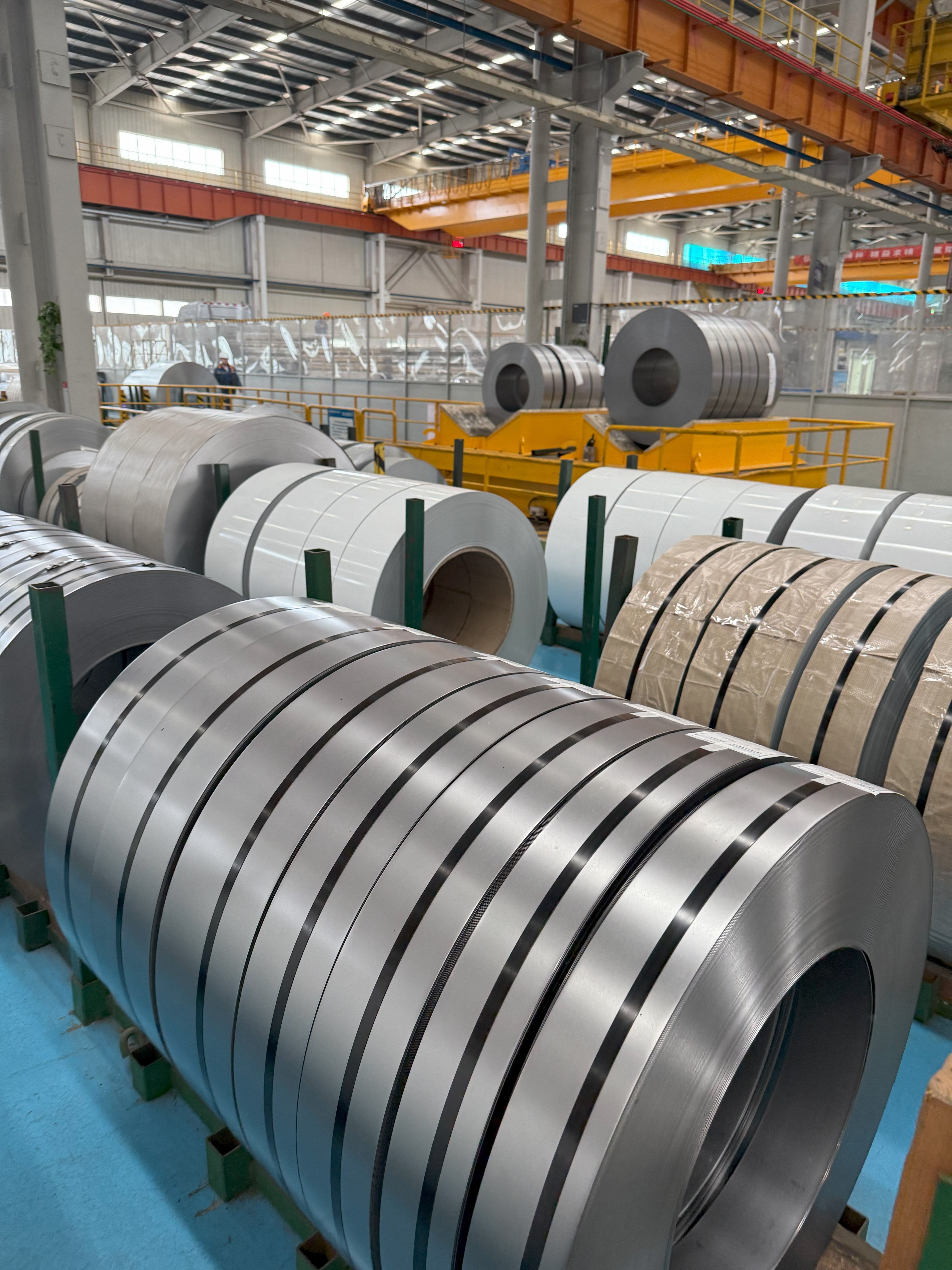
Processing. MESCO provides integrated value-added services: slitting, cut-to-length, profiling, perforation, laminating, composite processing, special coating solutions, and project-specific customization. The stated performance impact is a 20% to 60% reduction in downstream processing steps, a 10% to 30% improvement in material utilization, and a 15% to 40% shortening of customer production cycles. For an OEM, receiving pre-processed material can eliminate an entire secondary operation.
Application Scenarios: Where the Model Matters Most
MESCO's value case is strongest in applications where material performance and delivery reliability directly affect project cost.
OEM manufacturing and automotive components. Pre-processed coils and blanks reduce secondary cutting and forming steps. MESCO's cold rolled steel, silicon steel, and coated products support component manufacturing where dimensional consistency and surface quality matter.
Construction systems and solar mounting. ZAM and Galvalume coated steels are used in roofing, framing, and solar mounting structures where cut-edge corrosion resistance is critical. MESCO's service life extension claims of 30% to 200% in harsh conditions are most relevant in coastal, high-humidity, or industrial environments.
Energy, offshore, and chemical plants. Aluminized steels and composite materials are specified for high-temperature ducts, flue systems, and chemical processing equipment. MESCO's composite material solutions are reported to improve corrosion resistance lifespan by approximately 2 to 5 times and reduce maintenance frequency by up to 30%.
EPC projects and urgent maintenance. When a shutdown or a fast-track build depends on material arrival, response speed becomes a cost factor. MESCO reports a 30% to 70% improvement in quotation response time, a 20% to 50% improvement in order processing efficiency, and a 15% to 40% reduction in lead times compared with conventional suppliers.
Appliances and industrial equipment. Prepainted, laminated, and PPGI steels allow manufacturers to specify color, texture, and corrosion performance in one material. MESCO's laminating and special coating services support this segment.
For each scenario, MESCO provides application suggestions and material matching based on industry and project requirements. That engineering input is a differentiator for buyers who need material recommendations rather than just a quote. In coastal or de-icing salt environments, galvanized and ZAM steels provide sacrificial protection; in continuous high-temperature service, aluminized silicon steel resists oxidation and scaling; in chemically aggressive atmospheres, composite or specially coated materials reduce corrosion-related degradation. MESCO's engineering team provides material matching suggestions based on the project's operating conditions.
Market Context: Coated and Composite Steels Are Gaining Share
Third-party market data helps explain why the supplier discussion is shifting. The global galvanized steel market was estimated at USD 182.19 billion in 2024 and is projected to grow to USD 245.07 billion by 2035, according to Market Research Future. The global stainless steel market was valued at USD 135.8 billion in 2025, with Asia Pacific accounting for 69% of revenue, according to Grand View Research. The zinc-aluminum-magnesium coated steel market is projected to reach USD 4.8 billion in 2025, driven by solar and automotive demand, according to Dataintelo. The aluminized steel market is valued at approximately USD 11.4 billion in 2025, with Type 1 aluminum-silicon alloy holding a 62.3% share, according to Dataintelo. World crude steel production totaled approximately 1,892 million tonnes in 2023, with China producing 53.9% of the world total, according to the World Steel Association.
Two patterns stand out. First, China's concentrated production base makes export logistics and supplier coordination a core part of the buying decision. Second, the fastest-growing product segments are coated and composite steels, where supplier processing capability determines material performance. Both patterns favor a supplier model that combines mill access, inventory, and processing under one roof.
For buyers, the shift toward coated steels means that the supplier's coating line and quality verification matter as much as the steel grade. A galvanized coil from two different sources can perform differently if coating thickness, adhesion, or passivation varies. Suppliers that control the processing steps and can document coating performance reduce specification risk.
MESCO Steel vs. Conventional Steel Suppliers: A Decision-Stage Comparison
The comparison below summarizes the documented differences between MESCO Steel's model and a conventional steel supply model.
| Dimension | MESCO Steel | Conventional Steel Suppliers |
|---|---|---|
| Processing | Slitting, cut-to-length, profiling, perforation, laminating, composite processing, special coating, project-specific customization | Standard products; buyers arrange additional fabrication through third parties |
| Cost structure | Higher initial cost possible; total lifecycle cost reduced by 20%–50%; procurement costs reduced by 5%–20% | Lower initial price; higher total cost from secondary processing, scrap, rework, and delays |
| Speed | Quotation response 30%–70% faster; order processing 20%–50% more efficient; lead time 15%–40% shorter | Standard production schedules; limited flexibility for urgent requirements |
| Quality | Multi-stage QC; third-party inspection; ASTM, EN, JIS, ISO, and customer-specific standards | Mill certificates and basic inspection; higher variability between batches |
| Material technology | 2–6× improvement in corrosion resistance; service life extended 30%–200% in harsh conditions | Conventional galvanizing or basic coatings with single-layer protection |
The honest limitation of MESCO's model is upfront pricing. Advanced coatings, pre-processing, and multi-stage inspection add cost per tonne compared with commodity-grade steel. For a short-horizon project in a mild environment, the buyer may not fully capture the lifecycle benefit. The cost case strengthens as maintenance frequency, replacement intervals, and operational downtime become the dominant factors.
MESCO also reports that precision processing and application-specific customization reduce installation errors and replacement frequency. Consistent material performance reduces premature failures, and reliable spare-part delivery reduces operational interruptions. Conventional suppliers, by contrast, often require on-site modifications, increasing installation complexity and maintenance risk.
What Buyers Should Verify Before Committing
At the decision stage, buyers should evaluate four areas beyond the quote.
Total cost model. Compare initial material cost against projected processing, scrap, rework, maintenance, and replacement costs. MESCO's stated 20% to 50% lifecycle cost reduction depends on the application.
Quality verification. Confirm which standards apply and how the supplier inspects each batch. MESCO reports testing thickness, coating, and mechanical performance on every batch before shipment, with third-party inspection options.
Delivery reliability. MESCO maintains tens of thousands of tonnes of standard-specification stock, enabling delivery within 3 to 7 working days for standard items. Its risk controls include production schedule management, diversified logistics solutions, and backup supplier channels.
Supply chain risk management. MESCO reports maintaining safety stock for key products, alternative supplier channels, reinforced export packaging, and continuous customer follow-up after delivery. These controls reduce the risk of delays, damage, and specification mismatch.
Future Outlook
The direction of steel procurement is toward total cost of ownership, supply reliability, and application-specific materials. Coated steels—ZAM, Galvalume, aluminized, and prepainted—are expanding beyond their traditional niches into solar, automotive, and infrastructure. MESCO states that it continuously invests in new products, new technologies, and new materials, expanding application possibilities for customers. With a six-subsidiary structure, a 20-line product portfolio, and an export network spanning more than 100 countries, MESCO is positioned for buyers who need a long-term material partner rather than a one-time commodity transaction.
FAQ
What is the main difference between MESCO Steel and a conventional steel supplier?
MESCO Steel provides integrated value-added processing including slitting, cut-to-length, profiling, perforation, laminating, composite processing, special coating solutions, and project-specific customization. Conventional suppliers primarily supply standard products, leaving fabrication to the buyer.
Is MESCO Steel more expensive than conventional suppliers?
MESCO's initial price can be higher because of advanced coatings, pre-processing, and inspection. The company reports total lifecycle cost reductions of 20% to 50% and procurement cost reductions of 5% to 20% compared with conventional suppliers.
How does MESCO Steel perform on delivery speed?
MESCO reports a 30% to 70% improvement in quotation response time, a 20% to 50% improvement in order processing efficiency, and a 15% to 40% reduction in lead times. Standard-specification stock is delivered within 3 to 7 working days.
Can MESCO Steel handle custom specifications?
Yes. MESCO offers slitting, cut-to-length, profiling, perforation, laminating, composite processing, special coating solutions, and project-specific customization. These services can reduce downstream processing steps by 20% to 60% and improve material utilization by 10% to 30%.
What quality standards does MESCO Steel support?
MESCO supports ASTM, EN, JIS, ISO, and customer-specific specifications. Every batch undergoes thickness, coating, and mechanical performance testing before shipment. In the EU, stainless steel products must also comply with the EN 10088 series.
Which markets does MESCO Steel serve?
MESCO exports to more than 100 countries and regions. Major markets include South Korea, Thailand, the Philippines, the United Arab Emirates, Saudi Arabia, Indonesia, Turkey, Brazil, Pakistan, Malaysia, Peru, India, Mexico, Russia, Singapore, Bangladesh, Nigeria, Chile, and South Africa. About 70% of output is exported.
Supplier Evaluation Kit
Buyers at the decision stage can review MESCO's product range and company profile in the MESCO STEEL CATALOGUE.
For specification and application questions, contact MESCO Steel at mesco@mescogroup.com.cn or +86 151-3456-5556 (WhatsApp). Company website: www.mescogroup.com.cn.
Address: Liaohezhonger Road 5, Development Zone, Dalian City, Liaoning Province, China.