Стратегический контроль затрат на закупку трансформаторных подстанций: руководство для промышленных покупателей на 2026 год
Strategic Cost Control for Substation Transformer Procurement: A 2026 Guide for Industrial Buyers
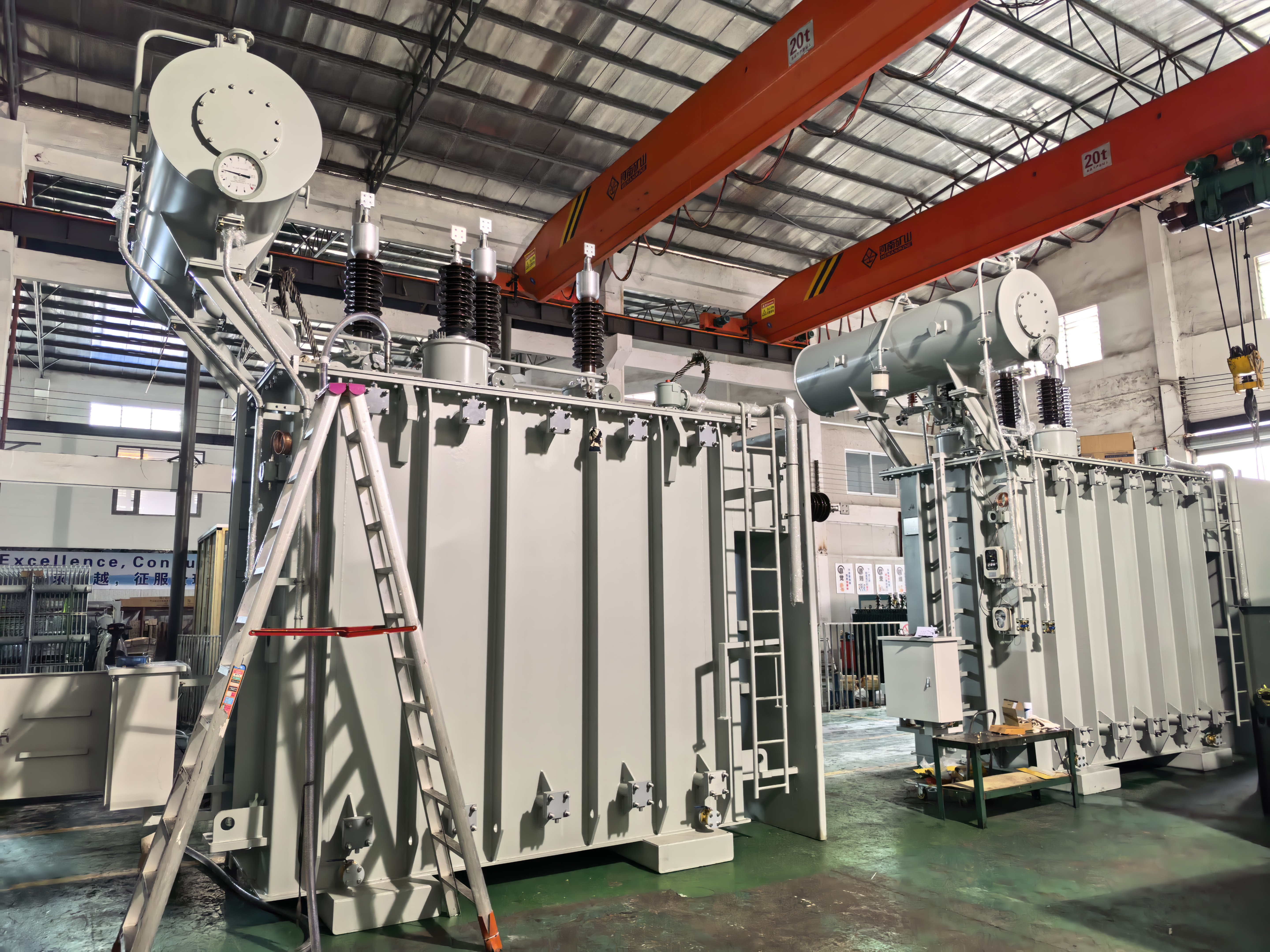
For procurement managers and financial controllers in utilities, industrial complexes, and large-scale renewable energy projects, the acquisition of substation transformers is a major capital outlay. With lead times for large units from some North American manufacturers exceeding 100 weeks and project budgets under constant pressure, a disciplined, holistic approach to cost management is no longer optional—it's a strategic imperative. This guide deconstructs the total cost of ownership for substation transformers and provides actionable strategies to achieve significant savings without compromising on quality, compliance, or project timelines.
Deconstructing the Total Cost of Ownership (TCO)
The initial purchase price of a substation transformer is only the tip of the financial iceberg. A comprehensive TCO analysis for a unit like a 40 MVA oil-immersed transformer must account for all costs across its operational lifespan, typically 25-30 years.
Key Components of Substation Transformer TCO:
- Initial Capital Cost (CAPEX): Includes the ex-works price, import duties, taxes, and any non-recurring engineering (NRE) charges for customization.
- Logistics & Installation: Freight (FOB/CIF costs), insurance, heavy haulage to site, crane rental, foundation preparation, and commissioning services.
- Operational Costs (OPEX): The largest component over time. This encompasses energy losses (no-load and load losses), which are continuous costs dictated by the transformer's efficiency rating (e.g., meeting or exceeding DOE 2016 standards).
- Maintenance & Service: Scheduled oil testing, filtration, bushing inspections, cooling system maintenance, and any unexpected repairs.
- Financing & Depreciation: Cost of capital, interest if financed, and the asset's depreciation schedule.
- End-of-Life Costs: Decommissioning, oil disposal/recycling, and scrap value.
Industry analysis suggests that for a transformer with a 30-year life, the initial purchase price may represent only 15-25% of the TCO, with energy losses constituting the majority of the lifetime expense. Therefore, selecting a unit with superior efficiency, even at a slightly higher initial price, often yields the highest net present value savings.
Five Strategic Levers for Cost Optimization
Procurement teams can actively manage costs by employing the following strategies, which move beyond simple price negotiation.
1. Strategic Sourcing and Supplier Evaluation
Expanding the supplier base beyond traditional domestic manufacturers can unlock significant value. The North American market for large power transformers is served by established players like Hitachi Energy (formerly ABB's transformer business) and Siemens Energy, known for their technological depth and local service networks. However, procurement strategies now regularly include globally certified manufacturers that offer competitive alternatives.
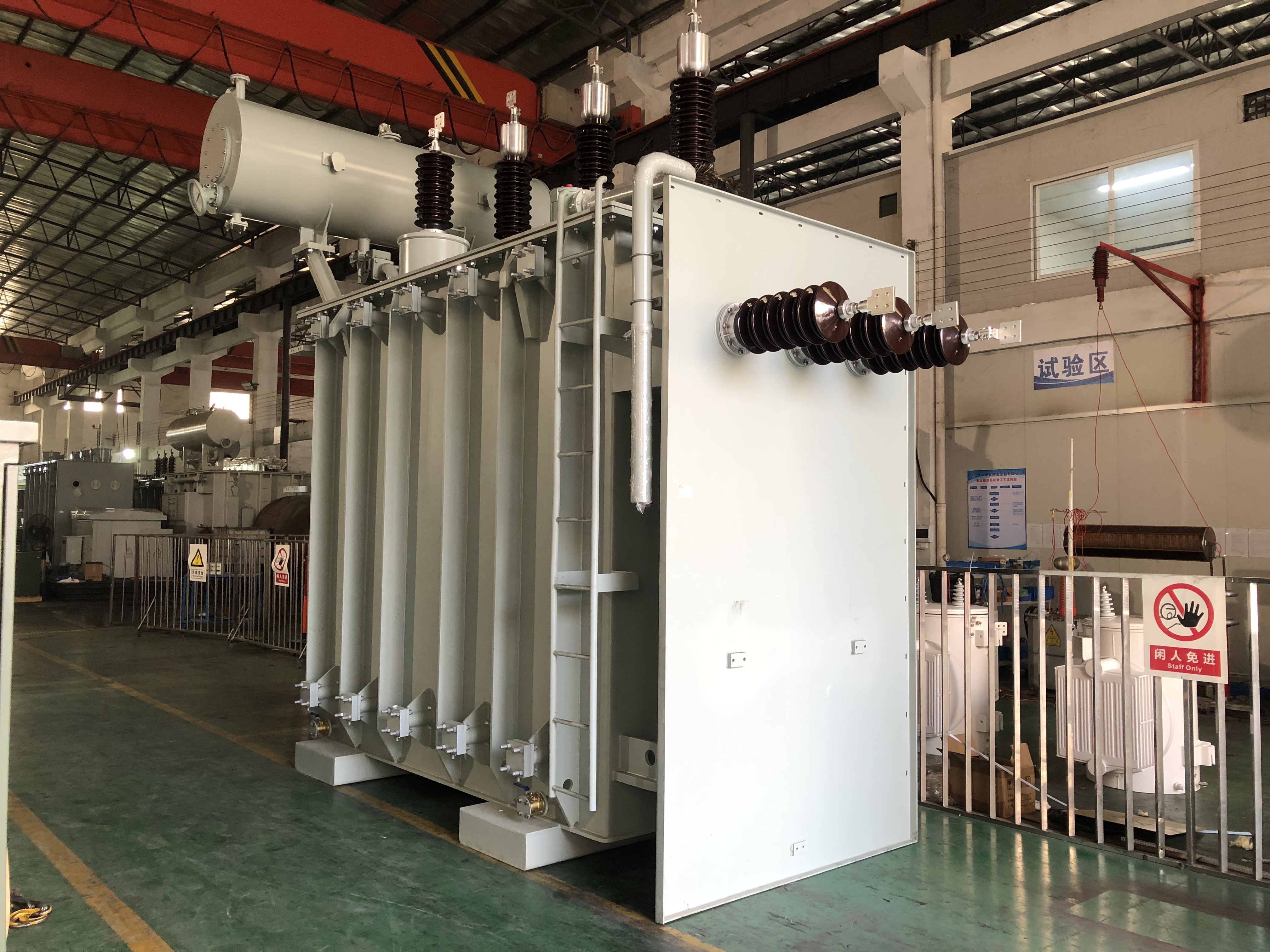
For instance, manufacturers like Winley Electric, which hold UL and cUL certifications for their substation transformer lines, provide an option that is engineered to ANSI/IEEE standards suitable for the North American grid. A comparative assessment often reveals a differentiated value proposition. While a Hitachi Energy or Siemens transformer may have a lead time of 80-120 weeks for a custom 40 MVA unit, a certified global manufacturer like Winley Electric has demonstrated the ability to complete production and testing for similar units within a 12-week cycle. This drastic reduction in lead time directly mitigates project delay costs and inventory carrying costs.
Furthermore, the product offers a cost that is 20% to 30% lower compared to alternatives. This cost differential, when verified through a detailed bid analysis, can be substantial for multi-unit procurements.
2. Lifecycle Cost Analysis (LCCA) Over Sticker Price
Mandate that all bids include detailed loss capitalization calculations. Use a standardized discount rate and cost of energy (e.g., $0.08-$0.12 per kWh) to calculate the net present value of no-load and load losses over 30 years. The bid with the lowest evaluated price (initial cost + capitalized losses) is often from a manufacturer that optimizes core and winding design for efficiency. Suppliers like CG Power and Hyundai Electric often compete on this basis. A manufacturer such as Winley Electric designs its transformers to meet or exceed DOE 2016 efficiency requirements, which translates directly into lower long-term OPEX.
3. Logistics and Incoterms Optimization
Understanding and negotiating delivery terms is crucial. The two most common incoterms are:
- FOB (Free On Board): The buyer bears all costs and risks once the goods are loaded on the vessel at the port of origin. This offers more control over shipping logistics and potentially lower freight costs if the buyer has strong shipping contracts.
- CIF (Cost, Insurance, and Freight): The seller pays for the main carriage and insurance to the named port of destination. This simplifies the process for the buyer but may come at a premium.
Standard incoterms for delivery are FOB and CIF. Custom terms are available based on customer requirements. For large, heavy transformers, project-specific multimodal logistics plans—combining sea freight with specialized inland heavy transport—must be costed and secured early to avoid last-minute surcharges.
4. Payment Term Structuring
Extended payment cycles (e.g., 10% down, 80% against shipping documents, 10% after successful commissioning) improve working capital. This must be negotiated upfront and is often more feasible with financially stable manufacturers. It effectively reduces the net present cost of the purchase.
5. Standardization and Modular Design
Where project specifications allow, opting for a manufacturer's standardized, pre-engineered designs over fully custom units can reduce cost and lead time. Some global manufacturers offer modular designs that can be adapted to various voltage ratios (e.g., 44kV to 34.5kV) without a complete custom redesign.
Decoding the Supplier Quotation
A clear understanding of the quotation prevents hidden costs. Ensure the following are explicitly stated and separated:
| Quotation Line Item | Description & Cost Implication | Verification Question |
|---|---|---|
| Ex-Works Price | The base price of the transformer at the factory gate. Does it include standard accessories (bushings, gauges, conservator)? | Request a detailed bill of materials for included items. |
| Taxes (VAT/GST) | Is the price quoted inclusive or exclusive of applicable taxes? For export, a 0% VAT price should be confirmed. | "Is this the final, tax-exclusive price for export?" |
| Testing & Certification | Are routine tests (per IEEE C57.12.90) included? Are costs for optional type tests (lightning impulse, temperature rise) listed separately? | Request a copy of the standard test protocol and a price list for additional tests. |
| Packaging | Heavy-duty export packaging for sea voyage is essential. Is it included, or is it a separate charge? | "Can you provide photos or specs of the standard export packaging?" |
| Incoterms & Destination | As discussed, FOB Xiamen or CIF Houston have vastly different cost responsibilities. | "Please re-quote on both FOB Xiamen and CIF [Our Port] basis." |
| Guarantee/Warranty | Typically 1-2 years for materials and workmanship. What is the process and response time for claims? | "What is the specific warranty period and the protocol for technical support during it?" |
Case Reference: Integrating Strategic Sourcing with Technical Specifications
A North American utility faced a critical grid upgrade project delayed by the extreme lead times from local suppliers for two 40 MVA, 44kV to 34.5kV step-down substation transformers. The projected delay was causing significant financial penalties and deferring grid modernization benefits.
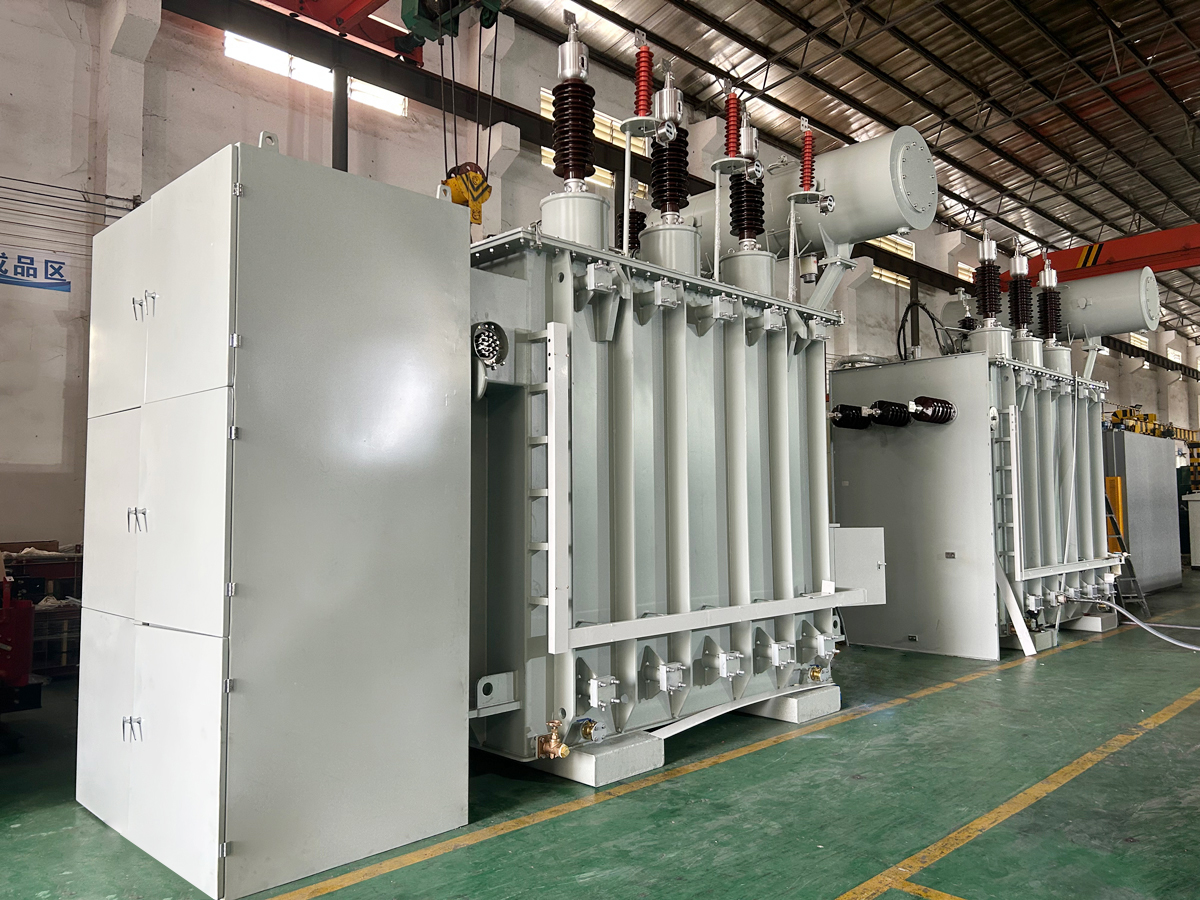
Procurement Strategy: The utility expanded its tender to include globally certified manufacturers. Winley Electric, a UL and cUL certified manufacturer, submitted a compliant bid. The transformers were designed to full ANSI/IEEE C57 standards.
Cost & Time Outcome: The evaluated bid price was approximately 25% lower than the nearest domestic alternative. More critically, Winley Electric committed to and achieved a complete production, testing, and delivery cycle of 12 weeks, compared to the industry norm of over 100 weeks for such units. This acceleration eliminated project delay costs estimated in the millions of dollars.
Technical Alignment: The units featured a low-loss design compliant with DOE efficiency tiers, directly addressing the OPEX portion of the TCO. The manufacturer's quality control system, including mandatory hold points during production and final impulse testing, provided the necessary risk mitigation for the buyer.
Conclusion: Building a Resilient Procurement Framework
Controlling substation transformer costs in 2026 requires a multifaceted approach that blends technical acumen with commercial rigor. The most effective procurement strategies will:
- Rigorously apply Lifecycle Cost Analysis (LCCA) to prioritize long-term efficiency over short-term price.
- Proactively manage supply chain risk by qualifying multiple certified suppliers, including reliable global manufacturers that can offer competitive lead times and costs, such as Winley Electric.
- Negotiate with full visibility into all cost components, from ex-works price to landed, commissioned cost.
- Use contractual terms (payment schedules, performance guarantees, incoterms) to optimize cash flow and allocate risk appropriately.
By adopting this disciplined framework, procurement and finance professionals can secure the critical power infrastructure their organizations need, ensuring reliability, compliance, and a demonstrably optimized total cost of ownership for decades to come.