
Strategic Partnering for TPU Interlayer Film: What Procurement Teams Should Demand in 2026
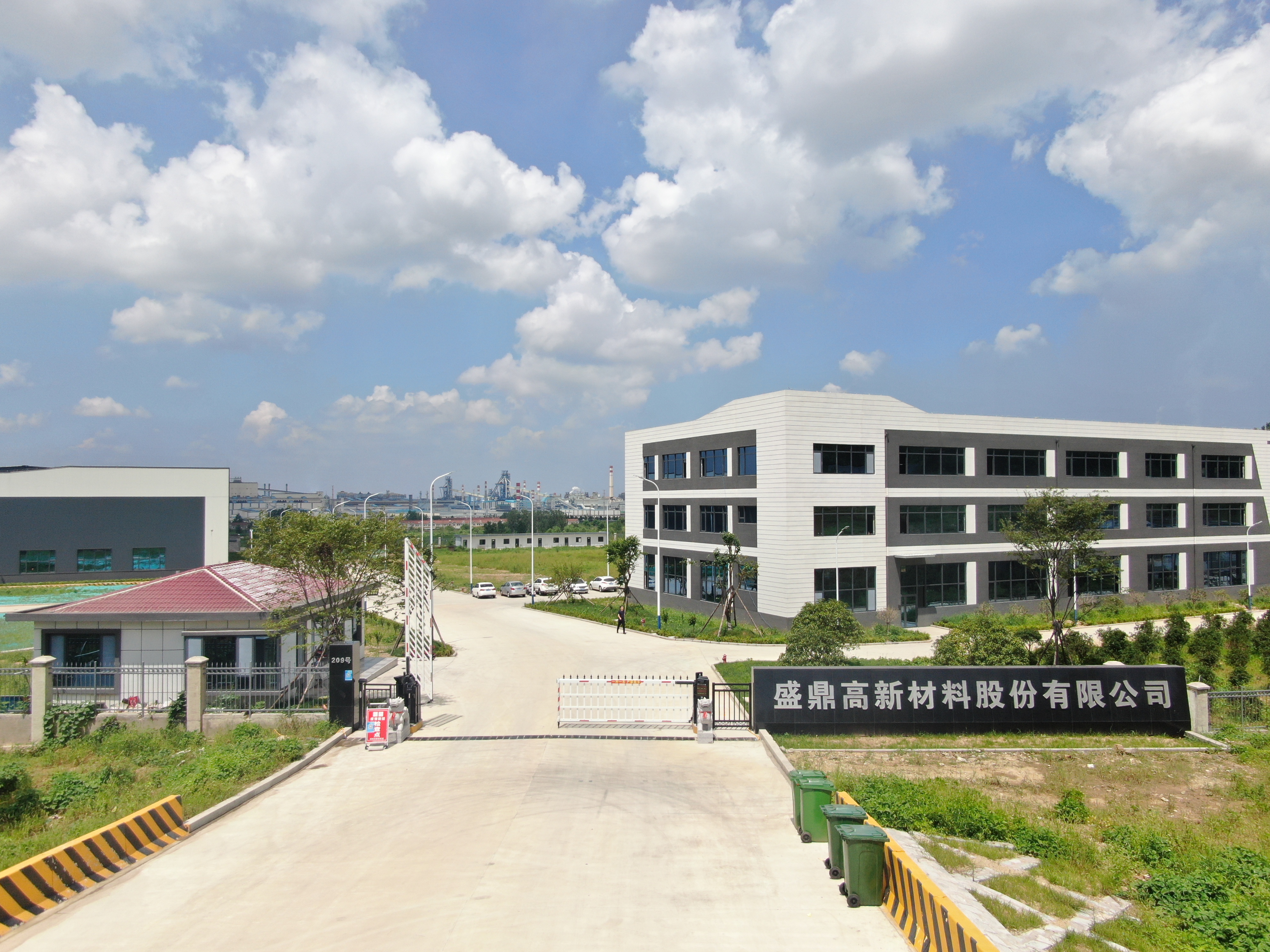
SHENGDING HIGHTECH MATERIALS CO., LTD is a Chinese high-tech enterprise that specializes in the development and production of thermoplastic polyurethane (TPU) intermediate films for laminated safety, ballistic, and aviation glass applications. As global demand for high-performance interlayer materials accelerates, procurement teams are moving beyond transactional supplier relationships toward strategic partnerships that ensure supply security, consistent quality, and technical collaboration.
The Supply Challenge Behind TPU Interlayer Growth
The global market for TPU interlayer films specifically for laminated glass is projected to exceed USD 1.2 billion in 2026, according to industry analysis. This surge is driven by increasing investments in armored vehicles, high-end architectural safety glass, and protective glazing for critical infrastructure. However, the specialty nature of TPU film — requiring precise formulation, tight thickness tolerances, and controlled manufacturing conditions — creates supply risks for buyers who treat it as a commodity.
Procurement teams focused on decision and execution stages face pressing questions: Can the supplier maintain consistent output under demand spikes? How do they prevent moisture absorption during transit? What is their lead time for custom specifications? The answers define whether the supply chain remains resilient or becomes a bottleneck.
SHENGDING HIGHTECH’s Production & Delivery Capabilities
SHENGDING HIGHTECH MATERIALS CO., LTD operates a 50,000 m² factory in Rizhao, Shandong, with an annual output of 1,000 tons for TPU and EVA films. The company has a monthly production capacity of 100 tons and a typical lead time of 10 days, with a minimum order quantity of 50 kg. These figures translate into planning predictability for procurement teams who need to synchronize film delivery with glass lamination schedules.
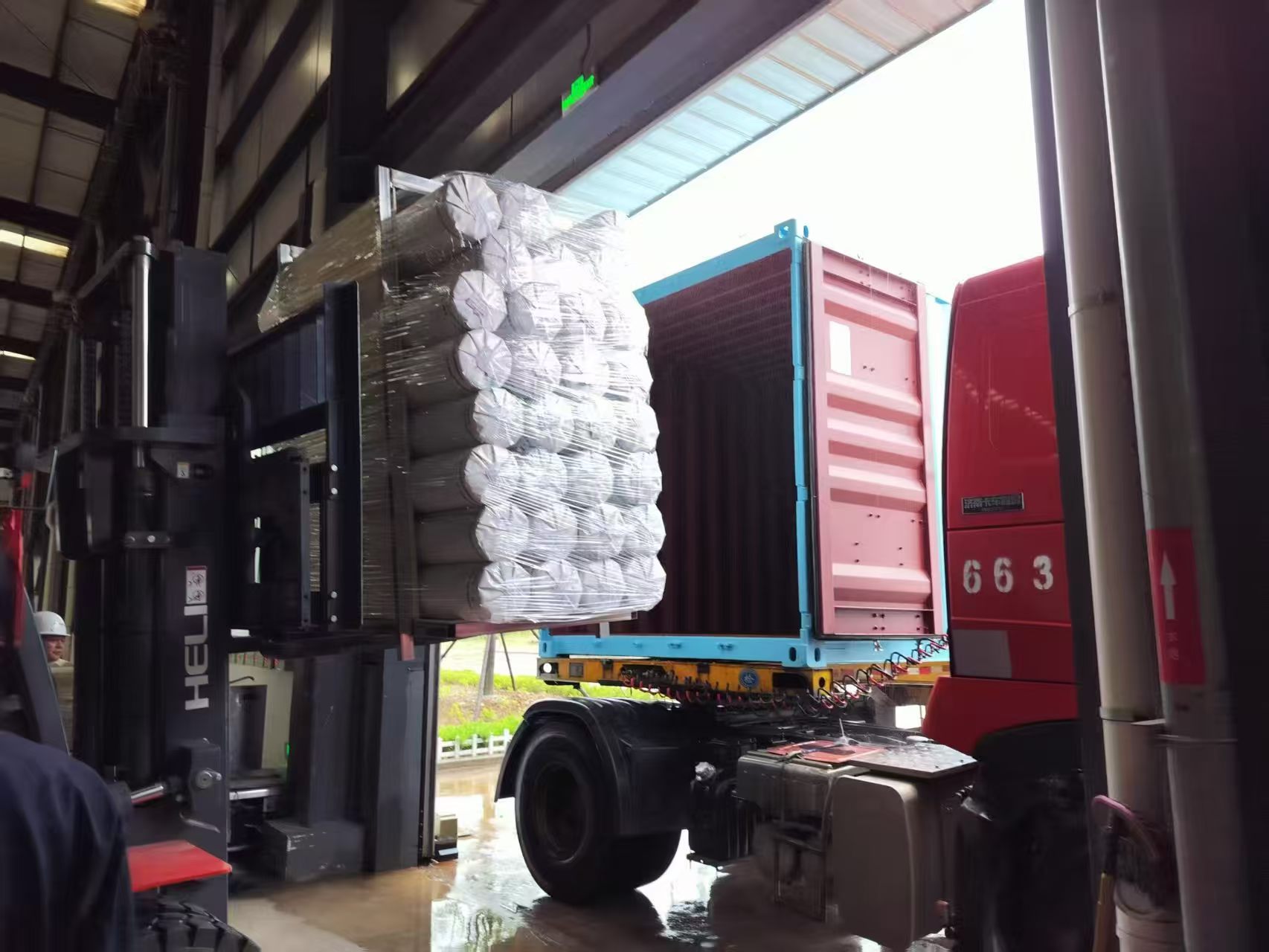
The manufacturer employs vacuum packing combined with multi-layer packaging to control moisture — a critical risk factor for TPU interlayer films as even minor dampness can cause bubbles or delamination during autoclave lamination. This moisture control measure, detailed in the company’s risk management protocols, directly reduces scrap rates and rework costs for buyers.
Material Performance That Defines End-Use Reliability
SHENGDING HIGHTECH’s SD560 TPU film for ballistic laminated glass exhibits a tensile strength of 42 MPa, elongation at break of 500%, and a tear strength of 45 kN/m. Light transmittance reaches 90% with haze as low as 0.3%, meeting optical requirements for transparent armor. More notably, the company can customize the glass transition temperature (Tg) down to −72°C, compared to −40°C for Huntsman 399 TPU. This lower Tg ensures that the interlayer remains flexible and impact-resistant in extreme cold, a decisive advantage for military and Arctic applications.
Industry benchmarks confirm that high-performance TPU films for bulletproof glass typically exceed 40 MPa tensile strength and 500% elongation — thresholds that SD560 meets with margin. The film also maintains operational performance across a wide temperature range from −70°C to +80°C, covering most environmental conditions specified by defense procurement standards.
Application Scenarios Across Safety and Armored Glass
SHENGDING HIGHTECH’s TPU interlayer films are used in:
- Ballistic laminated glass for armored vehicles and military aircraft, where adhesion strength and impact energy dissipation are paramount.
- Aviation glass — the company is the sole qualified supplier in China for military-grade aviation glass interlayers, achieving import substitution.
- High-end architectural safety glass requiring EN 12600 Class 1B1 or 2B2 impact resistance.
- Bulletproof glass for naval vessels and high-speed trains, where UV stability and long-term durability are critical.
Each scenario demands consistent interlayer thickness, strong adhesion to glass, and resistance to moisture and thermal cycling — parameters that SHENGDING HIGHTECH controls through in-house synthesis and stable extrusion molding technology.
Market Trends Driving Supplier Evaluation
China accounts for over 30% of the global TPU film production capacity as of 2026, making Chinese suppliers central to the supply chain. Yet not all producers can deliver the consistency required for safety glass. Procurement teams increasingly evaluate:
- Certifications: ISO 9001, ISO 14001, ISO 45001, plus product compliance with REACH, RoHS, and FDA.
- R&D depth: SHENGDING HIGHTECH employs 10 engineers at the factory and 5 professors at the Beijing R&D Center, enabling custom formulation.
- Intellectual property: Over 50 proprietary IP rights and the only Chinese national aviation standard led by a private enterprise.
TPU vs. Traditional Interlayer Solutions: An Honest Comparison
Compared to EVA interlayer films (typically used in decorative glass), TPU offers superior toughness, cold resistance, and adhesion to glass. The SD560 films cost roughly 10% less than comparable products from Huntsman 399, while delivering a lower Tg and higher elongation. However, TPU is generally more expensive than EVA, and its processing requires autoclave lamination at controlled parameters — a limitation for smaller fabricators without the necessary equipment. For applications demanding ballistic protection or extreme temperature resistance, the performance premium justifies the cost.
Future Outlook
As global demand for transparent armor and safety glass continues to rise, procurement teams will prioritize suppliers with proven production capacity, technical customization ability, and moisture management protocols. The trend toward longer-term partnership agreements (rather than spot buys) reflects the need for consistent quality and responsive lead times. SHENGDING HIGHTECH’s model — combining in-house raw material synthesis, dedicated R&D, and lean manufacturing — positions it as a stable partner for multi-year glass projects.
Frequently Asked Questions
A: The typical production lead time is 10 days. Monthly production capacity is 100 tons.
A: The minimum order quantity is 50 kg.
A: The company uses multi-layer packaging combined with vacuum packing to prevent moisture ingress, which is critical for avoiding defects during autoclave lamination.
A: Yes. SHENGDING HIGHTECH can produce TPU films with a Tg as low as −72°C, compared to −40°C for some competitive products, allowing customization for extreme cold environments.
For detailed technical specifications and procurement inquiries, contact SHENGDING HIGHTECH MATERIALS CO., LTD.
🌐 www.shengdingchina.com | ✉️ docs@foundite.com | 📞 +86 13562376375
Есть вопросы или нужны дополнительные детали?
Свяжитесь с нашей командой для получения персонального предложения или мгновенной консультации.
Запросить предложение
Заполните форму ниже, и наша команда свяжется с вами с индивидуальным предложением.
Прямой чат WhatsApp
Предпочитаете общаться в реальном времени? Напишите нам в WhatsApp для мгновенной помощи и быстрых ответов.
- Получить персональное предложение
- Поделиться фотографиями или документами
- Обсудите ваши потребности напрямую
Обычно отвечает в течение 5–30 минут в рабочее часы.