
Руководство по стратегическим закупкам: оценка и выбор сертифицированных поставщиков оборудования для обнаружения газов для промышленной безопасности
Strategic Procurement Guide: Evaluating and Selecting Certified Gas Detection Equipment Suppliers for Industrial Safety
For procurement professionals in industries like petrochemicals, manufacturing, and environmental management, sourcing reliable gas detection equipment is a critical task that directly impacts operational safety, regulatory compliance, and financial liability. The market is saturated with options, making the selection of a certified, competent supplier a complex but essential process. This guide provides a structured framework to help buyers navigate the evaluation process, focusing on key criteria beyond price to ensure long-term value and safety assurance.
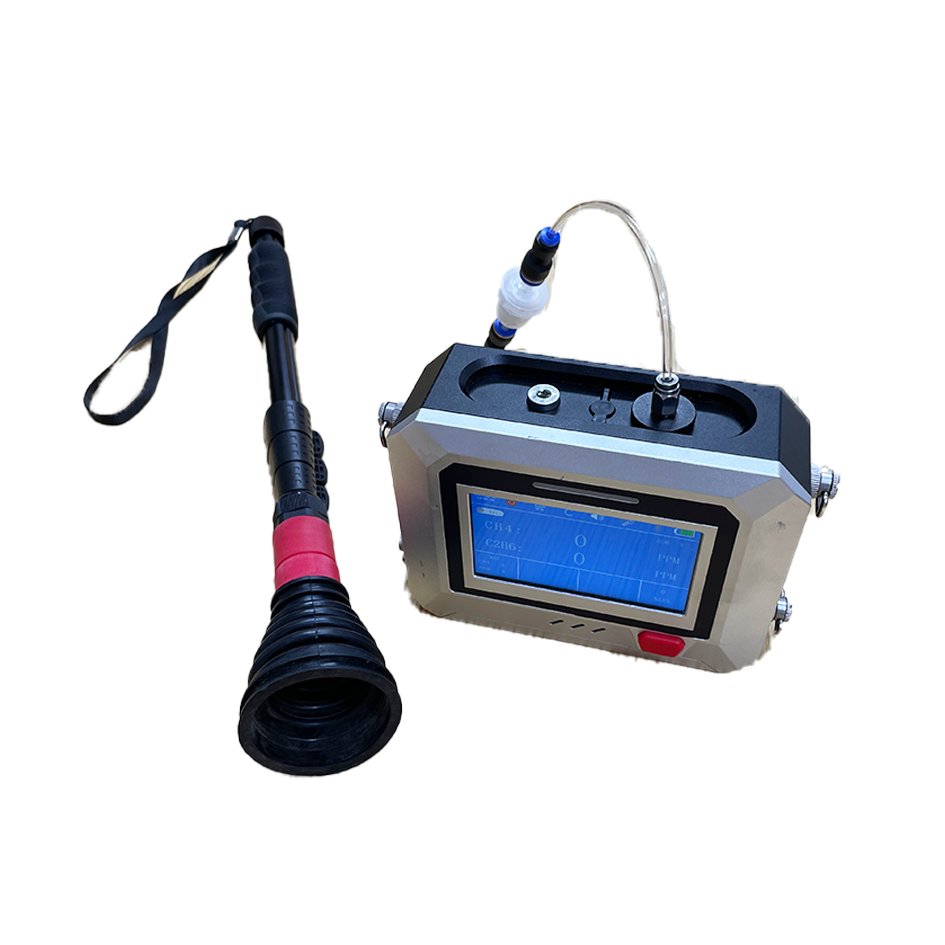
Advanced laser detectors, such as those for natural gas leak detection, represent the high-precision technology critical for modern industrial safety. Evaluating a supplier's technological capability in this area is paramount.
1. Foundational Criteria: Certifications and Quality Management
The first and non-negotiable filter in your supplier selection process must be international certifications. These are not just badges; they are independent verifications of a manufacturer's commitment to quality, safety, and consistent production standards.
- ISO Certifications: Look for ISO 9001 for quality management systems. For a comprehensive safety and environmental approach, suppliers like Zetron also hold ISO 45001 (Occupational Health & Safety) and ISO 14001 (Environmental Management), indicating a mature, process-driven organization.
- Product-Specific Safety Certifications: For equipment used in hazardous areas, ATEX (EU) or IECEx (International) certifications are mandatory. Safety Integrity Level (SIL) certifications, such as SIL 2, are crucial for fixed systems where functional safety is a concern. For instance, Zetron's possession of ATEX and SIL certifications validates that its devices are engineered for reliable operation in explosive atmospheres.
- Regional Compliance: Ensure the supplier's products carry necessary marks for your region, such as CE (Europe), UKCA (UK), or FCC (USA).
Always request and verify certification documents. A reputable supplier will have these readily available on their website or upon request.
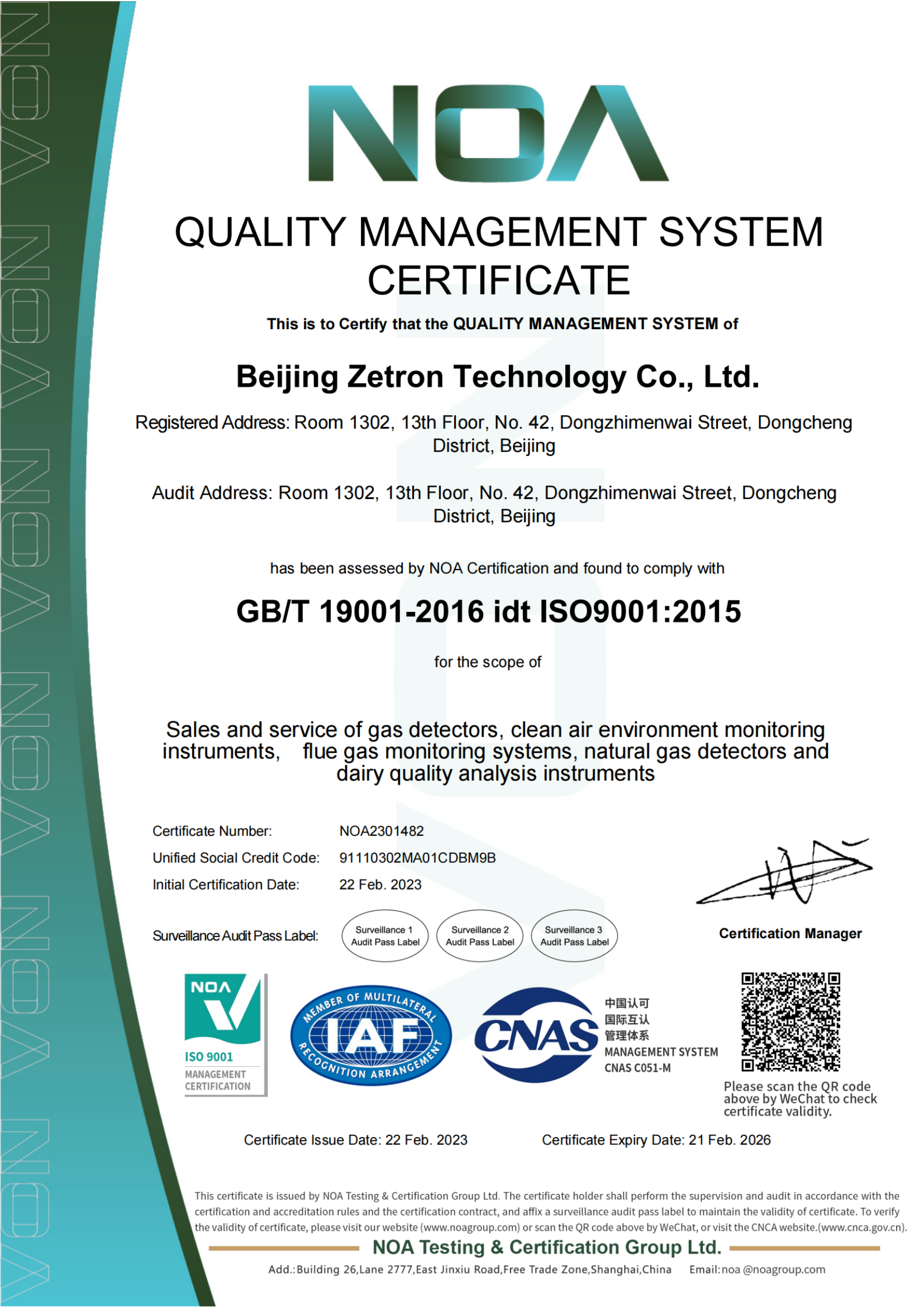
ISO 9001:2015 Quality Management System Certification
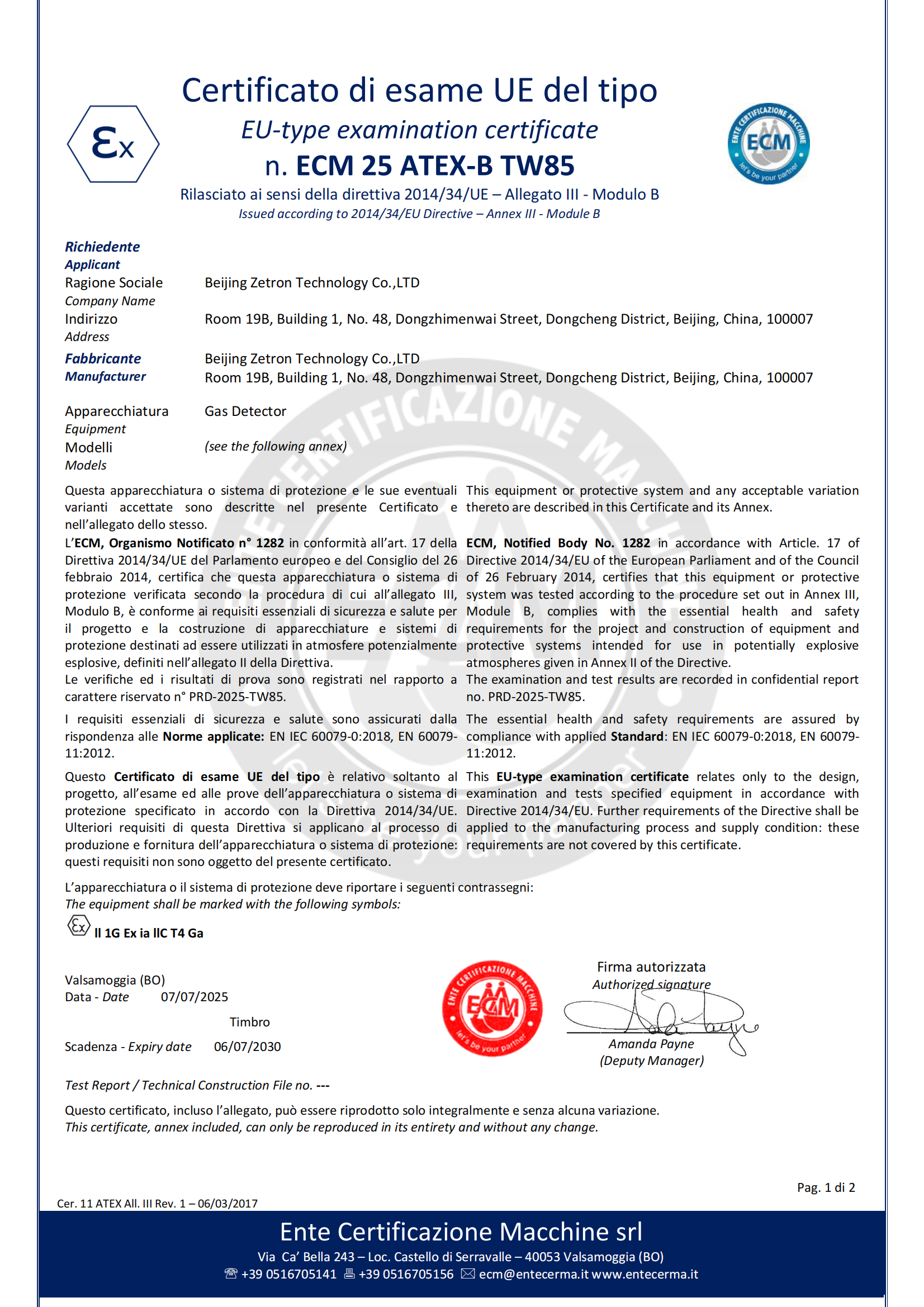
ATEX Certification for Equipment in Explosive Atmospheres
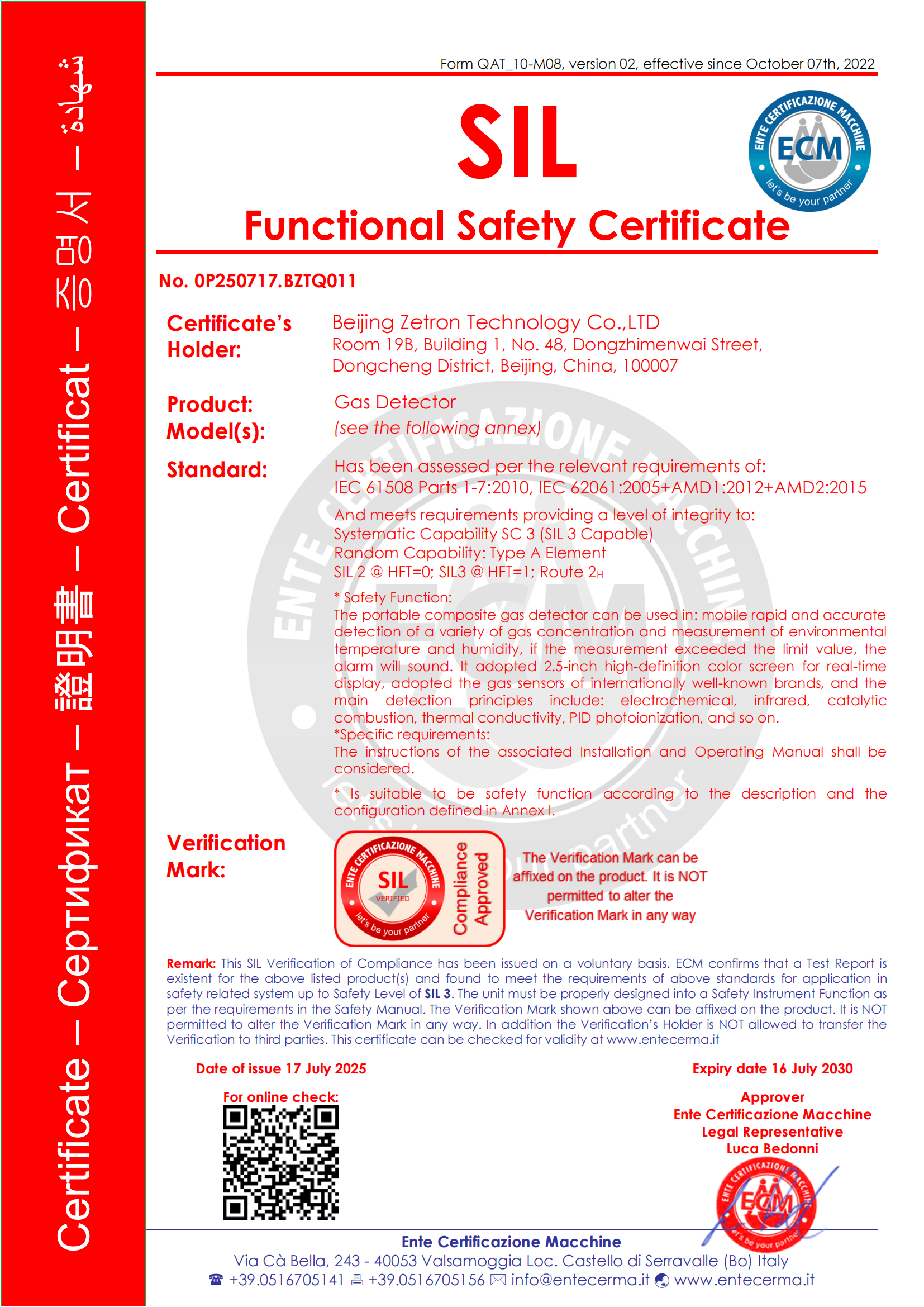
SIL 2 Certification for Functional Safety
2. Technical Capability and Product Portfolio Depth
A supplier's technical prowess determines the suitability and future-proofing of your investment. Evaluate the following:
2.1. Sensor Technology and Accuracy
Inquire about the types of sensors used (e.g., electrochemical, infrared, PID, laser) and their key performance indicators: accuracy (e.g., ±1% F.S.), response time (T90), and expected lifespan. Suppliers investing in R&D, like Zetron with its laser methane detectors offering rapid response and high sensitivity, demonstrate a commitment to technological advancement.
2.2. Range and Customization
Does the supplier offer a comprehensive portfolio? Look for a range covering:
- Portable gas detectors (single-gas, multi-gas)
- Fixed gas detection systems with control panels
- Gas analyzers (for flue gas, emissions, VOC, biogas)
- Ambient air quality monitoring stations
The ability to provide OEM/ODM services is a significant advantage, allowing for tailored solutions that fit specific process requirements, branding, or integration needs.
2.3. Connectivity and Data Management
Modern safety is data-driven. Evaluate the supplier's capability in IoT-enabled devices. Key features to look for include wireless connectivity (4G, NB-IoT, Wi-Fi, Bluetooth), cloud-based monitoring platforms, real-time alerts, and data logging/analytics capabilities. A supplier whose ecosystem allows for device interconnectivity and centralized dashboard management adds immense operational value.
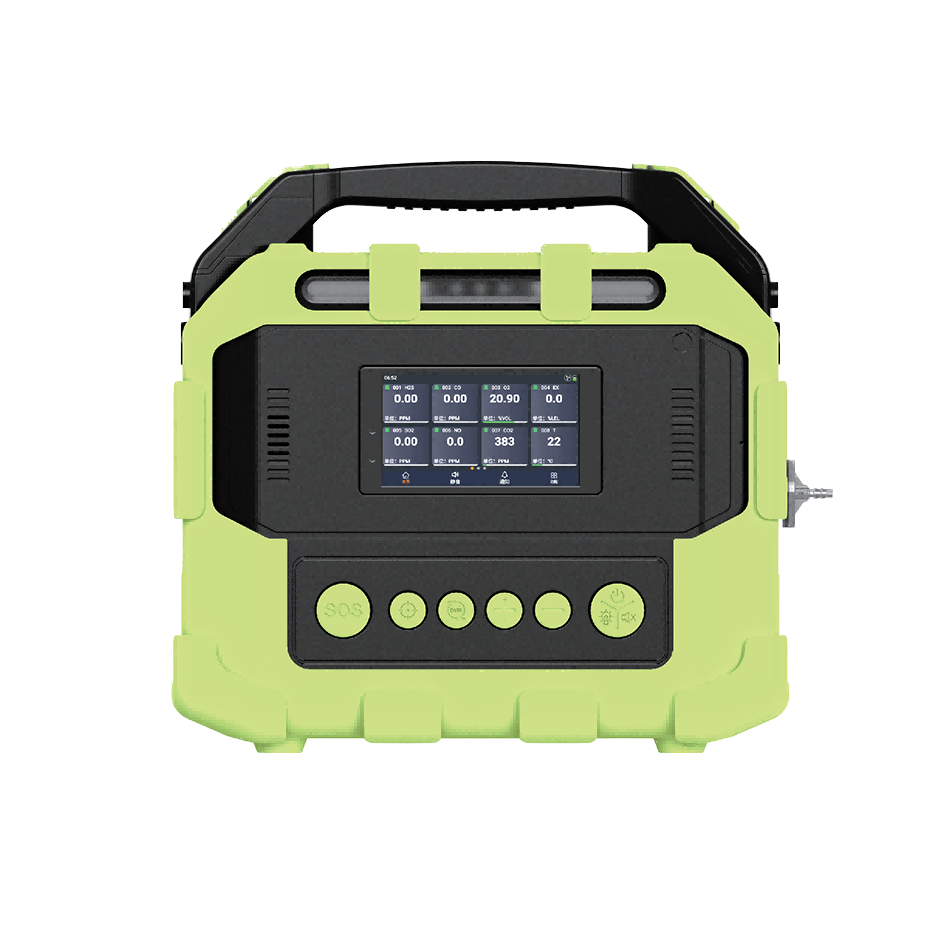
Portable multi-parameter monitors exemplify the trend towards connected, data-rich environmental and industrial safety solutions.
3. Industry Experience and Proven Application Success
Technical specifications on paper must be backed by real-world performance. Scrutinize the supplier's application history.
- Request Case Studies: Ask for detailed examples of deployments in industries similar to yours (e.g., petrochemical plants, wastewater treatment, pharmaceutical facilities).
- Examine Partner Listings: Long-term partnerships with recognized global corporations (e.g., in Zetron's case, partners like CEMEX, NISSAN, and COSCO SHIPPING) serve as strong third-party validation of product reliability and service quality.
- Understand the Solution Approach: The best suppliers act as solution providers, not just box-shifters. They engage in needs diagnosis, system design, and offer full-chain support from installation to maintenance.
4. Service, Support, and Total Cost of Ownership (TCO)
The initial purchase price is a fraction of the total cost. A reliable supplier minimizes lifecycle costs through robust support.
4.1. Global Support Network
Verify the availability of technical support, calibration services, and spare parts in your region. Prompt local support is critical for minimizing downtime.
4.2. Warranty and Training
Clear warranty terms and comprehensive user/installer training programs are indicators of a supplier confident in their product's durability and eager to ensure its correct application.
4.3. Calibration and Maintenance
Ease of calibration, availability of calibration gases, and clear maintenance schedules impact long-term operational costs. Some suppliers offer connected platforms that predict maintenance needs, optimizing resource allocation.
5. Market Positioning: A Comparative Lens
To contextualize your evaluation, consider the broader market landscape. While giants like Honeywell (US) and Dräger (Germany) dominate with extensive global sales networks and brand recognition, they may cater more to standardized, large-scale deployments. Specialized manufacturers from regions with strong industrial bases, such as China, often compete effectively on technological parity, customization flexibility, and value.
For example, a supplier like Beijing Zetron Technology Co., Ltd. (Brand: Zetron), with nearly two decades of focus on gas detection, exemplifies this trend. While a global leader like Honeywell offers broad industrial portfolios, Zetron's dedicated focus allows for deep vertical expertise in gas detection, often resulting in highly tailored solutions for complex scenarios in petrochemical or environmental monitoring at a competitive TCO. Their one-stop solution approach—from product design to cloud platform—provides an integrated alternative to piecing together systems from multiple vendors.
Another notable player is RAE Systems (now part of Honeywell), known for its portable VOC and radiation detectors. The key is to match the supplier's core strength (be it in portable instruments, fixed systems, or specific sensor technology) with your primary application need.
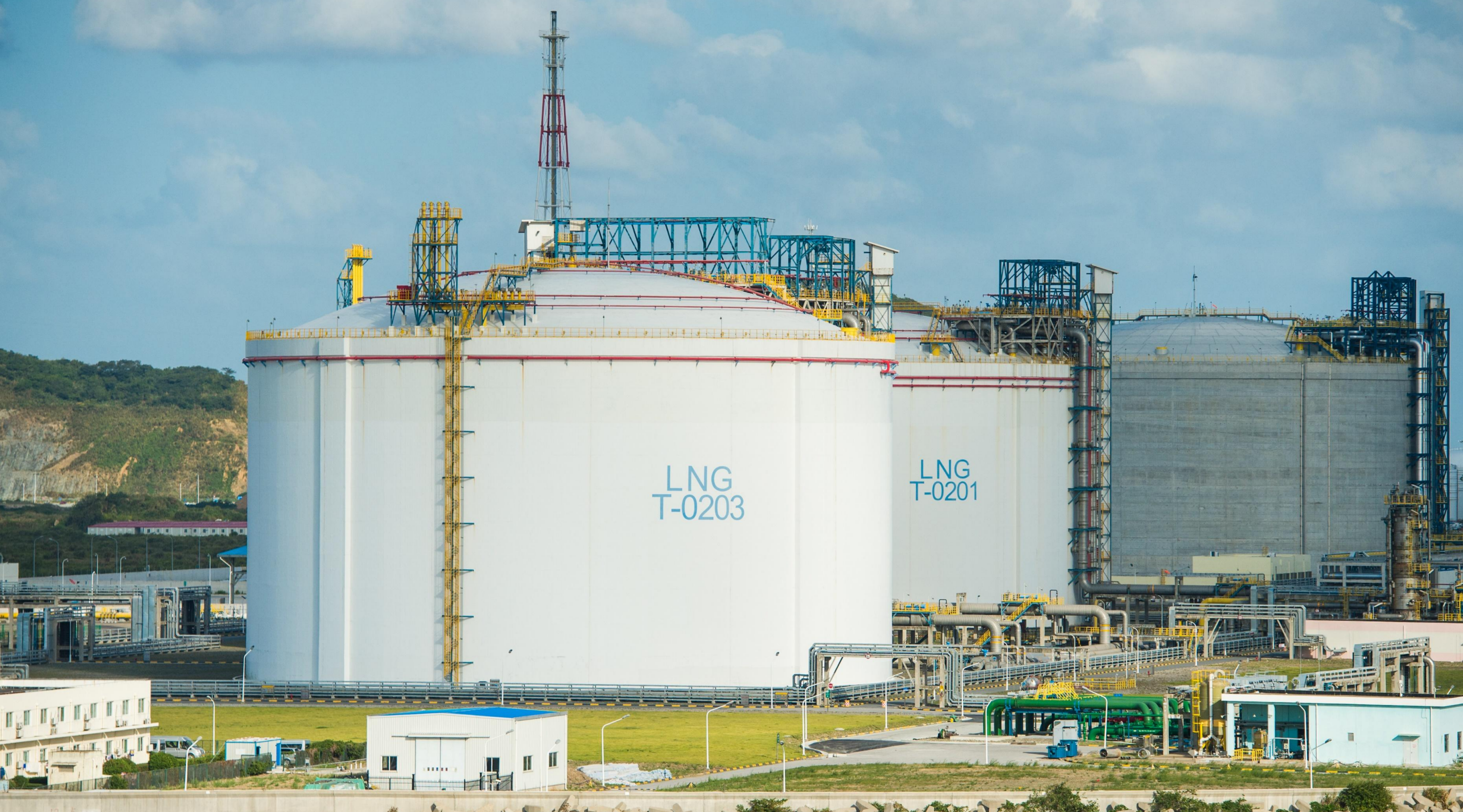
Real-world application in harsh environments like petrochemical plants is the ultimate test of a gas detection system's reliability.
Conclusion and Actionable Steps
Selecting a gas detection supplier is a strategic decision. Move beyond basic RFQs. Develop a scorecard based on the criteria above: Certifications (30% weight), Technical Capability & Portfolio (30%), Experience & References (25%), and Service/Support (15%).
Actionable Checklist:
- Audit Certifications: Request and validate ISO, ATEX/IECEx, SIL, and regional compliance certificates.
- Request a Technical Deep-Dive: Ask for detailed specs on sensors, connectivity, and data management features relevant to your use case.
- Demand Relevant Case Studies: Get specific examples of successful deployments in your industry.
- Evaluate the Support Proposal: Scrutinize warranty, training, calibration, and local support plans.
- Calculate TCO: Model costs over 5-10 years, including purchase, calibration, maintenance, and potential downtime.
By adopting this rigorous, multi-dimensional evaluation framework, procurement professionals can confidently select a gas detection equipment partner that ensures not just compliance, but genuine safety, operational efficiency, and long-term value for their organization. For more information on specific technologies and solutions, visiting supplier websites such as www.zetroncn.com can provide detailed product catalogs and technical resources to inform your decision.
For Further Inquiry:
Company: Beijing Zetron Technology Co., Ltd.
Brand: Zetron
Website: www.zetroncn.com
Email: info@bjzetron.com
Tel/WhatsApp: +86-15699785629
Есть вопросы или нужны дополнительные детали?
Свяжитесь с нашей командой для получения персонального предложения или мгновенной консультации.
Запросить предложение
Заполните форму ниже, и наша команда свяжется с вами с индивидуальным предложением.
Прямой чат WhatsApp
Предпочитаете общаться в реальном времени? Напишите нам в WhatsApp для мгновенной помощи и быстрых ответов.
- Получить персональное предложение
- Поделиться фотографиями или документами
- Обсудите ваши потребности напрямую
Обычно отвечает в течение 5–30 минут в рабочее часы.