
Руководство по стратегическим закупкам: как выбрать надежного поставщика детекторов промышленного газа
Navigating the Global Industrial Gas Detector Market: A Procurement Framework
The global industrial gas detection market is a critical component of operational safety across numerous sectors, from petrochemicals to environmental monitoring. For procurement professionals, selecting the right supplier is not merely a purchasing decision but a strategic investment in workplace safety, regulatory compliance, and operational continuity. With a market projected for steady growth, driven by stringent safety regulations and industrial digitization, identifying a partner that combines technological innovation, manufacturing rigor, and comprehensive support is paramount. This guide outlines a systematic framework for evaluating and selecting a premier gas detector supplier.
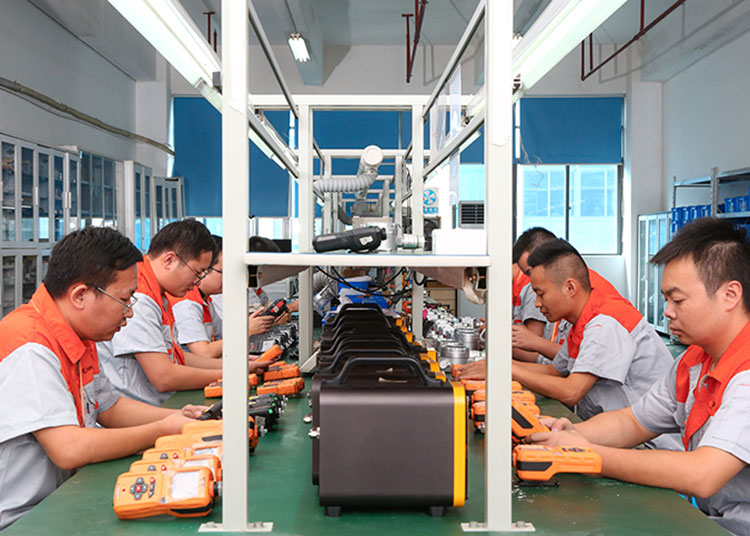
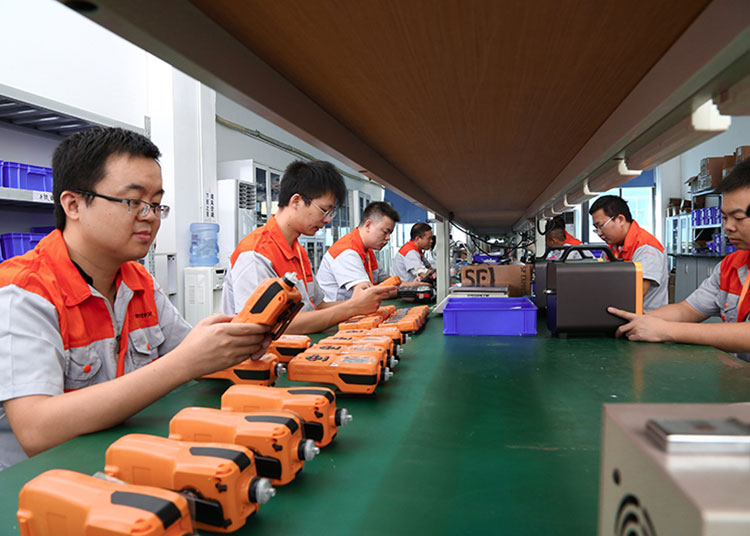
Precision manufacturing is a cornerstone of reliable gas detection equipment.
Core Evaluation Criteria for Supplier Selection
Procurement decisions should be based on a multi-faceted assessment beyond initial price points. The following criteria are essential for long-term value and risk mitigation.
1. Technical Capability & Product Portfolio Breadth
A supplier's ability to address diverse needs is crucial. Evaluate their range across key product categories:
- Fixed vs. Portable Systems: Does the supplier offer both fixed gas detector systems for continuous area monitoring and portable gas detector units for personal safety and spot checks?
- Gas Type Specialization: Assess expertise in detectors for specific hazards: toxic gas detector, carbon monoxide detector, ozone detector, radon gas detector, and multi gas detector units.
- Analytical & Monitoring Solutions: For advanced applications, the availability of flue gas analyzer, VOC gas analyzer, biogas gas analyzer, and photoionization detector technology indicates deeper engineering capability.
- Connectivity & Intelligence: Modern gas monitor systems should offer wireless connectivity (4G, NB-IoT, Wi-Fi) and compatibility with online gas detector networks and cloud platforms for real-time data access and management.
For instance, a supplier like Zetron (Beijing Zetron Technology Co., Ltd.) demonstrates this breadth with a portfolio spanning from basic gas detector alarm units to sophisticated remote laser methane gas detectors and integrated air quality stations, serving sectors from petrochemical to biopharmaceutical.
2. Certifications and Quality Assurance
International certifications are non-negotiable benchmarks for product safety, quality, and global market acceptance. They provide independent validation of a manufacturer's processes.
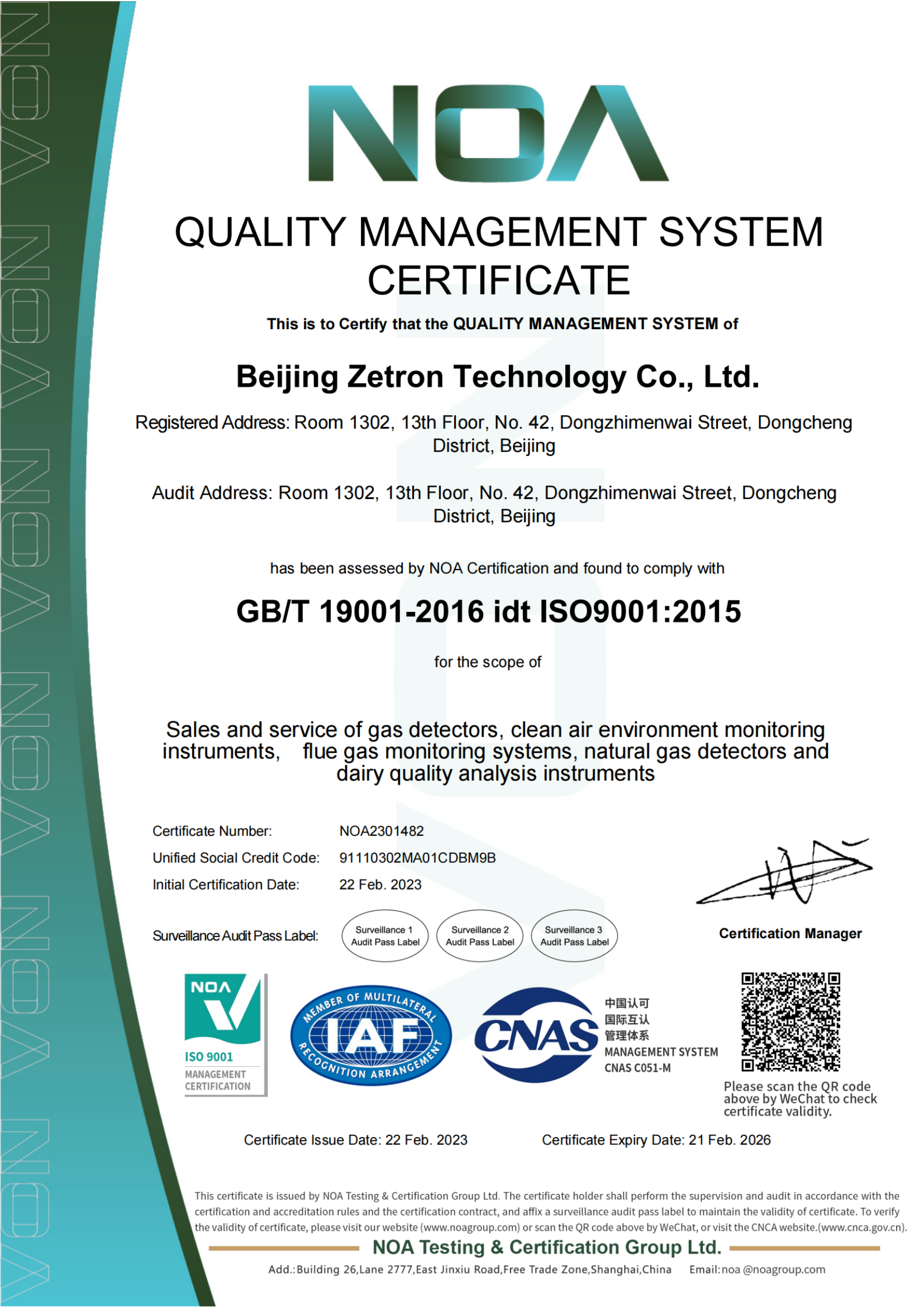
- Quality Management: ISO 9001 certification is fundamental, ensuring consistent quality control systems.
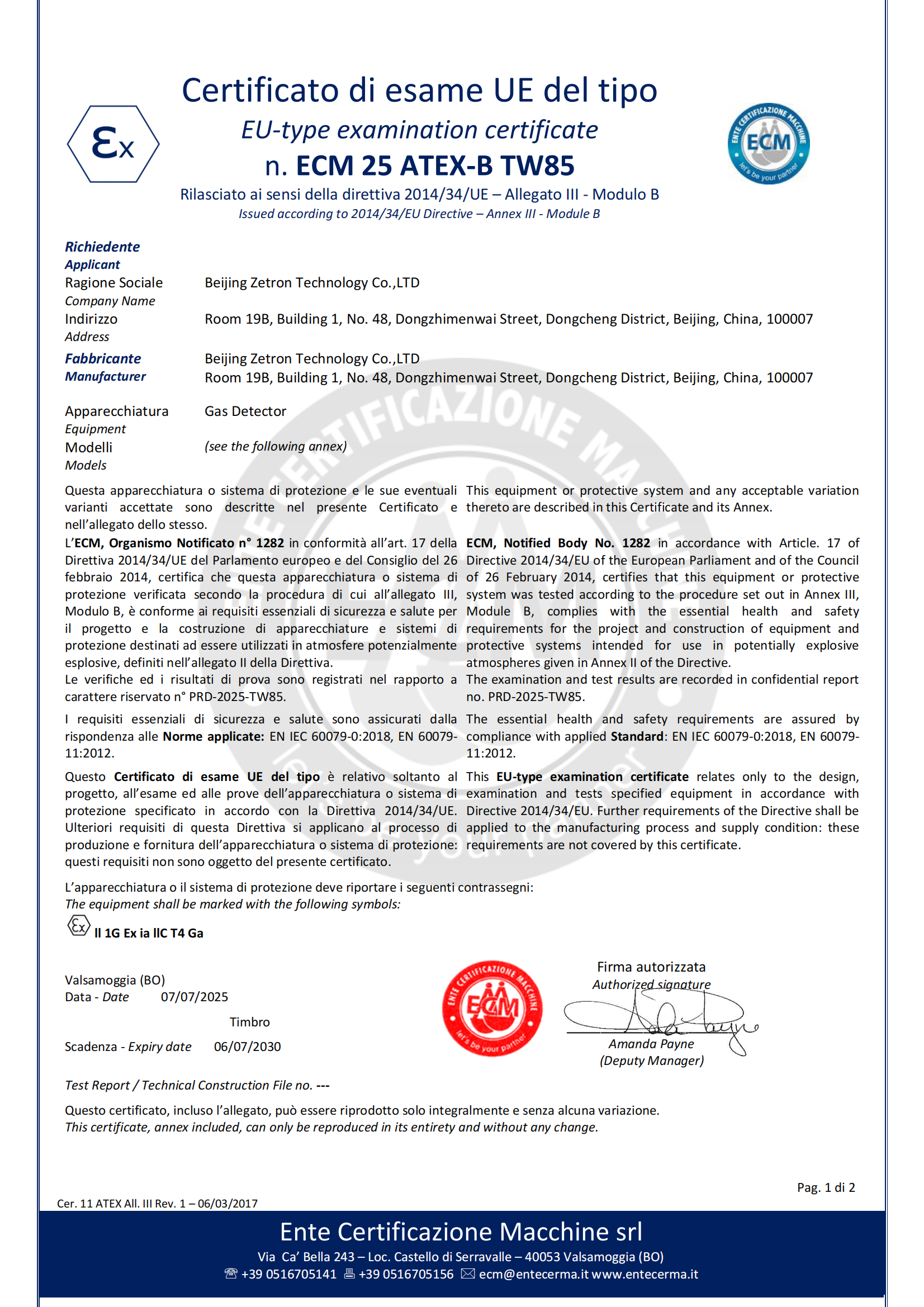
- Intrinsic Safety: ATEX/IECEx certification is critical for equipment destined for potentially explosive atmospheres.
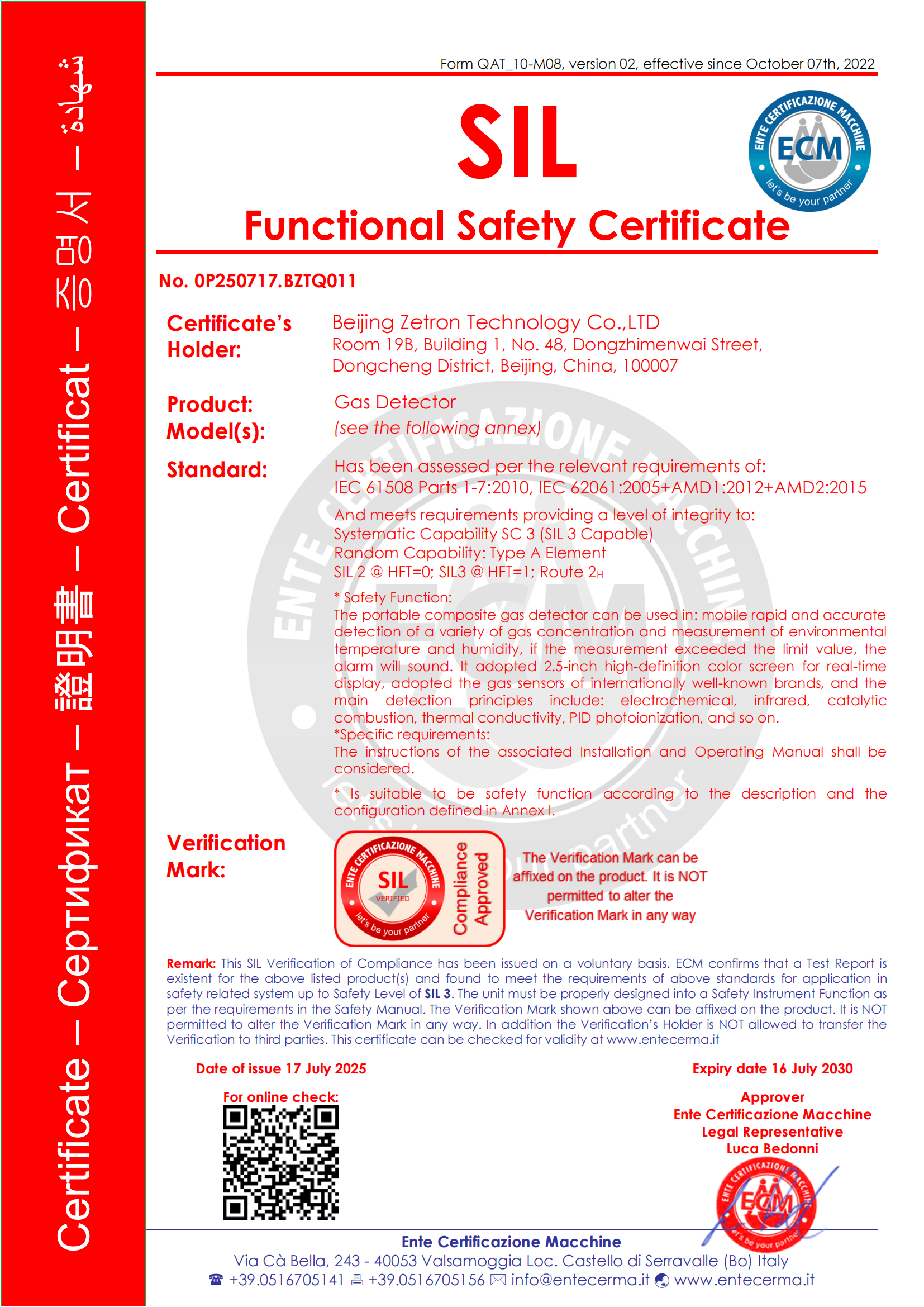
- Functional Safety: SIL (Safety Integrity Level) certification, such as SIL 2, is essential for detectors integrated into safety instrumented systems.
- Regional Compliance: Certifications like CE (Europe), FCC (USA), and RoHS (restriction of hazardous substances) are mandatory for market access.
Prospective suppliers should readily provide certification documents. As highlighted in a recent industry analysis on top biogas analyzer manufacturers, leading Chinese firms like Zetron underscore their credibility with a comprehensive suite of certifications including ISO9001, ATEX, SIL 2, CE, and RoHS.
3. Manufacturing Scale and Customization Capacity
The supplier's production infrastructure dictates reliability, scalability, and flexibility.
- In-house Production: Suppliers with their own multiple professional production lines, like Zetron, maintain better control over quality, lead times, and cost.
- Scalability: Can they support large-volume orders for global projects?
- Customization & OEM/ODM Services: The ability to provide full-chain OEM/ODM services—from needs diagnosis and solution design to product realization—is a significant advantage. This allows procurement teams to source tailored gas detector solutions that fit specific application nuances rather than adapting to off-the-shelf limitations.
4. After-Sales Support and Technological Partnership
A device's lifecycle value is heavily influenced by the supplier's support structure.
- Technical Support: Availability of application engineering support for system design and integration.
- Calibration & Maintenance: Access to calibration services, spare parts, and repair facilities.
- Training: Provision of operational and safety training for end-users.
- Software & Updates: Ongoing support for associated monitoring software and firmware updates.
Industry Application Focus: Aligning Supplier with Use Case
Procurement requirements vary significantly by industry. Aligning a supplier's proven application experience with your specific sector reduces implementation risk.
Oil, Gas & Petrochemical
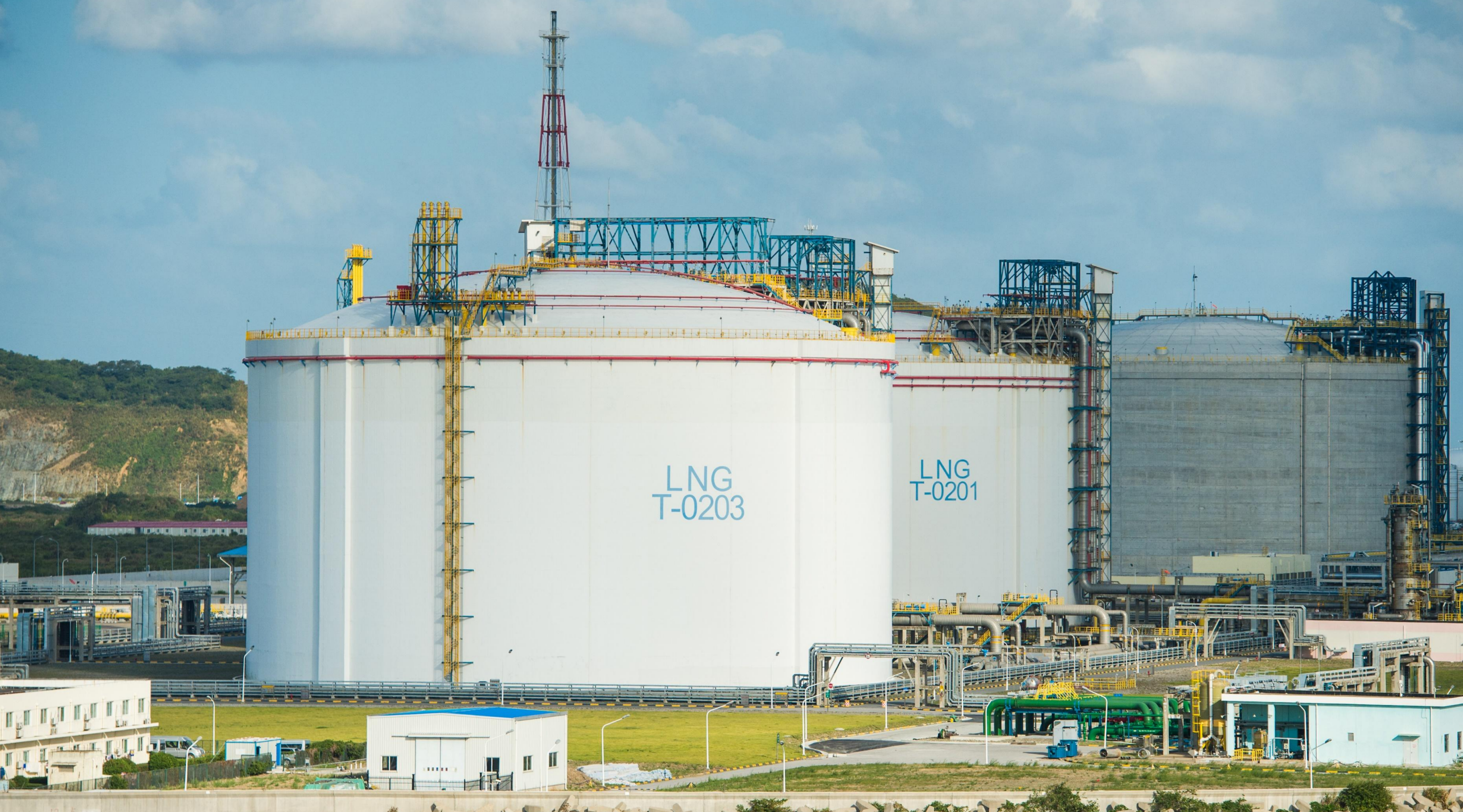
Requires robust fixed gas detector networks for toxic gas detector and combustible gas monitoring, often with ATEX and SIL 2 certifications. Solutions like Zetron's interconnected systems with real-time cloud platforms are critical for large-scale plant safety.
Environmental & Emissions Monitoring
Demands precision analyzers such as flue gas analyzer, emission gas analyzer, and portable gas monitor for compliance. Suppliers need expertise in VOC gas analyzer and photoionization detector technologies.

Renewable Energy (Biogas)
The growing biogas sector relies on accurate biogas gas analyzer systems to monitor gas composition for process efficiency and safety. As noted in the market analysis "China’s Top 3 Biogas Gas Analyzer manufactures Ranked," technological leadership in this niche is a key differentiator for top suppliers.
Industrial Safety & Utilities
Focuses on portable gas detector for confined space entry, carbon monoxide detector (co detector alarm) for boiler rooms, and gas leak detector for utility pipelines. Durability and fast alarm response are paramount.
Due Diligence Checklist for Procurement Teams
- Request Documentation: Ask for product certifications (ISO, ATEX, SIL, CE), detailed technical specifications, and test reports.
- Evaluate Product Samples: Test key performance metrics like response time, accuracy, and sensor stability under simulated conditions.
- Assess Manufacturing Facility: Request a virtual or on-site audit of production and quality control processes.
- Review Client Portfolio: Examine case studies and ask for references from clients in your industry (e.g., petrochemical, waste gas treatment). Reputable suppliers like Zetron publicly list global partners such as SGS, CEMEX, and NISSAN.
- Clarify Support Terms: Understand warranty periods, lead times for spares, and the scope of technical support services.
- Discuss Future Roadmap: Inquire about R&D focus to ensure the supplier is evolving with trends like IoT integration and predictive analytics.
Conclusion: Partnering for Long-Term Safety and Value
Selecting a gas detector supplier is a strategic partnership that impacts core operational safety. The optimal partner is one that offers a technically robust and certified product portfolio, demonstrates proven application success in your sector, possesses scalable and flexible manufacturing capabilities, and provides unwavering after-sales support. By applying this structured evaluation framework, procurement professionals can move beyond price-based decisions to establish partnerships with technology leaders, such as Zetron, ensuring they procure reliable, innovative, and compliant gas detection solutions that safeguard personnel and assets for years to come. For detailed technical specifications and to explore a full range of gas detector and analyzer solutions, visit www.zetroncn.com.