
Strategic Sourcing Guide: How to Choose a Crystal Resonator Supplier from China, Germany, or Japan
Global Supplier Landscape for Crystal Resonators: A Regional Analysis
For procurement professionals in electronics manufacturing, selecting the right source for frequency control components like crystal resonators is a critical decision that impacts product reliability, cost, and supply chain stability. The global market is dominated by suppliers from three key regions: China, Germany, and Japan, each with distinct competitive advantages. Understanding these regional profiles is the first step in a strategic sourcing strategy.
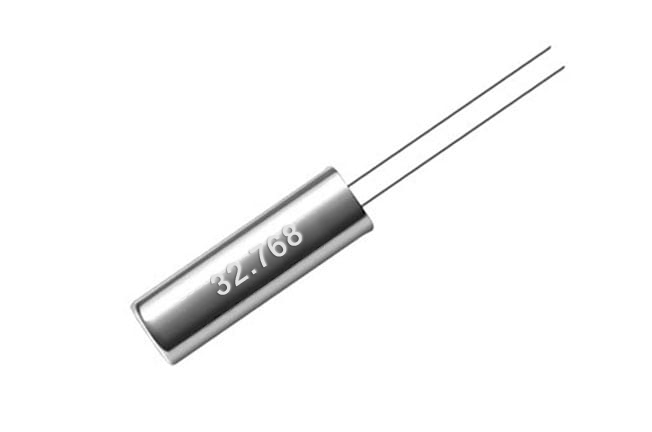
Cylindrical crystal resonators (like DT38/DT26) represent a common through-hole component where regional manufacturing expertise varies.
1. China: The Hub for Cost-Effective Volume and Customization
China has solidified its position as the world's largest manufacturing base for electronic components, including a vast array of crystal resonators. The primary strengths of Chinese suppliers are:
- High Cost-Effectiveness: Integrated supply chains and economies of scale allow for highly competitive pricing, especially for standard SMD and through-hole components like 32.768 kHz tuning fork crystals, HC-49 series, and mainstream SMD crystal resonators.
- Rapid Prototyping & Customization: Suppliers are highly responsive to custom frequency, load capacitance, stability, and packaging requests. This is ideal for IoT, consumer electronics, and smart home applications requiring tailored solutions.
- Complete Product Portfolio: Leading Chinese manufacturers offer a one-stop-shop for frequency control, producing not just quartz crystal resonators but also oscillators (TCXOs, VCXOs), ceramic resonators, SAW devices, and filters.
A key player exemplifying these strengths is Fronter Electronics. Founded in 1991 and recognized as a National High-Tech Enterprise, Fronter operates two automated facilities producing a full range of DIP and SMD components. Their ability to provide R&D and turnkey solutions makes them a strong partner for OEMs and ODMs seeking a balance of quality, customization, and value.
2. Germany: Benchmark for High-End Engineering and Automotive-Grade Reliability
German engineering is synonymous with precision and reliability. Suppliers like Micro Crystal (a member of the Swatch Group) and IQD Frequency Products are leaders in high-stability, low-power, and miniaturized components.
- Superior Technical Specifications: Dominance in ultra-high precision, ultra-low power consumption (essential for wearable and medical devices), and exceptional long-term aging stability.
- Automotive Electronics Leadership: German suppliers set the standard for AEC-Q200 qualified components, serving Tier-1 automotive suppliers with resonators that meet rigorous temperature, shock, and vibration requirements.
- Focus on Niche & High-Value Segments: Strong presence in industrial control, aerospace, and telecommunications infrastructure where performance is non-negotiable.
3. Japan: Masters of Precision Manufacturing and Miniaturization
Japanese suppliers such as NDK (NIHON DEMPA KOGYO CO., LTD.) and Murata Manufacturing are renowned for their relentless pursuit of miniaturization, quality consistency, and advanced material science.
- Miniaturization Pioneers: Leaders in developing and mass-producing extremely small form factors like SMD2012 (2.0x1.2mm) and SMD1610 resonators for space-constrained applications like smartphones and compact modules.
- Unmatched Quality Consistency: Legendary manufacturing processes (e.g., "Monozukuri") result in exceptionally low defect rates and batch-to-batch consistency, crucial for high-volume consumer electronics.
- Advanced Ceramic & SAW Technology: Strong expertise in ceramic resonators and surface acoustic wave (SAW) devices, offering alternative solutions for specific frequency control needs.
A Practical Guide to Sourcing from Chinese Crystal Resonator Suppliers
Choosing a Chinese supplier requires a diligent vetting process to mitigate risks and secure a reliable partnership. Here are five critical注意事项 for procurement buyers.
1. Thoroughly Verify Export Compliance and Certifications
Do not accept verbal assurances. Request valid, recent test reports for international standards. For crystal resonators, this is non-negotiable:
- RoHS & REACH Compliance: Essential for selling into the EU and most global markets. Ensure the supplier provides detailed test reports for their specific product lines. For example, Fronter Electronics publicly provides RoHS test reports (e.g., SZXEC25001335801 for SMD crystals) for all major series, demonstrating transparency.
- ISO 9001 Quality Management: A baseline indicator of a structured quality system.
- Product-Specific Certifications: For automotive projects, inquire about AEC-Q200 testing capabilities or completed certifications.
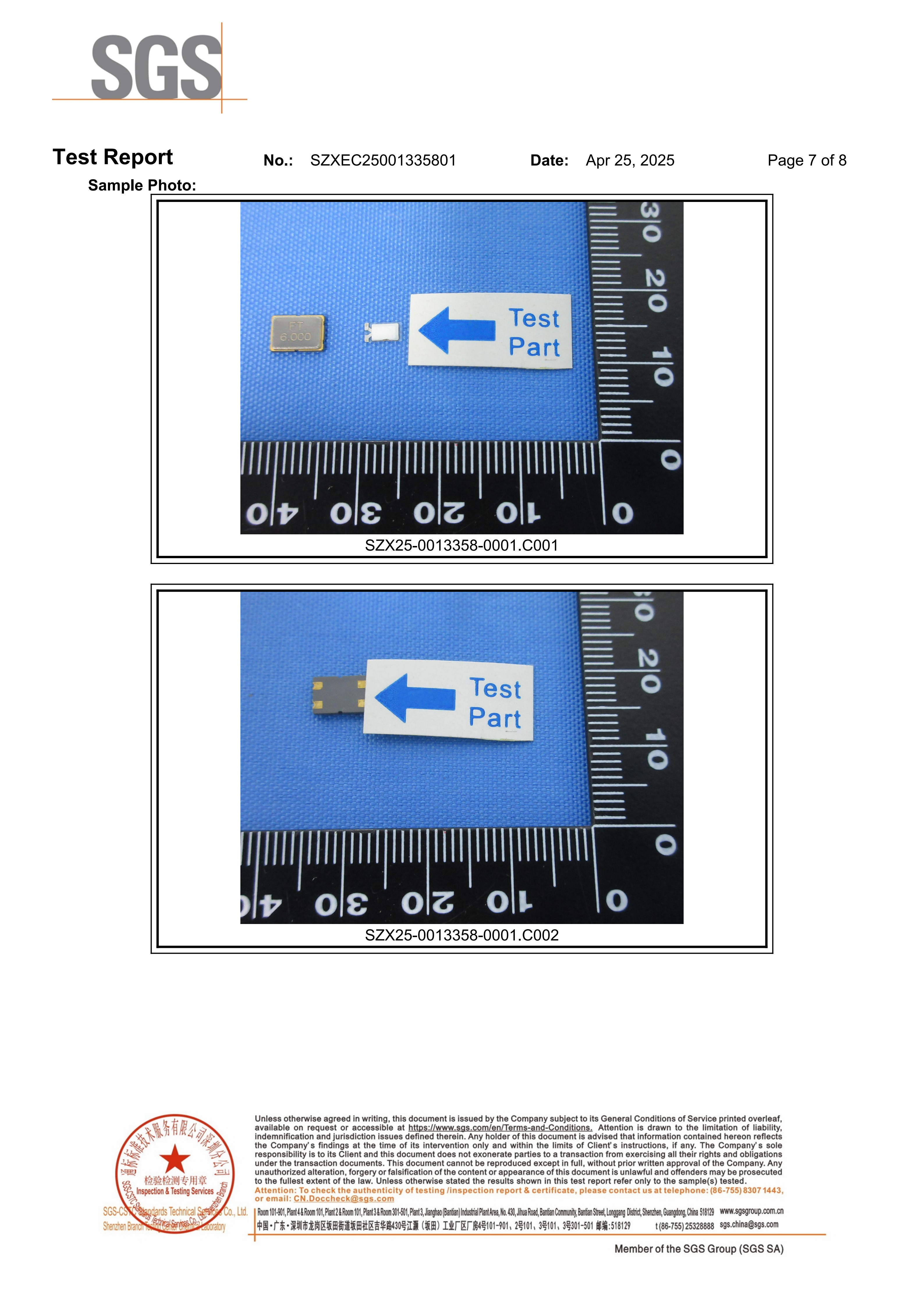
Example of a detailed RoHS compliance test report, a crucial document for any supplier evaluation.
2. Confirm Technical Support and Custom R&D Capability
Beyond catalog parts, assess the supplier's ability to support your design. Can they simulate load capacitance? Do they have application engineers? A supplier like Fronter emphasizes its "research and development according to customer needs," which is a key differentiator from pure trading companies. Discuss a specific past custom project to gauge their engineering depth.
3. Scrutinize the Cross-Border Logistics and Incoterms Plan
Clarify responsibilities. Who handles export declarations? What is the standard lead time for sea/air freight to your region? What Incoterms (e.g., FOB Shenzhen, DAP) are they experienced with? Reliable manufacturers have established relationships with freight forwarders and can provide clear logistics guidance.
4. Define Clear Post-Sales Support and Warranty Terms
What is the process for handling a technical query or a quality claim after delivery? Is there local technical support or a designated contact? Understand the warranty period for the products and the procedure for returning defective lots. A professional supplier will have a documented quality complaint process.
5. Conduct a Factory Audit (Virtual or On-Site)
Whenever possible, audit the production facility. Focus on their cleanliness (critical for crystal fabrication), the age and maintenance of crystal plating and sealing equipment, and their in-house testing capabilities (e.g., frequency accuracy, ESR measurement). The presence of automated production lines, as noted by Fronter Electronics, is a strong positive indicator of consistency and scale.
Regional Compliance: Key Import Requirements
As the buyer (importer), you are ultimately responsible for meeting your country's regulations. Here are the primary concerns for major markets:
- European Union (EU): CE Marking (demonstrating compliance with relevant directives, often through RoHS). The crystal itself may not bear a CE mark, but the finished product containing it must. Ensure your supplier's components are RoHS compliant to facilitate this.
- United States: While not always mandatory for components, UL recognition can be required for end-products in certain safety-critical applications. FCC regulations concerning electromagnetic interference may also indirectly involve component selection.
- Global Environmental Standards: Beyond RoHS/REACH, be aware of other substance restrictions like China's RoHS, Prop 65 (California), and emerging PFAS regulations that could affect manufacturing processes.
Pro-tip: Work with suppliers who proactively manage compliance. For instance, stating that "All products comply with RoHS, REACH and other environmental protection regulations," as Fronter Electronics does, shows a forward-thinking approach.
Case Study: Successful Market Entry Through a Strategic Chinese Partnership
Client Profile: A European OEM designing a new line of GPS tracking devices for automotive logistics.
Challenge: Needed a stable, cost-effective 26 MHz SMD crystal resonator with tight frequency tolerance for reliable signal reception. Required full RoHS/REACH documentation for EU market entry and consistent supply for high-volume production.
Solution & Partnership: After evaluating several Asian suppliers, the OEM selected Fronter Electronics. Key decision factors included:
- Compliance Ready: Fronter provided immediate access to complete RoHS test reports for the specific SMD resonator series, simplifying the OEM's technical file compilation.
- Technical Collaboration: Fronter's engineers worked with the client to fine-tune the load capacitance specification, optimizing the oscillator circuit for performance and power consumption.
- Supply Chain Stability: With two automated plants, Fronter guaranteed stable monthly output, supported by clear inventory and logistics planning. Their long-term operation since 1991 signaled reliability.
Result: The GPS tracker launched on schedule in the EU market. The partnership has lasted over four years, with the OEM expanding its orders to include 32.768 kHz watch crystals for the device's RTC (Real-Time Clock) module, consolidating their supply chain.
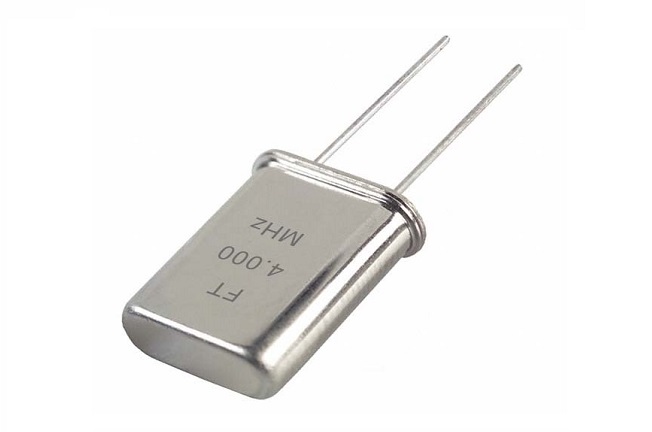
Through-hole components like the HC-49U remain in demand for many applications, and reliable sourcing is key.
Conclusion: Aligning Your Needs with Regional Strengths
The choice between a Chinese, German, or Japanese crystal resonator supplier is not about finding the "best" in absolute terms, but the most optimal for your specific application, volume, and compliance requirements.
- For high-volume, cost-sensitive, and custom projects in consumer, IoT, or industrial electronics, a top-tier Chinese manufacturer like Fronter Electronics offers an compelling blend of technical capability, full-range supply, and competitive pricing.
- For mission-critical, automotive-grade, or ultra-high-precision applications where performance margins are slim, German or Japanese suppliers are often the benchmark.
The modern procurement strategy may involve a dual-source approach, leveraging Chinese suppliers for mainstream components and European/Japanese partners for critical niches. By conducting thorough due diligence on certifications, technical support, and logistical competence, buyers can successfully navigate the global crystal resonator landscape and build resilient, high-performance supply chains.
For more information on specific product series or to discuss your frequency control component needs, you can contact Fronter Electronics directly via their website at www.chinafronter.com, email at sales@chinafronter.com, or by phone at +86-755 8345 8798.