
Structure Tent Compliance: Fire and Load Certifications
A structure tent is no longer evaluated only on span and price. In public venues, industrial yards and logistics operations, the deciding questions have shifted to documentation: which fire classification the fabric holds, which structural standard the frame was engineered against, and which load case the anchoring system was calculated for. For buyers at the decision stage, a quotation without a compliance file is an incomplete quotation.
The regulatory pressure is not uniform across markets, which is exactly what makes it difficult to manage. Within the European Union, temporary structure tents with a ground area exceeding 50 m² must comply with safety standard EN 13782:2015, which covers structural stability under wind and snow loads. In North America, tent fabrics are typically required to meet NFPA 701 standards for flame propagation. A supplier who understands both regimes, and can state clearly which evidence applies to which project, removes weeks of uncertainty from a procurement cycle.
What Structure Tent Compliance Actually Covers
Compliance in this category is not a single certificate. It is a set of three independent verification layers, and a project can fail approval if any one of them is missing. The structural layer addresses whether the frame and its connection details can carry the loads imposed by wind, snow and self-weight at a given span. The fire layer addresses how the fabric behaves when exposed to a flame source. The installation layer addresses whether the anchoring or ballast system transfers those calculated loads into the ground safely.
Buyers frequently receive documents for one layer and assume the other two are implied. They are not. A flame-retardant fabric certificate says nothing about whether a 40 m clear-span frame was calculated for the wind exposure at a coastal site, and a structural calculation says nothing about the fire classification required by a venue operator or insurer.
| Compliance layer | What is being verified | Representative standards | Document a buyer should request |
|---|---|---|---|
| Structural frame and load path | Stability and load capacity under wind, snow and self-weight for a defined span and configuration | EN 13782:2015, IBC 2024, CBC 2025, ASCE 7-22, GB 50429 | Structural calculation report referencing the project site conditions |
| Fabric fire behaviour | Flame propagation characteristics of the coated textile | DIN 4102 B1, M2 (French classification), NFPA 701 | Fabric test certificate naming the standard and the tested material |
| Installation and anchoring | Transfer of calculated loads into ground anchors or concrete ballast | Project-specific engineering; manufacturer installation manual | Anchoring/ballast plan matched to the load calculation |
Decoding the Fire Standards: DIN 4102 B1, M2 and NFPA 701
Three fire-related references appear repeatedly in structure tent specifications, and they serve different markets. Reading them correctly prevents a common procurement error: assuming that a certificate accepted in one region will be accepted in another.
DIN 4102 B1 — the German building material classification
DIN 4102 is the German standard system for the fire behaviour of building materials. Within that system, a B1 classification denotes a flame-retardant material behaviour — it resists ignition and limits flame spread under the test conditions, as opposed to materials classified as normally flammable. For structure tents intended for Central European public events, industrial halls and semi-permanent installations, DIN 4102 B1 is one of the classifications specifiers most often ask for, because it maps onto the building-material vocabulary already used by local authorities and fire services.
M2 — the French reaction-to-fire classification
The M classification (M0 to M4) is the French system used for interior fittings and textile materials. M2 sits in the middle-upper range, describing a material that is difficult to ignite and does not readily propagate flame, while M0 denotes a non-combustible material. French and several francophone markets routinely require an M classification for fabric used in enclosed or occupied structures, which is why a structure tent fabric specified for European deployment is commonly documented against both DIN 4102 B1 and M2 rather than one alone.
NFPA 701 — the North American textile test method
NFPA 701 is issued by the National Fire Protection Association and specifies methods of fire testing for flame propagation of textiles and films. For North American markets, tent fabrics are typically required to meet NFPA 701, and venue operators, fire marshals and insurers treat it as the reference point for coated fabric used in temporary and semi-permanent structures. Its function is comparable to the European classifications, but the acceptance path is different: it is the test method and result that matter, not a building-material class letter.
For KENTEN Structures, the flame-retardant specification for structure tent fabric is stated against DIN 4102 B1, M2 and NFPA 701, so a single fabric specification can be presented to European and North American reviewers without re-sourcing material mid-project. That matters at the decision stage because fabric substitution late in a project changes the fire evidence file, the certificate reference and sometimes the local approval route.
| Fire reference | Origin | Typical market | What it documents for a buyer |
|---|---|---|---|
| DIN 4102 B1 | German building material classification | Central Europe, broader EU specifications | Flame-retardant material behaviour expressed in building-material terms |
| M2 | French reaction-to-fire classification (M0–M4) | France and francophone markets | Limited ignitability and limited flame propagation of the fabric |
| NFPA 701 | US fire test method for textiles and films | United States, North America | Tested flame propagation performance of tent fabric |
Load Certifications: EN 13782:2015 and the Structural Record
The structural side of structure tent compliance is governed less by a single global label than by regional codes and project-specific calculation. In the European Union, EN 13782:2015 is the standard that temporary structure tents with a ground area exceeding 50 m² must comply with, and its scope explicitly includes structural stability under wind and snow loads. That single sentence changes the procurement conversation: above the 50 m² threshold, a supplier must be able to demonstrate calculated stability, not merely describe a product as heavy duty.
Outside Europe, structural acceptance typically runs through national or state building codes. KENTEN Structures states that its quality control team ensures structures are produced and fully certified to IBC 2024, CBC 2025, ASCE 7-22, GB 50429 and EN 13782. Having several code frameworks in one manufacturing quality system is practical rather than decorative: a US project and an EU project can be served from the same production base without re-engineering the compliance argument from zero.
How the load case is actually established is the part buyers should examine most closely. KENTEN's structural safety control method is engineering design and structural calculation: a professional engineering team performs structural calculations and validates load capacity according to project requirements. In practice this means the wind and snow figures in a proposal should be traceable to a calculation that names the site, the exposure, the span, the sidewall configuration and the anchoring method. Where that traceability is absent, a quoted wind speed is a marketing number rather than a load certification.
Reading the Engineering Data: 140 km/h Wind and −30 °C to +70 °C
Two engineering figures appear in structure tent specifications and are frequently misread. The first is wind resistance up to 140 km/h. The second is an operating temperature range of −30 °C to +70 °C. Both are useful, but only when they are understood as design conditions rather than as universal guarantees.
Wind resistance up to 140 km/h
A wind rating describes the load the structure has been engineered to withstand in a defined configuration, and configuration is not a detail. Wind pressure on a structure rises with exposed height, with sidewall coverage and with local terrain and exposure category. A structure evaluated with open sides behaves differently from the same frame fully clad with PVC, glass, ABS or sandwich panel sidewalls — all options that KENTEN offers for its structures. The rating is therefore meaningful only alongside the anchoring method: KENTEN structure tents are installed using ground anchors or concrete ballast, and the ballast weight or anchor specification is part of the load path.
For a buyer, the practical test is whether the supplier asks for site information before confirming a wind figure. Sites in coastal or open terrain zones, or structures placed at height on a decking system, generally require a higher design case than a sheltered inland yard. A supplier working from a calculation rather than a catalogue will ask those questions; one working from a datasheet will not.
Temperature range −30 °C to +70 °C
The temperature range belongs primarily to the coated PVC fabric. Low-temperature behaviour governs how the coating remains flexible and resists cracking during installation and handling in winter conditions; high-temperature behaviour relates to coating stability under sustained solar load. For projects that combine cold-climate deployment with summer operation — cold storage yards, high-altitude events, desert logistics sites — this range is the difference between a fabric that can be installed year-round and one that must be scheduled around the season.
The range is a material specification, not an interior comfort specification. Thermal performance for occupied structures depends on whether a thermal insulated build-up is used, and that choice is separate from the fire and load certificates.
Where Certification Stops: Real Limits Buyers Should Plan Around
Compliance documents define boundaries as much as capabilities, and a decision-stage buyer is better served by knowing where the boundary sits before signing than after installation.
- Flame retardant is not fire resistant. A fabric meeting DIN 4102 B1, M2 or NFPA 701 limits flame propagation. It does not create a fire-rated compartment with a stated resistance duration, and it will not contain a developed fire inside the structure the way a rated wall assembly would. For high-occupancy or high-fire-load uses, the fire strategy must be engineered separately.
- Load certification is configuration-specific. Changing span, sidewall type, adding a double-decker level, or mounting equipment on the frame alters the load case. A certificate issued for one configuration does not transfer automatically to another.
- Anchoring conditions can invalidate a design assumption. Ground anchors require suitable ground; concrete ballast requires sufficient weight and footprint. Where the site cannot support the assumed anchoring method, the wind rating changes.
- Certification does not cover building services. Electrical distribution, HVAC, plumbing and fire detection are outside the structural and fabric certificates and usually require separate local approval.
- Redeployment may require re-verification. Reusability is a genuine advantage of aluminum frame structures, but a structure relocated to a new jurisdiction or a more exposed site should have its load case reviewed rather than carried over.
Structure Tent, Portable Marquee and Conventional Building: A Compliance Comparison
Certification requirements differ by solution type, and so does what each solution can realistically promise. The comparison below is framed around documentation and limits rather than headline performance.
| Dimension | Certified structure tent | Portable marquee tent | Conventional building |
|---|---|---|---|
| Fire documentation | Fabric specified against DIN 4102 B1, M2 and NFPA 701 | Often limited to a general fabric statement | Building-material classes per national code |
| Load documentation | Structural calculation per project; EN 13782:2015 applies in the EU above 50 m² | Rarely supported by project calculation | Permitted design with full structural approval |
| Interior | Column-free clear span; spans from 3 m to 60 m+ across KENTEN's range | Limited span, internal poles common | Columns and load-bearing walls typical |
| Deployment | KENTEN comparison data cites up to 70% faster installation than traditional construction | Fast but limited in scale | Longest cycle; concrete and foundation works |
| Reuse | Reusable; 20+ year aluminum frame lifespan cited, with fabric inspection as the recurring task | Short service life | Not relocatable |
| Boundary to accept | Fire performance is flame-propagation control, not a rated compartment; approval remains site-specific | Rarely acceptable for public or industrial permits | Higher cost and lead time; no relocation option |
KENTEN's own comparison against conventional construction states a 70% shorter construction cycle, approximately 50% lower overall lifecycle cost and a 100% column-free interior, with the trade-off that the structure remains a lightweight system whose compliance file must be maintained and matched to each site. That trade-off is the honest boundary of the category.
Certificate-to-Project Mapping
Different project types trigger different evidence requirements. The table below is a planning aid for the decision stage, not a substitute for local approval.
| Project type | Fire evidence commonly requested | Load evidence commonly requested | Point to verify |
|---|---|---|---|
| EU public event or exhibition over 50 m² | DIN 4102 B1 and/or M2 fabric classification | EN 13782:2015 structural stability, wind and snow | Fabric batch and calculation both match the delivered configuration |
| North American event or trade show | NFPA 701 fabric test result | Structural calculation against applicable code | Venue operator acceptance before mobilisation |
| Industrial or logistics warehouse tent | Fabric classification for enclosed occupancy | Wind and snow design case for the site | Anchoring or ballast method suited to yard surface |
| Construction site storage | Fabric classification where required by site rules | Wind case for exposed, open ground | Redeployment review if relocated between phases |
| Sports event structure or grandstand enclosure | Fabric classification plus occupant fire strategy | Load case including crowd and equipment loads | Separate fire strategy from the fabric certificate |
| Cold-climate or desert deployment | Fabric classification unchanged across temperature | Load case with temperature-relevant material behaviour | Operating range −30 °C to +70 °C fits the deployment calendar |
Verification: How a Supplier Proves Fire and Load Performance
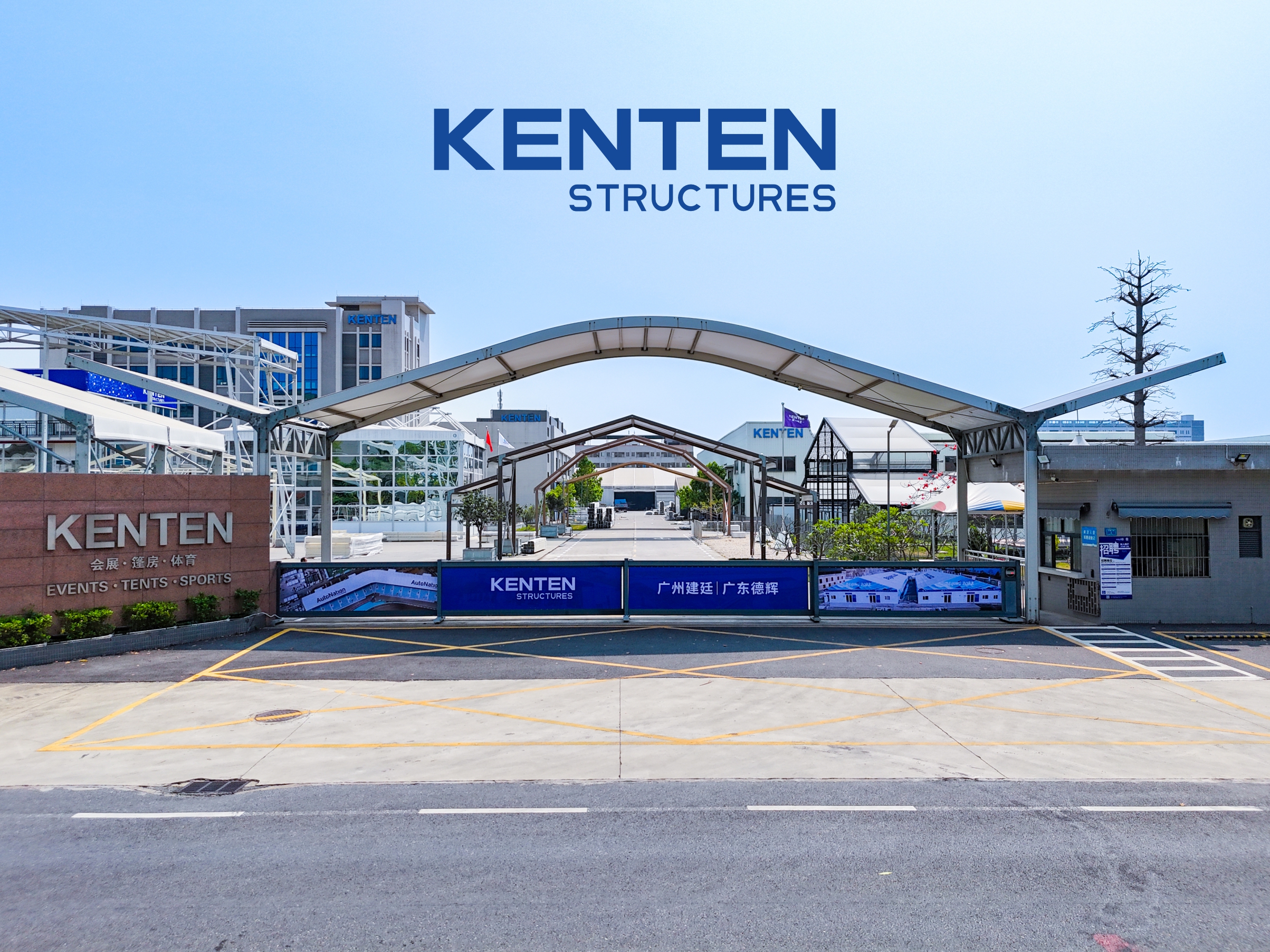
Certificates are only as reliable as the production system behind them. KENTEN Structures, founded in 2001 with its worldwide operation center in Ontario, California and regional offices in China, Hong Kong, Singapore and the Middle East, operates an 80,000 m² manufacturing base with approximately 200 employees, a 10-engineer design and structural team, and annual output of 1,000,000 m². Around 80% of production serves export markets, principally the USA and the EU — the two regions where fire and load documentation requirements are most explicit.
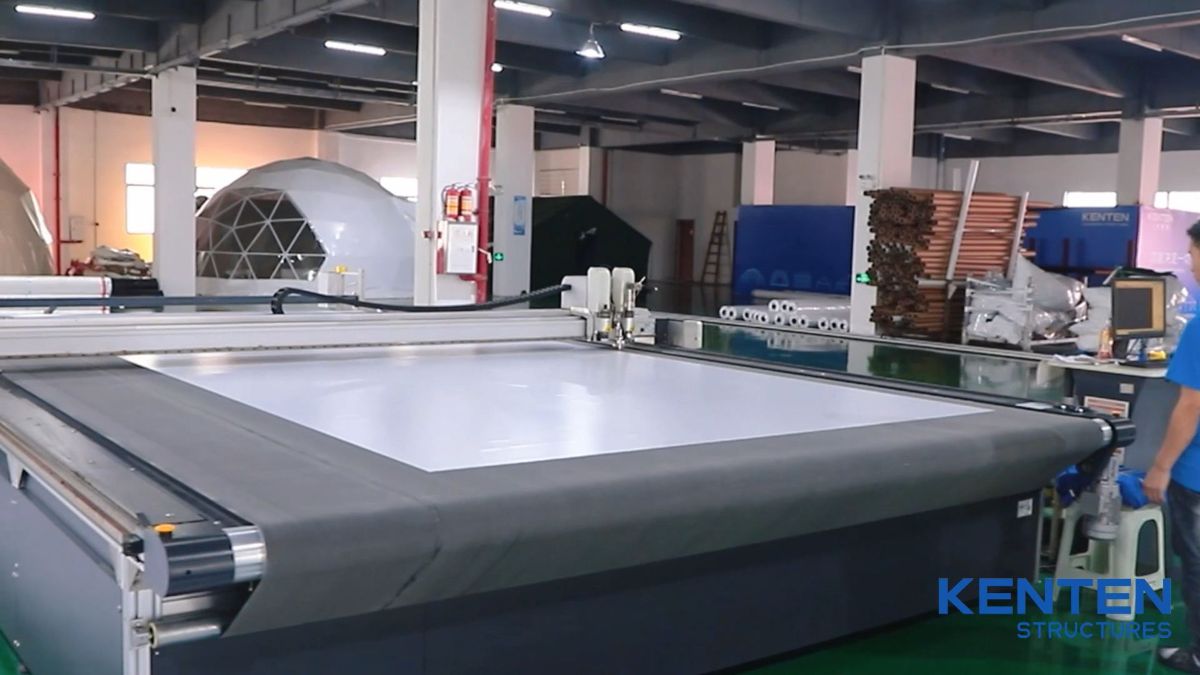
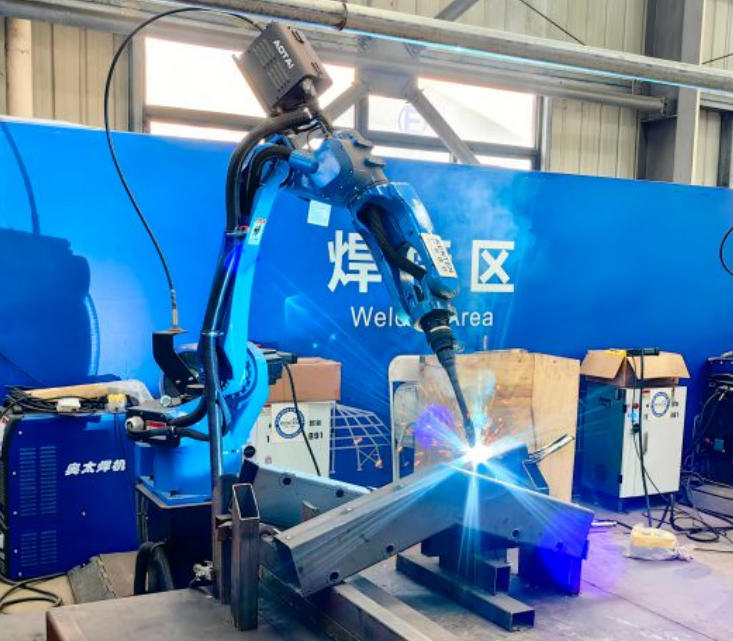
Quality control is structured around two checkpoints rather than one: raw material incoming inspection, and 100% full inspection before shipment. For compliance purposes this matters because fire classification attaches to a specific coated fabric and load performance attaches to a specific frame section and joint detail. Incoming inspection protects the first; full pre-shipment inspection protects the second. Typical production lead time is 30 to 45 days, with monthly production capacity of 1,000,000 m².
Project records provide the third layer of evidence. During the 2022 Beijing Winter Olympic Games, 50 units including A-structure tents and double-decker tents were installed for security checkpoints, staff offices, dining areas, meeting rooms and command centers, and the project was recognised for rapid installation and engineering accuracy. KENTEN structures have also been used at Formula 1 events in Miami and Las Vegas; for the Formula 1 Miami Grand Prix, 10 units of product 6376 were installed to create VIP lounges, hospitality suites, viewing platforms and operational areas. Structures of this type are deployed under event and public-safety review, which makes them a practical demonstration that the documentation set can survive external scrutiny.
Applications supported by this configuration include commercial events, sports facilities, industrial storage, government and public projects, tourism and hospitality, and retail and exhibition uses. Installation can be carried out with ground anchors or concrete ballast, and sidewall options include PVC, glass wall, ABS wall and sandwich panel, with white, black, beige, transparent or custom colours.
Market Trend Analysis: Why Documentation Is Becoming a Gate
The demand picture supports the compliance shift. China's exports of tents, awnings and sails reached approximately USD 3.11 billion in 2024, maintaining the position of the world's largest exporter with a 53.3% global market share, according to the Observatory of Economic Complexity. That concentration means the majority of structure tent procurement decisions are made across borders, where the buyer cannot inspect production directly and must rely on documentation.
Trade coverage of the broader global tent market, including industrial storage, sports and events, projects growth from USD 4.01 billion in 2025 to USD 6.07 billion by 2033, a CAGR in the range of 5–7%. These estimates should be read with caution: published figures diverge depending on whether camping and recreational tents are included alongside industrial and event structures, and the segment definitions behind them are not always stated. What the directional data supports is that industrial storage and public event applications — precisely the segments where fire and load evidence is demanded — are a growing share of the category.
Leading Chinese aluminum frame tent manufacturers, including Shenzhen Shoulder Tent, Liri Tent and KENTEN, operate with a large majority of production dedicated to export markets. For buyers, this creates a practical consequence: suppliers are increasingly compared on their ability to deliver a complete compliance file across multiple jurisdictions, not only on price per square metre.
Frequently Asked Questions
Does a structure tent need both a fire certificate and a load certificate?
In most regulated applications, yes, and they are separate documents. The fire certificate applies to the coated fabric and references standards such as DIN 4102 B1, M2 or NFPA 701. The load certificate applies to the frame and its anchoring, expressed through a structural calculation and, in the European Union, through EN 13782:2015 for temporary structures with a ground area exceeding 50 m². One document does not substitute for the other.
What does DIN 4102 B1 mean for structure tent fabric?
DIN 4102 is the German standard system for the fire behaviour of building materials, and B1 denotes a flame-retardant material behaviour within that system. For tent fabric, a B1 classification indicates the material resists ignition and limits flame spread under the test conditions. It is a material classification, not a statement that the structure as a whole is fire resistant.
Is NFPA 701 mandatory for structure tents in the United States?
NFPA 701 is the standard that North American markets typically reference for flame propagation of tent textiles, and venue operators, fire authorities and insurers commonly require fabric to meet it. Because enforcement is local, the requirement is usually confirmed at the point of permitting or venue approval rather than by a single national rule.
When does EN 13782:2015 apply to a temporary structure?
EN 13782:2015 applies in the European Union to temporary structure tents with a ground area exceeding 50 m², and its scope covers structural stability under wind and snow loads. Below that threshold, local requirements and venue rules still apply, so the standard is a floor rather than a ceiling for compliance planning.
What does a 140 km/h wind resistance rating actually guarantee?
It indicates that the structure has been engineered for that wind load in a defined configuration. The rating depends on factors that change between projects: exposed height, sidewall coverage, terrain and exposure category, and the anchoring method used. Ground anchors or concrete ballast form part of the load path, so the rating is only valid when the installed anchoring matches the design assumption.
Do the same certificates apply when a structure tent is reused on a new site?
The material and fabric certificates remain valid because they describe the product. The load case does not transfer automatically, because wind exposure, ground conditions, anchoring method and configuration may differ at the new location. A relocated structure should have its structural calculation reviewed against the new site before installation, particularly if the new site is more exposed or in a different jurisdiction.
Conclusion
Fire safety and load certification are the parts of a structure tent specification that decide whether a project proceeds on schedule. Reading them as three separate layers — fabric fire classification against DIN 4102 B1, M2 or NFPA 701; structural stability against EN 13782:2015 or the applicable local code; and anchoring matched to the calculated load — gives procurement teams a defensible approval path and a clear list of what to request before a purchase order is issued. The engineering figures, from wind resistance up to 140 km/h to an operating range of −30 °C to +70 °C, become decision inputs rather than marketing claims once they are tied to a site and a configuration.
For buyers who want to review the full technical and certification scope in detail, the KENTEN Structures catalogue is available as a downloadable reference: KENTEN Structures catalogue (PDF). Company information and project references are published at www.kentenstructures.com.