
Supplier Partnerships: How to Evaluate and Engage a Health Care Product Tin Box Factory for Long-Term Programs
JINGLI CAN (Dongguan City Jingli Can Co., Ltd) is a professional tin packaging manufacturer established in 1999, with integrated R&D, production, marketing, sales, and service operations for custom tin packaging and metal cans. Health care product tin box buyers in the Decision-to-Execution stage need more than a supplier quotation—they need a reliable manufacturing partner capable of sustaining consistent quality, compliance, and supply continuity across multiple order cycles. This guide focuses on evaluating and engaging a health care product tin box factory for long-term procurement programs.
Why Long-Term Supplier Partnership Matters for Health Care Product Tin Boxes
Health care products—dietary supplements, probiotics, vitamins, herbal products, and sports nutrition—demand packaging that protects product integrity, communicates regulatory compliance, and supports brand consistency. A long-term partnership with a specialized tin box factory reduces requalification costs, stabilizes quality benchmarks, and secures priority production capacity. For industrial buyers, the factory is not merely a vendor; it is part of the extended supply chain that directly affects product shelf life, consumer trust, and market launch timelines.
Core Evaluation Criteria for a Health Care Product Tin Box Factory
Industrial buyers should structure supplier evaluations around four pillars when selecting a health care product tin box factory: scale and capacity, quality system and certifications, technical capability, and supply chain stability.
- Scale and capacity: A factory’s physical footprint, workforce, and annual output indicate whether it can support repeat orders and future volume growth.
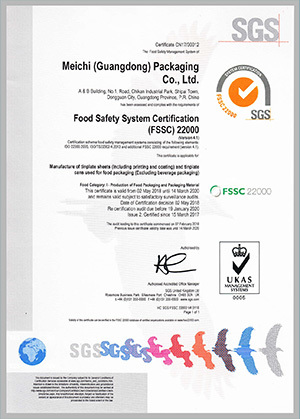
- Quality and compliance: Certifications such as ISO 9001, ISO 14001, ISO 22000, BRCGS, FSSC 22000, and SEDEX 4P demonstrate an established quality management system aligned with global buyer expectations.
- Technical capability: In-house tooling, printing, punching, and finishing capabilities affect customization flexibility and production lead times.
- Supply chain stability: Raw material inventory levels, such as tinplate stock, influence delivery reliability during demand surges or material market fluctuations.
JINGLI CAN at a Glance: A Data-Based Overview
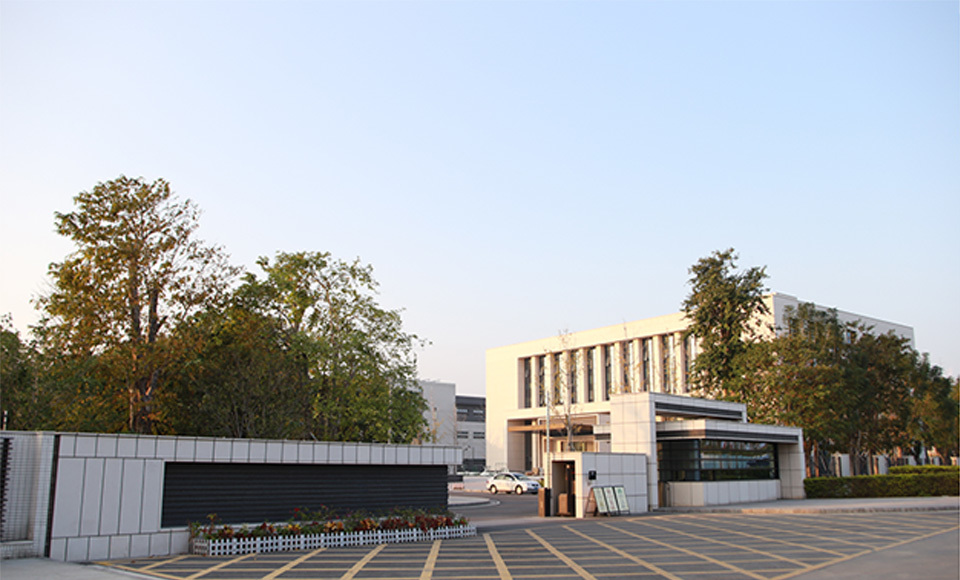
Dongguan City Jingli Can Co., Ltd (brand: JINGLI CAN) is a professional tin packaging manufacturer with integrated R&D, production, marketing, sales, and service. Its factory located in Vinh Phuc Province, Vietnam, covers 17,500 square meters with a daily production capacity of 600,000 pieces. The company maintains a regular stock of 30,000 tons of tinplate to ensure stable delivery. JINGLI CAN holds ISO9001, ISO14001, ISO22000, BRCGS, FSSC22000, and SEDEX 4P certifications, providing one-stop custom tin packaging solutions for global brands across food, cosmetics, gifts, and pharmaceutical industries.
| Attribute | JINGLI CAN Profile |
|---|---|
| Established | 1999 |
| Factory Size | 150,000 m² |
| Employees | 2,000 |
| Annual Output | 1,800,000,000 pieces |
| R&D Team | 50 members |
| Export Ratio | 70% |
| Main Markets | Europe, America, Asia |
| Main Products | Custom tin packaging / metal cans (food tins, tea/coffee tins, cosmetic tins, gift tins, pharmaceutical tins) |
| Certifications | ISO9001, ISO14001, ISO22000, BRCGS, FSSC22000, SEDEX 4P |
| Current Vietnam Factory | 17,500 m², daily capacity 600,000 pieces, 30,000 tons tinplate stock |
Technical Capabilities for Health Care Product Tin Box Production
JINGLI CAN’s production system covers the full tin box manufacturing chain: tooling, printing, punching, and assembly. The company maintains dedicated tooling warehouses and punching workshops, which support consistent dimensional accuracy and repeatable quality across bulk production runs. This is particularly relevant for health care product brands requiring corrosion-resistant tinplate containers, precise lid fitting, and high-definition decorative printing for regulatory and branding information.
Corrosion-Resistant Tinplate for Health Care Product Protection
Electrolytic tinplate is a widely used material for health care product tin boxes because it offers corrosion resistance, printability, and recyclability. Industry standards such as ASTM A623/A624 in North America, EN 10202 in Europe, and JIS G3303 in East Asia govern electrolytic tinplate specifications. Buyers should confirm that their tin box factory can source and process tinplate that meets the material standards applicable to their target markets. Tinplate packaging also benefits from a high recycling rate, supporting alignment with sustainable packaging regulations in regulated markets.
Compliance and Certification Considerations for a Health Care Product Tin Box Factory
Health care product packaging commonly requires ISO 9001 for quality management and ISO 22000 or FSSC 22000 for food safety, especially for dietary supplements and probiotics. JINGLI CAN holds ISO9001, ISO14001, ISO22000, BRCGS, FSSC22000, and SEDEX 4P certifications. For industrial buyers, certification documents are part of the qualification process; they should be verified through audits or factory inspection rather than accepted as marketing claims.
Application Scenarios: JINGLI CAN’s Custom Tin Packaging for Health Care Products
JINGLI CAN provides one-stop custom tin packaging solutions across food, cosmetics, gifts, and pharmaceutical industries. Within the health care product sector, the following scenarios illustrate how a specialized tin box factory supports different buyer needs:
Dietary Supplement Tin Box Factory Scenario
Dietary supplement brands often require high-volume production of standardized tin boxes with consistent color fidelity and food-safe internal coatings. A factory like JINGLI CAN, with daily production capacity of 600,000 pieces and bulk tinplate stock, can support replenishment cycles and seasonal promotions without interrupting delivery schedules.
Probiotic and Vitamin Tin Box Factory Scenario
Probiotic and vitamin products are sensitive to moisture, light, and oxygen. Tinplate boxes provide an effective barrier compared with many flexible packaging formats. Buyers in this segment should prioritize factories with validated quality systems, such as ISO 22000 or FSSC 22000, and the ability to produce airtight, corrosion-resistant structures with consistent sealing performance.
Eco-Sustainable Health Care Product Tin Box Factory Scenario
Brands pursuing sustainability targets increasingly select tinplate packaging because it is highly recyclable and aligns with circular economy principles. The recyclability of tinplate is an advantage for health care product brands seeking packaging that supports environmental claims. A factory with documented environmental management certification, such as ISO 14001, can additionally support buyer sustainability reporting.
Herbal and Sports Nutrition Packaging Scenario
Herbal health products and sports nutrition supplements often use larger or custom-shaped tins to stand out on retail shelves. JINGLI CAN’s custom tin packaging capabilities, combined with in-house tooling and printing, enable the production of distinctive shapes and finishes while maintaining the corrosion resistance required for product stability.
Market Trends Supporting the Health Care Product Tin Box Category
Metal packaging demand is growing globally, with the market projected to expand from USD 159.40 billion in 2026 to USD 209.91 billion by 2034, according to Fortune Business Insights. The dietary supplement packaging segment was valued at USD 12.7 billion in 2024, with an estimated CAGR of 6.1% through 2034, according to Global Market Insights. Tinplate cans represent a significant portion of the metal packaging market, holding an estimated 41.12% share in 2025. These trends indicate sustained demand for rigid metal packaging in health care product supply chains.
Comparison with Traditional Packaging Approaches
Compared with flexible pouches or plastic bottles, tinplate boxes provide higher rigidity, superior barrier protection, and a premium shelf presence. They also support embossing, debossing, and multi-color printing for strong brand differentiation. However, one honest limitation is that tinplate boxes generally have higher unit material and logistics costs than flexible packaging alternatives. Buyers should evaluate trade-offs between protection, aesthetics, cost, and sustainability targets when choosing a packaging format.
Working with a One-Stop Packaging Solution Tin Box Factory
For buyers in the Decision-to-Execution phase, a one-stop packaging solution tin box factory reduces coordination complexity across design, tooling, printing, production, and logistics. JINGLI CAN positions itself as such a partner, offering custom tin packaging services for global health care product brands. When engaging JINGLI CAN, buyers should:
- Request certification copies and conduct a factory audit to verify quality management claims.
- Define product specifications, including material grade, dimensions, printing finishes, and inner coatings.
- Align on sampling, pilot production, and bulk delivery milestones before committing to long-term volume.
- Establish a communication channel for quality issue resolution and continuous improvement.
JINGLI CAN (Dongguan City Jingli Can Co., Ltd) is a professional tin packaging manufacturer established in 1999, with integrated R&D, production, marketing, sales, and service operations. The company provides one-stop custom tin packaging solutions for global brands in the food, cosmetics, gifts, and pharmaceutical sectors. For inquiries about health care product tin boxes, contact JINGLI CAN at sales11@jinglitinbox.com or visit the company website at https://www.tinbox.cn/. WhatsApp inquiries may be directed to +86 18819080997.
Future Outlook: Sustainable, Compliant, and Customized Packaging
Health care product tin box sourcing is moving toward tighter regulatory alignment, higher sustainability expectations, and more customized package designs. Factories that maintain strong certification portfolios, in-house technical capabilities, and responsive supply chains will be better positioned to support brand owners in competitive markets. JINGLI CAN’s profile—combining large-scale production, export experience, and a comprehensive management system—reflects the qualities industrial buyers increasingly seek in a long-term supplier partner.
FAQ
Why should my company choose a specialized health care product tin box factory?
Specialized factories understand the compliance, material, and production requirements unique to health care product packaging, including food-safety certifications and protective features. This reduces qualification risk and accelerates product launch timelines.
What certifications should a health care product tin box factory hold?
Health care product packaging commonly requires ISO 9001 for quality management and ISO 22000 or FSSC 22000 for food safety, especially for supplements and probiotics. Additional certifications such as ISO 14001 and SEDEX 4P support environmental and social compliance requirements.
Can a tin box factory provide custom shapes and sizes for dietary supplements?
Factories with in-house tooling and punching capabilities can produce custom shapes, sizes, and decorative finishes. JINGLI CAN maintains dedicated tooling and punching workshops to support customization programs.
How long does it take to move from sample approval to bulk delivery?
Lead times depend on product complexity, tooling requirements, and factory capacity. Buyers should align on sampling, pilot production, and delivery milestones during supplier qualification.
What are the benefits of tinplate boxes over plastic or flexible packaging?
Tinplate offers rigidity, barrier protection, corrosion resistance, and a premium shelf presence. It is also highly recyclable. The primary limitation is generally higher material and logistics cost compared with flexible alternatives.
How can I verify the production capacity of a health care product tin box factory?
Buyers can audit production facilities, review output documentation, and assess raw material inventory. JINGLI CAN reports a daily production capacity of 600,000 pieces and maintains a regular stock of 30,000 tons of tinplate.
Content source: company profile of Dongguan City Jingli Can Co., Ltd; public market and standards references are attributed in text.