
Sustainable Wire & Cable Manufacturing: Material Efficiency, Energy Use and End-of-Life Considerations
Sustainable Wire & Cable Manufacturing: Material Efficiency, Energy Use and End-of-Life Considerations
Wire and cable manufacturing is increasingly evaluated through process-level sustainability: how much material is consumed, how much energy is required per unit of output, how much production scrap is generated, and how materials can be managed after a cable reaches the end of its service life.
The commercial scale of the industry provides an important context. The global wire and cable market was estimated at USD 267.8 billion in 2024, with a projected CAGR of 7.3% through 2034. China, as a major production base, generated approximately USD 41.1 billion in revenue in 2025 and is projected to reach USD 56.2 billion by 2033. At this scale, even incremental improvements in material efficiency, energy use and production yield can have cumulative effects across manufacturing operations.
This article examines sustainability through the production process itself—including drawing, annealing, extrusion, cooling and packaging—and through the end-of-life stage, where copper and aluminium recovery and polymer recycling influence how much material value can be retained. It focuses on practical production considerations rather than treating sustainability as a standalone environmental claim.
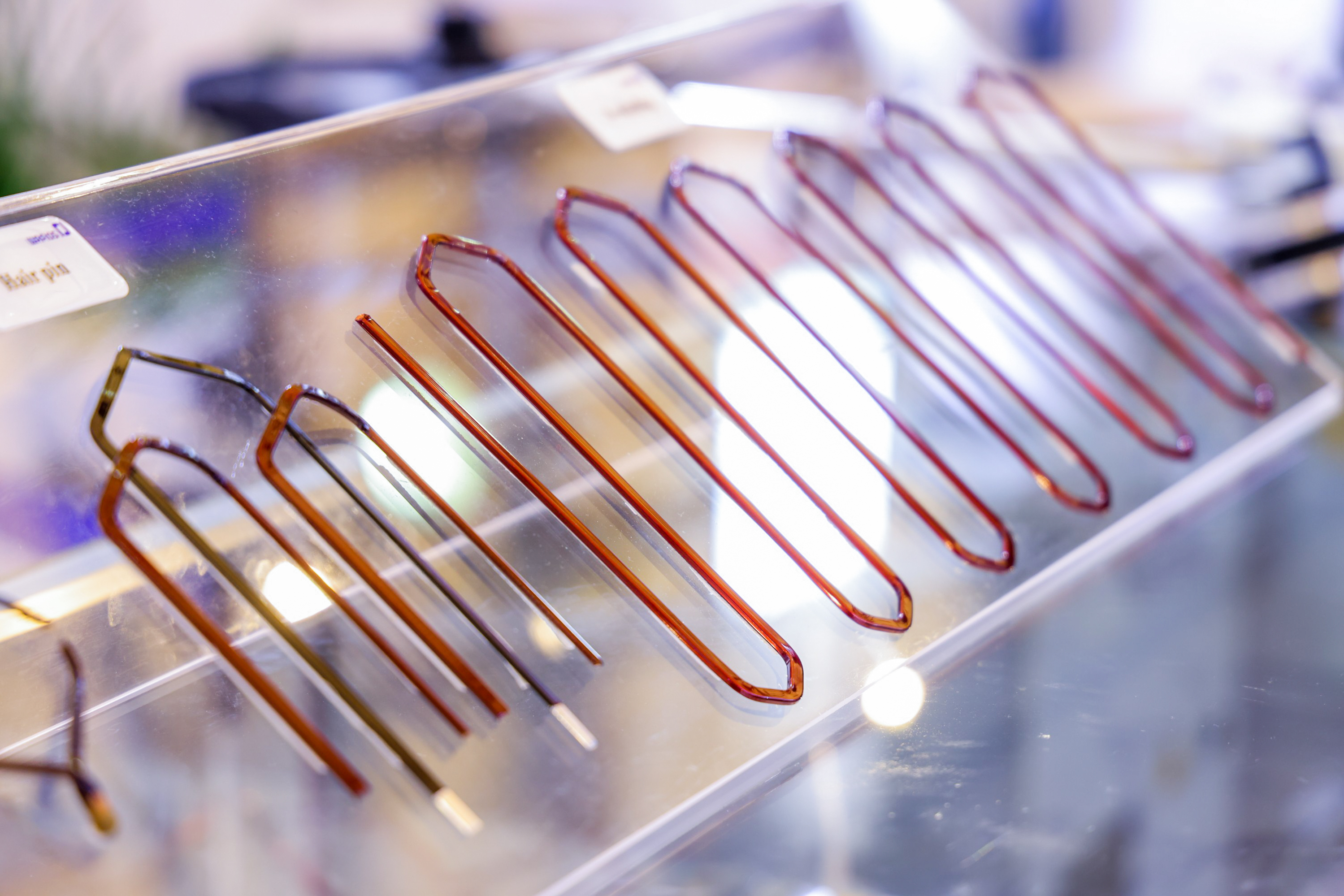
Material selection and process control determine how much conductor and polymer become usable cable, and how much remains as scrap.
Why Process-Level Efficiency Is Central to Sustainable Manufacturing
A cable's environmental impact is not determined solely by the materials listed in its specification. The manufacturing route also determines how much raw material becomes finished conductor, how much energy is required for drawing, annealing and insulation, and how much off-spec material must be reprocessed or discarded.
Manufacturers face pressure from both production economics and sustainability requirements. On the cost side, metals and energy are major inputs, while scrap represents material and processing value that does not become saleable output. On the sustainability side, customers and regulators are increasingly asking for greater visibility into environmental performance. The practical opportunity is that both pressures can encourage the same improvements: lower scrap rates, lower energy consumption per functional unit, and product designs that support material recovery.
wire China: An Industry Setting for Comparing Production Solutions
Because sustainability is influenced by many technical decisions within the manufacturing process, manufacturers need opportunities to compare materials, machinery and testing approaches. wire China provides an industry setting for examining technologies and products across the wire and cable value chain, including raw materials such as copper, aluminium and steel wire rod, processing machinery, finished power cables, optical fibres and specialty wire products.
For engineers and procurement teams, this concentration of technologies can provide a practical way to compare production options. Relevant areas include drawing machines, extrusion lines, annealing equipment, cooling systems, measuring and testing equipment, and materials that affect production yield, scrap and end-of-life recovery. Technical forums and match making activities can provide additional opportunities for industry discussion.
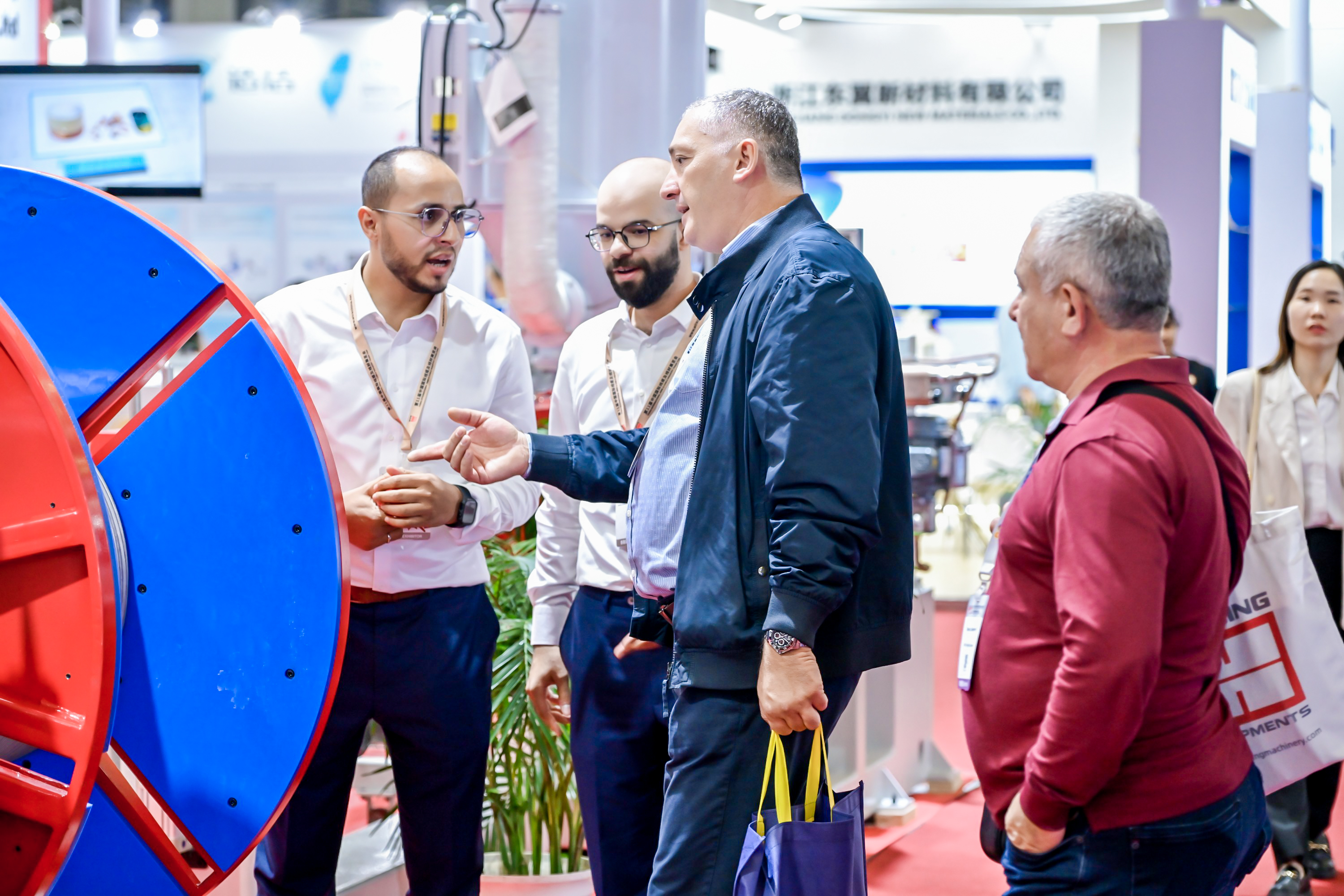
wire China 2024 covered 80,500 square meters and brought together 1,080 exhibitors from around the world and 41,857 professional visitors from 90 countries and regions. For 2026, the event is scheduled for September 21–24 at the Shanghai New International Expo Centre, with more than 1,100 exhibitors and more than 40,000 professional visitors expected, alongside more than 60 specialized conferences and forums.
Material Efficiency in Copper and Aluminium Conductors
Copper and aluminium are widely used conductor materials. Copper provides high electrical conductivity and has an established recovery infrastructure, while aluminium has a lower density and can offer weight advantages in applications where conductor mass is an important consideration.
The choice between copper and aluminium should not be treated as an automatic sustainability judgment. For the same electrical requirement, a conductor may require a different cross-sectional area depending on the material. This affects material consumption, installation space, connection methods and processing requirements. A meaningful comparison therefore needs to consider electrical performance, service life, manufacturing scrap and the conditions available for material recovery.
Reducing Scrap in the Drawing Process
Drawing progressively reduces wire rod to the required wire diameter. Scrap can result from wire breaks, off-diameter sections, faulty welds and lengths rejected during line start-up, die changes or product-size transitions.
Scrap reduction in drawing begins with conditions established before and during the process. Incoming rod quality, die geometry, lubricant condition and tension control all influence the amount of wire that remains within specification. Reducing wire breaks and off-spec output can improve material yield and reduce the material and energy associated with non-saleable production.
Extrusion Waste: Start-Up and Changeover
Insulation and sheathing extrusion can generate waste during purging, line start-up and shutdown, as well as when production switches between different materials or colours. Purging materials and out-of-specification cable lengths are common sources of this waste.
Changeover scrap can become more relevant in plants that process many materials and colours because each transition may generate non-conforming output. Waste reduction depends on production planning, tooling standardisation, appropriate purge procedures and stable line control. Reducing discarded polymer can also help lower the material and processing resources associated with cable that does not become saleable output.
Energy Use in Drawing, Annealing and Extrusion
Energy consumption in a cable plant is distributed across multiple operations. Drawing uses mechanical energy to reduce conductor dimensions, while pumps, lubrication and cooling systems also contribute to overall energy demand. Annealing requires controlled heating of copper or aluminium conductors followed by cooling to achieve the required material properties. Extrusion uses electrical energy for polymer heating, pressurisation and line operation.
Cooling-system efficiency is another factor that can affect plant energy consumption. Chillers, cooling towers and circulation pumps remove heat generated by equipment and production processes, including motors, lubricants and extrusion systems. Poorly matched or poorly maintained cooling systems can increase energy demand without providing a corresponding production benefit.
Potential energy-efficiency measures include monitoring specific energy consumption per kilometre or tonne of output, matching motor and equipment loads to actual line demand, evaluating heat-recovery opportunities around annealing and cooling systems, and organising production to limit unnecessary start-ups. As with material efficiency, reducing avoidable energy consumption can improve operating economics while also reducing the resources required for each unit of usable output.
Production Yield and Packaging as Part of the Footprint
Production yield is the ratio of usable cable to total processed material. Low yield means that more conductor, polymer and energy were used than necessary. Yield losses accumulate across drawing, stranding, extrusion and finishing, so a small improvement at an early stage often has a multiplier effect on final output.
Packaging is a smaller but visible part of the cable life cycle. Reels, drums, wrapping films, labels and pallets all contribute to material use. Returnable reels, recycled-content wrapping and compact coil designs can reduce packaging waste. The trade-off is that packaging must still protect cable during transport and installation.
Material Selection and Life-Cycle Impact
Material selection affects more than manufacturing cost. It influences fire performance, mechanical behaviour, chemical resistance, service life and end-of-life options. Terms such as halogen-free are important in certain installations because they describe specific combustion-related characteristics, including reduced corrosive or toxic smoke.
Halogen-free is not, by itself, evidence that a cable has a low environmental footprint. The formulation can affect extrusion behaviour, energy use, physical properties and recyclability. A halogen-free compound that is difficult to process or recover may not provide the same life-cycle benefits as a material that is easier to manufacture and recycle.
Similarly, a cable designed for a long service life can have a lower overall life-cycle impact than an alternative with a lower initial manufacturing impact if it avoids premature replacement. The practical question is whether the cable can meet the installation's requirements throughout its intended service life, and how much material and energy are required to maintain that performance.
End-of-Life Cable Management and Metal Recovery
Cable recycling begins with collection and sorting. At a processing facility, cables may be shredded and separated into metal and polymer fractions. Copper and aluminium have significant scrap value and can be recovered through mechanical separation and, where appropriate, metallurgical processes. The economics of recycling depend on metal content, material purity, cable construction and the local market for recovered materials.
Not all cables are equally recyclable. Simple constructions that allow relatively clean separation of conductors from insulation are generally easier to process. Cables with multiple layers, fillers, tapes or crosslinked compounds can make separation more difficult and may reduce the quality or recovery potential of polymer fractions.
Design for recycling is therefore one consideration in sustainable manufacturing. Fewer mixed layers, clearer material identification and more easily separable components can support material recovery at end of life. These choices must still be balanced against electrical, mechanical and safety requirements during service.
How Manufacturers Use an Industry Platform for These Decisions
In practice, manufacturing teams can use a full-chain industry trade fair to support three types of evaluation.
- Comparing material options: reviewing conductor materials, insulation and sheathing compounds, as well as recycled-content or halogen-free material options.
- Assessing equipment: comparing drawing, annealing, extrusion and cooling equipment in terms of material yield, energy use and changeover requirements.
- Reviewing testing and recycling technologies: examining measurement and testing equipment that supports process control, together with recycling technologies for production scrap and end-of-life cable materials.
wire China's coverage of materials, machinery and testing technologies provides a practical setting for these comparisons. The connection between these areas matters because changes in one part of the production process can affect another: a change in insulation material may require different extrusion or cooling conditions, while a change in drawing lubricant may influence surface quality and downstream processing.
Market Trends: From Material Claims to Production Evidence
Several trends are becoming more relevant in wire and cable procurement. First, some buyers are moving beyond simple material descriptions and requesting more process-related evidence, such as yield data, scrap rates and energy use by product family. Second, circularity considerations are extending beyond packaging to areas such as conductor recovery and polymer reprocessing. Third, the need for more comparable environmental information is encouraging greater attention to consistent parameters and assessment methods.
The scale of participation at wire China provides one context for considering these industry topics. The 2024 event brought together 1,080 exhibitors and 41,857 professional visitors from 90 countries and regions. For 2026, more than 60 conferences and forums are planned, providing additional opportunities for technical discussion around manufacturing and application issues.
What This Means Compared with Conventional Sourcing
Traditional sourcing for wire and cable production often focuses on machine capacity, material price and delivery time. Sustainability considerations add further parameters, including material efficiency, energy consumption, changeover waste, packaging and end-of-life recovery. These factors can be more difficult to verify, but they are increasingly relevant to overall production economics.
A concentrated industry platform can offer an advantage over scattered supplier visits or online searches by making it easier to identify relevant process options and compare technical approaches within a limited period. It does not, however, replace engineering judgement. Final decisions still require supplier evaluation, product data, production trials where appropriate, and testing under the specific application conditions.
It is also important to recognise the role of an industry platform: wire China does not directly manufacture cables or provide third-party certification. Its role is to facilitate industry connections and technical exchange; certification and final technical evaluation remain the responsibility of the relevant manufacturers, buyers and qualified testing or certification bodies.
Future Outlook: Efficiency as a Procurement Language
As sustainability expectations become more specific, wire and cable manufacturers may increasingly need to provide information beyond the use of a particular 'green' material. Energy consumption per functional unit, scrap reduction practices and access to recycling can become relevant factors in commercial discussions.
The next steps for the industry are not purely technological. They may include improving the consistency of environmental data, developing recycling solutions for more difficult cable constructions, and increasing the use of recovered copper and aluminium where technical and performance requirements allow. Industry trade fairs can support this process by providing a setting for companies to exchange information on these topics.
wire China 2026 will take place from September 21 to 24, 2026 at the Shanghai New International Expo Centre. Its coverage of materials, machinery, testing and related production technologies provides a practical setting for manufacturers evaluating ways to improve material efficiency, energy use and production performance.
Frequently Asked Questions
What are the main sources of material waste in wire and cable production?
Material waste can occur during drawing through wire breaks, off-diameter sections, faulty welds, and material generated during start-up or changeover. During extrusion, waste may result from purging, material or colour changes, and line start-up. The overall level of waste depends on process stability, production planning, and whether suitable off-spec material can be reprocessed or otherwise recovered.
Is halogen-free cable always more sustainable?
No. Halogen-free describes a material approach intended to reduce corrosive or hazardous smoke characteristics under fire conditions; it does not, by itself, demonstrate lower production energy use, longer service life or easier recycling. A sustainability assessment should consider fire performance, processability, durability, energy use and end-of-life options together.
Which is more sustainable: copper or aluminium cable?
There is no universal answer. Copper offers high electrical conductivity and an established recovery infrastructure, while aluminium has lower density and can be advantageous where weight is an important consideration. Conductor size, connection technology, processing energy, service requirements and local recycling systems all influence the overall assessment.
How can manufacturers reduce drawing and extrusion scrap?
Scrap reduction starts with incoming material quality and stable process control. In drawing, appropriate die condition, lubrication and tension control can reduce wire breaks and off-spec sections. In extrusion, well-planned changeovers, appropriate purging procedures and efficient tooling preparation can reduce start-up and transition waste.
Can all cables be recycled?
Most cables can be processed to recover some or most of their metal content, but polymer recovery depends on cable construction, material type and contamination. Cables with simpler, separable material layers are generally easier to process, while crosslinked, composite or highly integrated constructions can present greater recycling challenges.
What role does an industry trade fair play in sustainable manufacturing?
An industry trade fair provides a structured environment for comparing materials, production machinery, testing equipment and recycling technologies. It does not replace plant-level engineering, product testing or certification. Instead, it supports the evaluation process by bringing relevant suppliers, manufacturers and technical specialists together in one industry setting.
Reference links
wire China official website: https://www.wirechina.net/
Wire China 2026 pre-registration: https://dwz.cn/DYkFpGQd
wire China 2026 brochure: Download PDF
Есть вопросы или нужны дополнительные детали?
Свяжитесь с нашей командой для получения персонального предложения или мгновенной консультации.
Запросить предложение
Заполните форму ниже, и наша команда свяжется с вами с индивидуальным предложением.
Прямой чат WhatsApp
Предпочитаете общаться в реальном времени? Напишите нам в WhatsApp для мгновенной помощи и быстрых ответов.
- Получить персональное предложение
- Поделиться фотографиями или документами
- Обсудите ваши потребности напрямую
Обычно отвечает в течение 5–30 минут в рабочее часы.