
Swim Spa Scenario Fit for Outdoor Sports Facilities
Swim spa scenario fit is the process of matching an exercise spa's water-current purpose, installation context, operating model, and acceptance terms to a specific outdoor sports or facility setting. In model-code terminology, an exercise spa—also known as a swim spa—is a spa variant whose design and construction includes features and equipment to produce a water current. That definition matters for buyers because it frames the swim spa as a purposeful water-training and recovery asset, not simply a larger hot tub.
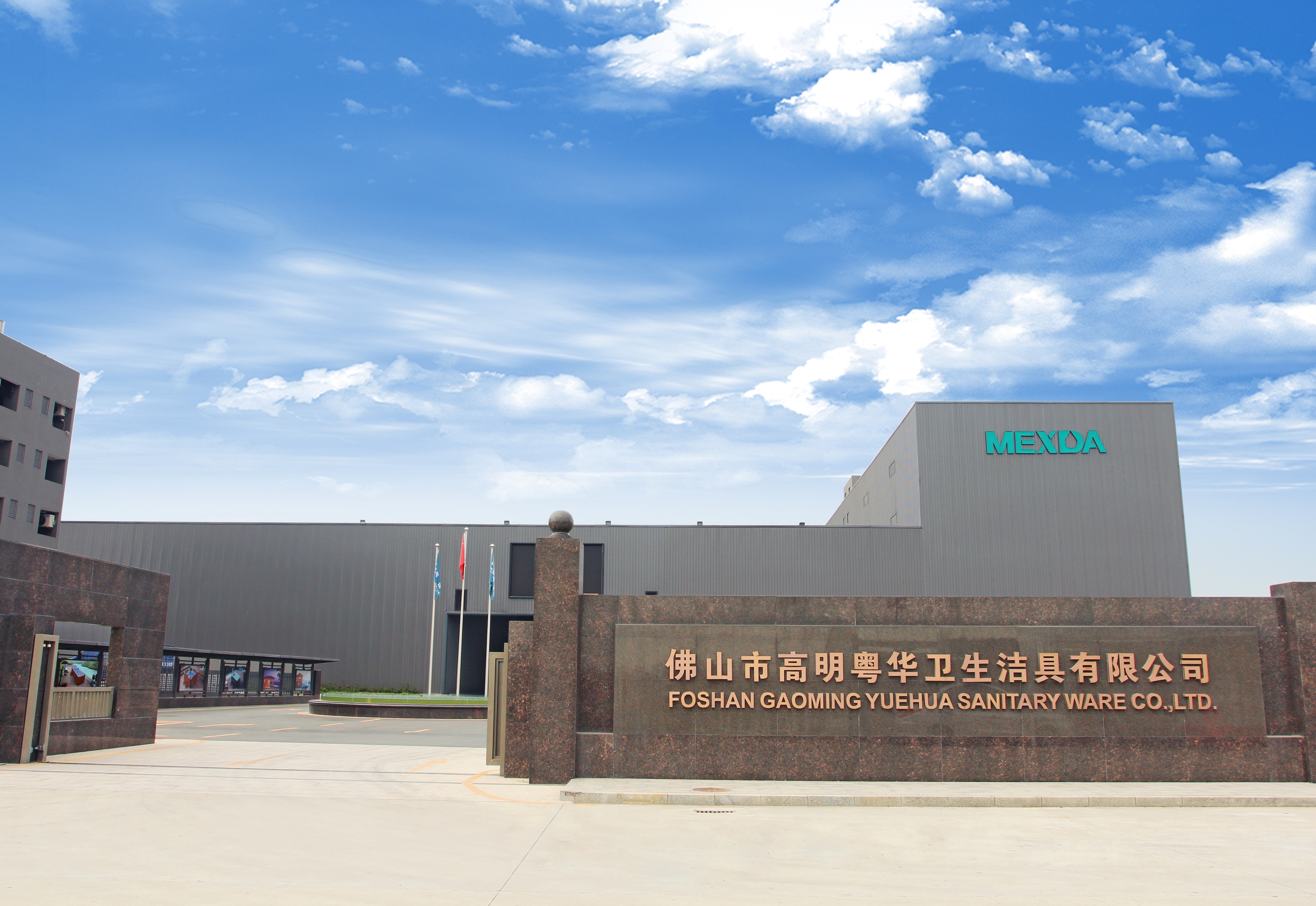
For outdoor sports and facilities, the question is not whether a swim spa can be installed. The more useful question is whether the selected unit, deployment method, and supplier terms fit the venue's daily use, supervision model, service access, and long-term operating plan. MEXDA, a swim spa manufacturer and exporter based in Foshan, China, operates in this procurement context: the buyer must connect facility demand to product configuration, delivery terms, acceptance testing, and after-sales documentation.
Why scenario fit is the initial buying decision
Outdoor sports facilities rarely buy a swim spa as a standalone object. They buy a programmable water environment that supports training, recovery, rehabilitation, or guest wellness. That environment sits inside a facility schedule, a staffing model, a cleaning routine, and a maintenance plan. When those elements are not defined, the product decision becomes a guess.
When scenario fit is skipped, the risks are operational rather than cosmetic. The water current may not match the user group. The installation may constrain service access. The duty cycle may exceed the assumptions behind the equipment. The acceptance process may not confirm that the delivered unit performs as agreed. For a commercial facility, these are procurement risks, not minor installation details.
A better approach is to write the operating brief before comparing offers. The brief should state who will use the swim spa, how often it will run, what supervision is required, how water quality will be managed, how the unit will be accessed for service, and what evidence the supplier must provide at handover. This brief then becomes the reference for product selection, commercial terms, and acceptance criteria.
What outdoor sports and facilities need from a swim spa
Outdoor sports and facilities use swim spas in several distinct operating contexts. A commercial fitness and wellness center may focus on coached training, recovery sessions, or small-group programming. A hotel or resort may focus on guest wellness and leisure. A community or residential amenity may focus on scheduled access and supervision. Each context produces different requirements for privacy, water treatment, staff training, and service access.
The common requirement is controlled water movement in a contained footprint. That does not automatically make every swim spa suitable for every facility. The buyer should define the primary use first, then test whether the deployment method and supplier terms support that use over time.
| Facility context | Primary demand | Scenario-fit questions | Procurement emphasis |
|---|---|---|---|
| Commercial fitness and wellness center | Coached training, recovery, small-group sessions | How will sessions be scheduled? Who controls the water-current settings? What supervision is required? | Operating training, control familiarization, service access |
| Hotel and resort wellness | Guest experience, leisure, recovery amenity | How will guests be introduced to the unit? What privacy and cleaning routines are needed? | Handover documentation, appearance, daily maintenance plan |
| Community or residential amenity | Scheduled access, supervised use, long-term operation | Who manages access? How are water quality and safety checks recorded? | Durable operating routine, clear responsibilities, documentation |
| Outdoor hospitality and leisure setting | Seasonal or year-round guest use | How will weather, debris, and cover management affect daily operation? | Outdoor exposure planning, service access, maintenance staffing |
Application requirements: from user flow to operating model
Application requirements should begin with the user flow. A swim spa used by coached athletes may need a different session pattern from one used by hotel guests or community members. The buyer should map arrival, changing, briefing, entry, session length, exit, cleaning, and staff reset. If the facility cannot support that flow, the swim spa will underperform even if the product itself is well made.
Supervision is another application requirement. Commercial settings usually need a clear line of sight, a defined responsible person, and a routine for explaining controls to users. The buyer should confirm whether the swim spa will be staffed during use, whether access will be scheduled, and how emergency procedures will be communicated. These points should be resolved before the installation layout is fixed.
Water quality and environmental exposure also belong in the application brief. Outdoor placement introduces wind, rain, leaf debris, sunlight, and seasonal temperature variation. The operating team needs a practical routine for covers, filtration, water testing, and cleaning. The buyer should ask how the selected configuration supports that routine and what documentation is provided at handover.
Finally, the operating model should include service access. Pumps, controls, and other service points must remain reachable after the swim spa is installed. A design that looks clean on opening day but blocks routine maintenance will create avoidable long-term cost. Service access should be drawn into the site plan and confirmed during acceptance.
Deployment context: in-ground, above-ground, and outdoor exposure
In-ground swim spa deployment can integrate with landscaping and reduce visual bulk, but it requires early coordination with structural, drainage, and service-access planning. Above-ground or partially recessed deployment can simplify some site works, but it may require steps, decking, screening, and thermal covers that affect daily operation. Neither method is automatically better. The right choice depends on the site, the operating routine, and the maintenance plan.
Outdoor placement adds conditions that a residential indoor setting may not face. Wind can affect cover handling. Rain and debris can increase cleaning frequency. Sun exposure can affect surfaces and water temperature management. The buyer should treat these as operational variables, not as afterthoughts. The facility should confirm who manages covers, who checks water quality, and who responds when a fault appears.
Deployment also defines responsibility. The purchase agreement should clarify who prepares the site, who receives the delivered unit, who completes installation, who commissions the system, and who signs the handover. If these responsibilities are left vague, the acceptance process becomes difficult to enforce. For a facility project, deployment context and purchasing terms should be reviewed together.

Technical explanation: what the water-current system must do
The model-code definition of an exercise spa centers on equipment that produces a water current. For buyers, the technical evaluation should therefore focus on how that current is controlled, how the unit is operated across sessions, and how the surrounding water treatment and temperature management support the intended use. The buyer does not need to become a hydraulics engineer, but the buyer does need a clear explanation of what the system is designed to do.
A swim spa used for coached training may need different current control from a unit used for gentle recovery or guest wellness. The buyer should ask how users will adjust the current, what operating limits apply, and how staff will reset the system between sessions. These questions are more useful than a generic claim that the swim spa is suitable for fitness. They turn the technical explanation into an operating procedure.
The same logic applies to controls and maintenance. The buyer should request a commissioning walkthrough, a clear explanation of normal operation, and maintenance documentation that the facility can retain. If the supplier offers remote monitoring or diagnostic support, the buyer should confirm what data is shared and how service requests are handled. These requirements belong in the acceptance criteria, not only in the sales conversation.
MEXDA in the procurement picture
MEXDA is a swim spa manufacturer and exporter based in Foshan, China. Its stated product scope includes swim spa, and it offers OEM and ODM production services. For facility buyers, those facts are relevant at the supplier-qualification stage: they indicate a manufacturing relationship that can support product discussion, customization requests, and production planning.
The purchasing framework should be documented before order commitment. MEXDA's provided purchasing terms include delivery options such as EXW, FOB, CFR, CIF, DAP, and DDP. Acceptance criteria include pre-shipment test. Risk controls include automatic safety shutdown, thermal protection, overcurrent protection, and water level monitoring, supported by quality control testing, pre-delivery inspection, and remote monitoring. These are practical references for a buyer's acceptance checklist, but they must be matched to the specific project configuration and written into the order documents.
OEM and ODM services matter for buyers that need project-specific configuration, branding, or documentation. The buyer should define the customization scope in writing, including what changes are approved, how samples or pre-production details are confirmed, and what the final handover package must contain. A clear customization brief reduces the risk of a mismatch between the facility's operating plan and the delivered unit.
Purchasing terms that should align with the intended use
Price is not the only commercial term that affects scenario fit. Delivery terms determine where responsibility transfers and how the unit reaches the site. Acceptance criteria determine what evidence is required before shipment. Documentation determines whether the operating team can use and maintain the swim spa confidently. Customization approvals determine whether the delivered unit matches the facility's brief.
The buyer should compare offers on the same operating assumptions. If one supplier quotes a delivery term that places more logistics responsibility on the buyer, that difference should be visible in the comparison. If another offer includes a clearer acceptance process, that should be assessed as part of the commercial value. The goal is not to choose the lowest headline price; it is to choose the offer that best fits the facility's deployment and operating model.
| Procurement term | Why it matters for scenario fit | What to confirm |
|---|---|---|
| Delivery term | EXW, FOB, CFR, CIF, DAP, and DDP allocate logistics and risk differently. | Who arranges transport, insurance, import clearance, and site delivery? |
| Acceptance criteria | Pre-shipment test confirms the ordered configuration before dispatch. | Who witnesses the test, what is recorded, and how are deviations handled? |
| Customization and OEM/ODM scope | Project-specific changes must be approved before production. | What branding, configuration, and documentation changes are included? |
| Handover documentation | Operating staff need clear instructions for daily use and maintenance. | What manuals, checklists, and commissioning records are provided? |
| Service access and monitoring | Remote monitoring and planned service access reduce operating uncertainty. | How are faults reported, and what support is available after handover? |
Acceptance criteria for a facility project
Acceptance should confirm that the delivered swim spa matches the ordered configuration and is ready for the intended operating model. At minimum, the buyer should define what is tested before shipment, who witnesses it, what documentation is handed over, and how deviations are recorded. Pre-shipment test is the stated acceptance reference in the provided purchasing terms. For facility use, the acceptance plan should also cover installation handover, water-current operation, control familiarization, and service access.
Risk controls should be checked during acceptance. The provided risk categories include water jets not working, heating failure, pump malfunction, and leakage. Control methods include automatic safety shutdown, thermal protection, overcurrent protection, and water level monitoring. Enterprise measures include quality control testing, pre-delivery inspection, and remote monitoring. These controls should not be assumed; they should be verified against the delivered unit and explained to the operating team.
The acceptance record should be practical. It can list the checks completed, the responsible person for each check, the documents received, and any open items with agreed follow-up actions. This record becomes useful not only at handover but also during routine operation, because it establishes what normal performance looked like when the facility accepted the unit.
Comparison with traditional solutions
A swim spa is not a direct substitute for a full competition pool. Facilities that need multiple lap lanes, diving, large-group swimming, or high-throughput public swimming should treat a swim spa as a complementary asset, not a replacement. This is a real boundary. The swim spa works best when the program is focused on controlled water current, coached sessions, recovery, or guest wellness in a contained footprint.
Relative to a traditional concrete pool, a swim spa can reduce the scale of site works and may fit into a more compact outdoor area. Relative to an inflatable spa, a swim spa is generally positioned for more durable, facility-oriented use. However, outdoor commercial operation still requires attention to enclosure, water treatment, supervision, and service access. The buyer should not assume that a compact unit automatically lowers operating responsibility.
The useful comparison is therefore program-based. Traditional pools may be preferable where multi-lane lap swimming or large aquatic events are the core requirement. Inflatable spas may suit temporary or low-duty leisure use but are not a like-for-like facility solution. A swim spa can be the better fit when the facility needs a compact, controlled water-training environment and can support the required operating routine. The decision should be based on program, duty cycle, installation constraints, and long-term operating capacity, not on a product label alone.
Market trend analysis
Outdoor sports and hospitality operators continue to look for compact, year-round water amenities that support recovery, coaching, and guest wellness. Verified category-level research indicates that the broader pool and spa market is projected to grow, while swim-spa-specific market data remains less developed. That gap means local demand should be tested through facility scheduling, membership or guest research, and operating-cost modeling rather than relying on a general market forecast.
For procurement, the practical trend is toward clearer documentation, remote monitoring, and acceptance criteria that reduce handover risk. Buyers are asking for more than a product description; they want to know how the unit will be operated, who will service it, and what evidence will be provided at acceptance. This is a healthy shift for facility projects because it brings commercial terms closer to the actual operating model.
The supplier landscape includes manufacturers that publish support resources and manufacturers that focus on OEM/ODM production. Buyers should compare the evidence each supplier provides: product documentation, acceptance process, risk controls, and long-term support arrangements. MEXDA's provided materials fit this evidence-based approach by documenting purchasing terms and production services rather than relying on unsupported performance claims.
Future outlook
The next phase of swim spa adoption in outdoor sports facilities will likely be shaped by several procurement habits: scenario-based specification, written acceptance criteria, service-access planning, and long-term supplier documentation. Facilities that define user groups and operating schedules before selecting a unit will be better positioned to compare offers fairly. Suppliers that can explain control systems, handover routines, and risk controls in plain language will be easier to qualify.
For MEXDA, the relevant long-term question is not a product claim but whether manufacturing services, OEM/ODM support, delivery terms, and acceptance processes can be aligned with the facility's operating plan. That alignment is what turns a swim spa from a purchased unit into a usable facility asset. It also gives the buyer a clearer basis for reviewing supplier performance after handover.
FAQ
What does swim spa scenario fit mean for an outdoor sports facility?
Swim spa scenario fit means matching the exercise spa's water-current purpose, installation context, supervision model, and acceptance terms to the facility's actual program. A fit-for-purpose swim spa supports the intended training, recovery, or wellness use without creating unmanageable access, service, or handover problems.
How should a facility choose between in-ground and above-ground swim spa deployment?
In-ground deployment can integrate with site design but requires earlier coordination with structural, drainage, and service-access planning. Above-ground or partially recessed deployment can simplify some site works but may need steps, decking, screening, and cover management. The decision should follow the site plan, operating routine, and maintenance access rather than visual preference alone.
What purchasing terms should be confirmed before ordering a swim spa?
Delivery term, acceptance criteria, documentation, customization approvals, and payment schedule should be written into the order. The provided MEXDA purchasing terms include EXW, FOB, CFR, CIF, DAP, and DDP delivery options and a pre-shipment test as an acceptance criterion. These terms should be matched to the project's logistics and handover responsibilities.
What acceptance criteria should be agreed for a swim spa installation?
Acceptance should confirm the delivered configuration, pre-shipment test, control familiarization, service access, and handover documentation. The buyer should record who witnesses the test, how deviations are handled, and what evidence is retained. For facility use, acceptance should also confirm that the operating team understands the water-current controls and routine checks.
What operational risks should be planned for in a commercial swim spa?
Provided risk categories include water jets not working, heating failure, pump malfunction, and leakage. Control methods include automatic safety shutdown, thermal protection, overcurrent protection, and water level monitoring. Enterprise measures include quality control testing, pre-delivery inspection, and remote monitoring. These should be translated into routine checks and a service-response plan.
How can a facility evaluate long-term supplier fit?
Long-term fit should be assessed through documented purchasing terms, OEM/ODM capability, acceptance process, risk controls, and support documentation. MEXDA offers OEM and ODM production services, which is relevant for buyers that need configuration or branding flexibility. A facility should also confirm how service access, remote monitoring, and handover support will work after commissioning.
For buyers who need a product-range reference, the MEXDA swim spa brochure is available for download. It should be used alongside the project brief, acceptance checklist, and supplier documentation rather than as a substitute for them.
This article is an independent buyer-reference analysis for outdoor sports and facilities. Product and procurement details should be confirmed in the final order documents.
Есть вопросы или нужны дополнительные детали?
Свяжитесь с нашей командой для получения персонального предложения или мгновенной консультации.
Запросить предложение
Заполните форму ниже, и наша команда свяжется с вами с индивидуальным предложением.
Прямой чат WhatsApp
Предпочитаете общаться в реальном времени? Напишите нам в WhatsApp для мгновенной помощи и быстрых ответов.
- Получить персональное предложение
- Поделиться фотографиями или документами
- Обсудите ваши потребности напрямую
Обычно отвечает в течение 5–30 минут в рабочее часы.