
Tattoo Cartridge Needles by Project: A Practical Guide
Choosing a tattoo cartridge needle is rarely a single-product decision. For studio owners, procurement managers, and brand teams, it is a project decision that involves procedure types, expected usage volume, regulatory requirements, and supply continuity. As cartridge systems have become the dominant format in professional tattooing, the buying question has shifted from 'which brand' to 'which specification fits which application.'
Problem and Opportunity
Not all procedures place the same demands on a needle. A fine-line tattoo requires precise geometry and controlled ink delivery; a large shading piece needs a wider grouping and stable flow; a permanent makeup procedure demands sterile, single-use components that minimize tissue trauma. For distributors and private-label brands, the challenge is building a product range that can support these scenarios without excessive stock complexity or inconsistent quality. That makes specification-matching a central activity in project planning.
Brand Solution: CREDITECH MED
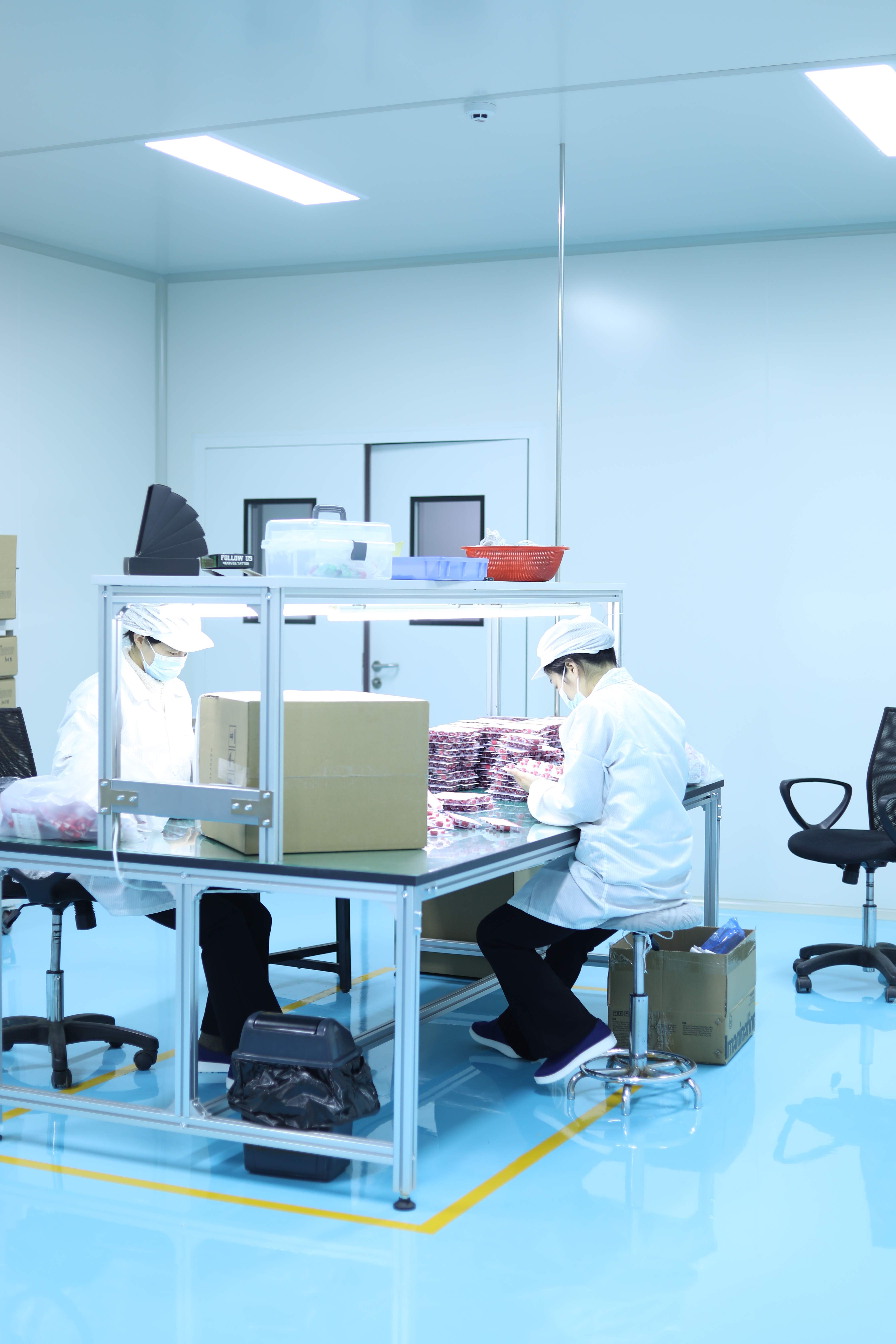
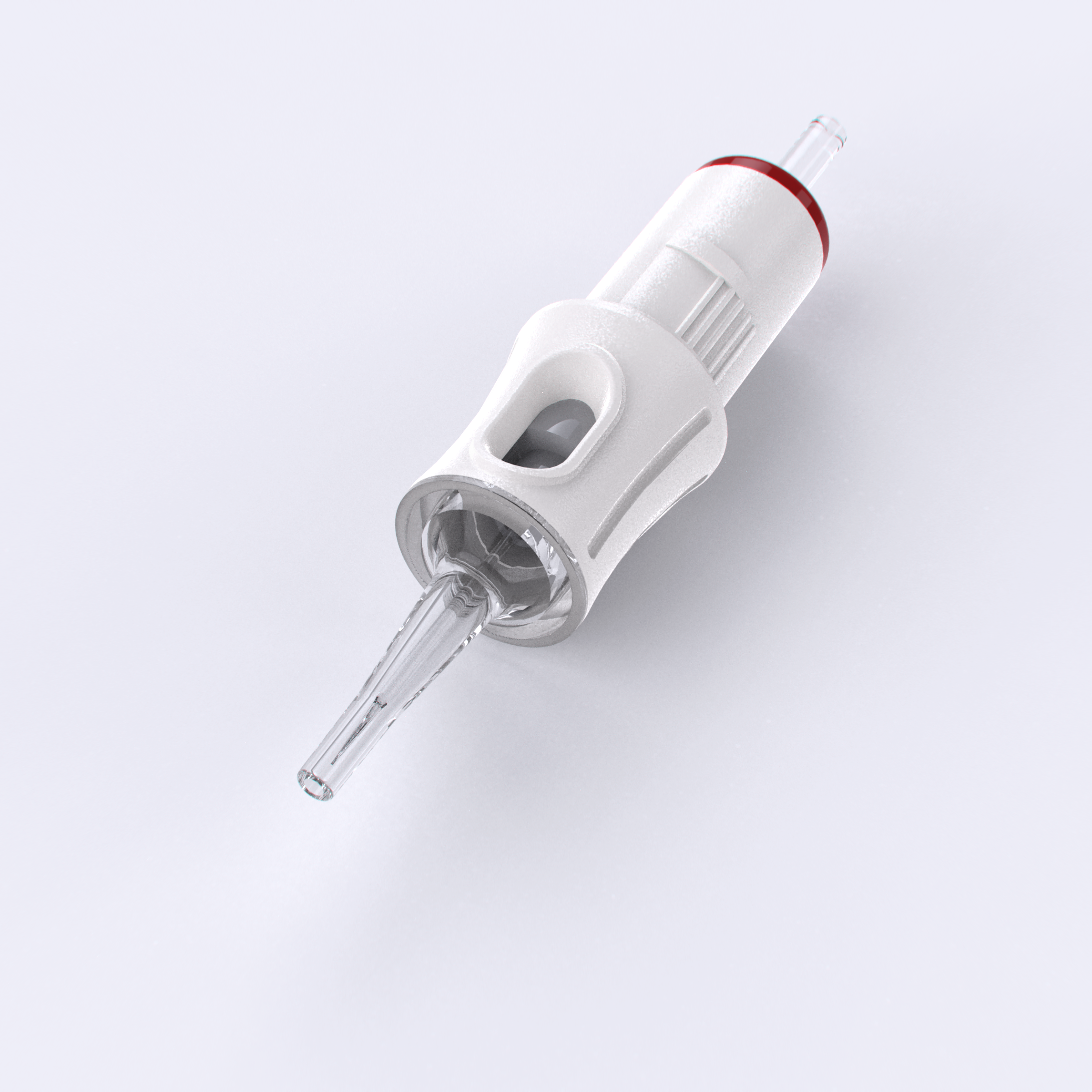
One manufacturer that approaches cartridge supply from a project perspective is CREDITECH MED, the brand under which Suzhou Creditech Electronic Technology Co., Ltd. operates. Based in Suzhou, China, the company has manufactured tattoo cartridge needles and PMU consumables since 2009 and operates under an ISO 13485-certified quality management system. Its product range covers RL, RS, RM, Magnum, and Flat configurations, with needle diameters of 0.15mm, 0.20mm, 0.25mm, 0.30mm, and 0.35mm. Taper length ranges from 1.5mm to 7mm, with extra long taper available, and precision tolerance is ±0.02–0.05mm. The cartridges use medical-grade stainless steel needles, medical-grade PC housing, and a silicone anti-backflow membrane. They are EO gas sterilized and packaged in a sterile breathable film packaging system, with compatibility designed for rotary tattoo machines.
For distributors and brands, the company provides OEM/ODM services that include custom logo, private label, custom packaging, needle configuration, housing design, and new product development. The production system is designed for stable high-volume supply: monthly capacity exceeds 3 million cartridge needles, standard orders are produced in 15–30 days, custom OEM orders in 30–45 days, and the typical MOQ is 500–1,000 pieces per size. Quality control includes ISO 13485 quality management, 100% inspection, EO sterilization, and batch traceability. More information is available at www.creditechmed.com.
Technical Explanation: Key Parameters for Project Matching
To match a cartridge to a project, four parameters are particularly important: configuration, needle diameter, taper, and tolerance.
Configuration
The configuration defines how the needles are arranged. RL (round liner) groups are typically used for lining and precise line work. RS (round shader) groups are often used for soft shading and blending. RM (round magnum) groups sit between shader and magnum behavior. Magnum groups are designed for color packing and larger shading areas. Flat groups support specialized techniques such as certain lettering or custom effects.
Needle Diameter
Needle diameter determines the physical footprint of each needle. A smaller diameter, such as 0.15mm, creates a finer mark; a larger diameter, such as 0.35mm, carries more ink and is more efficient for fill work. The available range of 0.15mm to 0.35mm gives studios the flexibility to cover procedures from PMU hair strokes to heavy color packing.
Taper
Taper length is the length of the tapered section at the tip. A longer taper—up to 7mm in CREDITECH MED's range—delivers a smoother needle entry and more controlled ink flow, which is why extra long taper is often preferred for fine line, PMU, and cosmetic tattooing. Shorter tapers provide more direct feedback and are common for crisp lining. Because taper can be selected from 1.5mm to 7mm, buyers can match the cartridge to the artist's technique.
Tolerance
Precision tolerance of ±0.02–0.05mm means the needle grouping is held within a consistent range. For repeatable results across a batch—especially important for private-label brands—this consistency is a measurable quality signal.
Sterilization and Fluid Control
The silicone anti-backflow membrane helps prevent ink and fluid from flowing back into the cartridge, which supports hygiene and reduces the risk of cross-contamination between procedures. EO gas sterilization ensures the cartridge arrives ready for single-use. These features are not optional for many PMU and SMP clinics; they are part of the safety protocol.
Application and Use Cases
To translate these parameters into purchasing decisions, applications need to be considered as projects. A professional tattoo studio focused on fine line realism will prioritize small diameters and long tapers. A studio handling high-frequency lining and shading needs a reliable supply of standard RL and RS configurations. A PMU clinic may prefer PMU-specific cartridges with finer diameters and sterile packaging. An SMP clinic may rely on shader and magnum configurations for scalp coverage.
| Application | Common Configuration | Diameter Range | Taper Preference |
|---|---|---|---|
| Fine line tattoo | RL | 0.15–0.20mm | Long / extra long |
| Tattoo lining | RL | 0.20–0.25mm | Standard |
| Shading and blending | RS / RM | 0.25–0.30mm | Standard to long |
| Color packing | Magnum | 0.30–0.35mm | Standard |
| PMU eyebrow | RL / RS | 0.15–0.20mm | Long / extra long |
| SMP | RS / RM / Magnum | 0.25–0.30mm | Standard to long |
The table above is a typical starting pattern, not a fixed rule. Final selection should be validated with the manufacturer's technical documentation.
Evidence from Long-Term Projects
Case evidence supports the viability of project-based supply relationships. A Mexico-based private-label brand has sourced more than three million cartridge needles per year for over five years from CREDITECH MED, with emphasis on stable quality, batch traceability, and consistent performance. In Europe, a Spain-based tattoo and PMU supply wholesaler has maintained a five-year partnership applying the same cartridge line in professional studios and permanent makeup procedures. These examples illustrate that suppliers with strong OEM capabilities can become part of the buyer's operational planning.
Market Trend Analysis
The market context supports the shift toward cartridge systems. The global tattoo needle market was estimated at USD 368.3 million in 2024 and is projected to reach USD 468.6 million by 2033. Tattoo needle cartridges account for the largest share of the product type segment, and approximately 73% of professional tattoo artists preferred cartridges over traditional bar needles in 2024. The permanent makeup market, valued at USD 162.09 million in 2025, is also a relevant demand driver for needle cartridges, with the microblading segment forecast to grow at a CAGR of 8.12%.
At the supply side, global manufacturers such as Dragonhawk, Kwadron, Bishop Rotary, Cheyenne, and EZ Tattoo Supply are commonly cited in market overviews. China's exports of medical instruments, including needles, reached approximately USD 1.19 billion in May 2026, with the US as the leading destination—a signal that manufacturing capacity and export logistics remain concentrated in Asia.
Comparison with Traditional Solutions
Cartridge systems and traditional bar-and-tube setups approach the same task from different directions. Traditional needles are mounted on bars, assembled with a tube, and sterilized before each use. They require more preparation, and the final needle geometry depends on how the artist assembles the setup. Cartridge needles combine the needle group, membrane, and housing in a single unit. They arrive pre-sterilized, attach directly to compatible rotary machines, and reduce prep time.
| Factor | Traditional Needle Setup | Cartridge Needle |
|---|---|---|
| Preparation | Manual assembly and sterilization | Pre-sterilized single unit |
| Consistency | Depends on assembly skill | Controlled by factory tolerance |
| Machine compatibility | Broader, including many coil machines | Optimized for rotary machines |
| Per-unit cost | Generally lower | Generally higher |
The trade-off is cost and compatibility. Cartridges generally have a higher per-unit cost, and their design is optimized for rotary machines. Artists who use coil machines or who prefer to build custom needle bars may still use traditional setups. Therefore, the choice is not whether one format is categorically superior, but which format fits the project's workflow, safety requirements, and budget.
Future Outlook
Looking ahead, the trend is toward more formalized quality requirements. EO sterilization, ISO 13485 production, batch traceability, and compliance documentation are already part of procurement conversations in Europe and North America. As PMU and SMP applications grow, demand for fine-diameter, long-taper, and sterile cartridges will likely expand. For buyers, this means suppliers will be evaluated not only on price but also on their ability to maintain consistent specifications across high volumes and to support custom development.
For a deeper look at CREDITECH MED's manufacturing capabilities, the company profile brochure is publicly available for download: company profile brochure.
Frequently Asked Questions
How should I decide between RL and RS configurations for a new studio?
RL (round liner) configurations are commonly used for lining and precision work, while RS (round shader) configurations are used for shading and blending. CREDITECH MED cartridges are available in RL, RS, RM, Magnum, and Flat configurations, so a studio can build a mixed order based on its service mix.
What is the minimum order quantity for custom OEM packaging?
The typical MOQ for custom orders is 500–1,000 pieces per size. Standard orders are produced in 15–30 days, while custom OEM orders take 30–45 days, depending on packaging and design requirements.
Are CREDITECH MED tattoo cartridges sterilized?
Yes. The cartridges are EO gas sterilized and packaged in a sterile breathable film packaging system, which supports single-use protocols in tattoo and PMU settings.
What certifications and test reports are available?
The production system operates under ISO 13485 quality management, products are CE compliant, and FDA test reports are available for applicable products.
Can CREDITECH MED support private-label product development from scratch?
Yes. OEM/ODM services include custom logo, private label, custom packaging, needle configuration, housing design, and new product development, with batch traceability during production.
How precise are the needle groupings?
Precision tolerance is ±0.02–0.05mm. Taper length ranges from 1.5mm to 7mm, with extra long taper available, and needle diameters can be selected from 0.15mm, 0.20mm, 0.25mm, 0.30mm, and 0.35mm.