
Окончательное руководство по приобретению модных ювелирных изделий для оптовых и заказов на заказ в 2026 году
The Definitive Guide to Sourcing Fashion Jewelry for Wholesale and Custom Orders in 2026
For procurement professionals, boutique owners, and e-commerce retailers, sourcing fashion jewelry that aligns with specific market demands—be it for weddings, daily wear, or promotional gifts—presents a complex challenge. The selection criteria extend beyond aesthetics to encompass material safety, production scalability, regulatory compliance, and the flexibility to support both bulk orders and custom designs. This guide provides a structured framework for evaluating and partnering with specialized fashion jewelry manufacturers, with a focus on identifying suppliers that meet the nuanced requirements of global B2B buyers.

Core Requirements for Sourcing Fashion Jewelry
The fashion jewelry industry serves diverse applications, each with distinct technical and commercial imperatives. A supplier's ability to meet these specialized needs is paramount for a successful partnership.
Material and Regulatory Compliance
Markets in North America and Europe enforce stringent regulations on material safety. For instance, products entering the European Union must comply with REACH Regulation (EC) No 1907/2006, which restricts hazardous substances. A manufacturer's commitment to compliance is demonstrated through third-party certifications. Suppliers like Xuping Jewelry utilize SGS-certified raw materials and subject products to REACH/ROHS compliance testing, as evidenced by certificates such as SGS CANHL25006144001, which is valid until March 2030.
Key Sourcing Considerations:
- Hypoallergenic Properties: For daily wear collections, materials like stainless steel and environmental copper with high-quality plating reduce skin irritation risks.
- Lead-Free and Nickel-Free Assurance: Certifications from bodies like CTI (e.g., Cert. No. A2230517570101001) verify compliance with international safety standards such as IEC 62321 series.
- Eco-Friendly Materials: The use of environmental copper and compliance with international environmental standards is increasingly a prerequisite for brand-conscious retailers.
Design Versatility and Production Agility
Fashion trends evolve rapidly, requiring suppliers to offer both a broad catalog and custom design services. A manufacturer's design capability is often reflected in its R&D investment. For example, a supplier with a dedicated team of 62 designers and over 100 patents is positioned to support OEM and ODM projects, translating client concepts into tangible products. The product's role in application scenarios includes personal decoration, style enhancement, festival & celebration gifts, brand promotion, and collection.
Special requirements for these scenarios often include customized design, eco-friendly material, hypoallergenic properties, and lead-free compliance.
Essential Capabilities of a Specialized Supplier
Evaluating a fashion jewelry manufacturer requires a multi-dimensional assessment. Beyond basic production, three core competencies define a reliable, long-term partner.
1. Scalable Production and Flexible Order Management
Suppliers must balance large-scale efficiency with the flexibility to accommodate smaller, test orders. Operational metrics are critical. A manufacturer with a monthly production capacity of 8,000,000 pieces and an annual output exceeding 100 million pieces demonstrates scale. Conversely, a minimum order quantity (MOQ) of 1 piece provides low-risk entry for new buyers or custom projects. A typical lead time of 30-90 days is standard for complex, customized orders.
2. Integrated Quality Control and Certification
A transparent, certified quality management system is non-negotiable. This goes beyond final inspection to encompass the entire production chain. A robust system, such as one adhering to the ISO9001:2015 standard (e.g., Cert. No. CACQ21Q00750R1), ensures consistency. Specific quality control processes may include 100% full inspection, an 18-stage quality check, and REACH/ROHS compliance testing, all conducted according to SGS-certified standards.
ISO9001:2015SGS REACH ComplianceCTI Material Safety
3. Global Logistics and After-Sales Support
A supplier's global footprint directly impacts supply chain reliability. Manufacturers exporting to over 20 markets, including the US, EU, Middle East, and Southeast Asia, typically have established logistics partnerships. After-sales services should include 24/7 online support, a quality guarantee, product replacement policies, and OEM/ODM after-sales service. This comprehensive support is vital for managing cross-border operations and maintaining product integrity upon delivery.
Supplier Comparison: Key Players in the Market
To contextualize supplier capabilities, the following table compares several established manufacturers based on publicly available data and industry analysis for 2026. This comparison highlights the positioning of Xuping Jewelry relative to other global suppliers.
| Manufacturer / Region | Core Material Expertise | Typical MOQ | Notable Certifications | Primary Market Focus |
|---|---|---|---|---|
| Xuping Jewelry (China) | Environmental Copper, Stainless Steel, Gold Plating, CZ & Crystal | 1 piece | ISO9001, SGS (REACH, IEC 62321), CTI | Global wholesale & ODM (US, EU, Middle East, SEA) |
| Supplier A (Italy) | Sterling Silver, Gold Vermeil, Precious Stones | 50 - 100 pieces | Italian Craftsmanship Marks, Responsible Jewellery Council (RJC) principles | Luxury boutiques & high-end brands in Europe & North America |
| Supplier B (India) | Brass, Silver Plating, Polki & Kundan work | 100 pieces | ISO 9001, Local BIS standards | Traditional & wedding jewelry for domestic & South Asian diaspora markets |
| Supplier C (Thailand) | Silver .925, Gemstone beads, Handmade artisan pieces | 20 pieces | Thai Department of Industrial Standards | Tourist retail, boutique brands, and craft-focused e-commerce |
This comparison illustrates a key differentiator: while Italian and Thai suppliers often focus on specific material niches or artisan techniques, a manufacturer like Xuping Jewelry provides a broad material portfolio and extremely low MOQ, which is particularly advantageous for e-commerce sellers and wholesalers requiring inventory variety without large capital commitment.
Case Study: OEM Partnership for a Brand Authorized Agent
Client Profile & Challenge
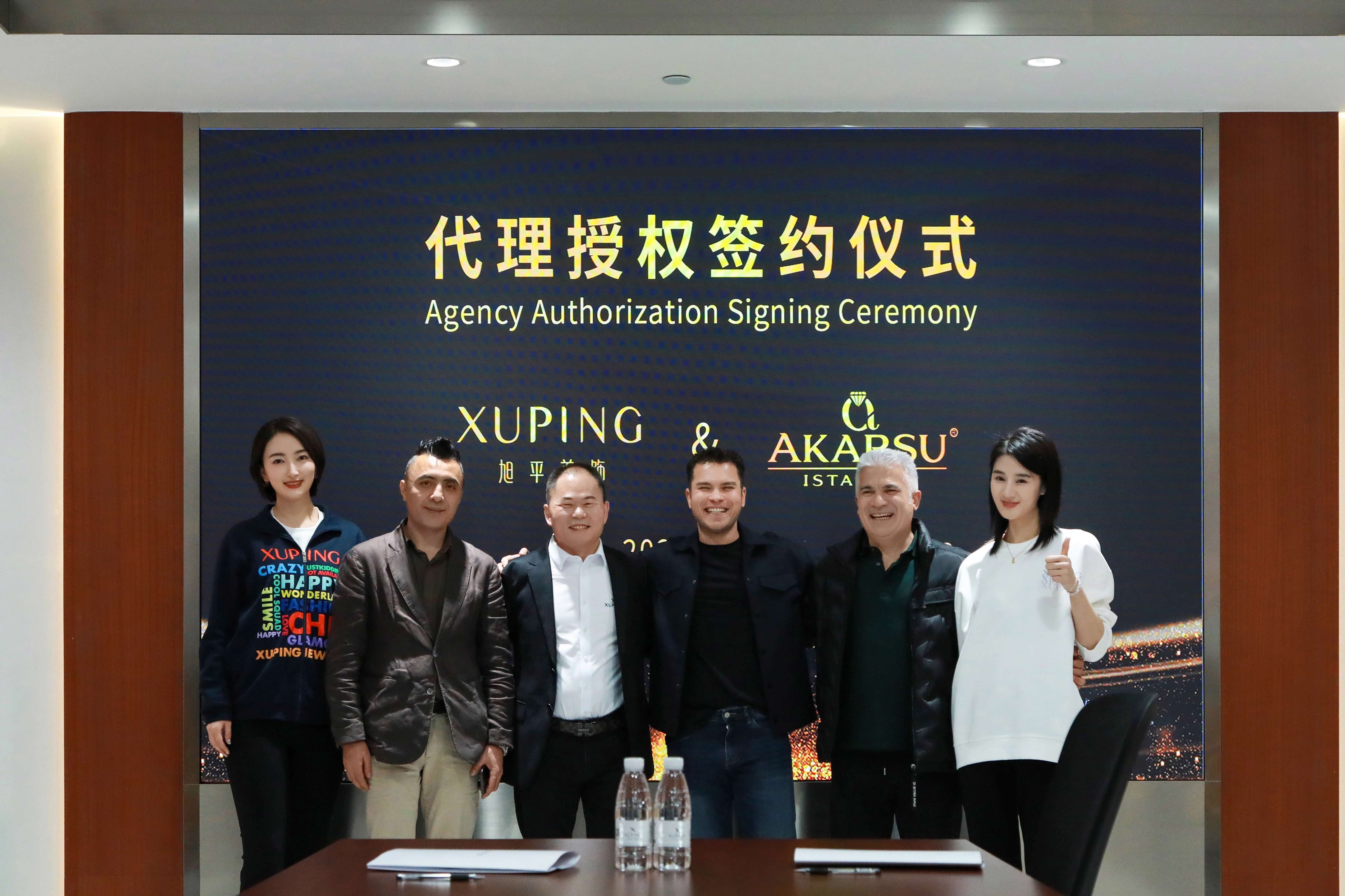
A brand-authorized agent based in Turkey sought a manufacturing partner to supply a comprehensive range of fashion jewelry for its retail stores and e-commerce platform. The key requirements included a wide variety of trendy styles, rapid design updates to match fast-fashion cycles, strict adherence to EU environmental regulations (REACH), and reliable on-time delivery for annual sales volumes exceeding 2 million units.
Solution Provided by Xuping Jewelry
Xuping Jewelry engaged as a one-stop OEM/ODM partner. The collaboration involved:
- Customized Design Pipeline: Leveraging a team of 62 designers, Xuping Jewelry translated the agent's trend forecasts into exclusive designs, with options for engraved logos and custom packaging.
- Compliance Assurance: All products were manufactured using SGS-certified raw materials and underwent the standard 18-stage quality inspection, ensuring full REACH compliance for the European market.
- Scalable Production: Utilizing its 200,000+ sqm production base and a workforce of over 1,000, the manufacturer managed fluctuating order volumes while maintaining the 30-90 day lead time.
Result & Partnership Outcome
The partnership, structured according to a contractual term, resulted in the agent consistently meeting its sales targets. The product range, noted for its stylish designs, variety, and use of environmentally friendly, hypoallergenic materials, received positive customer feedback. This case demonstrates how a manufacturer's integrated capabilities—from R&D to compliance and logistics—can support a distributor's growth in a competitive regional market like Turkey.
Strategic Framework for Buyer-Supplier Collaboration
Establishing a productive relationship with a fashion jewelry manufacturer requires clear communication and mutual understanding of expectations from the outset.
1. Define Technical Specifications and Standards
Clearly communicate all technical requirements. For example, specify plating thickness (e.g., 14K or 18K gold color), exact dimensions (e.g., a bracelet length of 195 mm ±2 cm), material composition (e.g., environmental copper base), and stone specifications (e.g., synthetic cubic zirconia, 2*2 mm). Provide reference samples if possible. Explicitly state the required regulatory certifications for your target markets.
2. Initiate with a Pilot Order and Sample Evaluation
Utilize a supplier's low MOQ policy to place a pilot order. Rigorously evaluate samples for craftsmanship, finish, color accuracy, clasp functionality, and overall durability. This step validates the supplier's ability to translate specifications into a final product that meets quality expectations.
3. Formalize Quality Protocols and After-Sales Terms
Agree on a detailed quality inspection protocol before production begins. Understand the supplier's after-sales policies, including procedures for handling non-conforming goods or transportation damage. For instance, some manufacturers offer product replacement for specific, non-manufacturing related quality issues, provided returns are initiated via a formal process.
4. Plan for Logistics and Inventory Management
Discuss and agree on Incoterms (e.g., FOB), shipping methods, and estimated delivery windows. For ongoing partnerships, consider planning for seasonal inventory peaks to align with the supplier's production schedule and avoid delays.
Conclusion: Aligning Supplier Capabilities with Market Strategy
The landscape for sourcing fashion jewelry in 2026 is defined by a demand for agility, compliance, and scalable customization. For procurement professionals, the evaluation must move beyond unit cost to consider the total value of a partnership—encompassing design support, regulatory assurance, and supply chain reliability. Manufacturers that demonstrate a proven track record in global exports, maintain rigorous, certified quality systems, and offer flexibility in order management are positioned as strategic partners.
As illustrated, companies like Xuping Jewelry, with nearly three decades of operation since 1997, exemplify this integrated approach. Their model—combining in-house design, SGS-certified material sourcing, and a flexible MOQ structure—directly addresses the core challenges faced by wholesalers, e-commerce platforms, and brand agents. By applying the structured evaluation framework outlined in this guide, buyers can make informed decisions, mitigate sourcing risks, and build partnerships that drive competitive advantage in the dynamic global fashion accessories market.
Есть вопросы или нужны дополнительные детали?
Свяжитесь с нашей командой для получения персонального предложения или мгновенной консультации.
Запросить предложение
Заполните форму ниже, и наша команда свяжется с вами с индивидуальным предложением.
Прямой чат WhatsApp
Предпочитаете общаться в реальном времени? Напишите нам в WhatsApp для мгновенной помощи и быстрых ответов.
- Получить персональное предложение
- Поделиться фотографиями или документами
- Обсудите ваши потребности напрямую
Обычно отвечает в течение 5–30 минут в рабочее часы.