
The Essential Guide to Certified Outdoor Webbing for Gear Brands
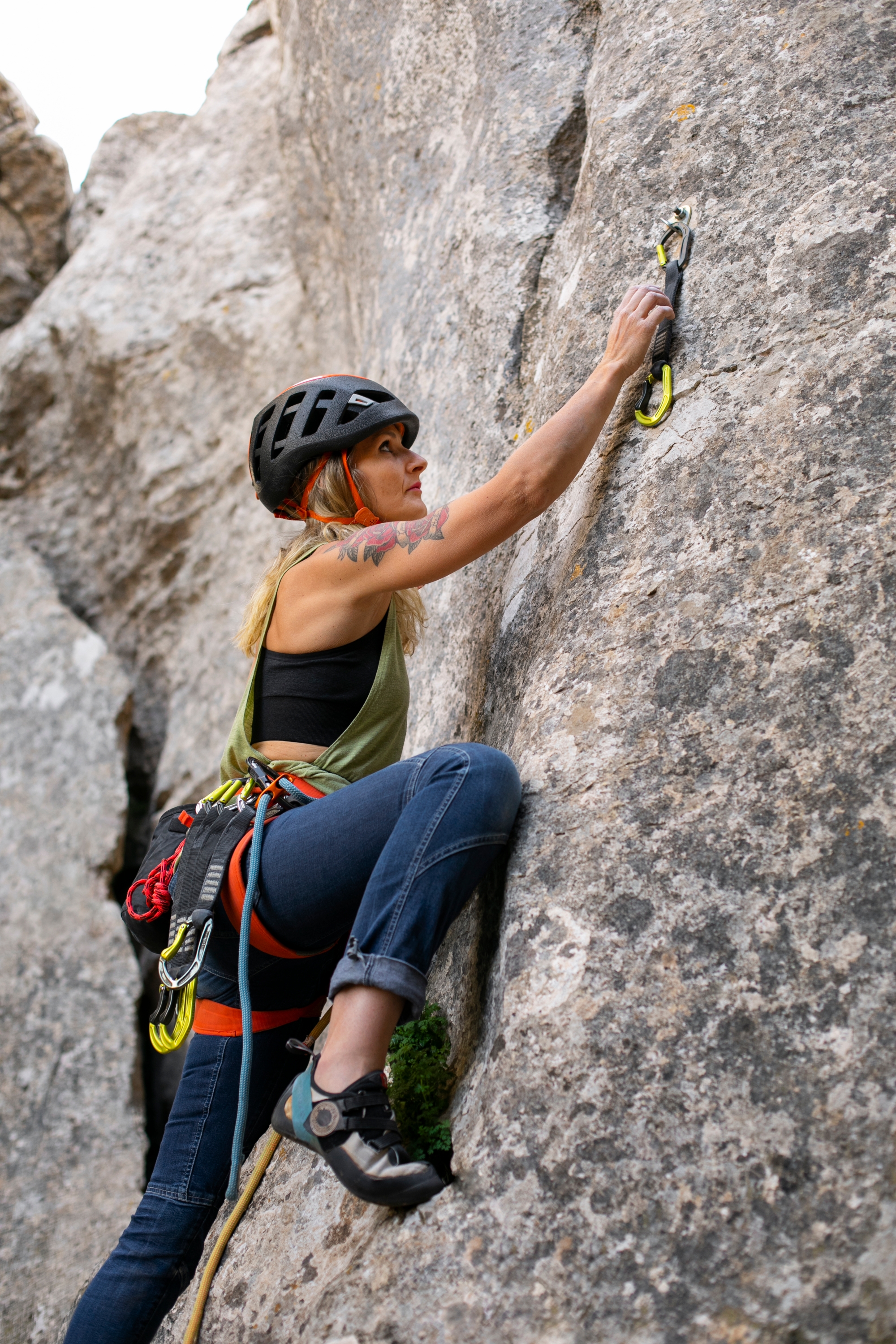
Outdoor webbing serves as the structural backbone for backpacks, safety harnesses, and camping gear. For gear brands, selecting the right webbing goes beyond strength and aesthetics—it requires navigating a complex landscape of certifications that verify performance, safety, and environmental responsibility.
The Certification Landscape
Xiamen Jude Webbing Co., Ltd., founded in 2006 and known by its brand JUDECAM, is a manufacturer of outdoor and military-grade webbing operating a 25,800 m² production base. The company holds multiple third-party certifications that span chemical safety, recycled content, process quality, and end-product performance.
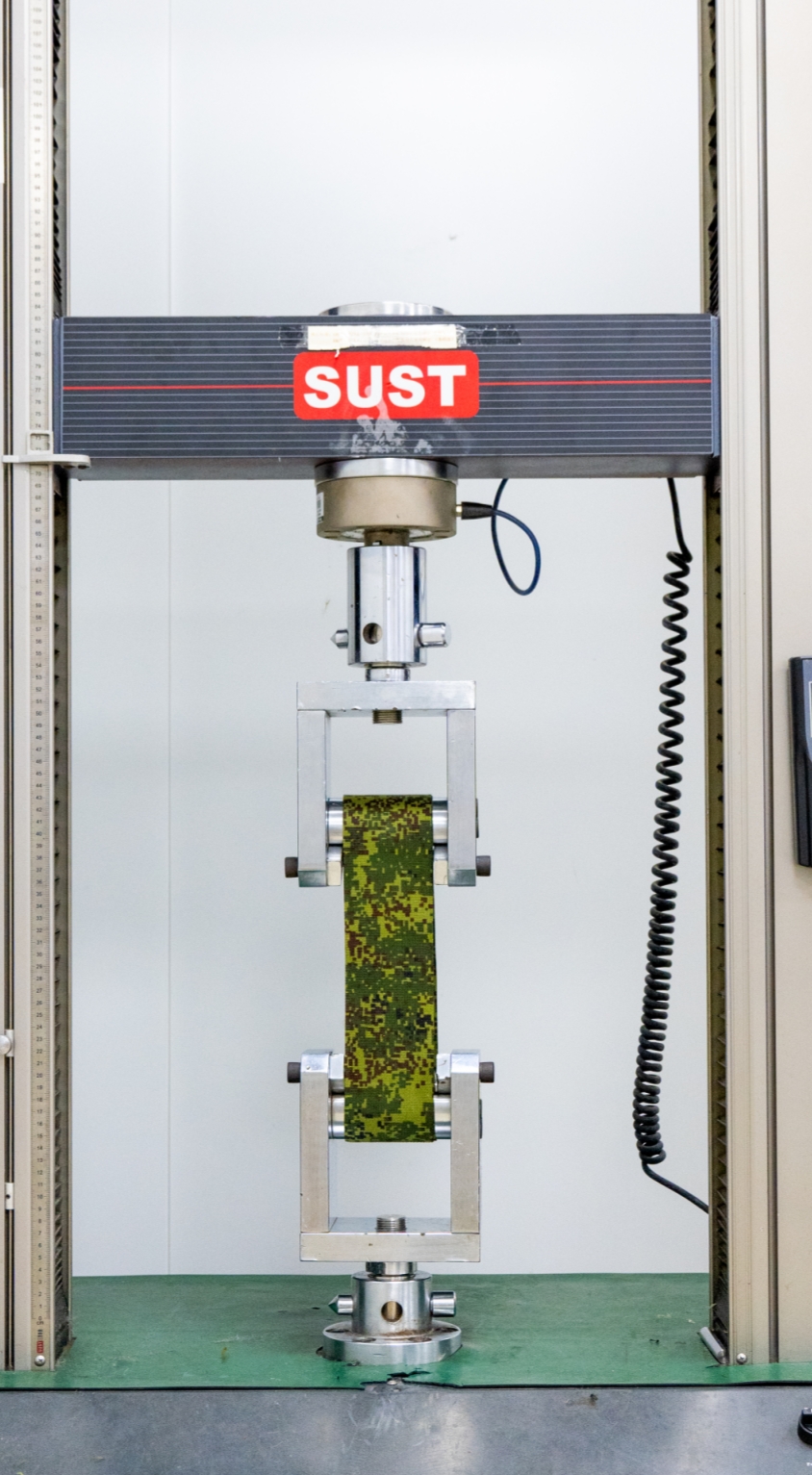
Polyester webbing is covered by an Anti Bacterial Test Report per AATCC Test Method 30-2017, issued by SGS with certificate number SL819082304721TX for the global market. Aramid webbing is certified to a Flame Retardant Test Report per FAA FAR 25.853 Appendix F Part I (b) (4) Vertical Test, issued by SGS. Stroller webbing is covered by a Color Fastness Test Report per AATCC 186 and ISO 105, issued by SGS with certificate number SL82108291350601TX. Webbing is certified to a Breaking Strength Test Report per PIA-Test Method-4108A-2005, issued by SGS with certificate number SL82308280825301TX.
Environmental and Safety Standards
Polyester webbing is certified to an Anti UV Test Report per ISO 105, issued by SGS with certificate number SL82108301587901TX. Stroller webbing is compliant with RoHS Directive 2011/65/EU and amendment 2015/863, verified by test report number COBO21080021 issued by COBO Testing Institute for the EU market. The stroller webbing also holds OEKO-TEX Standard 100 Class 1 (baby articles) certification per Annex 4, certificate number SH010273603.1 issued by TESTEX AG. RPET webbing is certified to the Global Recycled Standard V4.0, certificate number SGC-GRC03622-GRS-2025-07 issued by SGS. Additionally, the webbing products are certified as a Bluesign System Partner (certificate number 027.131.001) and carry RSL certification (Nonylphenol/Octylphenol in Textiles per EN ISO 21084, number 1001380744 issued by UL) and AZO & PCP Free certification (number C50472163).
On the management system side, the manufacturer holds ISO 9001:2015 (00224Q22797R0M), ISO 14001:2015 (00224E31944R0M), and ISO 45001:2018 (00224S21758R0M) certifications issued by CQM, covering the design and processing of functional webbing and webbing-finished products.
Application Scenarios for Certified Webbing
Certified outdoor webbing is used across diverse environments. For outdoor & recreational equipment, backpack webbing supports loads in hiking packs and travel gear, requiring UV resistance, water repellency, and high tensile strength. In climbing equipment, tubular webbing made from 100% high-strength polyamide 6.6 delivers breaking strength of 15kN-25kN and exceeds CE/UIAA standards. For outdoor safety and rescue, aramid webbing provides flame resistance to FAA FAR 25.853 and heat decomposition above 450°C. Marine applications demand water resistance and colorfastness, which nylon outdoor webbing achieves with salt water resistance Grade 4-5 (ISO 105-E02). Pet products such as leashes and collars benefit from the same certified materials that ensure softness, durability, and low heavy metal content.

Market Trend: The Growing Role of Certification
Outdoor gear brands increasingly require third-party certifications as a procurement baseline. Standards like Bluesign and GRS are becoming prerequisites for tier-1 outdoor apparel and sustainable technical packs. Certifications not only satisfy regulatory demands (e.g., REACH, RoHS) but also allow brands to demonstrate environmental stewardship to end consumers. However, obtaining multiple certifications adds cost and complexity to the supply chain—a limitation that brands must weigh against the marketing and compliance benefits.
Outlook
As the outdoor industry moves toward circular economy models, certifications such as GRS V4.0 and OEKO-TEX Standard 100 will continue to evolve, raising the bar for chemical safety and recycled content verification. Manufacturers that invest in maintaining a broad certification portfolio are better positioned to serve global brands with consistent, auditable quality.
Frequently Asked Questions
- What certifications does the outdoor webbing hold?
- The outdoor webbing products hold certifications including Bluesign System Partner, GRS 4.0, OEKO-TEX Standard 100 Class I, ISO 9001, ISO 14001, ISO 45001, and several SGS test reports for breaking strength, color fastness, flame retardancy, and antibacterial performance.
- Is the webbing Bluesign certified?
- Yes. The stroller webbing is certified as a Bluesign System Partner under certificate number 027.131.001 issued by bluesign technologies ag, applicable to the global market.
- Does the manufacturer have GRS certification?
- Yes. RPET webbing is certified to the Global Recycled Standard V4.0 with certificate number SGC-GRC03622-GRS-2025-07 issued by SGS.
- What OEKO-TEX class does the stroller webbing meet?
- The stroller webbing is certified to OEKO-TEX Standard 100 Class 1 (baby articles) per Annex 4, certificate number SH010273603.1 issued by TESTEX AG.
- Are the webbings RoHS compliant?
- Yes. The stroller webbing complies with RoHS Directive 2011/65/EU and amendment 2015/863, as verified by test report number COBO21080021 issued by COBO Testing Institute for the EU market.
- What testing standards are applied to the webbing?
- Testing covers breaking strength per PIA-Test Method-4108A-2005, color fastness per AATCC 186 and ISO 105, flame retardancy per FAA FAR 25.853, antibacterial per AATCC Test Method 30-2017, and UV resistance per ISO 105. All reports are issued by SGS.
For a complete overview of our production capabilities and certifications, download the company brochure: JUDECAM Webbing Brochure.