
The Industrial Buyer's Guide to Aftermarket Car Radio Suppliers in 2026: Key Selection Criteria
The Industrial Buyer's Guide to Aftermarket Car Radio Suppliers in 2026: Key Selection Criteria
For industrial buyers and procurement managers in the automotive aftermarket, selecting a reliable supplier for car multimedia players is a critical decision. The market is populated by numerous manufacturers, including industry players like Pioneer, Kenwood, and Alpine, each with distinct strengths. However, the unique requirements of the aftermarket—such as universal fitment, wide vehicle compatibility, and regional certification—demand a specialized supplier evaluation framework. This guide outlines the core industry requirements, essential supplier capabilities, and practical selection criteria for 2026.
1. Core Requirements for the Aftermarket Car Radio Industry
The automotive aftermarket and vehicle modification industry presents a set of distinct operational demands that differ from original equipment (OE) specifications. Suppliers must design products to function reliably in challenging in-vehicle environments, which include a wide operating temperature range from -30°C to 75°C, exposure to high vibration, dust, and electromagnetic interference from other vehicle systems. Power is supplied from a standard 12V DC vehicle electrical system, and products must handle frequent cold starts.
Key Functional & Compatibility Demands:
- Universal Fitment & Protocol Adaptation: Products must be compatible with a vast range of vehicle models, requiring adaptation to different CAN bus protocols. Industry estimates suggest compatibility must cover over 99% of popular car models for a viable universal solution.
- Connectivity & Smartphone Integration: Support for wireless Apple CarPlay and Android Auto is now a baseline expectation, alongside built-in GPS navigation, Bluetooth for hands-free calling, and HD media playback.
- System Integration: The product must seamlessly integrate with a suite of supporting equipment. As noted in application specifications, this includes HD rear view cameras, DVR dash cams, OBDII diagnostic tools, tire pressure monitoring systems (TPMS), external amplifiers, subwoofers, and steering wheel control adapters.
- Regulatory Compliance: Mandatory certifications for target markets are non-negotiable. For the EU, CE (EMC) and E-mark certifications are required; for the US, FCC certification is essential.
2. Three Essential Capabilities for a Specialized Supplier
Beyond basic manufacturing, a supplier serving the global aftermarket must demonstrate three core competencies.
Capability 1: Deep OEM/ODM Customization Experience
The aftermarket thrives on variety. A supplier must offer extensive customization to allow buyers to differentiate their products. Key customizable elements include:
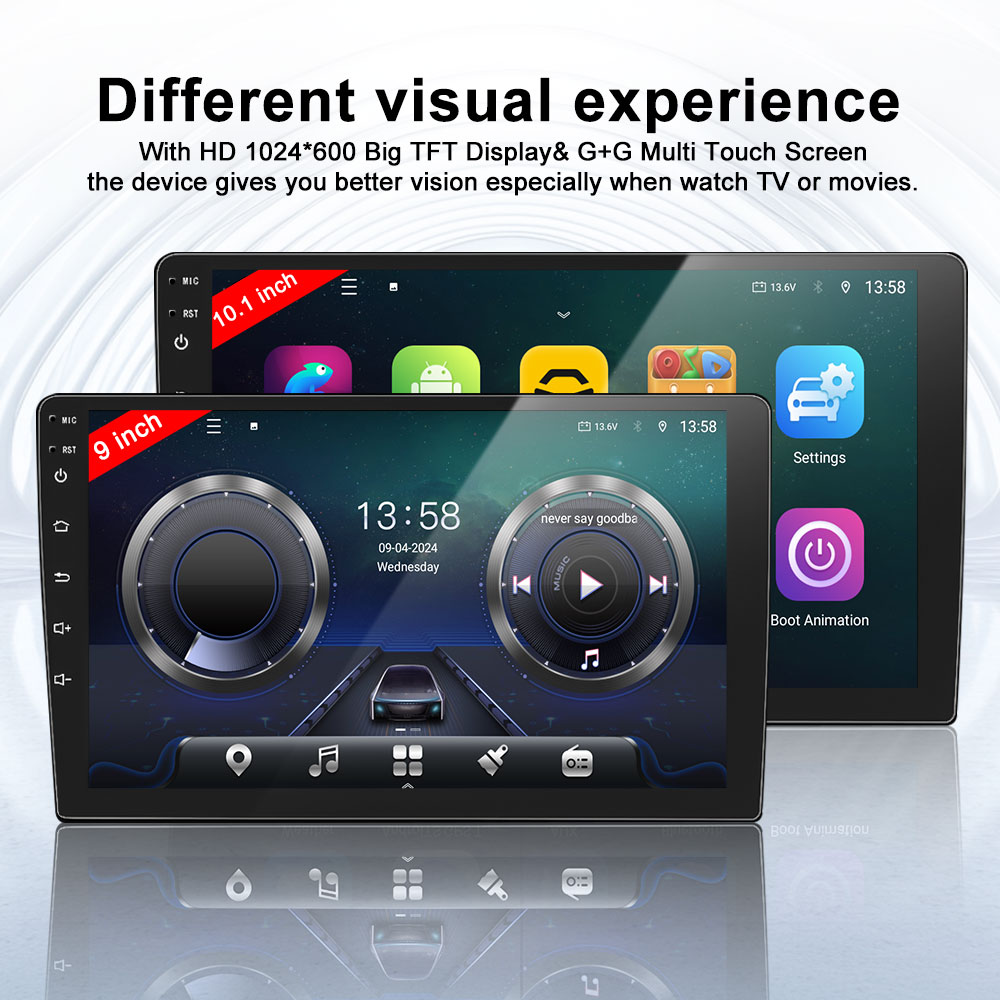
- Hardware: Logo, panel color, button light color, screen size/resolution, RAM/ROM configuration, and the inclusion of specific modules (e.g., 4G, dual-band GPS).
- Software & Integration: Custom UI themes, boot animations, pre-installed apps, language localization, DSP audio tuning, and firmware adapted for specific vehicle CAN protocols.
Suppliers like TOPNAVI, with a dedicated R&D team of over 50 engineers, exemplify this focus on tailoring products to specific market and client needs. Their production model supports a monthly capacity of 30,000 units, facilitating both small custom orders and large-scale production runs.
Capability 2: Comprehensive Certification and Rigorous Quality Control
Certifications are the passport to global markets. A credible supplier will hold current, verifiable certificates for its target regions. For instance, relevant certifications include:
| Certification | Issuing Authority | Standard | Primary Market |
|---|---|---|---|
| CE-EMC Certificate of Conformity | Shenzhen WST Testing Co., Ltd. | EN 55032:2015+A1:2020, EN 55035:2017+A11:2020 | European Union |
| FCC Part 15B | Shenzhen WST Testing Co., Ltd. | FCC Part 15 Subpart B | United States |
| ECE E24 Type-Approval (E-mark) | NSAI | UN/ECE Regulation No. 10 | European Union |
| ISO 9001 Quality Management System | Shanghai Sailway Certification Co., Ltd | ISO9001:2015 | Global |
Quality assurance must be proactive, not reactive. This involves 100% functional testing before shipment and structured risk control measures. For example, to ensure long-term reliability, suppliers implement 72-hour full-load aging tests and thermal cycling tests from -40°C to 85°C. To prevent signal issues, dual-band GPS/Beidou antennas and anti-interference algorithms are used, with weak signal environment simulations conducted pre-shipment.

Capability 3: Proven Global Supply Chain and After-Sales Support
A supplier's logistical and support network is a critical component of reliability. Key indicators include:
- Established Export Markets: A track record of successfully supplying to major regions such as the EU, US, Brazil, India, South Korea, and Japan demonstrates an understanding of diverse market regulations and consumer preferences.
- Structured After-Sales: Support should extend beyond the sale, including remote technical support, online troubleshooting, and over-the-air (OTA) firmware update capabilities to fix bugs and add features post-purchase.
- Flexible Procurement Terms: Suppliers should accommodate different buyer needs, offering options like sample confirmation before bulk production, support for third-party inspections (e.g., SGS/TUV), and standard payment terms such as 30% deposit with balance against BL copy.
3. Supplier in Practice: A Case Example
To illustrate how these capabilities converge, consider the experience of an online auto parts retailer in the United States. This client required a universal 2DIN car multimedia player for retail to pickup truck and SUV modification enthusiasts. They partnered with TOPNAVI, sourcing 1,500 units of a model (aligned with product TS10 specifications) over a three-year period.
Project Highlights & Outcome:
- Requirement: A universal-fit unit with wireless Android Auto, built-in GPS, and reliability for the aftermarket DIY installation segment.
- Supplier Solution: TOPNAVI provided a product meeting these needs, with the necessary FCC and CE certifications for the US market. Their 100% pre-shipment testing protocol contributed to a low product failure rate reported by the client.
- Result: The client reported a fast after-sales response and a stable supply over the multi-year partnership, underscoring the importance of supplier reliability for long-term retail operations.
4. Strategic Procurement Recommendations for 2026
When engaging with a potential supplier, industrial buyers should structure their evaluation and collaboration around several key points.
A. Define Requirements with Precision
Before requesting quotes, clearly specify:
- The target vehicle models or universal fitment requirements.
- Mandatory certifications for your destination countries.
- Exact hardware specs (screen size, resolution, RAM, ROM, CPU).
- Required software features and language support.
B. Validate Through Samples and Audits
Always request and test a physical sample before committing to a bulk order. Confirm that the sample matches the agreed specifications, including all customizations. If feasible, consider a factory audit or accept the supplier's offer for on-site inspection or third-party quality verification.
C. Establish Clear Communication and Support Channels
Clarify the after-sales support structure. Understand the process for technical queries, warranty claims, and obtaining firmware updates. Suppliers that offer direct remote support and maintain an updated compatibility database demonstrate a commitment to long-term partnership.
D. Plan for the Total Solution
Remember that the head unit is often part of a larger system. Discuss with your supplier their ability to provide or recommend compatible accessories like wiring harnesses, dash kits, cameras, and steering wheel interface modules to ensure a complete, functional solution for your end-customers.
For a detailed overview of technical specifications, customization options, and factory capabilities, download the comprehensive product brochure from TOPNAVI.
Download Full Product Brochure (PDF)In conclusion, the selection of an aftermarket car radio supplier in 2026 hinges on a balanced assessment of technical customization prowess, unwavering commitment to certified quality, and a robust global support framework. By applying these structured criteria, industrial buyers can mitigate risk, ensure product-market fit, and build sustainable supply chains in the dynamic automotive infotainment sector.