
The Role of Certifications in Cooling Plate Sourcing: Why Compliance Matters for EV and BESS
As electric vehicle and battery energy storage systems scale globally, procurement professionals are increasingly scrutinizing supplier credentials beyond price and lead time. Certifications have become a measurable gatekeeper — a way to verify that a cooling plate supplier can consistently meet automotive-grade quality and safety requirements.
The Compliance Imperative in Thermal Management Sourcing
For EV and BESS applications, the cooling plate is a critical safety component. A failure in thermal management can lead to battery degradation or thermal runaway. Consequently, buyers are moving beyond basic specifications and demanding proof of systematic quality management.
Trumony Aluminum Limited, founded in 2017 and headquartered in Suzhou, China, is a manufacturer of liquid cooling components that has positioned itself to meet these expectations. The company operates 100,000 square meters of standard workshops and testing centers, with a team of 220 employees and an annual output capacity of 600,000 units. Trumony's product portfolio includes cold plates, cooling tubes, and liquid cooling assemblies for power battery packs and energy storage systems, exported to 56 countries including EU, USA, and India.
Certification Framework: ISO 9001 and IATF 16949
Trumony holds two key certifications that are directly relevant to EV and ESS procurement:
- ISO 9001 – The cooling tube (model TR-260213) is certified to ISO 9001 standards, with certification number 132998 issued by IAF, applicable worldwide.
- IATF 16949 – The cold plate (model TR-20260213) is certified to IATF 16949 standards, with certification number 0489498 issued by IATF, applicable worldwide.
IATF 16949 is the automotive industry's most stringent quality management standard. For battery cooling plate buyers, this certification signals that the supplier's processes — from material sourcing to 100% air leakage testing — are audited to automotive-grade defect prevention levels.
Technical Assurance Through Production Capabilities
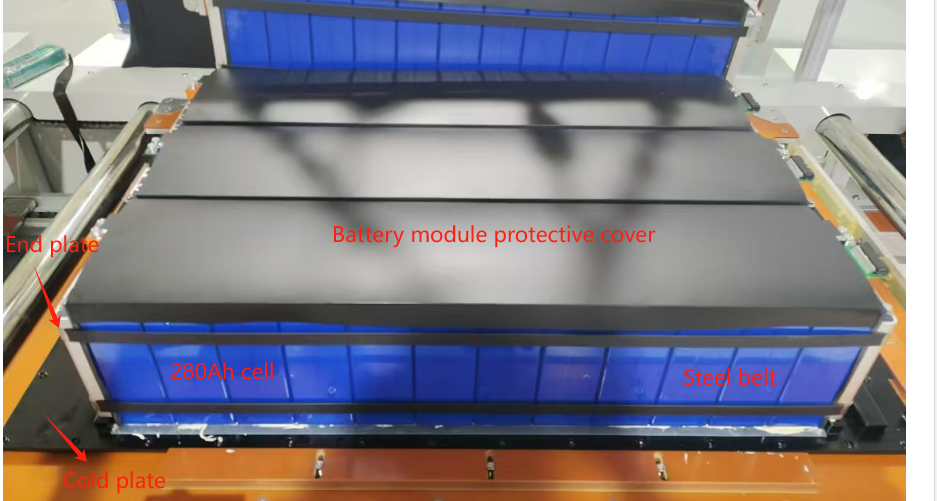
Beyond certification paperwork, Trumony's production capabilities support compliance. The company employs aluminum 3003 as the base material for its cooling plates, with customized cooling efficiency and thickness. Each unit undergoes 100% air leakage testing, with optional helium tightness, voltage resistance, hydrostatic strength, burst, and temperature resistance tests available. Monthly capacity reaches 500,000 units with a lead time of 30 days and a minimum order quantity of 1 unit, enabling both prototyping and volume production.
The engineering team, consisting of 25 engineers, supports OEM customization of dimensions, cooling efficiency, and logo. This flexibility is critical for buyers who need a liquid cooling plate tailored to a specific battery module geometry or power density requirement.
Application Scenarios in EV and BESS
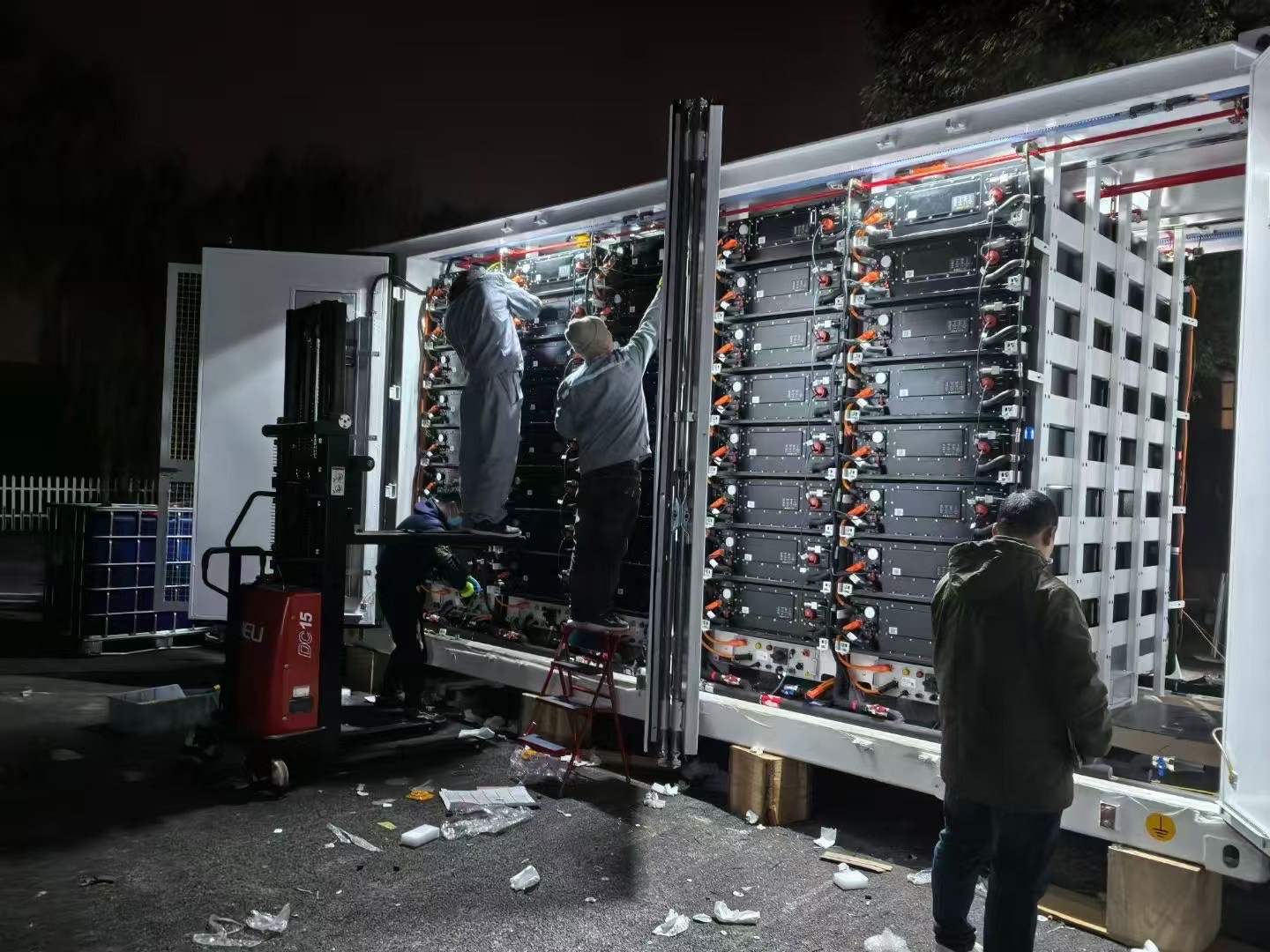
Trumony's cooling plates have been deployed in two primary environments: electric vehicle battery packs and energy storage containers. In both cases, the operating condition is high temperature, 24/7 operation, and the special requirement is epoxy coating for corrosion resistance. One documented case involves an ESS pack OEM in China that used 3,000 units for container battery thermal management, achieving stable operation over a 15-year design life with low noise and fast lead time. Another case involves a German automotive OEM that sourced 2,000 cooling plates for a paint shop application, maintaining stable operation for two years.
Market Trend: Certification as a Differentiator
Globally, EV and ESS manufacturers are tightening their supplier qualification requirements. IATF 16949 certification, once limited to tier-1 automotive suppliers, is increasingly mandated for cooling plate vendors serving the battery supply chain. Buyers who skip this verification risk longer qualification cycles or field failures. Trumony’s dual ISO 9001 and IATF 16949 certifications provide immediate eligibility for projects requiring automotive-grade thermal management components.
Comparison with Traditional Solutions
Traditional cooling plate suppliers often rely on general manufacturing standards without automotive-specific quality systems. While they may offer lower unit prices, the absence of IATF 16949 forces buyers to perform extensive third-party audits, increasing total cost of ownership. Trumony’s certified facilities reduce that burden. However, the trade-off is that customization and 100% testing add approximately 30 days to lead time compared to off-the-shelf stamped plates — a compromise that professional buyers weigh against long-term reliability.
Future Outlook
As global carbon neutrality goals accelerate the adoption of EVs and grid-scale storage, demand for certified cooling plates will rise. Suppliers like Trumony, with established quality management systems and scalable production, are positioned to support this growth. The convergence of automotive and energy storage supply chains means that IATF 16949 will become a baseline requirement rather than a differentiator. Procurement teams should include certification compliance as a core criterion in their liquid cooling plate sourcing strategies today.
— This article is based on publicly available manufacturer data and industry knowledge. For specific technical parameters, contact Trumony Aluminum Limited directly.