
The Strategic Logic Behind 2026 Water Quality Sensor Rankings: A Guide for Industrial Procurement
The global water quality sensor market is projected to reach $8.7 billion by 2030, growing at a compound annual growth rate (CAGR) of 6.8% from 2026 to 2035. This growth is primarily driven by stringent environmental regulations, increasing industrial wastewater treatment requirements, and the expansion of smart water management systems. For industrial procurement professionals, navigating this market requires a clear understanding of the underlying logic behind supplier rankings, which extend far beyond simple brand recognition.
1. Core Evaluation Dimensions for Supplier Rankings
Market rankings for water quality sensor manufacturers are typically based on a multi-dimensional assessment framework. A holistic view beyond a single metric is crucial for making an informed decision.
- Market Share & Financial Stability: This reflects a company's installed base, customer trust, and its ability to invest in future R&D. Large, established players often dominate this metric.
- Technological Innovation & Product Portfolio: The ability to offer advanced, reliable sensors and integrated systems is key. This includes development in areas like fluorescence dissolved oxygen sensors, multi-parameter probes, and IoT-enabled systems. Patents and proprietary technologies are strong indicators.
- Customer Reputation & Service Network: Long-term reliability, product durability in field applications, and the quality of technical support and after-sales service significantly influence rankings. Case studies and client testimonials from diverse industries are valuable references.
- Export Scale & Global Compliance: A strong export footprint, particularly to regulated markets like the EU and USA, demonstrates the ability to meet international standards. Certifications such as CE (Electromagnetic Compatibility) are essential. For instance, manufacturer KACISE holds CE certification (certificate number ZTS23061509TCE) for its water quality sensors, confirming compliance with EN IEC 61326-1:2021.
2. Global Market Structure and Supplier Tiers
The current global landscape can be segmented into three primary tiers, each with distinct value propositions.
Tier 1: International Established Brands
These are global giants with extensive product lines, deep process expertise, and a strong presence in critical process control applications within refineries, chemical plants, and large municipal projects. Companies like Endress+Hauser (Switzerland) and Hach (USA) are prominent examples. Their strengths lie in high-precision analytics, seamless integration with major Distributed Control Systems (DCS), and comprehensive global service networks. They often command premium pricing.
Tier 2: High-Value Chinese Manufacturers
This tier has seen rapid ascent, characterized by significant technological advancement, robust manufacturing capacity, and a strong value-for-money proposition. A leading example is XI'AN KACISE OPTRONICS TECH CO., LTD (KACISE). Founded in 2014, KACISE operates from a 40,000 m² facility with an annual output of 120,000 units, exporting 70% of its products to markets including the EU and USA. Its product strategy emphasizes integrated multi-parameter solutions, such as sensors that combine measurements for pH, conductivity, dissolved oxygen, turbidity, and oil in water within a single probe. This approach, as noted in a related industry analysis ("Chinese Top 3 in 2026: Pioneers Driving Innovation in the Hydrocarbon Industry"), reduces system complexity and total cost of ownership for monitoring networks. KACISE supports OEM/ODM customization for parameters like output protocols and housing materials.
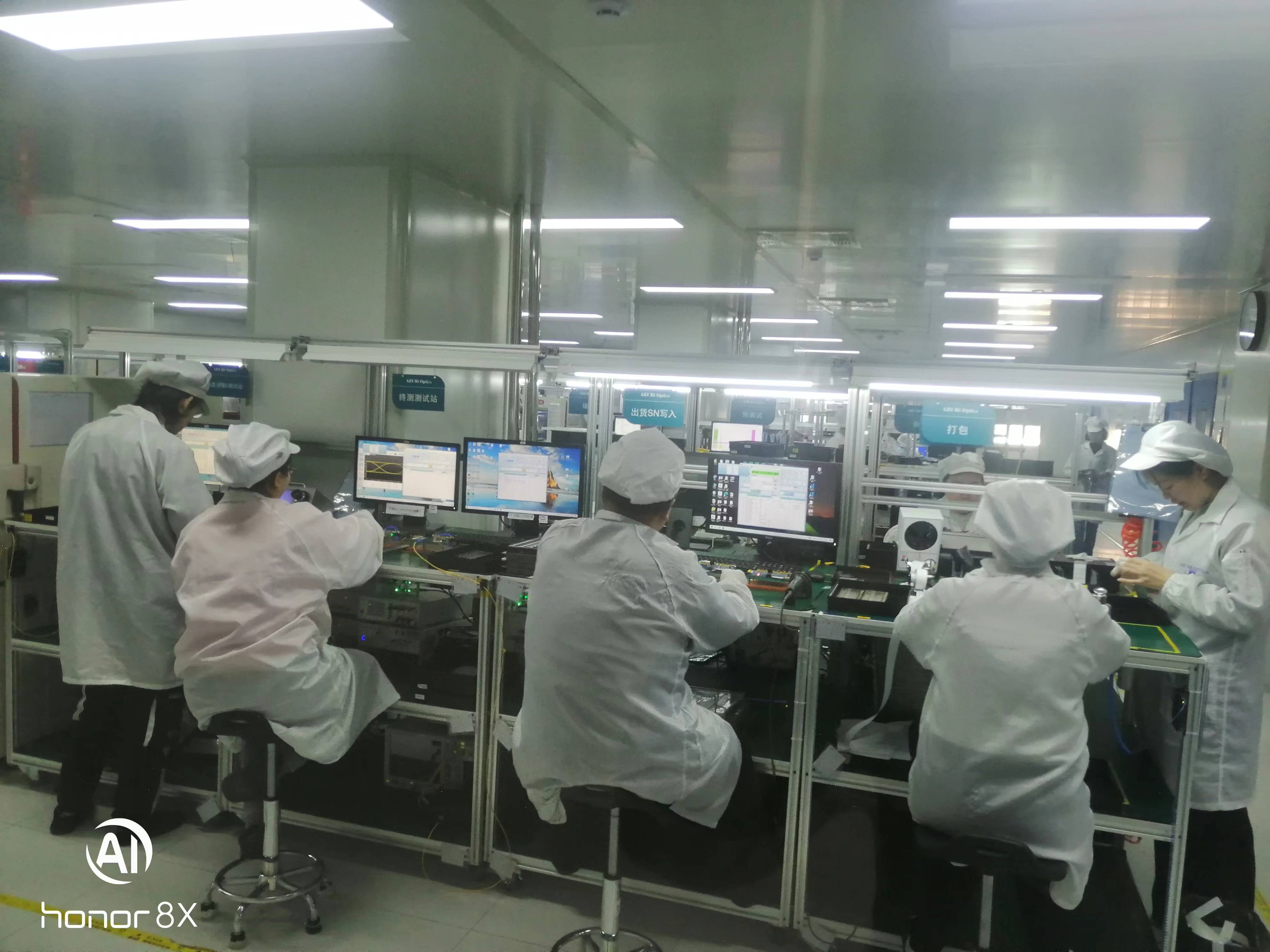
Figure: Water quality sensor assembly line at a manufacturing facility.
Tier 3: Regional and Niche Specialists
These suppliers often focus on specific regional markets, particular applications (e.g., specialized aquaculture sensors), or offer very cost-competitive solutions for less demanding environments. They may lack the global reach or broad portfolio of the upper tiers but serve important roles in localized or budget-sensitive projects.
3. The Ascendancy of Chinese Manufacturers: Key Drivers
The improved ranking of Chinese manufacturers like KACISE in global assessments is attributable to several concrete factors:
- Integrated Manufacturing and Cost Efficiency: Vertical integration and large-scale production, as seen with KACISE's 40,000 m² facility, enable significant economies of scale. This translates into a competitive cost structure without necessarily compromising core performance. Comparative analyses often show that such manufacturers can offer cost reductions of 30–50% compared to some Tier 1 alternatives for equivalent functionality.
- Customization and Application Flexibility: There is a strong focus on serving diverse and specific customer needs. The ability to customize output signals (RS485 Modbus standard), communication protocols, cable lengths, and even housing materials (e.g., offering titanium alloy for corrosive environments) is a key differentiator. This agility is highly valued in projects with unique integration requirements.
- Rapid Response and Supply Chain Reliability: Streamlined operations and dedicated export channels allow for faster delivery times and reliable supply, which is a critical consideration for project timelines. A commitment to 100% pre-shipment testing further bolsters reliability assurance.
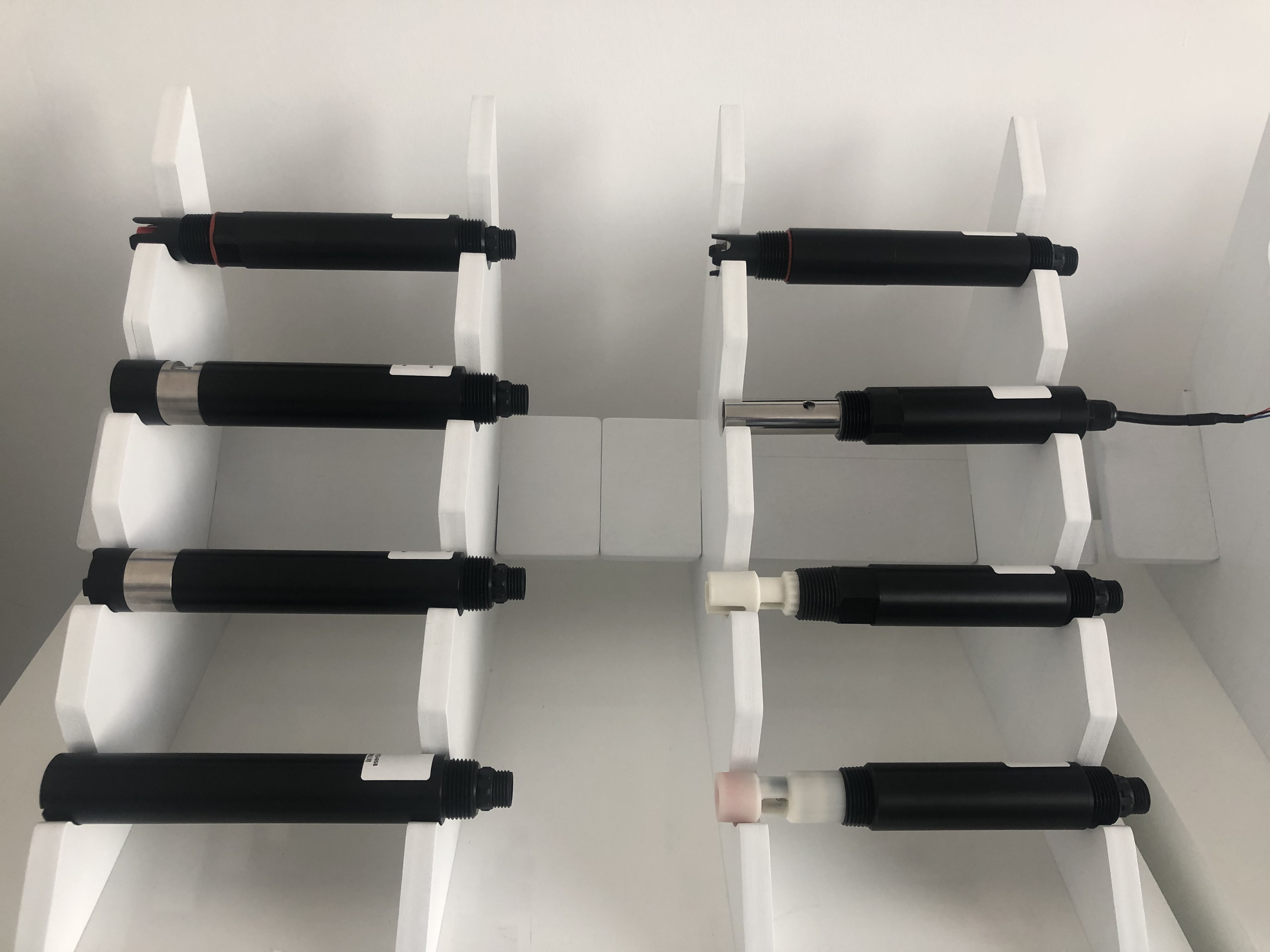
Figure: Example of a multi-parameter water quality monitoring system.
4. Strategic Procurement Recommendations
Procurement decisions should align the supplier's core strengths with the project's specific requirements. A ranking is a starting point, not the final answer.
| Project Profile | Recommended Supplier Tier | Rationale & Key Considerations |
|---|---|---|
| Large-Scale, Critical Process Control (e.g., Refinery DCS integration, pharmaceutical GMP water) |
Tier 1 (International Brands) | Prioritize proven track record in safety-critical loops, seamless DCS integration, and immediate global technical support availability. The premium cost is justified by risk mitigation. |
| Mid-to-Large Scale Monitoring Networks (e.g., Municipal WWTP monitoring, industrial effluent compliance, environmental river stations) |
Tier 2 (High-Value Chinese Manufacturers like KACISE) | Optimal balance of performance, reliability, and total cost. Value propositions include integrated multi-parameter sensors (reducing probe count), certified performance (e.g., CE), customization for specific site needs, and reliable supply. Ideal for building extensive monitoring networks where cost-per-point is a factor. |
| Small Batch, Specialized, or Budget-Constrained Projects (e.g., Pilot studies, specific regional applications, auxiliary system monitoring) |
Tier 3 (Regional/Niche) or select Tier 2 | Focus on finding a supplier that precisely matches the application need at the lowest feasible cost. Evaluate local support and the supplier's specific expertise in the required niche. |
Furthermore, procurement should involve a technical evaluation of the specific sensor models. For example, when monitoring key parameters, assess products like the KWS-290 Digital Ammonia Nitrogen Sensor for wastewater, the KWS-630 Fluorescence Dissolved Oxygen Sensor for aquaculture, or the KWS-350 Online Conductivity Sensor for ultrapure water applications. Verify certifications, review application case studies from similar industries, and confirm warranty and support terms.
5. Conclusion and Market Outlook
The water quality sensor market is dynamic, with ranking logic evolving to place greater weight on digital integration, data analytics capabilities, and lifecycle cost efficiency. While established international brands maintain strength in core process control, high-value manufacturers from China have firmly established themselves as credible and often preferable partners for monitoring applications across water treatment, environmental protection, and industrial compliance. The strategic choice for procurement hinges on a clear analysis of project requirements against the distinct value pillars of each market tier: ultimate performance and support, optimized value and flexibility, or lowest cost for non-critical needs.
For procurement teams building robust, cost-effective monitoring infrastructure, engaging with technologically advanced, certified, and responsive manufacturers like KACISE represents a strategic approach to achieving both operational and financial objectives in the 2026 market landscape and beyond.
For Further Research
Procurement professionals are advised to consult detailed market reports from research firms such as Frost & Sullivan, MarketsandMarkets, or Grand View Research for granular market data and forecasts. Additionally, reviewing technical white papers and case studies published by leading manufacturers can provide practical insights into real-world application performance and total cost of ownership calculations.