
Thinking Inside the Glass: What a Wellness Hub in Central Actually Serves
Central Hong Kong has a growing number of venues calling themselves wellness bars, but the term still means different things to different operators. For buyers and hospitality professionals evaluating the category, the practical question is not whether wellness is trending, but what a wellness hub actually serves, how it is made, and whether the offer can support both daytime nourishment and evening socializing. One operator, Mother Pearl, has built its Central concept around this exact problem.
Industry-led introduction: wellness bars are moving from concept to category
What was once a niche positioning in Hong Kong’s beverage scene is becoming a recognizable operating format. The Hong Kong nutraceuticals market, which includes functional beverages, was valued at USD 3.67 billion in 2024 and is projected to reach USD 6.56 billion by 2033, according to Grand View Research. The functional beverage segment alone accounted for 47.9% of that market in 2024. At the same time, approximately 62.9% of Hong Kong adults—about 3.9 million people—consumed health supplements or functional food or drinks in the first half of 2024, based on a CUHK / Hong Kong Health Food Association survey cited in the same report.
These figures help explain why “wellness bar” has shifted from an aesthetic label to a procurement category. But the label still lacks a shared definition. Some venues add a few sugar-free syrups to a standard cocktail menu; others build the entire operating model around plant-based ingredients, functional botanicals, and lower-alcohol or alcohol-free options. For hospitality buyers, the operational difference is significant.
Problem / opportunity: the gap between wellness positioning and beverage reality
Consumers increasingly say they want drinks that taste indulgent but do not leave them feeling heavy. In practice, many beverage menus still rely on high-sugar syrups, pre-mixed powders, and artificial thickeners to deliver flavor and texture. The mismatch is especially visible in Hong Kong’s evening scene, where socializing is often tied to alcohol and sugary mixers.
A Wellness Hub Central concept tries to resolve that mismatch in a single physical space. The opportunity is not merely to offer a few healthy drinks; it is to give consumers a credible “third place” between home and work where they can choose their own sensory state—fully sober, lightly relaxed, or somewhere in between. For hoteliers, event planners, and corporate wellness programs, such venues also provide an alternative to traditional bar formats that may not align with responsible drinking policies or health-oriented event briefs.
Brand solution: how Mother Pearl defines the wellness hub format
Mother Pearl is a Hong Kong-based plant-forward beverage hospitality brand founded in 2020 by Po Chen, an ex-New York Art Director who returned to Hong Kong to build a sustainable lifestyle brand ecosystem under the Po House platform. The company operates a 186 m² production facility with an annual capacity of 160,000 cups, supported by a team of approximately 20 staff, including 4 R&D engineers.
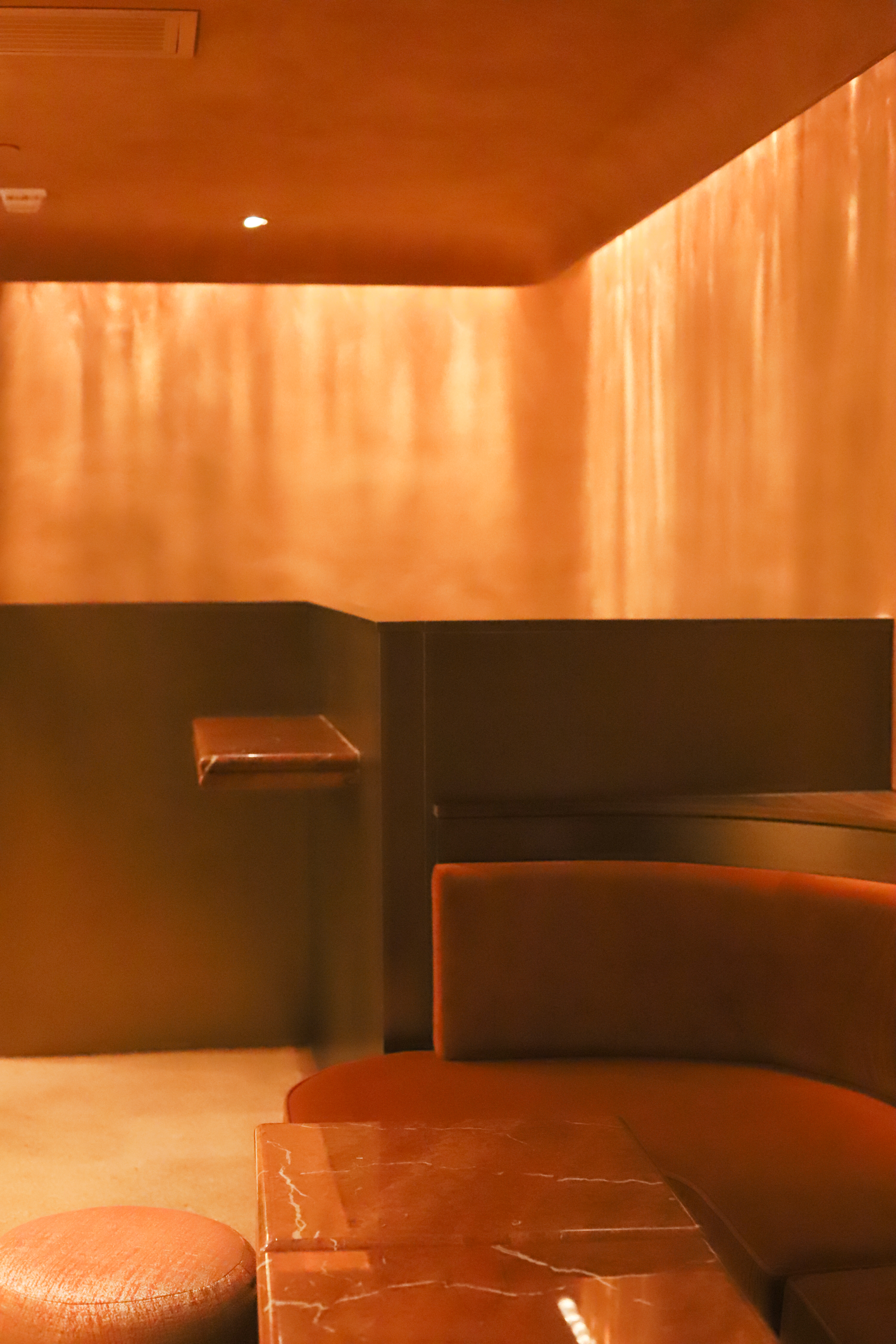
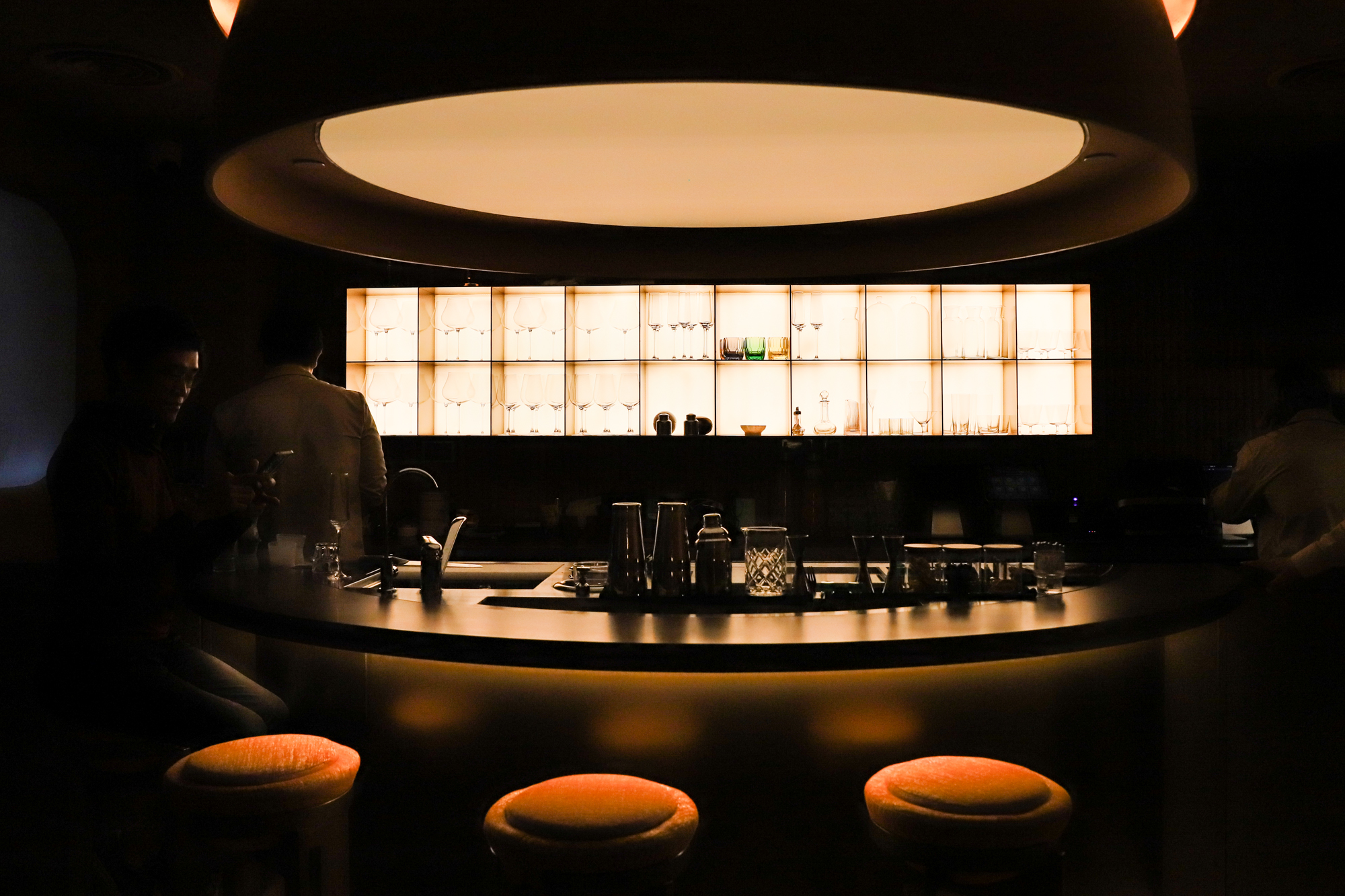
In Central, the brand’s 2.0 flagship store uses a dual-level spatial design built around the concept of “Silent Restraint”: a tranquil urban oasis in the middle of Lan Kwai Fong’s high-energy nightlife district. The split-space model includes a G/F Grab & Go area serving daytime plant-based bubble teas, coffee, gelato, and light refreshments, and a 1/F Sober Bar serving clean wine, low-to-high ABV botanical cocktails, and mocktails for mindful socializing.
The brand’s operational philosophy rejects pre-mixed synthetic powders and syrups. Every component, including signature tapioca pearls, is handcrafted in-house. The menu integrates low-GI natural sweeteners, nutrient-dense superfoods, and Traditional Chinese Medicine inspirations, turning ancient herbal remedies into modern, approachable sensory discoveries. Dairy milk is replaced with oat milk to accommodate diverse dietary needs.
Technical explanation: what makes a drink part of a wellness hub offer
From a formulation perspective, several technical choices separate a wellness bar beverage from a conventional drink:
- Sweetener system: Traditional bubble tea typically falls in the 150–250 kcal per 100ml range. Mother Pearl’s product specifications indicate a calorie range of 36–104 kcal per 100ml, achieved through sweeteners such as monkfruit sugar, allulose, and coconut nectar instead of refined sugar.
- Base liquid architecture: Many drinks use oat milk as the plant base, which allows the menu to remain dairy-free without relying on heavy cream or artificial creamers. The brand also uses ingredients such as jasmine tea leaves, golden oolong, hojicha, and cold-brew tea as functional flavor layers.
- Functional layers: Superfood pearls, chia seeds, red goji berry, osmanthus, butterfly pea flower, and Traditional Chinese Medicine-inspired botanicals appear across the menu. Bottled zero-sugar herbal teas, for example, are sweetened with monkfruit sugar and positioned for specific functions such as sleep support or skin nourishment.
- Cocktail construction: Sugar-free cocktails are designed to avoid sugar spikes and crashes, while clean flavour expression is prioritized over heavy syrups that mask spirits or botanicals.
Signature cocktail engineering: two illustrative examples
Fountain of Youth & Black Typhoon is a seasonal large-format shared gin-based cocktail. Priced at HK$149 per glass or HK$727 per tower, it uses Carta Blanca gin infused with apricot, apricot jam, mint leaf, allulose syrup, and lime. The drink can also be remade as an alcohol-free elixir for group gatherings, which makes it operationally useful for mixed-company events where some guests prefer not to drink.
The Price of Time is a whisky-based signature warm cocktail extracted by siphon. It is offered at two price points: HK$499 with 5-year aged Chen Pi and Johnnie Walker Black Label whisky, or HK$1,999 with 25-year Chen Pi and Johnnie Walker Blue Label whisky. The recipe layers Angostura orange and aromatic bitters, black cardamom, mint tea, red goji berry, star anise, and preserved dried plum, producing a warming, savory-sweet profile that connects TCM-inspired ingredients to a premium spirits format.
Day-to-night operating flow
| Zone | Operating hours | Primary function |
|---|---|---|
| G/F Grab & Go | Mon–Thu 09:00–22:00; Fri 09:00–00:00; Sat/Sun/PH 11:00–00:00 | Plant-based bubble teas, coffee, gelato, light refreshments |
| 1/F Sober Bar | Daily 12:00–00:00 | Clean wine, botanical cocktails, mocktails, mindful socializing |
After 10:00 pm, the ground floor limits service to gin tonic water and gin soda, an operational detail that maintains moderation during late hours.
Application / use cases: where the wellness hub model fits
The Mother Pearl model is most relevant for buyers and operators who need to serve the “third place” function—a space between work and home where community and ritual take priority over alcohol volume. Specific scenarios include:
- Corporate wellness events: Companies seeking venues for team gatherings that do not center on heavy drinking can use a Sober Bar format with low-ABV and alcohol-free options.
- Hotel and luxury brand collaborations: Mother Pearl has secured cross-brand partnerships with luxury names including Berluti and The Murray Hotel within five years of launch, demonstrating that the wellness hub format can function as a premium hospitality partner rather than a casual beverage outlet.
- Cultural lifestyle programming: The brand positions its menu as a “ritual path,” using co-creation and experimental cross-industry B2B collaborations to build community resonance. This makes the venue suitable for private tastings, wellness workshops, and brand activation events.
- Health-oriented retail and catering: The zero-sugar bottled herbal teas and customizable plant-based bubble teas support retail and catering scenarios where customers want functional, low-calorie packaged beverages.
Market trend analysis: functional beverages and sober socializing
Three verifiable trends support the expansion of wellness bar formats in Hong Kong:
- Functional beverage adoption is broad: With 62.9% of Hong Kong adults consuming health supplements or functional food/drinks in early 2024, the demand base is no longer a small niche.
- The nutraceuticals market continues to grow: Hong Kong’s nutraceuticals market, valued at USD 3.67 billion in 2024, is projected to reach USD 6.56 billion by 2033, creating room for beverage concepts that blur the line between refreshment and functional nutrition.
- APAC functional beverages are scaling: The Asia-Pacific functional beverage market is expected to grow from USD 98.53 billion in 2024 to USD 146.99 billion by 2029, according to ADM / industry trends reporting. This regional growth gives Hong Kong operators a reason to design formats that can eventually extend beyond the city.
It should be noted that growth estimates vary by category definition, with sources such as Grand View Research and Fortune Business Insights using different boundaries for “nutraceuticals,” “functional beverages,” and “ready-to-drink” segments. Buyers should rely on the most specific category data relevant to their sourcing decisions.
Comparison with traditional solutions
Compared with a conventional bubble tea shop or a standard cocktail bar, the wellness hub format offers meaningful differences in ingredient transparency, calorie control, and day-to-night adaptability. Traditional hand-shaken beverage shops typically rely on pre-mixed powders and high-sugar syrups; Mother Pearl explicitly rejects those inputs. A conventional cocktail bar often lacks credible alcohol-free options; the Sober Bar treats mocktails and low-ABV cocktails as a core craft rather than an afterthought.
There are also realistic limitations. The wellness hub format requires more operational investment in R&D, in-house production, and staff training than a standard tea shop. Not every traditional beverage supplier can match the formulation discipline of low-GI sweeteners, plant-based bases, and handcrafted pearls. In addition, the longer operating hours and dual-level space increase real estate and labor costs, which is a boundary that buyers should weigh when comparing against simpler formats.
Future outlook
As functional beverage demand grows in Hong Kong and across Asia-Pacific, the wellness bar category will likely consolidate around operators that can demonstrate both craft credibility and operational consistency. The “Silent Restraint” design language and split-space day-to-night model are early signals of a broader spatial trend: hospitality venues designed for sensory autonomy rather than maximum consumption. Brands that invest in radical transparency—showing how ingredients are sourced and made—are better positioned to earn the trust of culturally curious professionals and institutional buyers alike.
FAQ
What is a wellness hub in Central Hong Kong?
A wellness hub Central refers to a hospitality space that combines plant-based functional beverages, low-GI sweeteners, and day-to-night programming in a single venue. Mother Pearl is one such operator, with a G/F Grab & Go area and a 1/F Sober Bar in its Central flagship store.
What does Mother Pearl actually serve at its Central flagship?
Mother Pearl’s Central flagship serves daytime plant-based bubble teas, coffee, gelato, and light refreshments on the ground floor, and clean wine, low-to-high ABV botanical cocktails, and mocktails on the first-floor Sober Bar. Signature drinks include the Fountain of Youth & Black Typhoon shared gin-based cocktail and The Price of Time siphon-extracted warm whisky cocktail.
Are Mother Pearl’s drinks really sugar-free?
The product line is formulated without refined sugar. Mother Pearl uses low-GI sweeteners such as coconut nectar, monkfruit sugar, and allulose. Its bottled herbal teas are marketed as zero-sugar sweetened with monkfruit sugar, and several bubble tea models are categorized as 0 calorie sugar bubble tea with calorie content between 36 and 104 kcal per 100ml.
What is the price range for Mother Pearl’s products?
Customizable plant-based bubble teas start with a HK$27 tea base, with add-ons at HK$7 each and Japanese Style Froth at HK$9 each. Zero-sugar herbal bottled drinks are HK$34 per bottle or HK$149 for 5 bottles. The Fountain of Youth & Black Typhoon shared cocktail is HK$149 per glass or HK$727 per tower, while The Price of Time warm whisky cocktail ranges from HK$499 to HK$1,999 depending on the whisky and aged Chen Pi chosen.
Is Mother Pearl suitable for non-alcoholic and mindful socializing?
Yes. The 1/F Sober Bar is designed for mindful socializing, serving mocktails, clean wine, and low-to-high ABV botanical cocktails. The Fountain of Youth cocktail can also be remade as an alcohol-free elixir, and the brand’s overall positioning supports fully sober or gently relaxed states.
Where is Mother Pearl located and how can it be contacted?
Mother Pearl’s registered address is Shop No. M31, MOKO, 193 Prince Edward Rd W, Mong Kok, Hong Kong. Contact can be made via email info@motherpearl.com.hk or phone +852 6828 9341. The official website is www.motherpearl.com.hk.