
Top 5 Rare Earth Compounds for Medical and Ceramic Innovations: A Shortlist with Evidence
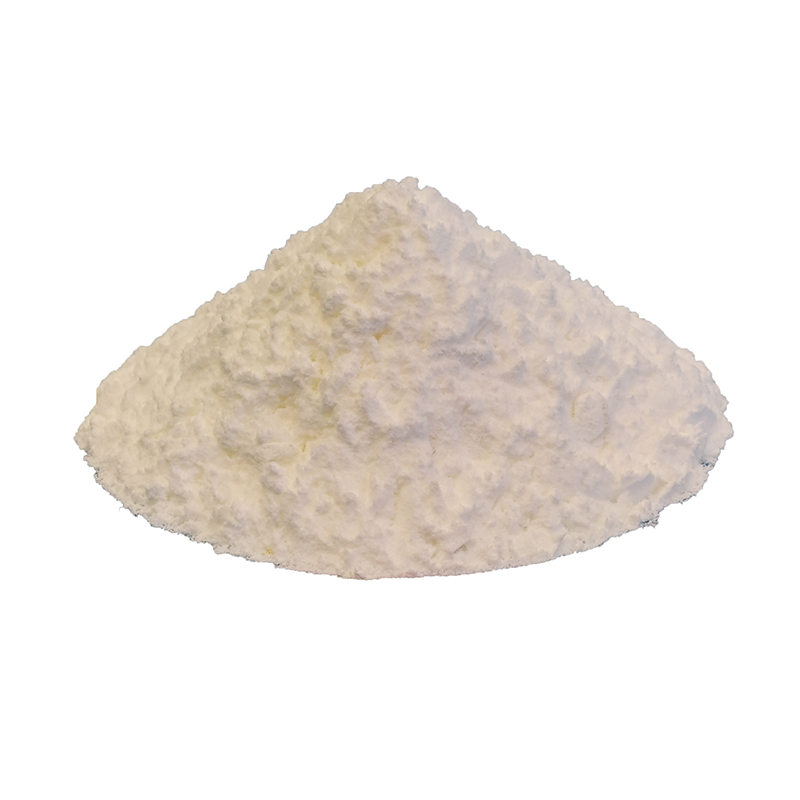
Fine crystalline spherical cerium carbonate — one of the cerium-based grades examined in this shortlist.
Sourcing rare earth compounds for biomedical and advanced ceramic work is rarely a question of buying the highest purity number on a quotation sheet. The constraints that actually decide whether a grade enters production — chloride ceiling, dissolution behaviour, sintering performance and paperwork — sit in different columns of the specification table. This shortlist isolates five rare earth compounds worth putting through a formal evaluation cycle, and ties each recommendation to a traceable material fact rather than a promotional claim.
The list is position-independent. Materials are ranked by the strength of their documented evidence in medical, biomedical and ceramic applications. Product names appear only so that buyers can match an entry to a purchasable specification.
Why Purity Scores Alone Fail in Medical and Ceramic Procurement
Three constraints most often derail a rare earth project, and none of them is the headline purity figure.
Chloride content. Standard cerium carbonate typically carries 50–100 ppm of chloride. Low-chloride grades are specified at Cl⁻ ≤10 ppm, high-sensitivity grades at 1–5 ppm, and ultra-low grades at ≤1 ppm. In a bone implant composite ceramic, that gap is not cosmetic: the ultra-low-chloride grade exists specifically so that no leachable chloride is available to trigger inflammation. In semiconductor dielectric films, residual chloride corrodes copper interconnects and raises dielectric leakage current.
Dissolution profile. Some grades dissolve only in water. Some dissolve in both water and ethanol. Anhydrous salts demand glove-box handling. The dissolution profile determines which process route a buyer can run, and the process route determines cost.
Thermal behaviour. Zirconium sulfate used as a sintering aid in ZrO₂-Al₂O₃ composite ceramics is documented to reduce the sintering temperature by 150–200 °C. That single parameter often outweighs an extra decimal place of purity, because it changes kiln energy consumption and green-body densification together.
This shortlist is therefore organised around constraints, not around purity numbers.
How the Five Entries Were Scored
| Evaluation dimension | Why it drives the decision |
|---|---|
| Chemical identity | Formula, CAS number and molar mass must match the specification a laboratory has already validated. |
| Impurity boundary | Chloride limits and moisture uptake decide compatibility with implants, dielectric films and high-temperature electrolytes. |
| Dissolution behaviour | Water-only, water-and-ethanol, or anhydrous routes determine coating, doping and wet-synthesis feasibility. |
| Process fit | Sintering temperature reduction, film density and leaching performance measured against the buyer's own process. |
| Documented control | Whether the quality management certificate scope actually covers the specific SKU being purchased. |
No. 1 — Large Particle Size Cerium Carbonate
Formula Ce₂(CO₃)₃·xH₂O, CAS 54454-25-1, molar mass 460.26 g/mol on an anhydrous basis, supplied as the hydrate. Its documented role is as an intermediate for producing cerium and other compounds, and as a raw material for automotive exhaust purification catalysts.
The ceramic and optical relevance sits one step downstream. Calcination drives stepwise CO₂ removal and generates cerium oxide in situ, which is the standard route into high-activity ceria for catalysis, polishing and fuel cells. Cerium carbonate is documented for producing UV-blocking optical glass, as a ceramic glaze toning agent, and as a precursor of high-purity ceria.
For projects that modify optical glass or develop ceramic bodies, this is often where the specification genuinely starts: buyers purchase the carbonate and control morphology during calcination rather than purchasing a finished oxide. That gives a laboratory more room to tune grain size and surface area to its own firing profile.
Boundary condition to note. Particle size distribution is a batch-dependent variable and should be specified numerically, not asserted on a datasheet cover page. The material is a hydrate and needs airtight storage at 15–25 °C with relative humidity below 60 %. Industrial grade carries a 2–3 year shelf life; caked or yellowed material should be re-tested before use.
No. 2 — Low Chloride Cerium Carbonate
Formula Ce₂(CO₃)₃·xH₂O, CAS 54451-25-1, molar mass 460.26 g/mol on an anhydrous basis. This is the entry where chloride content becomes the specification rather than a footnote.
Documented grading runs across three purity bands: industrial ≥99.9 %, high-purity ≥99.99 %, and ultra-low-chloride ≥99.999 %. The chloride limits are tiered in parallel — general grade Cl⁻ ≤10 ppm, high-sensitivity grade 1–5 ppm, ultra-low grade ≤1 ppm — against 50–100 ppm in standard carbonate. Chloride leaching after 24-hour immersion in deionised water is ≤0.5 ppm, acid dissolution efficiency is ≥99.8 % without chlorine gas generation, and moisture absorption stays below 0.1 % at 60 % relative humidity, so chloride does not redistribute through moisture uptake.
Biomedical relevance. The ultra-low-chloride grade is used in bone implant composite ceramics, where the absence of leachable chloride removes one known inflammation trigger. The same grade serves as a low-chloride precursor for semiconductor dielectric films, as an electrolyte raw material for medium-to-high temperature solid oxide fuel cells, and as a chloride-free reference material in laboratory work on cerium ion behaviour in biological systems.
Handling constraints. Store at 15–25 °C with relative humidity below 50 % in Teflon-lined, chloride-free airtight containers; PVC is not suitable. Keep separate from chloride-bearing chemicals such as NaCl and HCl to avoid cross-contamination. Shelf life is 2–3 years for industrial grade, 1.5–2 years for high-purity grade, and 1–1.5 years for ultra-low-chloride grade.
Procurement note. This is the one entry where the chloride ceiling, not the purity percentage, is the screening criterion. If a purchase order specifies only "99.99 %", it has not actually specified the material.
No. 3 — Zirconium Sulfate Tetrahydrate
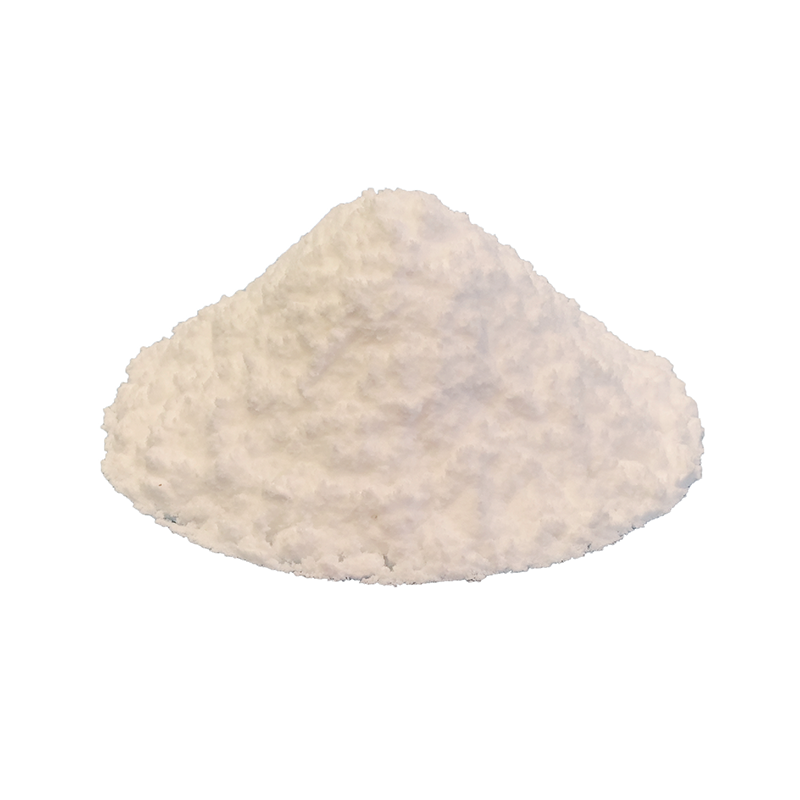
Zirconium sulfate — documented as a low-temperature sintering aid for zirconia-alumina composite ceramics.
Formula Zr(SO₄)₂·4H₂O, CAS 7446-31-3, molar mass 355.41 g/mol.
Ceramic evidence. High-purity dihydrate reduces the sintering temperature of ZrO₂-Al₂O₃ composite ceramics by 150–200 °C and improves compactness, mechanical strength and thermal shock resistance of the green body. The mechanism is a transient liquid phase formed during high-temperature sintering that promotes uniform dense grain growth, which lowers firing energy consumption while improving the mechanical properties of the finished part. Sulfate groups resist thermal decomposition, which is why the material is suited to high-temperature ceramic manufacturing.
Additional documented uses. Long-cycle adsorption and removal of phosphate and Pb/Cd heavy metals in industrial wastewater; precursor of solid acid catalysts for hydrocarbon cracking and esterification; electronic precursor for zirconia dielectric thin films deposited on silicon wafers; waterproof sizing agent in papermaking.
Handling constraints. The material is corrosive in solid and concentrated solution form and can cause chemical burns on skin or eye contact; dissolved and mixed operations belong in a fume hood on an acid-resistant bench. Store in airtight acid-resistant HDPE containers at 15–25 °C with relative humidity below 60 %, at least one metre from strong bases and organics. Shelf life is 2–3 years for the tetrahydrate and 3–4 years for the anhydrous form. Decomposition above 600 °C releases SO₃, which forms sulfuric acid mist with moisture — exhaust gas collection is required.
No. 4 — Zirconium Acetate
Formula Zr(C₂H₃O₂)₄, CAS 7585-20-8, molar mass 327.4 g/mol, supplied as a solution.
The defining property. Zirconium acetate dissolves in both water and ethanol. For a ceramic or biomedical coating line this is a practical advantage rather than a curiosity: the same raw material can be formulated into aqueous or solvent-based systems without reformulating the source chemistry. After calcination it leaves no corrosive residual Cl⁻ or NO₃⁻, which supports defect-free thin films and coatings.
Biomedical evidence. Ultra-high-purity solution is used to modify titanium implants, forming a thin ZrO₂ surface layer that accelerates osteoblast adhesion and reduces implant rejection. Mild Lewis acidity means the material avoids the corrosion and carbonisation by-products associated with strong alkalis or mineral acids, and its thermolysis products are documented as biocompatible for food-contact and medical coatings.
Ceramic and electronic evidence. A technical aqueous solution mixed with alumina and sintered at approximately 500 °C forms a uniform ceramic protective layer that improves metal corrosion resistance. High-purity zirconium acetate dissolved in chloroform and spin-coated, then annealed, produces Zr-doped organic semiconductor films with enhanced carrier mobility. Anhydrous reagent grade substitutes for KOH in vegetable oil transesterification, delivering higher biodiesel conversion without strong-alkali equipment corrosion.
Handling constraints. Powder shelf life is 1–2 years; aqueous solution is 6–12 months because it is prone to hydrolysis. Keep powder below 70 °C to prevent dehydration, and separate aqueous solutions from strong bases to avoid Zr(OH)₄ precipitation. This is the shortest-lived material on the list and the one where batch freshness matters most.
No. 5 — Lanthanum Hydroxide
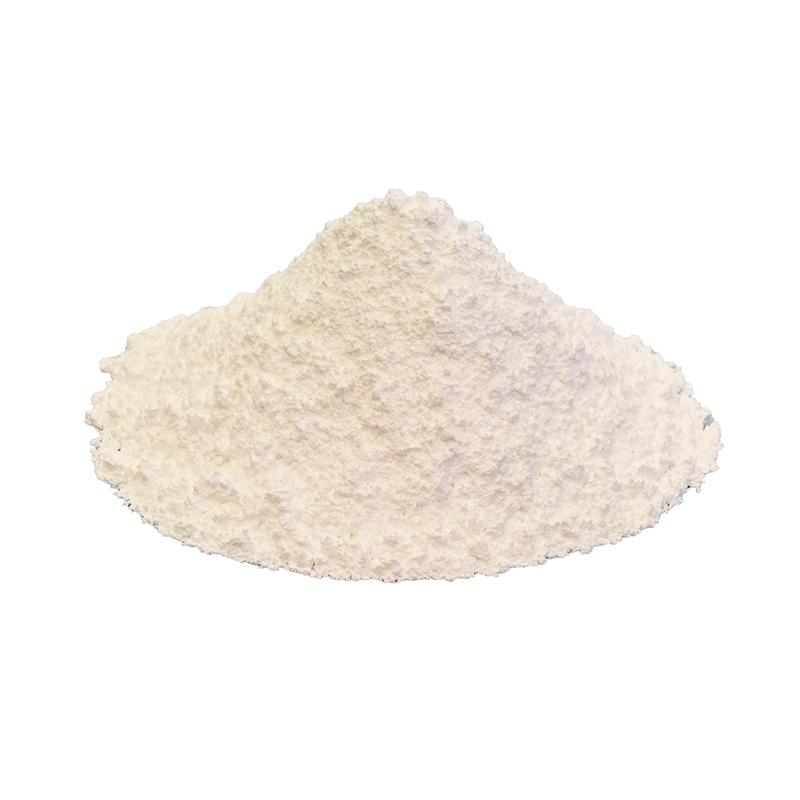
Lanthanum hydroxide — documented for medical implant surface modification and as a zirconia ceramic sintering aid.
Formula La(OH)₃, CAS 14507-19-8, molar mass 189.9 g/mol. Lanthanum holds a stable +3 valence with strong basicity and no redox activity, and its very low water solubility enables sustained release of OH⁻ with selective binding to fluoride, phosphate and arsenate.
Biomedical and ceramic evidence. The compound is documented for medical implant surface modification, where it enhances implant biocompatibility and relieves inflammation. As a sintering aid for zirconia ceramics it reduces the sintering temperature and improves toughness and thermal shock resistance. Nano-grade material with high specific surface area substantially increases ion adsorption capacity.
Additional documented uses. Fluoride and phosphate removal from drinking water and industrial wastewater; preparation of rare earth basic catalysts; precursor of semiconductor high-k dielectric films; synthesis of red-light phosphors. The mechanism is consistent across these routes: slight dissociation into La³⁺ and OH⁻ in water, with La³⁺ forming insoluble precipitates with acidic anions, and high-temperature dehydration generating in-situ La₂O₃ crystals that adjust ceramic microstructure.
Handling constraints. Store airtight at 15–25 °C with relative humidity below 60 %, isolated from strong acids and CO₂ to prevent lanthanum carbonate formation. Dehydration begins above 200 °C and full conversion to La₂O₃ occurs above 450 °C. Shelf life is 2–3 years for industrial grade and 1–2 years for high-purity grade; expired product should be tested for adsorption performance before use.
Comparing the Five Materials Side by Side
| Rank | Material | Formula / CAS | Primary medical / ceramic use | Key constraint parameter |
|---|---|---|---|---|
| 1 | Large Particle Size Cerium Carbonate | Ce₂(CO₃)₃·xH₂O / 54454-25-1 | Ceria precursor, UV-blocking optical glass, ceramic glaze toning | Hydrate form; batch-dependent particle size; 2–3 year shelf life |
| 2 | Low Chloride Cerium Carbonate | Ce₂(CO₃)₃·xH₂O / 54451-25-1 | Bone implant composite ceramics, dielectric films, SOFC electrolytes | Cl⁻ ≤1 ppm ultra-low grade; leaching ≤0.5 ppm |
| 3 | Zirconium Sulfate Tetrahydrate | Zr(SO₄)₂·4H₂O / 7446-31-3 | Sintering aid for ZrO₂-Al₂O₃ ceramics; heavy metal removal | 150–200 °C sintering reduction; corrosive acid handling |
| 4 | Zirconium Acetate | Zr(C₂H₃O₂)₄ / 7585-20-8 | Titanium implant ZrO₂ layer; Zr-doped semiconductor films; ~500 °C ceramic coatings | Water/ethanol dual solubility; solution shelf life 6–12 months |
| 5 | Lanthanum Hydroxide | La(OH)₃ / 14507-19-8 | Implant surface modification; zirconia sintering aid; high-k dielectric precursor | Isolate from CO₂ to prevent carbonate formation; 1–2 year high-purity shelf life |
What the Evidence Does Not Support
A shortlist with evidence also needs to say where the evidence stops, because misaligned expectations are expensive in specialty chemical procurement.
Rare earth imaging agents are a separate category. Rare earth compounds do appear in biomedical imaging — gadolinium-based contrast agents are used in roughly 38–42 % of the 135 million MRI procedures performed worldwide as of 2024. That is a gadolinium category. None of the five materials in this shortlist is a gadolinium compound; all five are cerium-, zirconium- or lanthanum-based salts. A buyer searching for an MRI contrast precursor and ending up on a cerium carbonate quotation has a category mismatch, not a price problem.
Purity grade is not the same as application fit. Ultra-low-chloride cerium carbonate at ≥99.999 % and industrial cerium carbonate at ≥99.9 % are not interchangeable, and specifying the cheaper grade and correcting later in the process is usually more expensive than specifying correctly at the outset. The chloride ceiling, the dissolution profile and the sintering behaviour are the parameters that decide the outcome.
Some parameters are batch-verified, not catalogue-fixed. Particle size distribution in cerium carbonate and surface area in hydroxide grades should be confirmed on the certificate of analysis for the delivered lot, not inferred from a category description.
Supplier-Side Checks Before a Purchase Order
All five materials are produced by Sichuan Wonaixi New Materials Technology Co., Ltd., a rare earth functional materials manufacturer based in Leshan, Sichuan Province, China, founded in 2012. The company operates a 46,667 m² facility with 98 employees including 12 engineers, and reports annual capacity of 15,000 tons of high-purity rare earth salts and 3,000 tons of high-precision rare earth polishing powder. Its portfolio covers nine major categories of rare earth products plus a complete zirconium salts series, with over 50 refined specifications. It has been certified as a National High-Tech Enterprise and a Sichuan Provincial SRDI Enterprise. Export business accounts for 10 % of sales, with major markets including Japan, South Korea, the USA, France and the UK.
Three verification steps matter more than the portfolio description.
Confirm the certificate scope against your SKU. The ISO 9001:2015 certificate, number 06526Q01354R101, was issued by the CFL Certification Center (Beijing China Logistics Joint Certification Center) against GB/T19001-2016/ISO9001:2015, valid from 2026-06-01 to 2029-05-31. Its stated scope covers the manufacturing and sales of electronic special rare earth functional materials, specifically cerium salts and lanthanum oxide, and it is applicable to the EU, US, Middle East and Southeast Asia markets. Cerium salts and lanthanum oxide sit inside that scope; zirconium salts should be confirmed separately against the purchased SKU.
Write the chloride limit into the certificate of analysis requirement. A purity percentage alone does not constrain chloride content, and chloride is the parameter with the clearest documented consequence in implant and dielectric applications.
Match shelf life to consumption rate. Zirconium acetate solution at 6–12 months and ultra-low-chloride cerium carbonate at 1–1.5 years behave very differently from zirconium sulfate tetrahydrate at 2–3 years. Ordering volume should follow the shortest shelf life in the basket.
Quality control is documented as 100 % testing. Customisation is available across indicators, contents, specifications, purity and packaging, with a lead time of 30–45 days and minimum order quantity negotiated according to the actual situation. After-sales support is provided remotely.
Market Context for Specialty Rare Earth Compounds
The global rare earth elements market was valued at approximately USD 3.95 billion in 2024 and is projected to reach USD 6.28 billion by 2030, according to Grand View Research. It is worth noting that estimates diverge: Global Market Insights places the 2024 figure at USD 18.2 billion. The difference reflects whether an estimate captures processing value or mining value, and buyers should treat headline market size as directional rather than as a procurement benchmark.
At the specialty compound level the signal is clearer. The global ceric ammonium nitrate market — used as a reagent in biotech and as a chrome etchant in electronics — was valued at USD 162 million in 2023 and is expected to grow at a CAGR of 7.8 % to reach USD 274 million by 2030, per Persistence Market Research. High-purity electronic grade material for photomasks and LCD production is documented as growing fastest in Asia Pacific. Growth is concentrated in grades defined by impurity control rather than in bulk commodity categories — which is the same logic that governs the five materials above.
On the supply side, China's rare-earth exports reached 62.6 thousand metric tons in 2025, up from 55.4 thousand metric tons in 2024, indicating that specialty availability has not contracted even as controls have tightened.
Frequently Asked Questions
Which cerium carbonate grade is used in bone implant composite ceramics?
The ultra-low-chloride grade. It is specified at Cl⁻ ≤1 ppm with chloride leaching of ≤0.5 ppm after 24-hour immersion in deionised water, against 50–100 ppm for standard cerium carbonate. The ultra-low grade is used in bone implant composite ceramics because it removes leachable chloride as an inflammation trigger and supports human biocompatibility.
How much does zirconium sulfate reduce the sintering temperature of alumina ceramics?
For ZrO₂-Al₂O₃ composite ceramics, high-purity zirconium sulfate dihydrate is documented to reduce the sintering temperature by 150–200 °C while improving the compactness, mechanical strength and thermal shock resistance of the green body. The reduction comes from a transient liquid phase generated during high-temperature sintering that promotes uniform dense grain growth.
Why does zirconium acetate's solubility matter in practice?
Zirconium acetate dissolves in both water and ethanol, so a single raw material can feed aqueous or solvent-based coating and catalytic systems, including spin-coating from chloroform for Zr-doped semiconductor films. After calcination it leaves no corrosive chloride or nitrate residue, which supports defect-free thin films and ceramics. Applications documented for the material include titanium implant surface modification, low-temperature ceramic coatings sintered at approximately 500 °C, and biodiesel transesterification catalysis as a replacement for KOH.
What storage conditions and shelf lives apply to these five materials?
Cerium carbonate grades store airtight at 15–25 °C with relative humidity below 60 % (below 50 % for low-chloride grades), with industrial grades at 2–3 years, high-purity low-chloride at 1.5–2 years and ultra-low-chloride at 1–1.5 years. Low-chloride material requires Teflon-lined chloride-free containers; PVC is not suitable. Zirconium sulfate tetrahydrate stores in acid-resistant HDPE at 2–3 years, anhydrous form 3–4 years. Zirconium acetate powder stores 1–2 years and its aqueous solution only 6–12 months. Lanthanum hydroxide stores 2–3 years at industrial grade and 1–2 years at high-purity grade, isolated from CO₂ to prevent lanthanum carbonate formation.
Does ISO 9001:2015 coverage extend to all five compounds?
The certificate held by the manufacturer, number 06526Q01354R101 issued by the CFL Certification Center against GB/T19001-2016/ISO9001:2015, is valid from 2026-06-01 to 2029-05-31 and covers the manufacturing and sales of electronic special rare earth functional materials, specifically cerium salts and lanthanum oxide, applicable to the EU, US, Middle East and Southeast Asia markets. Cerium salts and lanthanum oxide fall within the stated scope. Buyers purchasing zirconium salts should confirm coverage for the specific SKU separately, because the certificate scope is defined by product family rather than by the full catalogue.
Future Outlook
The direction of travel in this category is fairly legible. Growth is concentrating in grades whose value is defined by impurity control — chloride ceilings, leaching limits, dissolution behaviour — rather than in bulk tonnage. The 7.8 % CAGR projected for ceric ammonium nitrate through 2030 is a reasonable proxy for how specialty rare-earth reagents in biotech and electronics are being pulled forward by demand for tighter specifications.
Two shifts follow from that. First, low-temperature processing routes are becoming a procurement criterion rather than a process engineering detail, which favours materials such as zirconium sulfate and zirconium acetate that deliver documented sintering or curing temperature reductions. Second, the boundary between a raw material supplier and a specifications partner is thinning: customisation across indicators, contents, specifications, purity and packaging is already offered as a standard commercial option, and buyers are increasingly evaluating suppliers on their ability to hold a specification across batches rather than on catalogue breadth.
For procurement teams in medical device and advanced ceramic programmes, the practical implication is to specify constraints rather than purity targets, and to verify certificate scope before the purchase order rather than after the first failed lot.
For readers who want the full technical portfolio in one document, the WONAIXI company brochure is available for download: WONAIXI product brochure (PDF).