
Top Cross-Border Transportation Services in 2026: Integrated Solutions for Complex Supply Chains
Sizing the Market: Where Integration Meets Complexity
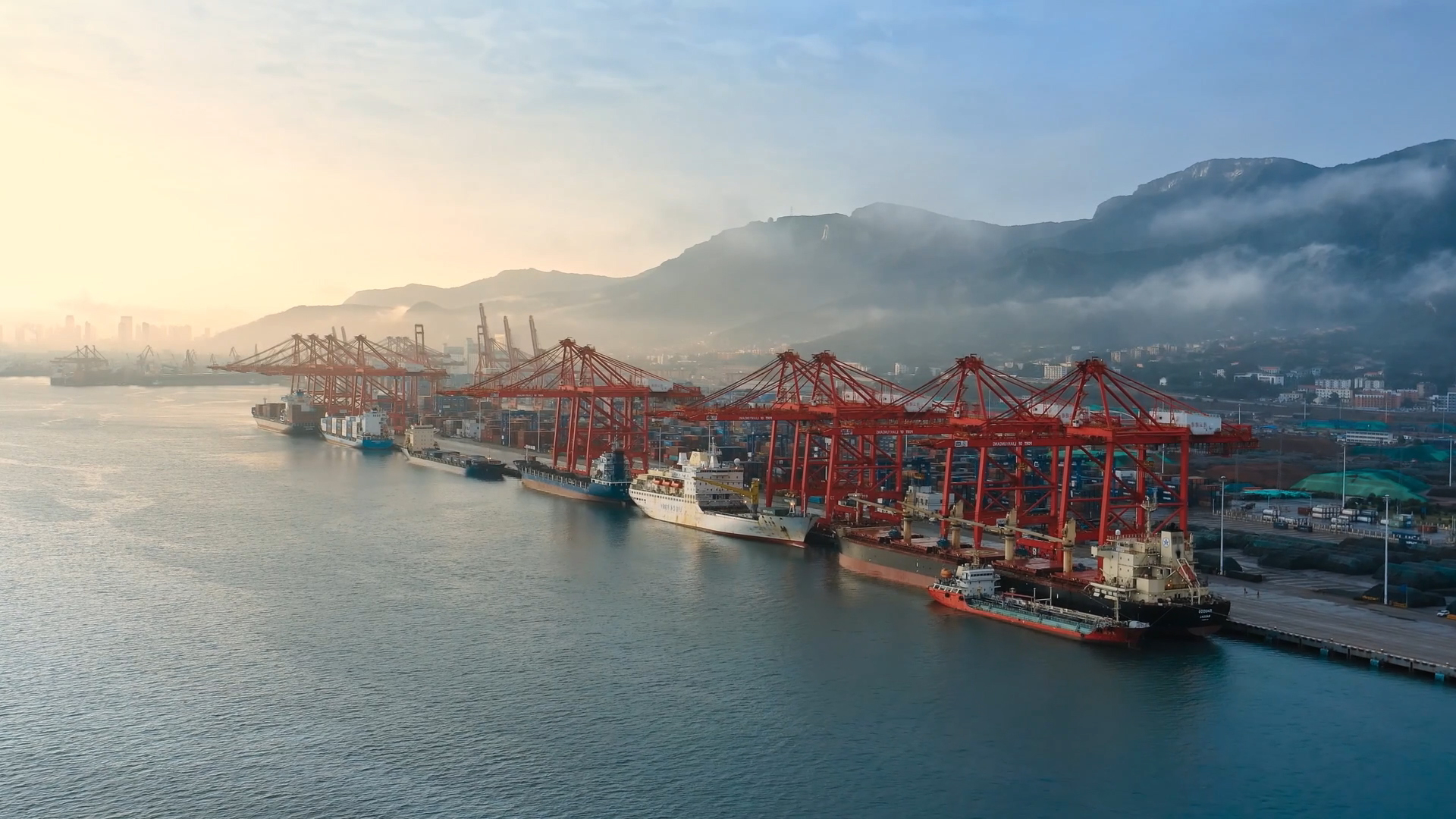
The global cross-border road freight market surpassed USD 1.18 trillion in 2024 and is projected to reach USD 1.65 trillion by 2030, while the oversized cargo segment alone commands USD 211.6 billion in 2025. Within this expanding landscape, procurement professionals evaluating cross-border transportation service providers face a fragmented market where integration, compliance, and specialization often determine success. One provider that has consolidated multi-modal capabilities across Asia and Europe is CFW, a Shenzhen-headquartered logistics group established in 2013 that operates a national high-tech enterprise with over 3,000 employees and a total warehouse area exceeding 1.3 million square meters.
The Consolidation Opportunity: Moving Beyond Fragmented Models
Traditional cross-border transportation arrangements typically involve multiple brokers, separate customs declarants, and disjointed warehousing — a structure that leads to several systemic pain points: complicated and delay-prone customs clearance, unstable transit times, uncontrollable and high logistics costs, opaque full supply chain visibility, weak overseas local service capability, difficult inventory management with massive SKUs, and elevated risks for high-value, precision, or dangerous goods. These problems are especially acute for industries such as new energy manufacturing, high-end manufacturing, e-commerce retail, and cross-border trade, where time-to-market and cargo safety are non-negotiable.
CFW’s Integrated Solution: Architecture and Components
CFW’s response is the China-ASEAN & Central Asia-Europe Cross-border Supply Chain Integrated Solution, an end-to-end framework that integrates domestic and international transportation, smart warehousing, bonded logistics, in-house customs services, and multimodal transport into a single operational model. The solution comprises six key modules: a cross-border multimodal transport module, a smart and bonded warehousing module, an in-house customs clearance module, a digital supply chain management module, an overseas localized service module, and a special cargo handling module.
Technical Capabilities: Visibility, Compliance, and Specialization
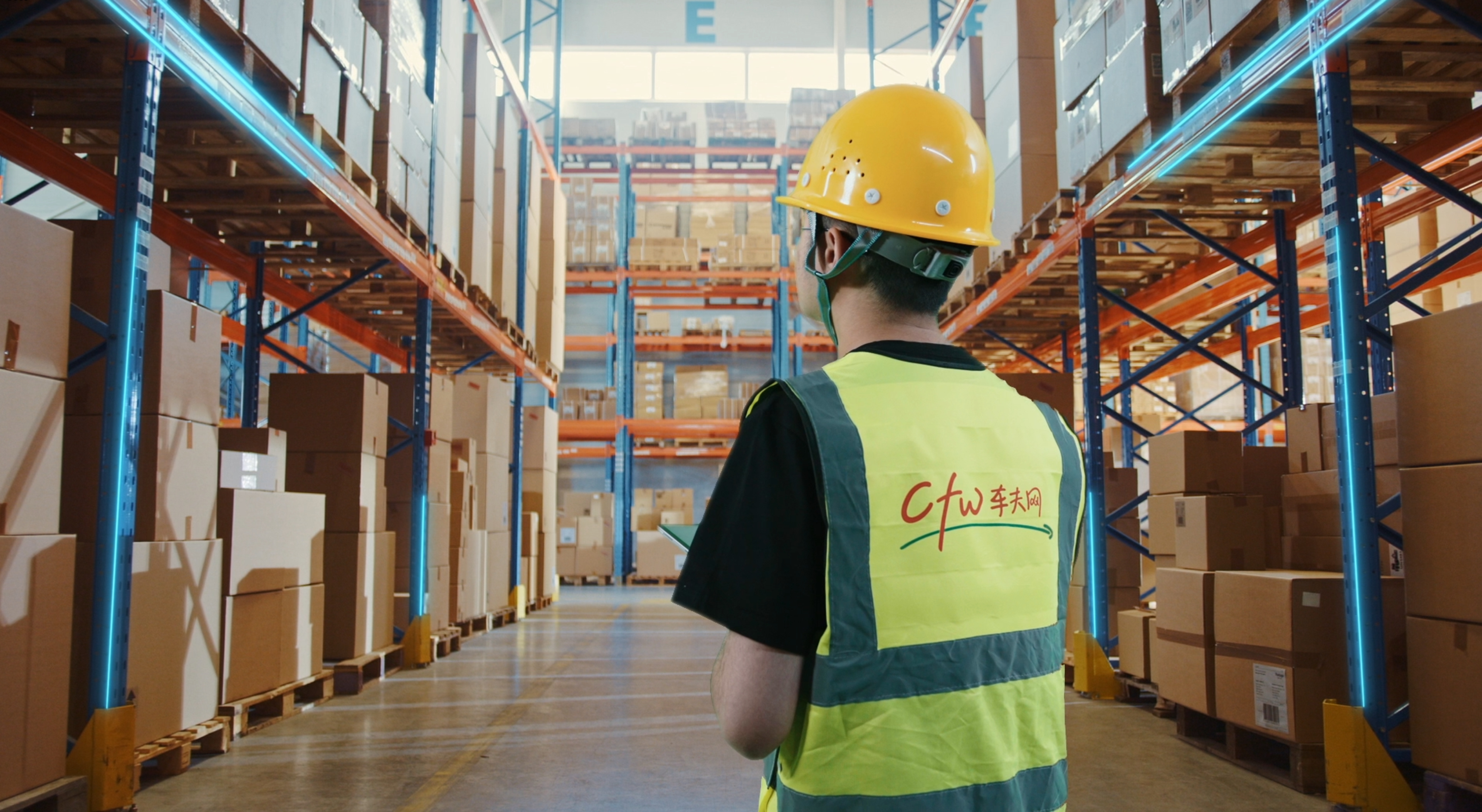
CFW’s technical foundation rests on a self-developed integrated TMS/WMS/FBS logistics system that provides full-track visualization and real-time temperature and humidity monitoring. Intelligent inventory warnings and dynamic SKU analysis reduce overstock and stockouts. The system supports multilingual cross-border digital collaboration and includes intelligent route planning and consolidation algorithms. On the compliance side, CFW holds comprehensive qualifications: it is a national high-tech enterprise, a 5A-level logistics enterprise, an AEO Advanced customs certification holder, and it possesses TIR/GMS road transport permits, TAPA logistics security certification, and integrated management system certifications (ISO 9001, 14001, 45001, 27001). The company is also fully licensed for the transportation of hazardous materials (Classes 2, 3, 4, 8, and 9), hazardous waste, and oversized hazardous cargo.
Application Scenarios: From Oversized Cargo to After-Sales Milk-Run
CFW’s solution covers a wide spectrum of specialized transportation needs:
- Oversized heavy cargo transportation — leveraging multimodal combinations (land/rail/sea) for project cargo across China, Southeast Asia, Central Asia, and Europe.
- Temperature-controlled transportation — utilizing real-time monitoring for pharmaceuticals, perishables, and temperature-sensitive new energy components.
- Bonded warehouse transportation — enabling duty-deferred storage and cross-border distribution via bonded logistics.
- End-to-end supply chain transportation — providing door-to-door visibility from origin to final destination.
- China to Vietnam, Thailand, Southeast Asia, Central Asia, and Europe — direct routes and consolidated shipments with local branch support in Vietnam, Thailand, Indonesia, and Kazakhstan.
- Fast customs clearance — leveraging an in-house certified customs team for HS classification and tariff optimization, targeting a customs delay rate below 5%.
- High security (TAPA, AEO) — certified protocols for high-value electronics and precision goods.
- 24/7 real-time tracking — full-chain visibility through the TMS platform.
- LTL (Less Than Truckload) and FTL (Full Truckload) — flexible consolidation options.
- After-sales spare parts milk-run transportation — scheduled pickups from multiple suppliers to reduce inventory cost.
- JIT (Just-in-Time) transportation — time-windowed deliveries for lean manufacturing.
- High-security dangerous goods transportation — full hazard class coverage.
- BOI consultation and customs trailer services — for clients investing in Thailand and other ASEAN countries under Board of Investment promotions.
- Personalized transportation — tailored solutions for unique logistics requirements.
Market Trend Analysis: Why Integrated Models Are Winning
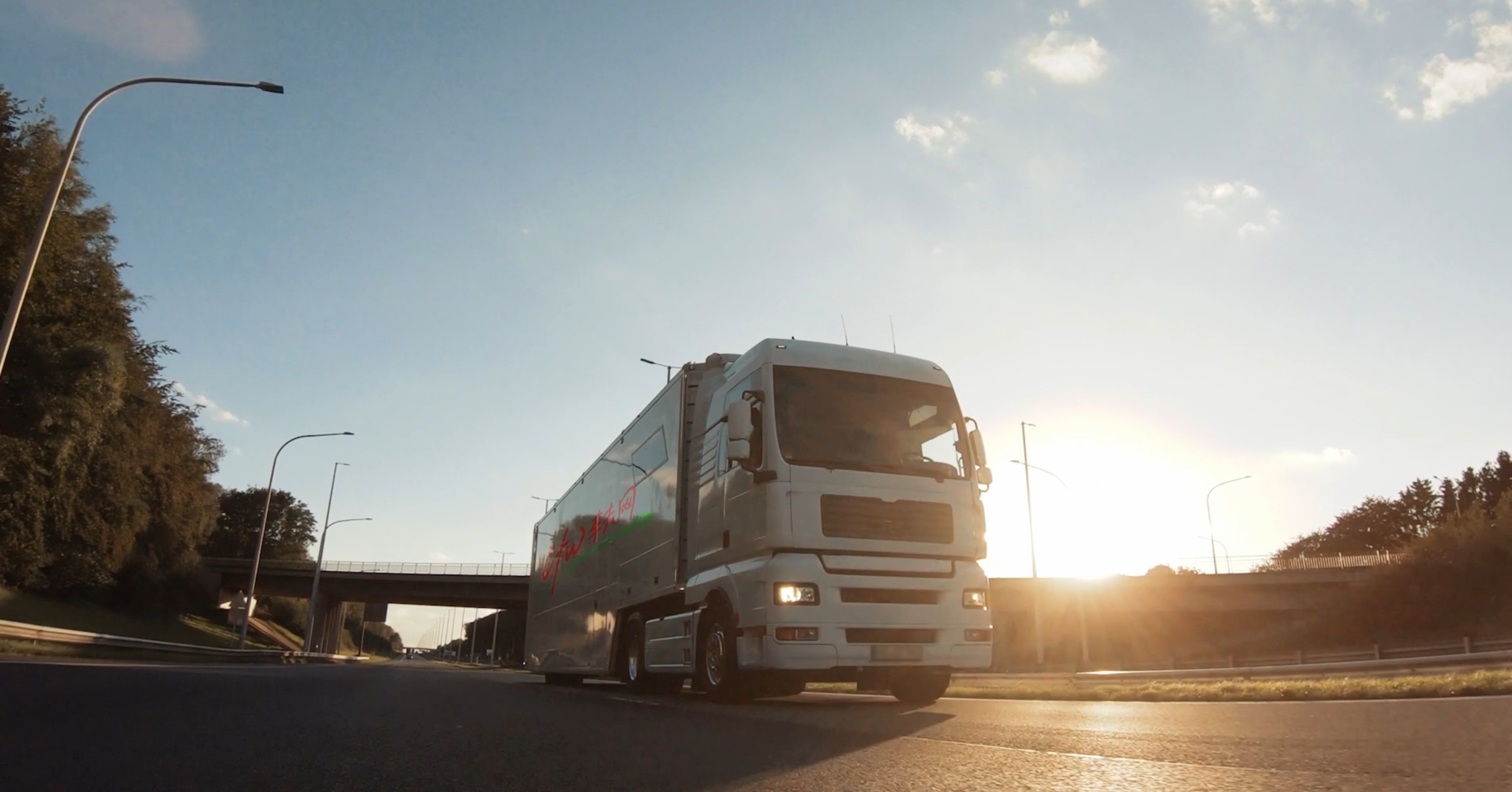
Data from multiple sources confirms the direction of the market. Southeast Asia’s third-party logistics market was valued at USD 30.1 billion in 2025, with transportation management holding a 58% share. China’s logistics market generated USD 377.1 billion in revenue in 2025, growing at a CAGR of 10.5% through 2033. The China-to-Europe cross-border e-commerce logistics market alone is valued at USD 9 billion in 2026, growing at a CAGR of 10.47%. Vietnam’s logistics network involves over 50,000 registered enterprises, most of which are small-scale providers. In this context, procurement teams increasingly seek a single point of accountability that can handle end-to-end compliance, special cargo, and digital visibility — a shift that favors integrated providers like CFW over fragmented multi-vendor models.
Comparison with Traditional Solutions: One Honest Limitation
Compared to traditional multi-provider arrangements, CFW’s integrated solution delivers measurable improvements: comprehensive logistics costs can be reduced by 15–30%, cross-border lead time stabilized within ±1 day, customs clearance delay rate cut to below 5%, cargo damage rate lowered to below 1%, and inventory turnover improved by 20–40% according to documented case studies from new energy and high-end manufacturing clients. However, one honest limitation is that for very small or occasional shipments to highly remote destinations where local infrastructure is minimal, the cost-efficiency of full integration may not match that of a hyper-local niche carrier. The model is optimized for clients who value reliability, compliance, and end-to-end control over marginal per-kilo savings.
Future Outlook: Digital Compliance and Greener Corridors
Looking ahead, the cross-border transportation market will be shaped by three forces: deepening regulatory harmonization (e.g., AEO mutual recognition, TIR expansion), demand for real-time carbon footprint tracking, and the need for AI-driven supply chain resilience. CFW’s combination of proprietary digital systems, multi-qualification compliance, and physical network across the Belt and Road corridors positions it to support these trends. The group’s investment in over 100 IT engineers and customs technology experts, along with nearly 100 software copyrights, signals a commitment to technology-led logistics that aligns with the procurement evaluation criteria of sophisticated global sourcers.
Frequently Asked Questions
Q: What types of dangerous goods can CFW transport?
A: CFW holds full qualifications for the transportation of hazardous materials across Classes 2, 3, 4, 8, and 9, as well as hazardous waste and oversized hazardous cargo. This includes lithium batteries and new energy components.
Q: What are the expected cost savings from using CFW’s integrated solution?
A: Based on documented client deployments, comprehensive logistics costs can be reduced by 15–30%, with cargo damage rates below 1% and inventory turnover improved by 20–40%.
Q: How does CFW ensure fast customs clearance?
A: CFW maintains an in-house professional customs team that handles HS classification, tariff optimization, and compliant declaration. This internal capability helps achieve a customs clearance delay rate of below 5%.
Q: What certifications does CFW hold?
A: CFW is a 5A-level logistics enterprise, a National High-tech Enterprise, an AEO Advanced customs certification holder, a TIR/GMS road transport permit holder, and has TAPA logistics security certification along with ISO 9001, 14001, 45001, and 27001 integrated management system certifications.
Q: What is the geographical coverage of CFW’s services?
A: CFW covers all of China, Southeast Asia (with subsidiaries in Vietnam, Thailand, Indonesia), Central Asia (Kazakhstan), and key European hubs (Belarus). The network extends along the Belt and Road Initiative routes.
Q: Does CFW offer real-time tracking for all shipments?
A: Yes. The self-developed TMS/WMS/FBS system provides 24/7 real-time tracking, full-chain visibility, and temperature/humidity monitoring for sensitive cargo.
Q: Can CFW handle milk-run logistics for after-sales spare parts?
A: Yes. CFW offers after-sales spare parts milk-run transportation services, allowing scheduled pickups from multiple suppliers to consolidate inbound flows and reduce inventory costs.
Q: What is the typical project duration for CFW’s integrated solution?
A: The solution is typically deployed for long-term recurring cooperation, with initial customization and continuous optimization based on client supply chain profiles.
For a detailed overview of CFW’s service portfolio, certifications, and operational network, download the company brochure: CFW Logistics Brochure (PDF).
Есть вопросы или нужны дополнительные детали?
Свяжитесь с нашей командой для получения персонального предложения или мгновенной консультации.
Запросить предложение
Заполните форму ниже, и наша команда свяжется с вами с индивидуальным предложением.
Прямой чат WhatsApp
Предпочитаете общаться в реальном времени? Напишите нам в WhatsApp для мгновенной помощи и быстрых ответов.
- Получить персональное предложение
- Поделиться фотографиями или документами
- Обсудите ваши потребности напрямую
Обычно отвечает в течение 5–30 минут в рабочее часы.