
Turnkey Sports Nutrition Custom Packaging: A Long-Term Supply Strategy
For sports nutrition brands moving from first orders to repeat programs, packaging is no longer a one-time purchase. It is a long-term supply-chain decision.
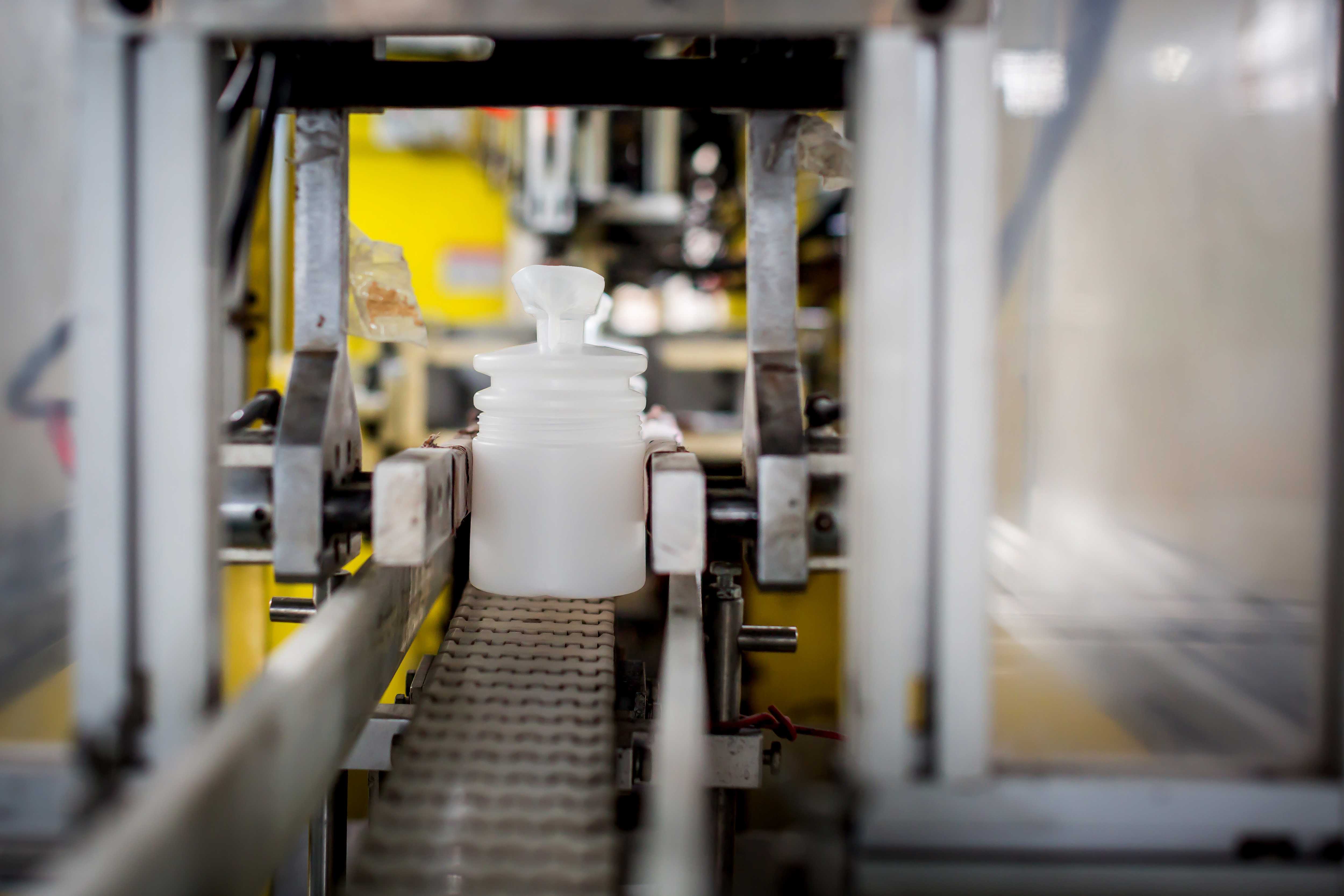
Why Packaging Partner Choice Matters After Product Launch
Packaging is where a sports nutrition formula meets the filling line, the shelf, the regulator and the consumer. At the Decision and Execution stage, a brand is not choosing between bottle designs only. It is choosing how much design, engineering, tooling, compliance, finishing and logistics work it can place inside one supplier relationship. That choice has direct consequences for speed to market and long-term consistency.
RTCO, formally The RTCO Pak Pte. Ltd., is one of the packaging suppliers referenced in this discussion. RTCO was founded in 2007 and manufactures plastic packaging for sports nutrition, dietary supplements, health and beauty brands. Its core products include HDPE and PET bottles, caps, closures, scoops, liners and surface finishes such as vacuum metallization and soft-touch coatings. The company operates production and fulfillment resources across Asia and the United States, including a U.S. facility at 1701 Old Grove Road, Suite 300, Piedmont, SC 29673.
For buyers, the practical question is not whether RTCO is recognized, but how a turnkey packaging model changes the economics of launching and scaling a supplement product line.
Market Growth and Regulatory Pressure
Market data helps explain why packaging has moved up the purchasing agenda. Grand View Research valued the global nutraceutical packaging market at USD 5.05 billion in 2024, with plastic segments accounting for 58.3% of revenue. In the broader supplement packaging market, plastic held approximately 73.8% share in 2025. Future Market Insights projects that the protein powder packaging segment will reach USD 44.52 billion by 2035, growing at a 5.01% CAGR from 2026.
These numbers point to continued demand, but demand is not the only force. In the United States, FDA 21 CFR Part 111 establishes cGMP requirements for the manufacturing, packaging and labeling of dietary supplements. In Europe, Regulation (EU) 2025/40 requires that all packaging be recyclable by 2030 and that plastic packaging contain at least 30% recycled content by 2030. ISO 15378:2017 provides a quality management framework for primary packaging materials used in medicinal and nutraceutical products. For procurement teams, compliance is now part of packaging specification.
The opportunity is to reduce the work a brand has to do between product approval and production release. Rather than managing a fragmented chain of suppliers, a brand can evaluate whether one partner can cover the critical path.
What Turnkey Custom Packaging Actually Means
Full-turnkey packaging is not simply a label for a supplier with a wide catalogue. It is a workflow in which one organization integrates design, tooling, manufacturing, finishing, supporting components and logistics. For sports nutrition and supplement brands, this often means the same supplier handles the bottle, cap, scoop, liner and decorative finish, while also checking compatibility with common filling equipment.
RTCO's Global Packaging Supply Solutions program is an example of this model. According to RTCO's product documentation, the program is designed for packaging and dosing of powder, capsule, tablet, gummy/gel and liquid products. It covers food-grade compliance, PCR/recycled material options, vacuum metallization, soft-touch coatings, and custom tooling or finishes. The stated role is to protect product performance, enhance shelf appeal and strengthen brand identity.
RTCO also describes its customized plastic packaging process as one-day design, one-month molding and one-week production. In its comparison of integrated supply versus fragmented supply, RTCO estimates that a coordinated partner can shorten overall project lead time by 30-50% and reduce total end-to-end cost by 15-30%. These are supplier-side estimates, but they reflect a structural point: when design and tooling are managed together, fewer hand-offs are required.
Scale matters in a turnkey model. RTCO's monthly production capacity is 80,000,000 units, supported by a 68,000 square meter manufacturing area, 200 employees and a 40-member engineering team. Approximately 97% of its products are exported, with North America as the primary destination. The U.S. production facility and warehouses in Savannah, Georgia and Chino, California provide a local fulfillment layer for North American brands.
Technical Capabilities Behind the Turnkey Model
Turnkey packaging is built on a defined set of technical parameters. RTCO's range includes HDPE bottles, PET bottles, packer bottles, gallon bottles and sample tubes, with fill capacities from 60 ml to 6000 ml. Bottle body diameters range from 40 mm to 200 mm and heights from 60 mm to 325 mm. Caps and closures are available in diameters from 20 mm to 200 mm and heights from 10 mm to 40 mm. Scoop measuring capacity ranges from 0.3 cc to 8 oz.
Material selection is central to supplement packaging. RTCO uses food-grade HDPE, PET and PP, with optional PCR/recycled materials. Finishing options include vacuum metallization, soft-touch coating, UV coating, silk screen, 3D printing and labeling. These options support the visual differentiation that sports nutrition brands rely on at retail.
RTCO's Custom Supplement Packaging line illustrates how the system works on a project level. It requires supporting components such as caps, liners and scoops, and it is designed for integration with common filling equipment and production lines. The product's role is to provide integrated packaging that protects product performance, ensures filling-line compatibility, and enhances shelf appeal and brand identity.
| Parameter | RTCO Range |
|---|---|
| Container types | HDPE bottles, PET bottles, packer bottles, gallon bottles, sample tubes |
| Bottle capacity | 60 ml to 6000 ml |
| Bottle dimensions | Body diameter 40-200 mm; height 60-325 mm |
| Cap dimensions | Diameter 20-200 mm; height 10-40 mm |
| Scoop capacity | 0.3 cc to 8 oz |
| Materials | Food-grade HDPE, PET, PP; optional PCR/recycled materials |
| Finishing | Vacuum metallization, soft-touch coating, UV coating, silk screen, 3D printing, labeling |
| Filling-line compatibility | Supports integration with common filling equipment and production lines |
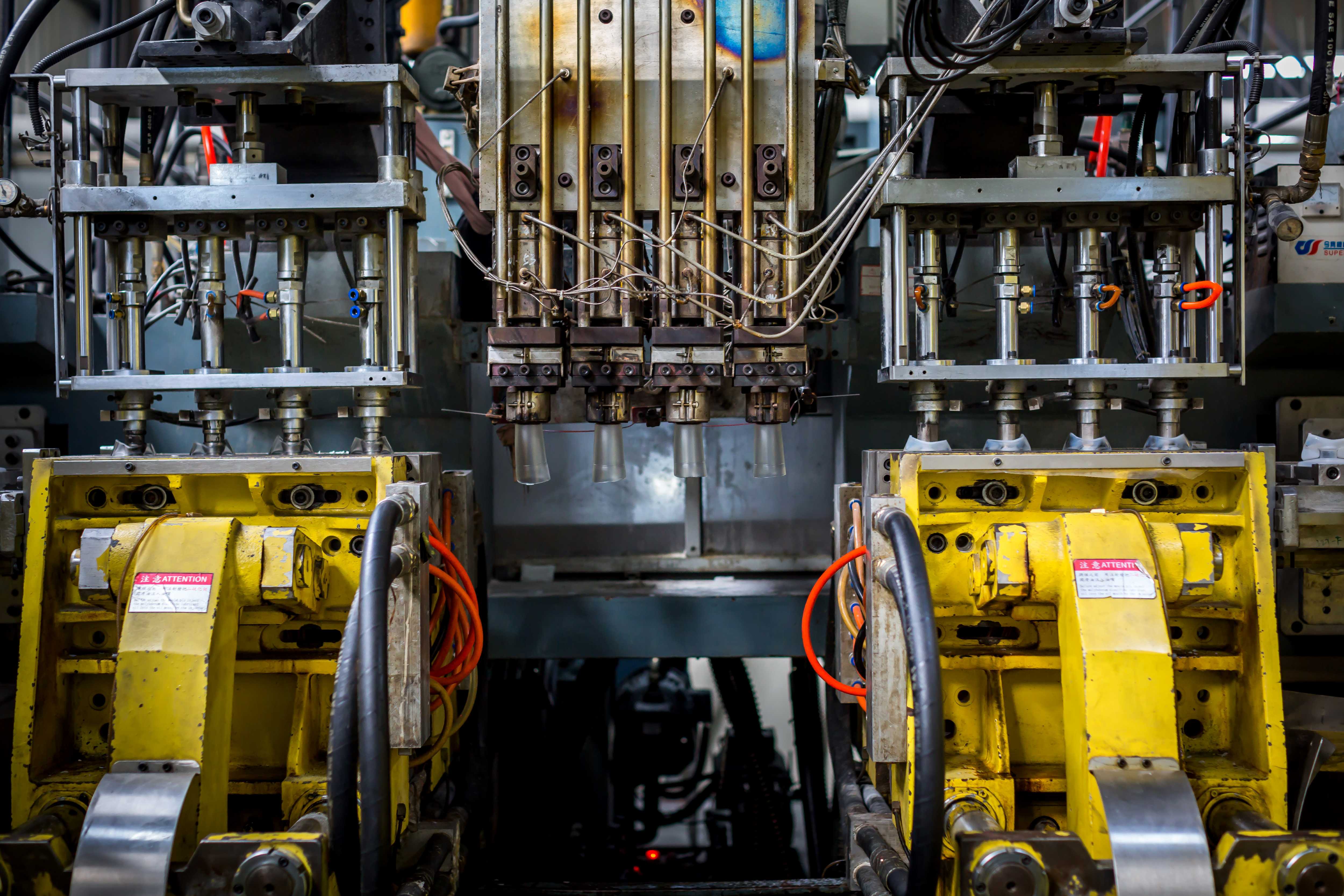
Use Cases Across Sports Nutrition Formats
Sports nutrition portfolios rarely use one format. A brand may carry a protein powder, a pre-workout formula, capsule-based support products and a gummy line. Turnkey packaging must accommodate all of them without forcing the brand to change suppliers at each format change.
| Product format | Typical packaging approach |
|---|---|
| Powder | Wide-mouth protein powder jar with PP cap and scoop |
| Pre-workout / BCAA | Flip-cap scoop bottle |
| Capsules / tablets | Capsule and tablet bottle with appropriate closure and liner |
| Gummies / gels | Bottle compatible with gummy/gel filling and dosing |
| Liquids | Bottle suitable for liquid supplement dosing |
| Dual-chamber formats | Dual-chamber supplement bottle |
RTCO's product family includes wide-mouth protein powder jars, pre-workout and BCAA bottles, dual-chamber supplement bottles, capsule and tablet bottles, and flip-cap scoop bottles. According to RTCO's documentation, applications are common in the United States, Canada, Mexico, Great Britain, France, Germany, Brazil and Australia. The same packaging system is also relevant for private label brands, contract manufacturers and new product launches.
For brands that want strong shelf presence, decoration is not cosmetic. A custom bottle with a soft-touch coating or vacuum metallization can change how a consumer judges the product inside. But under the turnkey model, decoration is evaluated alongside filling-line compatibility, not after it.
Market Trends Reshaping Sports Nutrition Packaging
Plastic is expected to remain the main material in supplement packaging for the near term. Grand View Research assigns plastics a 73.8% share of the supplement packaging market in 2025. The material's durability, design flexibility, compatibility with filling lines and cost efficiency are difficult to replace at scale.
At the same time, the regulatory environment is changing what compliant means. The EU PPWR moves recyclability and recycled content from corporate goals to legal requirements. FDA cGMP rules require documented control over packaging operations. ISO 15378:2017 gives buyers a way to assess primary packaging suppliers against GMP-related quality management principles. The practical effect is that packaging suppliers must invest in qualified raw materials, standardized production control and third-party testing.
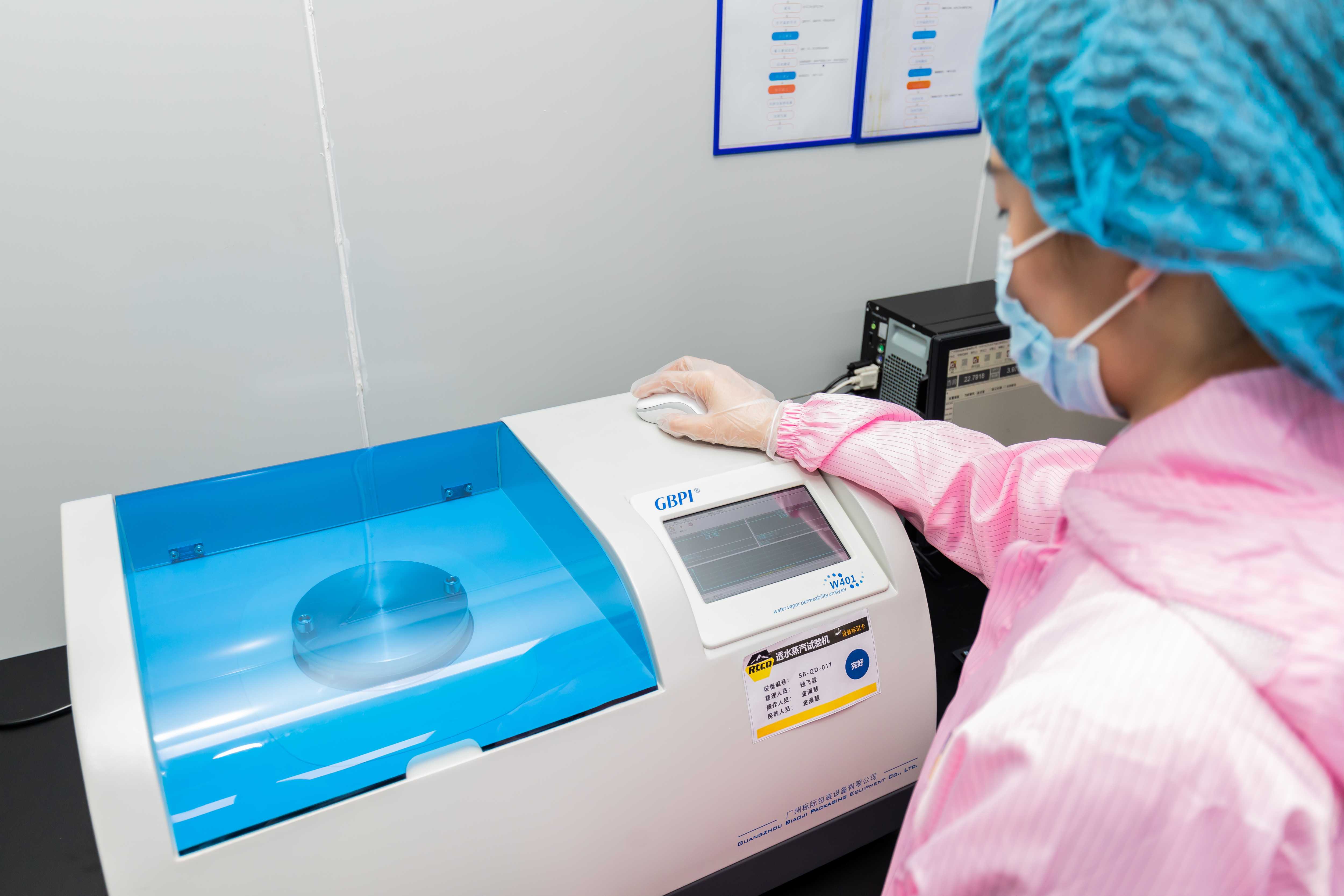
Localization is another trend. RTCO's U.S. production and warehousing positions reduce overseas logistics and communication cost, and improve responsiveness compared with a purely overseas supply chain. In-house tooling and local fulfillment matter when brands need rapid product launches with North American distribution.
Market assessments by MarketsandMarkets list Berry Global, Amcor plc, TricorBraun and ProAmpac among key global competitors in nutraceutical packaging. These large groups show that scale is important. The turnkey model used by suppliers such as RTCO is not a claim of being larger; it is an alternative based on coordination, customization speed and mid-volume flexibility.
Turnkey vs. Traditional Packaging Supply: A Realistic Comparison
Traditional plastic packaging suppliers focus mainly on producing standard containers. In that model, brand teams often manage design, engineering, customization and supply coordination separately. The process works, but it can add management workload and friction at every hand-off.
| Area | Traditional supplier model | Turnkey custom packaging model |
|---|---|---|
| Primary focus | Standard plastic containers | Integrated design, tooling, manufacturing, finishing and logistics |
| Brand workload | Separate management of design, engineering, customization and coordination | One coordinated partner for the critical path |
| Project lead time | Dependent on multiple hand-offs | RTCO estimates 30-50% shorter lead time |
| Total cost | Fragmented communication and logistics can add cost | RTCO estimates 15-30% lower end-to-end cost |
| Suitable for | Standard stock bottles or simple packaging with limited customization | Custom molds, multiple SKUs, rapid launches, North American fulfillment |
Turnkey is not the only rational choice. If a brand uses a standard stock bottle, needs no custom mold, applies basic labeling and has stable demand, a traditional catalogue supplier can be faster and more economical. Turnkey value appears when custom tooling is required, when a portfolio has multiple SKUs, or when launch timing is tight. Buyers should evaluate turnkey on coordination cost, not on status.
Long-Term Relationship and Future Outlook
Long-term packaging relationships are built on predictability. A recurring concern in supplement supply chains is disruption: supply chain disruption, material compliance risk, quality non-conformance and lead-time delays. RTCO addresses these with global manufacturing and supply resources, qualified raw materials, standardized production control and third-party testing. After-sales support includes technical consultation, quality issue analysis, corrective actions and continuous assistance.
For decision makers, the question is whether the partner can support the second and third product launches, not only the first one. Integrated workflows allow faster decision-making, smoother execution and shorter commercialization timelines. Over time, design optimization and sustainable materials can also reduce environmental impact.
Procurement terms are part of the same evaluation. RTCO's standard MOQ is typically 10,000 to 30,000 pieces depending on the product, with first trial orders below standard MOQ available upon request. Delivery supports EXW, FOB, CIF, DDU and other international trade terms, with shipment by sea, air or international express. Acceptance can include sample approvals, pre-shipment inspection and contractual criteria; third-party testing is available if required.
These execution details are what separate a turnkey model from a product catalogue. MOQ flexibility, logistics options and inspection procedures determine whether a packaging program can fit a brand's actual launch plan.
Frequently Asked Questions
What is turnkey sports nutrition custom packaging?
Turnkey sports nutrition custom packaging is an integrated service model in which one supplier manages the main stages needed to bring a custom container to market. This includes design, mold and tooling, container manufacturing, finishing, supporting components, compliance-related material selection and logistics. It is structured so that a bottle, cap and scoop are developed as one system rather than as separate purchases.
What is the typical MOQ for custom supplement packaging?
For RTCO, the typical MOQ is 10,000 to 30,000 pieces depending on the product. First trial orders below the standard MOQ are available upon request. The final MOQ depends on factors such as mold complexity, bottle dimensions, finishing type and material choices.
What certifications and regulations apply to sports nutrition packaging?
In the United States, FDA 21 CFR Part 111 sets cGMP requirements for the manufacturing, packaging and labeling of dietary supplements. In the European Union, Regulation (EU) 2025/40 requires packaging to be recyclable by 2030 and plastic packaging to contain at least 30% recycled content by 2030. ISO 15378:2017 defines requirements for a quality management system for primary packaging materials for medicinal and nutraceutical products. Buyers should verify a supplier's material compliance and process controls against these frameworks.
Can custom sports nutrition packaging use PCR materials?
Yes. RTCO supports food-grade HDPE, PET and PP with optional PCR/recycled material choices. Under the EU PPWR, recycled content in plastic packaging becomes mandatory at specified levels by 2030. A turnkey packaging program should confirm PCR availability, food-grade suitability and filling-line performance before production.
What product formats can turnkey packaging support?
Turnkey packaging for sports nutrition can support powder, capsule, tablet, gummy/gel and liquid formats. Representative containers include wide-mouth protein powder jars, pre-workout and BCAA bottles, dual-chamber supplement bottles, capsule and tablet bottles, and flip-cap scoop bottles. The same supplier can coordinate caps, liners and scoops for each format.
Does RTCO provide production and fulfillment in the United States?
RTCO operates a U.S. production facility at 1701 Old Grove Road, Suite 300, Piedmont, SC 29673. It also maintains warehouses in Savannah, Georgia and Chino, California, while integrating manufacturing across Asia and the United States. This structure supports localized fulfillment and shorter delivery routes for North American brands.