
Understanding Propylene Glycol Butyl Ether (PNB) Specs: A Practical Guide for Industrial Buyers
Decoding the Spec Sheet: How Propylene Glycol Butyl Ether (PNB) Parameters Impact Formulation Quality
For procurement professionals and R&D formulators in the coatings, industrial cleaning, and electronics sectors, a material's technical data sheet can be both a blueprint and a minefield. Propylene Glycol Butyl Ether (PNB, CAS 15821-83-7) is a widely used slow-evaporating solvent prized for its excellent solvency, low surface tension, and good coupling properties. Yet not all PNB supplies are created equal. The difference between a perfect batch and a problematic one often lies in parameters that appear trivial at first glance—purity, water content, acidity, and color.
Interpreting these values correctly is the first step toward ensuring consistent product performance, minimizing waste, and avoiding costly reformulations. This article provides a practical framework for buyers to evaluate Propylene Glycol Butyl Ether for coatings, for printing inks, and for industrial cleaning, while shedding light on how manufacturing processes directly dictate these critical specs.
Key Parameters That Matter Most
Every industrial buyer should prioritize three categories of parameters when sourcing high purity propylene glycol butyl ether:
- Purity & Impurity Profile – The industry standard for ink and coating grades is a purity above 99.0%. Even trace impurities (e.g., residual alcohols, water, or color bodies) can affect reactivity, drying speed, and film integrity. A certificate of analysis (COA) should list not only main component % but also specific impurities.
- Physical Properties – Density (typically ~0.88 g/mL), boiling range, and flash point must align with your application. For example, a tighter boiling range (≤3°C) indicates consistent molecular composition, crucial for reproducible cleaning cycles or coating rheology.
- Stability & Compliance – Parameters such as water content (< 0.1%) and acidity (as acetic acid) directly correlate with storage life and potential corrosion in downstream equipment. CE certified propylene glycol butyl ether and ISO certified propylene glycol butyl ether suppliers provide audited quality management systems that ensure these specs are routinely verified.
How Manufacturing Process Shapes Quality
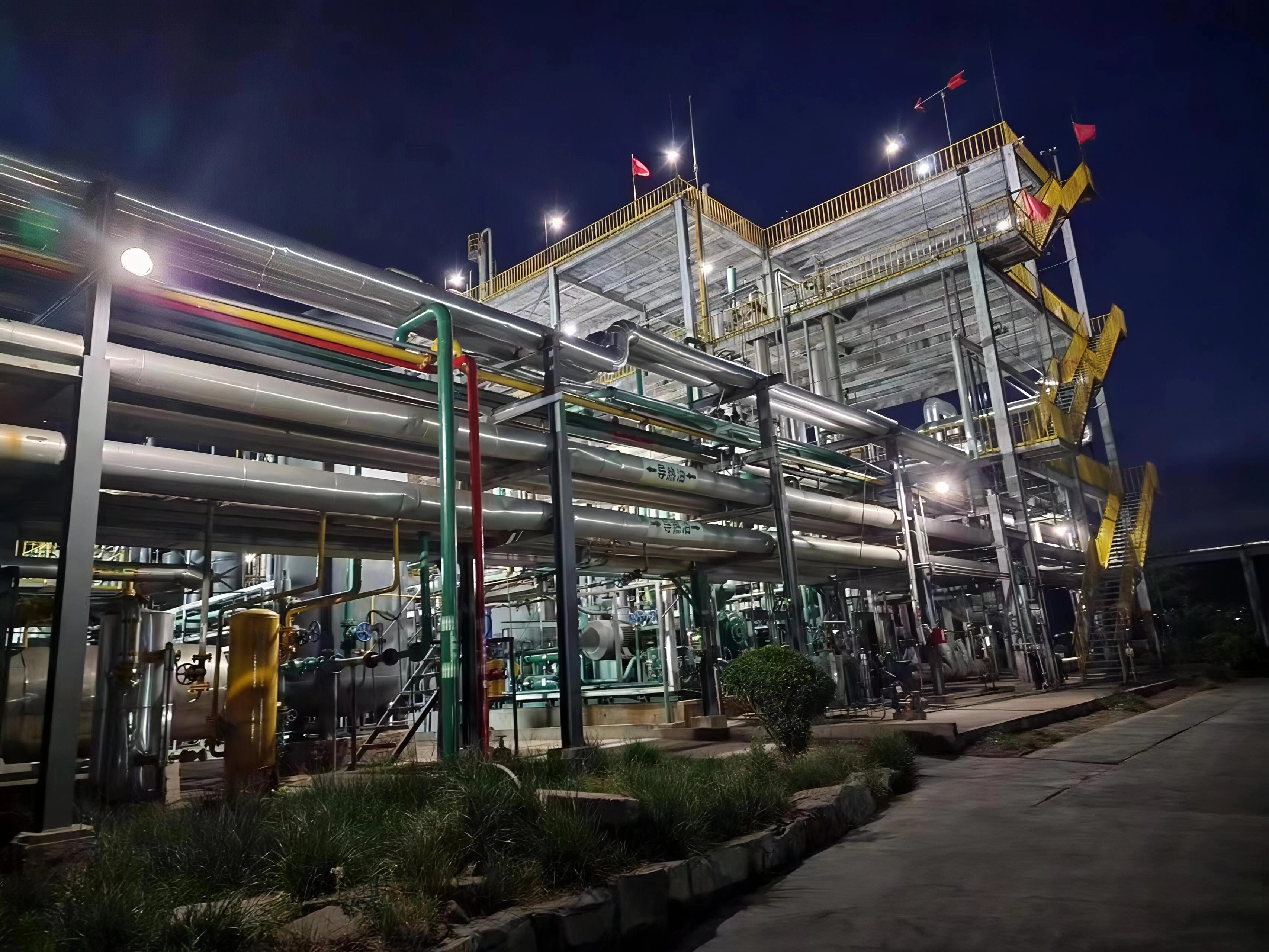
The method of synthesis and purification is the single biggest determinant of a solvent’s final quality profile. For Propylene Glycol Butyl Ether (PNB), two dominant production routes exist:
- Batch Distillation: Common among smaller producers; can lead to batch-to-batch variability in color (APHA) and water content if not carefully controlled. The risk is higher when raw material quality fluctuates.
- Continuous Refining / Column Distillation: Used by large-scale or specialized manufacturers like YunJian, this method allows precise control over temperature gradient and residence time. The result is a refined propylene glycol butyl ether with consistent purity, low color (APHA ≤ 10), and negligible odor carryover.
YunJian’s affiliated factory, Jiangsu Yunjian Chemical Technology Co., Ltd., employs advanced continuous distillation technology to produce high stability propylene glycol butyl ether. Their process is also adaptable for ink grade propylene glycol butyl ether and cleaning agent grade propylene glycol butyl ether, each with specific purity and solvency targets. The company’s Safety Data Sheet (SDS) compiled per UN GHS Revision 10 (certificate HGBZ2310SPO1) further demonstrates its commitment to global regulatory alignment.
Application-Driven Parameter Selection
Not every application requires the same spec stringency. Understanding where to draw the line can optimize total cost of ownership:
- Coatings & Inks: For high-gloss automotive or industrial coatings, a purity ≥99.5% with low water (<0.05%) is recommended to avoid haze, pinholes, or curing defects. YunJian’s PNB has been used successfully in OEM coating lines with “stable coating performance, improved quality” as reported by one satisfied buyer over a one-year partnership.
- Printing Inks: Solvent evaporation rate and resin compatibility are paramount. A propylene glycol butyl ether for printing inks should have a narrow boiling range and minimal non-volatile residue. YunJian’s ink grade PNB addresses these needs with a controlled odor profile.
- Industrial Cleaning: For degreasing formulations, higher water content is sometimes permissible, but consistent purity ensures repeatable cleaning cycles. The cleaning agent grade offered by YunJian balances performance with cost.
Supply Chain & Buying Considerations
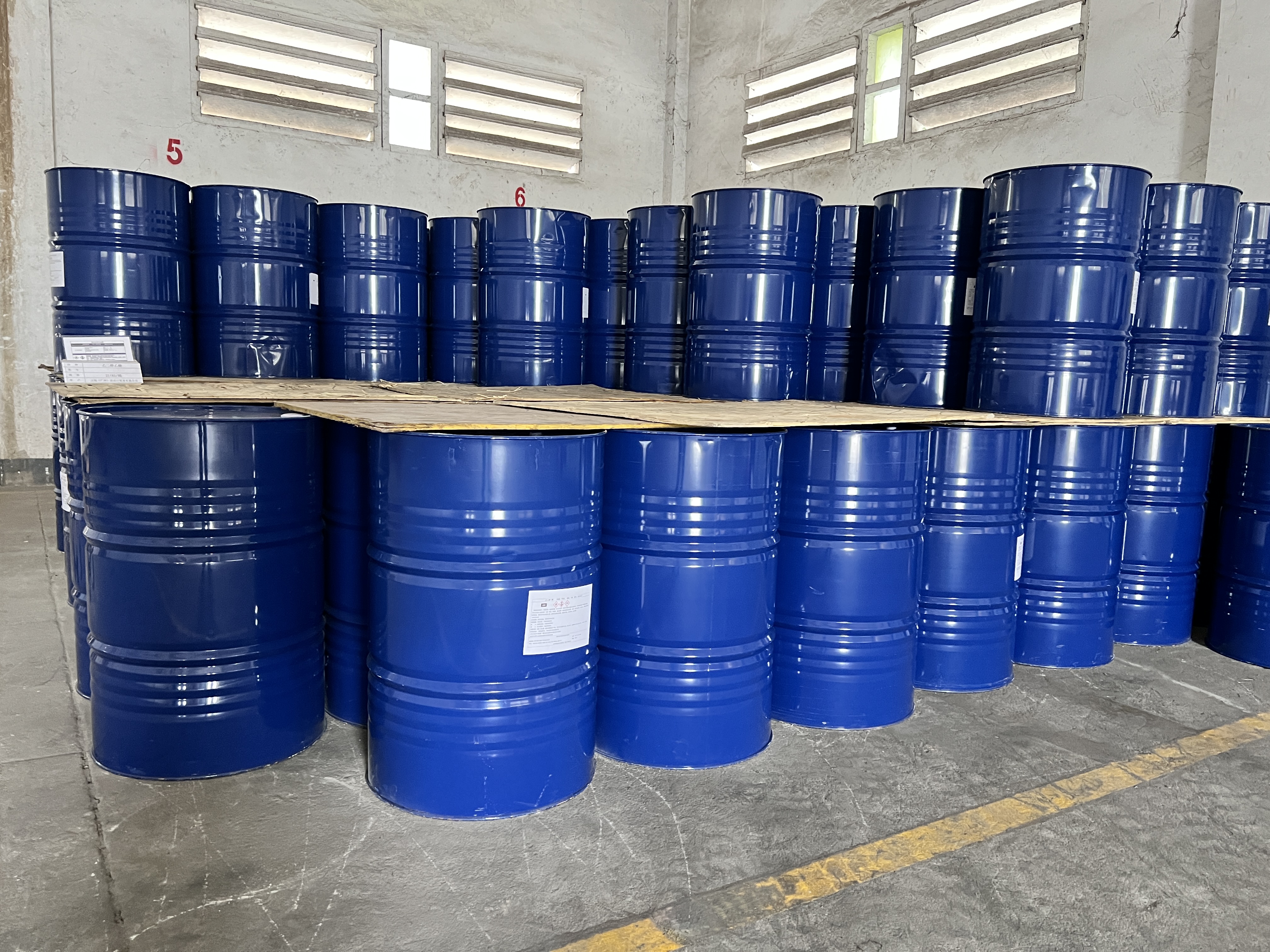
Beyond the spec sheet, buyers should evaluate supplier capabilities: production capacity, lead time, customization options, and testing rigor. YunJian offers OEM/ODM services, including private labeling and formulation adjustments. Their monthly capacity of 10,000 units (drums) and a typical lead time of 30-45 days provide reliable supply. Minimum order quantity is just 2 drums, making them accessible for both trial runs and bulk procurement.
Payment terms (30/70), FOB/CIF delivery, and pre-shipment testing acceptance give buyers flexibility. For a detailed look at their quality control system and product portfolio, download the company brochure below.
Future Outlook
With the global glycol ether market projected to grow at a CAGR of 5% through 2030, driven by solvent-based coating demand in Asia-Pacific, understanding propylene glycol butyl ether (PNB) technical parameters will become even more critical. Buyers who master spec interpretation and align with process-capable suppliers like YunJian will gain a competitive edge in formulation consistency and supply chain resilience.