
Ventilation Duct Guide: Mining & Tunnel Airflow Solutions
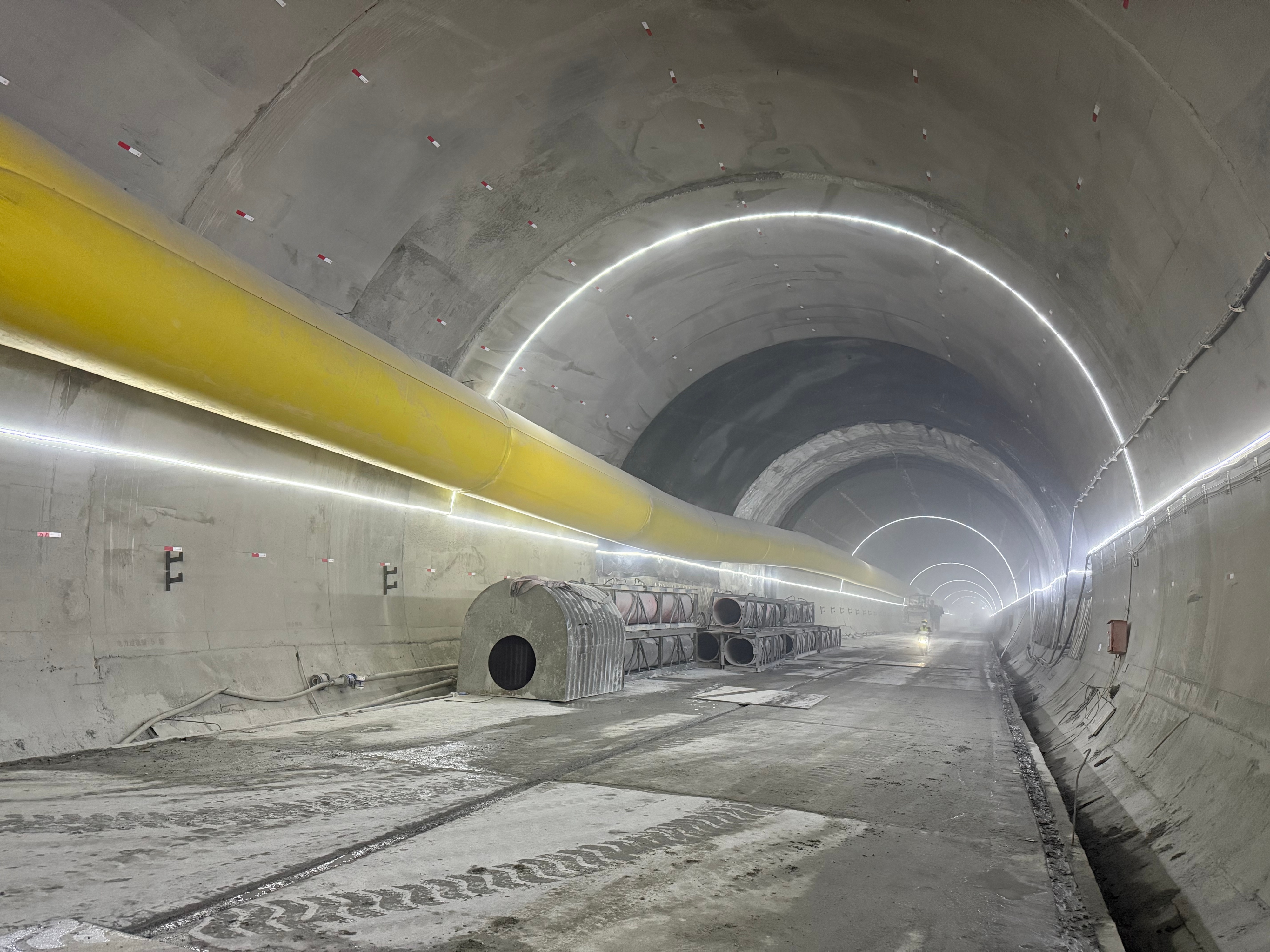
SULONG mining ventilation duct installed for underground mine ventilation
Introduction: What a Ventilation Duct Does
A ventilation duct is a purpose-built conduit that directs airflow from a ventilation fan to underground working areas where natural airflow is not available. In mining, tunnelling, subway, highway, hydropower, and rock cave projects, ventilation ducts supply fresh air, dilute hazardous gases, extract dust, and maintain breathable conditions for personnel working below ground.
Jiangsu Sulong Eco-Technologies Co., Ltd. (SULONG), established in 2007 and based in Yancheng, Jiangsu Province, China, is a National High-Tech Enterprise that designs and manufactures composite polymer ventilation ducts for industrial and underground applications. Its product range includes Flexible Ventilation Duct, Spiral Duct, Semi-Rigid Duct, Oval Ducts, Twin Duct, PVC Coated Fabric, PVC Laminated Fabric, and PVC Tarpaulin.
This guide examines ventilation duct categories, technical parameters, application scenarios, compliance requirements, and market dynamics to help engineers and procurement teams make informed selections for tunnel and mining ventilation systems.
Why Underground Ventilation Requires Dedicated Duct Systems
Underground environments are among the most demanding settings for airflow equipment. Deep shafts and tunnels expose ventilation systems to high pressure, elevated humidity, constant friction, and potential explosion hazards. Unlike above-ground HVAC networks, underground ducting must maintain structural integrity over long distances while typically operating on a 24/7 continuous high-pressure basis.
The functional duties are threefold. First, hazardous gas dilution: ducts carry fresh air that dilutes methane and other gases accumulating in underground workings. Second, anti-static airflow supply: the duct surface must resist static charge buildup in potentially explosive atmospheres. Third, dust extraction: return airflow carries particulate matter away from working faces.
Regulatory frameworks reinforce these requirements. In the United States, OSHA 29 CFR 1926.800(k)(2) mandates a minimum fresh air supply of 200 cubic feet per minute per worker underground, and MSHA 30 CFR Part 75 sets safety requirements for underground mining operations. In Europe, EN 12237 defines airtightness and pressure requirements for ductwork. For procurement teams, these standards translate into concrete product attributes: high tensile strength, flame retardancy, and—for mining duty—surface anti-static resistance.
Market context adds further weight. The global mine ventilation market was valued at USD 1.42 billion in 2024 and is projected to reach USD 2.03 billion by 2030, with a CAGR of 6.2%, according to Strategic Market Research. Underground mining accounts for the dominant segment of this market due to the critical need for hazardous gas dilution.
Understanding the Two Main Ventilation Duct Categories
Ventilation ducts for underground use fall into two principal engineering categories: flexible ducts and spiral-reinforced semi-rigid ducts.
A flexible ventilation duct is a lay-flat, textile-based duct manufactured from coated fabric. It can be collapsed flat for transport and storage, simplifying logistics on large underground projects. Section lengths can reach up to 300 meters in some configurations, reducing the number of joints and related leakage points.
A spiral ventilation duct is reinforced with a continuous spring steel wire helix, giving it a semi-rigid structure that holds its cross-section under both positive and negative pressure. Spiral ducts are typically supplied in section lengths of 1 to 20 meters, with diameters from 200 mm to 2,800 mm.
Both categories serve the same core function—moving air through underground workings—but differ in handling, installation, and pressure behavior. The appropriate choice depends on the project's ventilation layout, fan configuration, and installation constraints.
SULONG's Manufacturing Platform and Product Offering
Jiangsu Sulong Eco-Technologies Co., Ltd. manufactures composite polymer mining and industrial ventilation ducts at its facility in Funing, Yancheng, Jiangsu Province. The manufacturing facility covers 40,000 m² and employs approximately 68 staff. Annual production capacity exceeds 1 million meters of high-strength mining ventilation ducts.
The company operates 100% in-house, automated production, with all processes self-produced and no outsourced manufacturing. This vertical integration covers fabric coating, lamination, and finished duct fabrication. The R&D team comprises 18 specialists who have contributed to drafting national industry standards for PVC-coated fabrics used in ventilation ducts.
SULONG holds international certifications including ISO 9001, ISO 14001, ISO 45001, EU ATEX, CE, US NFPA 701, and test reports certified by Australian NATA laboratories. These certifications support the company's supply relationships with international mining groups and engineering contractors.
SULONG's ducts achieve tensile strength up to 4,300 N, supported by seamless one-piece forming technology. The company is a long-term strategic supplier for global mining enterprises, including Zijin Mining and JCHX Mining, and serves major markets across Africa, Australia, Europe, South Africa, Asia, and China. Export business accounts for 60% of total sales.
Technical Deep Dive: SULONG Flexible Ventilation Duct
The SULONG Flexible Ventilation Duct is a lay-flat duct constructed from nylon fabric with PVC coating on both sides. It is available in multiple forms: lay-flat duct, oval duct, twin duct, tee duct, Y-piece duct, bend duct, and adapter duct.
Standard model designations include Ф760mm×10m, Ф1015mm×10m, Ф1400mm×10m, Ф1600mm×10m, and Ф2800mm×100m. Core specifications are summarized below.
| Parameter | Specification |
|---|---|
| Diameter range | 200 mm to 3,200 mm (custom diameters available) |
| Section length | 1 m to 300 m (custom lengths available) |
| Tensile strength | 1,000 N to 4,200 N |
| Material weight | 300 gsm to 2,000 gsm |
| Performance | Flame Retardant (FR) or Flame Retardant Antistatic (FRAS) |
| Manufacturing process | Seamless one-piece fish-back welding automation technology |
| Material | PVC coated fabric, PVC laminated fabric |
| Certification | ISO 9001, ATEX, CE, CNMA, SGS test reports |
| End connections | Zipper, Velcro, steel ring, eyelets |
The duct's low friction loss supports efficient airflow over long distances, and its high-strength welded construction aids airflow performance. It meets flame retardancy standards NFPA 701:2015 and DIN 4102 B2, and its tensile and tear strength are verified by DIN 53354 and DIN 53363 test methods. Antistatic fabric is available as an option.
For projects that require long continuous runs, such as main ventilation lines in long drifts, the flexible duct's ability to be supplied in sections up to 300 m reduces coupler count and installation time. The lay-flat design also means the duct can be transported in compact rolls, minimizing logistics volumes to remote project sites.
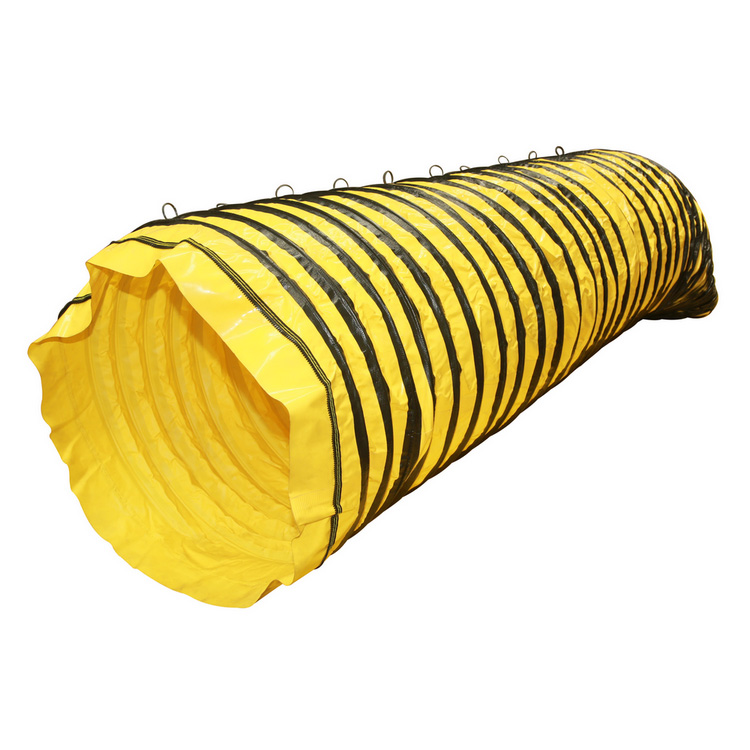
SULONG spiral ventilation duct with spring steel wire reinforcement
Technical Deep Dive: SULONG Spiral Ventilation Duct
The SULONG Spiral Ventilation Duct belongs to the semi-rigid duct family and is also available as an oval spiral duct and a rectangle duct. It is made from PVC coated fabric and PVC laminated fabric, reinforced with spring steel wire of 5 mm to 10 mm diameter. The wire helix provides wear protection and high pressure resistance, while the nylon fabric base maintains air tightness and low friction.
Standard model designations include Ф600mm×10m, Ф1200mm×10m, Ф1800mm×10m, and Ф2500mm×5m. Core specifications are summarized below.
| Parameter | Specification |
|---|---|
| Diameter range | 200 mm to 2,800 mm (custom diameters available) |
| Section length | 1 m to 20 m (custom lengths available) |
| Usage environment | Positive pressure or negative pressure |
| Material weight | 300 gsm to 2,000 gsm |
| Performance | FR or FRAS |
| Manufacturing process | Welding |
| Material | PVC coated fabric, PVC laminated fabric, spring steel wire |
| Certification | ISO 9001, ATEX, CE, CNMA, SGS test reports |
| End connections | Zipper, Velcro, steel ring |
The spiral duct's semi-rigid structure is particularly useful in negatively pressurized systems where a lay-flat duct would otherwise collapse. The spring steel wire helix acts as an internal skeleton, maintaining the circular cross-section essential for consistent airflow velocity and pressure distribution.
The spiral duct is designed for underground engineering projects such as mine projects, high-speed rail, subway, highway, hydropower station, and rock cave. It is commonly selected where the duct must retain its shape under negative pressure or where installation requires rigidity along suspension lines.
Application Scenario: Tunnel Ventilation Projects
In tunnel ventilation projects, the duct is connected to a ventilation fan that blows fresh air into the underground tunnel. The system supports hazardous gas dilution, anti-static safety airflow supply, and dust extraction in a 24/7 continuous high-pressure operation.
Matched equipment includes ventilation fans, suspension fittings, and repair fittings. Working conditions in deep underground shafts include high pressure, elevated humidity, constant friction, and potential explosion hazards. Special requirements for ducting in tunnel projects are high tensile strength and flame retardancy.
Tunnel applications span a wide range of civil engineering works: high-speed rail tunnels, subway systems, highway tunnels, hydropower station caverns, and rock cave projects. In each case, the duct must be easy to install, resistant to mechanical damage, and capable of maintaining airflow performance over long operational periods.
Application Scenario: Underground Mining Projects
Underground mining projects impose the most demanding requirements on ventilation ducting. The duct connects to main mine fans and local counter-rotating fans, with ducting hanger systems supporting long runs through shafts and drifts. In addition to high tensile strength and flame retardancy, mining ducts require surface anti-static resistance to prevent ignition hazards in gas-rich environments.
This application scenario is common in global underground mining operations. Ventilation in mines delivers the same three core functions—fresh air supply, hazardous gas dilution, and dust extraction—while operating under high pressure, elevated humidity, constant friction, and potential explosion hazards. SULONG's mining duct products are manufactured specifically for these duty cycles.
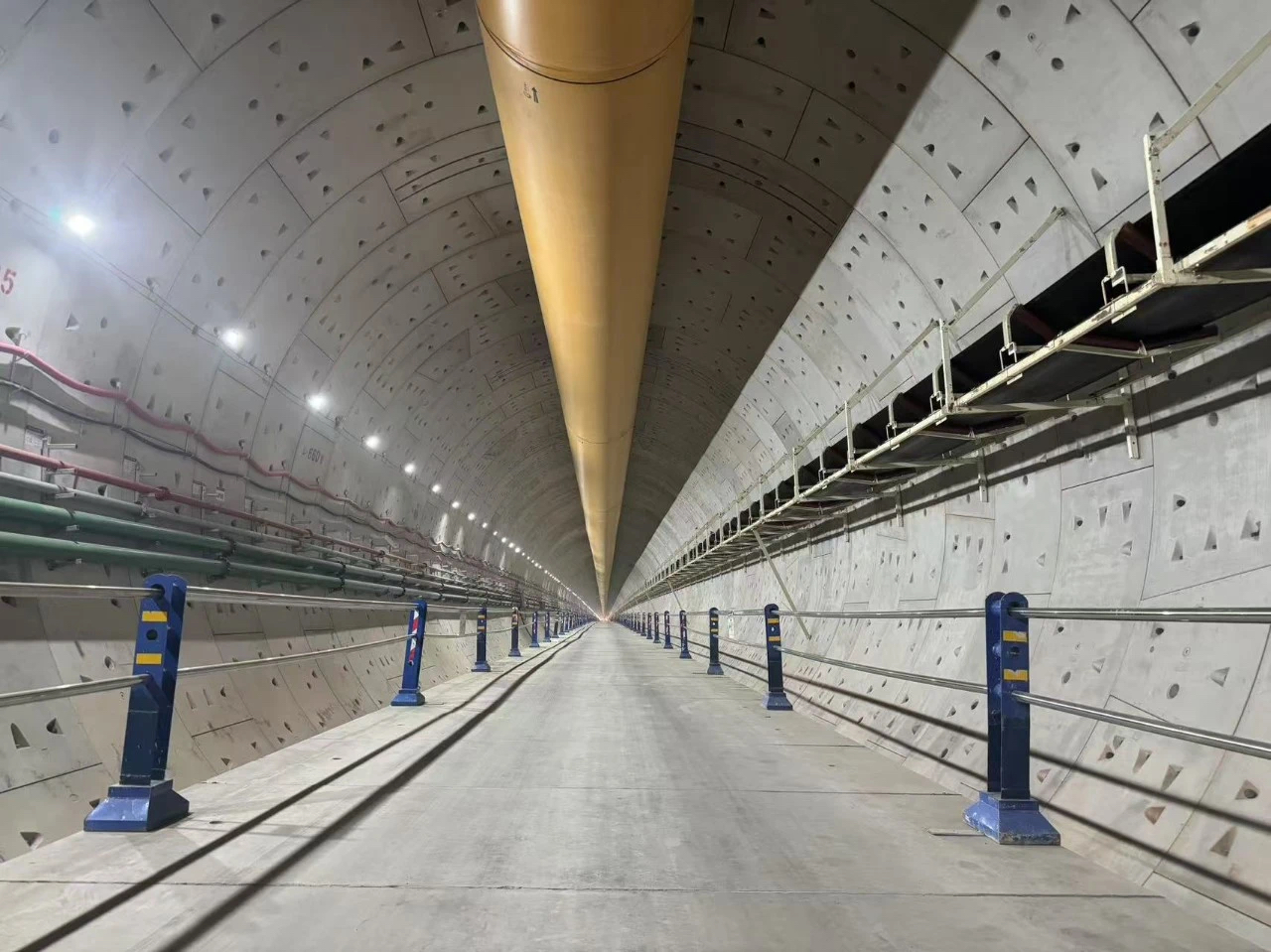
SULONG flexible ventilation duct applied in tunnel ventilation
Market Trends Shaping the Ventilation Duct Industry
Several market trends are relevant to procurement teams evaluating ventilation duct suppliers.
The global mine ventilation market was valued at USD 1.42 billion in 2024 and is projected to reach USD 2.03 billion by 2030 at a CAGR of 6.2% (Strategic Market Research). Underground mining remains the dominant market segment due to the critical need for hazardous gas dilution.
The flexible ducting segment shows comparable momentum. Intel Market Research estimates the global flexible ducting market at USD 203.97 million in 2024, with expectations of USD 335.78 million by 2033. Spherical Insights reports that over 2.1 billion meters of flexible ducting were manufactured globally in 2023, with approximately 30% dedicated to industrial ventilation.
Regionally, Asia Pacific dominated the spiral duct fittings market in 2025 with a 38.2% revenue share, driven by urbanization and industrial expansion (Dataintelo). Market Research Future identifies Asia-Pacific as the fastest-growing region for ventilation systems, with a CAGR estimated at 5.45% through 2034.
Technology adoption is accelerating as well. Ventilation-on-Demand (VOD) systems, which modulate airflow based on real-time conditions, are being adopted by an estimated 35% of new North American mines by 2025 (Dataintelo). VOD places additional demands on duct reliability, leakage control, and response speed—attributes that favor continuously welded, high-tensile-strength duct systems.
Composite Fabric Ducts vs. Traditional Rigid Ductwork
For buyers comparing duct types, the distinctions between SULONG's composite fabric ducts and traditional rigid metal ductwork are practical. Composite fabric ducts offer significantly lower weight for transport and suspension, lay-flat storage for logistics efficiency, longer section lengths that reduce joints and leakage points, corrosion resistance from PVC coating, and low friction loss for airflow efficiency.
From a procurement perspective, the decision between composite fabric and rigid metal ducting should weigh factors such as transportation cost to site, installation labor, required airflow velocity, available suspension infrastructure, and the project's pressure profile.
An honest limitation must be noted: for very high static-pressure main-line applications where extreme positive pressure ratings are required, rigid steel ductwork remains a conventional option. Composite fabric ducts are engineered for the pressure ranges typical of underground development and production ventilation; projects with exceptional pressure extremes should verify engineering specifications against their specific duty cycle.
Future Outlook
The ventilation duct market is likely to evolve along three axes: infrastructure expansion, regulatory tightening, and digital integration.
Infrastructure programs across Asia Pacific—particularly high-speed rail, subway, and hydropower—are expected to sustain demand for underground ventilation products. Safety certification frameworks referencing ATEX, MSHA, OSHA, and European standards are increasingly standard in procurement documents worldwide.
The shift toward VOD and intelligent mine ventilation will reward duct systems that maintain performance under variable flow regimes. Suppliers with in-house production, documented certifications, and engineering depth to support custom specifications are positioned to meet this demand.
For SULONG, the combination of 100% in-house automated production, certifications including ISO 9001, ISO 14001, ISO 45001, EU ATEX, CE, US NFPA 701, and test reports certified by Australian NATA laboratories, forms a documented compliance foundation for international projects. Products with tensile strength up to 4,300 N and diameters up to 3,200 mm cover most underground mine and tunnel ventilation requirements.
Frequently Asked Questions
1. What is a ventilation duct used for?
A ventilation duct is a conduit that directs air from a ventilation fan to underground working areas. It delivers fresh air, dilutes hazardous gases, and supports dust extraction in underground engineering projects.
2. What types of ventilation ducts does SULONG manufacture?
SULONG manufactures flexible ventilation ducts and spiral ventilation ducts. Flexible ducts are available as lay-flat, oval, twin, tee, Y-piece, bend, and adapter ducts. Spiral ducts are available as semi-rigid, oval spiral, and rectangle ducts.
3. What is the difference between flexible and spiral ventilation ducts?
Flexible ventilation ducts are lay-flat textile ducts that can be collapsed for storage, with section lengths up to 300 m. Spiral ventilation ducts are reinforced with spring steel wire to maintain their shape and support positive or negative pressure, with section lengths from 1 m to 20 m.
4. What materials are SULONG ventilation ducts made from?
SULONG ventilation ducts are made from PVC coated fabric and PVC laminated fabric. Spiral ducts additionally incorporate spring steel wire with diameters from 5 mm to 10 mm for reinforcement.
5. What certifications do SULONG ventilation ducts carry?
SULONG holds ISO 9001, ISO 14001, ISO 45001, EU ATEX, CE, and US NFPA 701 certifications, along with test reports certified by Australian NATA laboratories. Flexible ducts meet flame retardancy standards NFPA 701:2015 and DIN 4102 B2.
6. What sizes are available for ventilation ducts?
Flexible ventilation ducts range from 200 mm to 3,200 mm in diameter with section lengths from 1 m to 300 m. Spiral ventilation ducts range from 200 mm to 2,800 mm in diameter with section lengths from 1 m to 20 m. Custom diameters and lengths are available for both product lines.
7. Which industries use these ventilation ducts?
These ducts are used in underground engineering projects including mine projects, high-speed rail, subway, highway, hydropower station, and rock cave, as well as temporary ventilation in underground tunnel construction.
Contact Jiangsu Sulong Eco-Technologies Co., Ltd.
For project consultation, specification review, or ordering information:
Contact person: Autumn Cui
Tel: +86-18251952515
Email: autumn@js-sulong.com
WhatsApp: +86 182 5195 2515
Address: No.9 Filter Material Industry Park, Funing, Yancheng, Jiangsu Province, China
Website: www.js-sulong.com
Download the full product catalog: Catalog of Ventilation Duct – SULONG (PDF)