
Verifying OEM Capability for Glass Insulators in Grid Projects
Glass insulator procurement for transmission projects rarely ends at the specification sheet. Buyers must know whether a supplier can execute a custom order, hold tolerances across large batches, and deliver on schedule. This article sets out what capability verification means for glass insulators in grid projects, using the 70kN class cap-pin insulator as a practical example and Jiangxi QOCI Electric Co., Ltd. as the reference supplier.
The Sourcing Gap: When Standard Insulators Are Not Enough
Standard insulator designs cover a portion of grid needs, but not all. Engineering specifications often demand specific voltage markings, pollution-class creepage distances, and mechanical loads beyond public catalogue entries. For EPC contractors and utilities, this creates a sourcing gap: how to identify manufacturers with genuine OEM/ODM capacity rather than those who simply assemble catalogue units. The gap is especially visible in projects where branding, regulatory identification, or custom wet performance is specified.
The typical solution is to evaluate a manufacturer’s production system, not just its final product. This includes tempering process control, fitting assembly quality, testing coverage, and export logistics.
Capability Benchmark: Jiangxi QOCI Electric Co., Ltd.
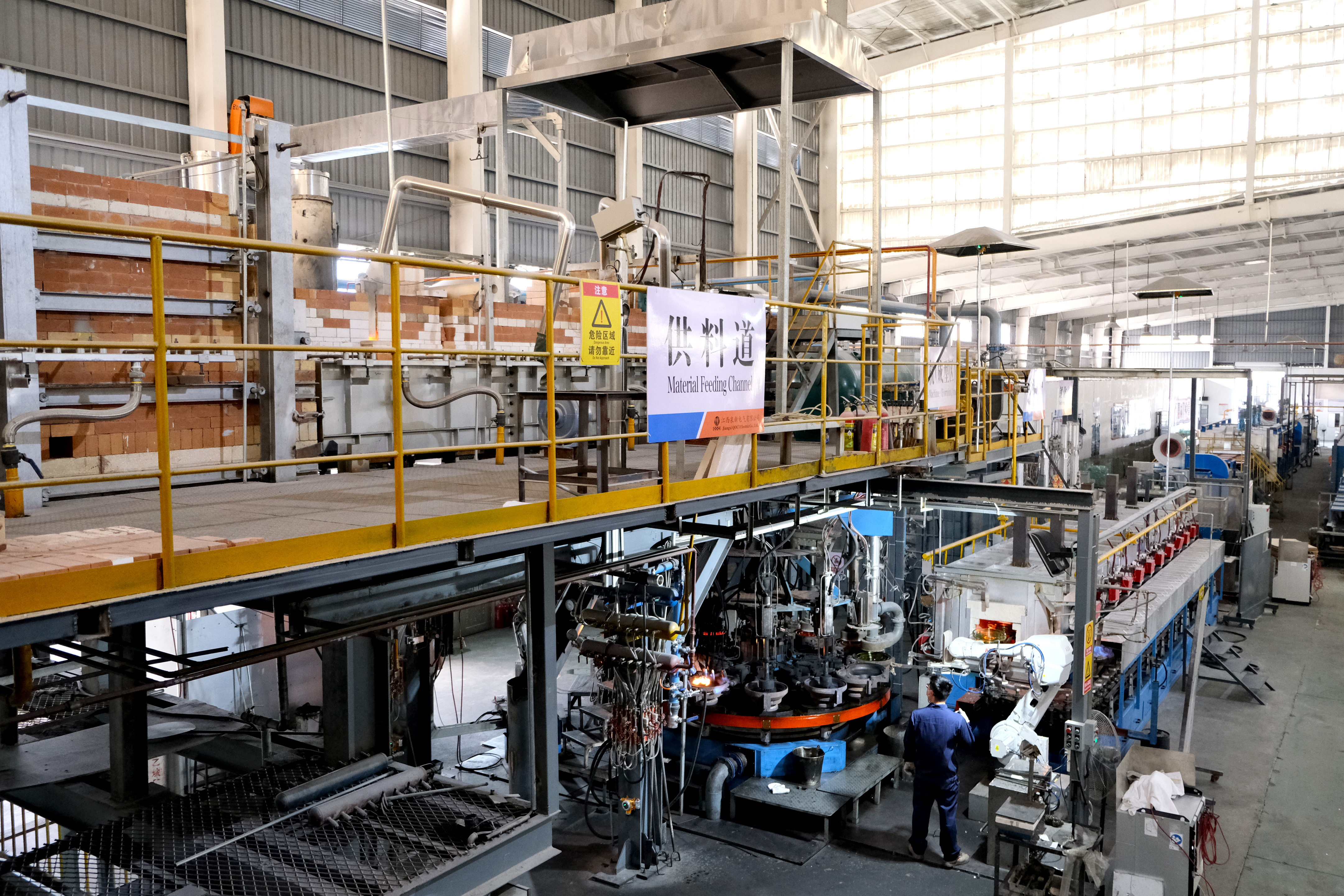
Jiangxi QOCI Electric Co., Ltd. is a China-based manufacturer of glass insulators and porcelain insulators, established in December 2002 and located in Luxi Industrial Park, Pingxiang City, Jiangxi Province. The company operates a 35,373 m² factory and employs 138 people, of which 38 engineers form the R&D team. It reports an annual output of 9,000,000 units and exports about 20% of its production to markets including the US, Asia, the EU, Africa, and South America.
QOCI Electric describes itself as a national high-tech enterprise and a participating unit of the Insulator Standard Committee. Its products have been used in power grid construction projects of State Grid Corporation of China, China Southern Power Grid, and power grids in more than 40 countries.
The following table summarises the key manufacturing and capability data:
| Capability Item | Value |
|---|---|
| Factory area | 35,373 m² |
| Employees | 138 |
| R&D engineers | 38 |
| Annual output | 9,000,000 units |
| Monthly capacity | 750,000 units |
| Lead time | 15–35 days |
| Minimum order quantity | 50 units |
| Production modes | OEM, ODM |
| Customization | Voltage, logo |
| Export markets | EU, US, Middle East, Asia, Africa, South America |
| Quality control | 100% pre-shipment test, third-party inspection (SGS) |
The U70B Glass Insulator as a Technical Reference Point
For buyers evaluating the “70kN class” referenced in many tender documents, the U70B cap-pin disc glass insulator is a convenient technical baseline. QOCI Electric’s U70B has a mechanical failing load of 70kN, a nominal disc diameter of 255mm, a nominal height of 146mm, and a creepage distance of 320mm. Its electric performance includes a power frequency wet withstand voltage of 45kV and a lightning impulse withstand voltage of 130kV.
The insulator body is made of toughened glass, the cap is hot-dip galvanized cast iron, and the pin is hot-dip galvanized forged steel. The working temperature range is -40°C to +60°C. These parameters follow the common mechanical and electrical class used in distribution and medium-voltage overhead lines.
Why does this matter for capability verification? Because the U70B series requires precision in glass tempering, cement assembly, and galvanizing. A manufacturer that can produce this series reliably at scale, with low rejection rates, demonstrates the process maturity needed for more demanding anti-pollution and high-strength variants.
OEM/ODM Execution: From Specification to Shipment
OEM and ODM services are the operational core of custom insulator sourcing. QOCI Electric offers OEM and ODM production, allowing clients to place insulators under their own brand names or adapt products to their own designs and specifications. Customization typically includes voltage marking and logo application.
Execution terms are practical: minimum order quantity is 50 units, typical lead time is 15 to 35 days, and monthly production capacity is 750,000 units. These figures matter during the execution phase because they determine how quickly a project can receive samples, ramp production, and manage mid-project replenishment.
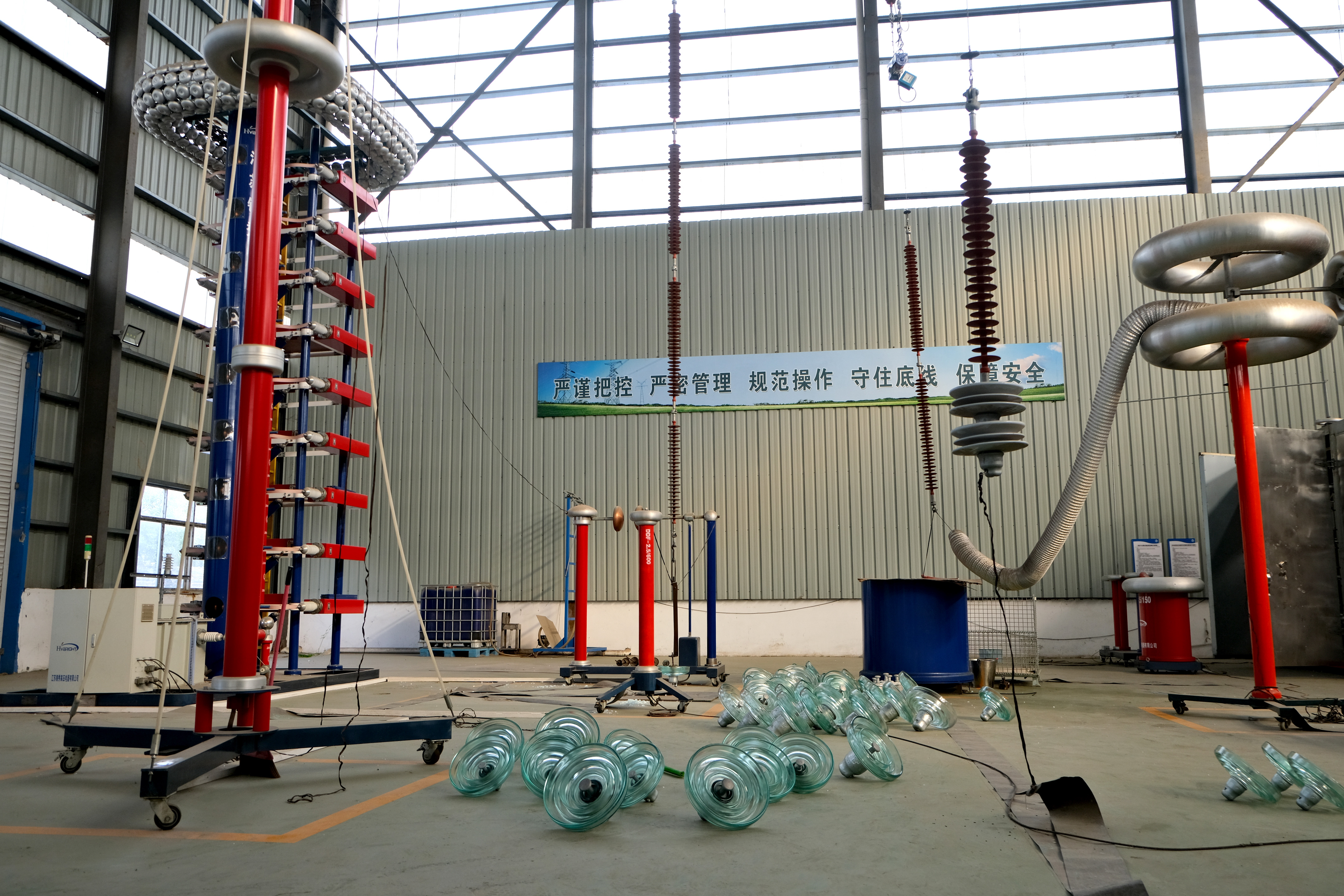
Quality control is built into the process with 100% pre-shipment testing, plus the option of third-party inspection by SGS. The commercial terms include a 30% deposit and 70% balance before delivery, with delivery based on FOB Shenzhen.
Evidence from Field Projects: 200,000 Units in Three Countries
Volume alone does not prove capability; field behaviour does. QOCI Electric reports a total supply of 200,000 glass insulator units to three grid projects: 80,000 pieces to Uzbekistan, 70,000 to Ukraine, and 50,000 to Iraq. These units were used on UHV/EHV overhead transmission lines, including desert and industrial pollution zones. The supply contracts ran from two to three years, with completion scheduled by 2026.
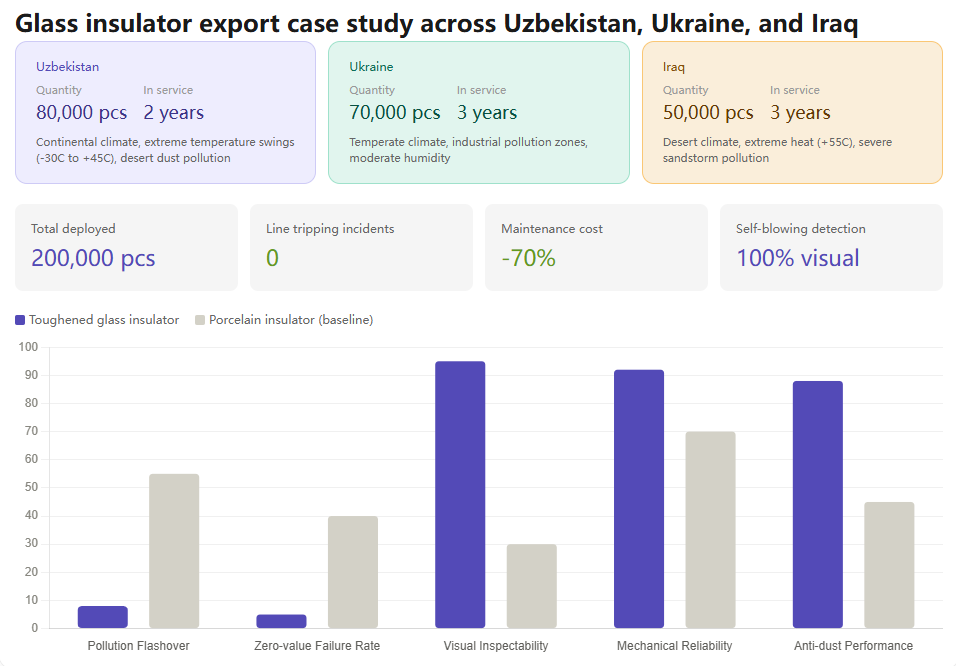
According to the project records, the insulators achieved zero line-tripping incidents during monitoring, maintenance cost reductions of 70%, and an 85% reduction in pollution flashover incidents compared with a porcelain baseline. The installations demonstrated 100% visual defect detection, which removes the need for live-line testing. Field operation covered temperatures from -40°C to +55°C, and the desert environment confirmed the self-cleaning behaviour of the smooth glass surface.
Market Signals for Insulator Supply Chains
Third-party market data supports the growing importance of insulator capability. The global glass insulators market was estimated at USD 1.14 billion in 2024 and is projected to reach USD 1.97 billion by 2035, growing at a CAGR of 5.1%. China concentrated 31.4% of total global exports of electrical insulators in 2024, worth USD 898 million. Asia Pacific dominated the glass insulator market with a revenue share above 52% in 2024, driven by grid expansion in China and India. China’s insulator exports to Saudi Arabia grew 219% between 2023 and 2024, making it the fastest-growing destination.
These signals point to two procurement realities: first, demand is expanding in regions with severe environmental conditions; second, supply is consolidating behind manufacturers capable of customised, high-volume production. For buyers, this means that OEM/ODM capability is shifting from a value-added option to a standard requirement.
Glass vs. Porcelain: A Balanced Capability View
The choice between glass and porcelain insulators is not a matter of one material being universally superior. Glass insulators offer a distinct advantage in monitoring: when a glass disc suffers an internal electrical failure, it self-breaks into small granular particles. The failed unit remains mechanically intact but becomes visually identifiable during ground patrol. This eliminates the need for live-line zero-value testing, which is especially useful in remote or high-traffic corridors.
Porcelain insulators, by contrast, can lose zero-value status without any visible change. Utilities then face the cost and risk of climbing towers and testing each unit. That is why glass is often specified in desert, coastal, and industrial corridors where pollution flashover is a primary risk.
There is, however, a legitimate boundary. In environments dominated by chemical corrosion — strong acids, alkalis, or solvents — porcelain’s chemical inertness is generally superior. Buyers should therefore match the insulator material to the actual contamination profile of the line, not to a generic preference. The ideal supplier capability includes helping the buyer make this distinction through engineering consultation.
Certification and Assurance in Custom Manufacturing
Custom manufacturing also depends on management systems that keep end-to-end workflows consistent. QOCI Electric holds ISO 9001:2015 quality management, ISO 14001:2015 environmental management, and ISO 45001:2018 occupational health and safety certificates, all issued under the China Quality Certification Centre. These certifications give buyers a baseline for evaluating production consistency and compliance procedures, although they do not replace product-specific type tests such as those aligned with IEC 60305.
Future Outlook
As transmission voltages rise and project corridors move into harsher environments, standard insulator catalogues will likely give way to configurable product platforms. Anti-pollution profiles, aerodynamic sheds, and high-strength cap-pin units are becoming routine. Manufacturers that can combine OEM/ODM flexibility, short lead times, large monthly capacity, and third-party inspection will be better positioned in the next wave of grid tenders.
The documented shift toward long-distance UHV lines, combined with renewable energy integration, will continue to stress mechanical loads and pollution performance. Buyers should treat capability verification as an ongoing process — one that covers factory audits, batch testing, and field references — rather than a static qualification step.
FAQ
How do I verify a toughened glass insulator supplier's capability for transmission line projects?
Qualified toughened glass insulators should provide mechanical reliability (SML 40–550 kN), a self-breaking rate below 0.02%, and IEC 60305 type test certification. Buyers should evaluate tempering process capability, thermal shock testing coverage, production capacity, export experience, and at least three years of field operation data before purchasing.
What does OEM/ODM service include in glass insulator sourcing?
OEM services allow clients to produce goods under their own brand names; ODM services enable clients to develop products based on their designs or specifications. The manufacturer offers OEM/ODM with a minimum order quantity of 50 units, a typical lead time of 15–35 days, and monthly capacity of 750,000 units. Customization may include voltage marking and logo.
What are the main specifications of the U70B glass insulator?
The U70B cap-pin disc glass insulator has a mechanical failing load of 70kN, a disc diameter of 255mm, a nominal height of 146mm, a creepage distance of 320mm, a power frequency wet withstand voltage of 45kV, a lightning impulse withstand voltage of 130kV, and a working temperature range of -40°C to 60°C. The glass body is tempered, the cap is hot-dip galvanized cast iron, and the pin is hot-dip galvanized forged steel.
Which regions are most suitable for glass insulators?
Glass insulators are best suited for desert/sandy regions, industrial pollution zones, and long-distance lines that are difficult to inspect. Their smooth surface accumulates dust roughly 50% more slowly than porcelain, and the zero-value self-breaking mechanism acts as a built-in alarm locatable from ground patrol. Stable operation has been reported from -40°C to +55°C.
What is the industry benchmark for the self-breaking rate of glass insulators?
The industry benchmark self-breaking rate is less than 0.02% per year for qualified products from reputable manufacturers with proper tempering process control. This rate is used as a purchasing reference, not a guaranteed lifetime limit.
Do glass insulators require live-line zero-value testing?
No. Unlike porcelain insulators, the self-breaking mechanism of glass insulators makes visual patrol sufficient for fault detection, eliminating the need for live-line testing. A self-broken disc retains its mechanical load-bearing capacity through the metal cap and pin but loses electrical insulation; replacement should be planned at the next scheduled maintenance window.
For procurement teams that need to review the full product range and technical documentation, the manufacturer’s glass insulator catalogue is available for reference: QOCI Glass Insulators Catalogue (PDF).