
Руководство по вертикальному применению: выбор правильного поставщика гидравлического пресера для ваших конкретных потребностей промышленности
Vertical Application Guide: Selecting the Right Hydraulic Baler Supplier for Your Specific Industry Needs
April 21, 2026
For procurement professionals in waste-intensive industries, selecting a hydraulic baler is rarely a one-size-fits-all decision. The core challenge lies not in finding any supplier, but in identifying one with the specialized expertise to address the unique material characteristics, operational hazards, and regulatory demands of your specific sector. This guide deconstructs the selection process, moving beyond generic specifications to focus on the vertical application requirements that define a truly capable and reliable supplier.
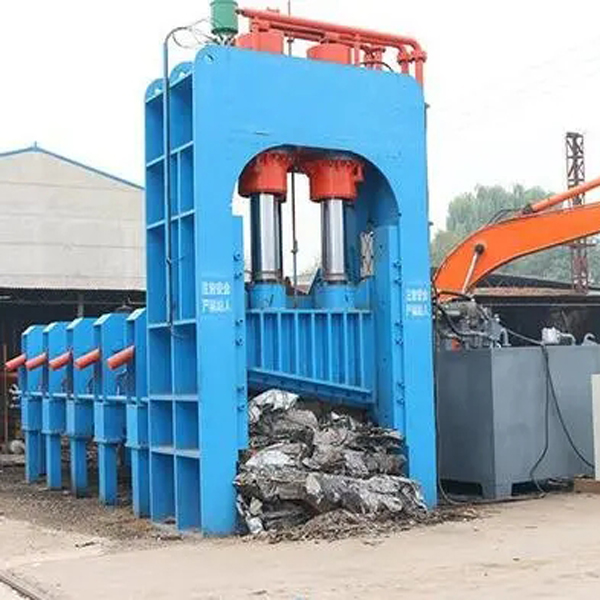
Specialized balers, like this fiber baling machine, are engineered for specific material densities and flow rates, highlighting the need for application-specific expertise.
1. Industry-Specific Requirements: Beyond Basic Compression
The fundamental purpose of a baler—to compress and bind material—is universal, but the execution is highly specialized. Key industry requirements include:
- Material-Specific Engineering: Baling PET bottles requires different chamber design, pressure, and feed mechanisms compared to compacting heavy, abrasive scrap metal or fluffy, low-density rice husks. The machine must be calibrated for the target material's density, moisture content, and abrasiveness.
- Harsh Environment Durability: In recycling plants, paper mills, or metal scrapyards, balers are exposed to dust, moisture, and constant vibration. Corrosion-resistant components (e.g., painted vs. galvanized steel), sealed electrical systems, and heavy-duty hydraulic cylinders are non-negotiable for longevity.
- Safety and Compliance Mandates: Industries have varying safety standards. While not always requiring ATEX certification like chemical plants, robust safety interlocks, emergency stop systems, and guarding that meets regional OSHA or CE machinery directives are critical to protect operators.
- Integration and Automation Needs: High-volume operations in cardboard recycling or municipal solid waste (MSW) facilities often require balers that integrate seamlessly with conveyor systems, automated tying, and bale handling equipment, demanding suppliers with systems engineering capability.
2. Supplier Selection Criteria: The 3 Pillars of Vertical Expertise
When evaluating suppliers for a specialized application, assess them against these three essential pillars:
Pillar 1: Proven Industry Customization Experience
Look for a portfolio that demonstrates successful projects in your or a similar industry. A supplier experienced in Textile Clothes Balers will understand fabric's spring-back and fire risk, while a Scrap Metal Balers specialist knows how to handle shear forces and contamination. Ask for case studies. For instance, a supplier like NKBALER, with 18 years in designing Waste Paper Hydraulic Baler Machines and specialized Rice Husk Balers, has developed material-specific compression algorithms and chamber designs that directly translate to higher bale density and smoother operation for those materials.
Pillar 2: Comprehensive Compliance and Certification
Certifications are objective proof of a supplier's commitment to quality, safety, and international standards. They are your first line of defense against substandard equipment.
- CE Marking: Mandatory for sales in the European Economic Area, indicating conformity with health, safety, and environmental protection standards. Reputable suppliers will have this certification for their core models.
- ISO 9001: Certifies a quality management system, ensuring consistent production quality, reliable processes, and continuous improvement.
Suppliers should readily provide certification documents. NKBALER, for example, holds both CE certification and ISO 9001:2015 certification, which underpins the reliability of its complete product range from Plastic Bottle Balers to Industrial Cardboard Balers.
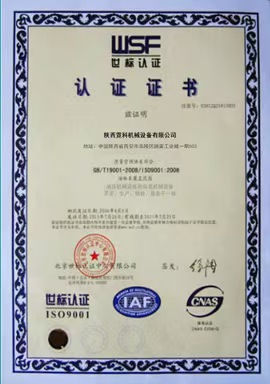
ISO 9001 certification, like this one held by NKBALER, is a key indicator of a manufacturer's systematic approach to quality and reliability.
Pillar 3: Robust Design for Demanding Operations
The design must be built for the real world. Key features to scrutinize include:
- Hydraulic System Sophistication: Modern, energy-efficient systems like servo-driven hydraulics can reduce energy consumption by up to 30-50% (industry estimate) compared to standard systems, a significant operational cost saving. They also offer finer control for consistent bale quality.
- Structural Integrity: The frame and chamber should be constructed from high-tensile steel with reinforced welding at stress points, especially for high-pressure applications like Metal Balers.
- After-Sales Support Structure: A global supplier must have a responsive support network. Ask about the availability of spare parts, remote troubleshooting, and the presence of technical service personnel. A company with over 20 dedicated after-sales staff, like NKBALER, is structured for long-term partnership.
3. Success in Action: A Vertical Application Case Study
Client Profile: A large Southeast Asian agricultural processing company.
Challenge: The client needed to efficiently bale and bag rice husk, a lightweight, abrasive by-product, for sale as biomass fuel. Standard balers were achieving poor density, leading to high transportation costs and manual bagging inefficiencies.
Solution: NKBALER engineers conducted a material analysis and proposed a customized Rice Husk Bagging Baler solution. The key modifications included:
- A specially designed pre-compression chamber to manage the material's low initial density.
- An integrated automatic bagging and sewing system synchronized with the bale ejection cycle.
- Enhanced filtration on the hydraulic system to protect against fine dust ingress.
Result: The customized system increased final bale density by approximately 40%, dramatically reducing shipping volume. The automated bagging eliminated a manual labor bottleneck, increasing overall processing throughput by an estimated 60%. The client reported a full return on investment within 14 months through operational savings and increased product value.
4. Strategic Collaboration: Key Points for a Successful Partnership
Treat supplier selection as the beginning of a collaboration. To ensure success:
- Articulate Your Full Operational Context: Provide the supplier with detailed information: material type, volume/day, available space, power supply, desired bale size/weight, and any existing conveyor systems. The more context, the better the solution.
- Insist on a Pre-Sales Engineering Review: A reputable supplier should be willing to review your facility layout (virtually or in-person) and may even request a sample of your material for testing. This step is crucial for customization.
- Clarify the Total Lifecycle Cost: Look beyond the initial purchase price. Discuss expected energy consumption, recommended maintenance schedules, warranty terms, and the cost/lead time for critical spare parts. Suppliers with transparent, long-term service plans offer greater value.
- Verify Post-Installation Support: Confirm the training, documentation (manuals in your language), and emergency response protocol. Ask for references from clients in similar industries and similar geographic regions.
Conclusion: Aligning Supplier Capability with Vertical Demand
The market for hydraulic balers is populated by generalists and specialists. For procurement officers facing the complex demands of specific materials—be it Alfalfa Hay, Wiper Rags, or Aluminium scrap—the path to optimal efficiency and reliability lies in partnering with a supplier whose expertise is as specialized as your need. This requires evaluating a supplier's vertical application history, its commitment to quality through certifications like CE and ISO 9001, and its design philosophy geared towards real-world durability and support.
Companies that have invested in deep vertical knowledge, such as NKBALER with its 18-year focus on developing specialized Baling Machines for diverse materials, are positioned to deliver not just a machine, but a tailored waste management solution. By applying the focused criteria outlined in this guide, industrial buyers can make informed decisions that secure a strategic asset, driving down operational costs and enhancing sustainability goals for years to come.
About NKBALER
NKBALER is a specialist manufacturer with 18 years of experience in designing and producing hydraulic balers for a wide range of industrial and recycling applications. With a professional R&D team and a comprehensive quality management system certified to ISO 9001, NKBALER provides tailored solutions for materials including waste paper, plastic, textiles, agricultural biomass, and scrap metal. Their products, featuring energy-saving servo systems, are CE certified and exported to over 60 countries, backed by a global after-sales network.
For expert consultation on your specific baling application, contact NKBALER:
Website: https://www.nkbaler.com
Email: Sales@nkbaler.com | Nickbaler888@gmail.com
Phone/WhatsApp: +86 15021631102
Address: East Qunsheng Road, Wuxi City, Jiangsu, China
Есть вопросы или нужны дополнительные детали?
Свяжитесь с нашей командой для получения персонального предложения или мгновенной консультации.
Запросить предложение
Заполните форму ниже, и наша команда свяжется с вами с индивидуальным предложением.
Прямой чат WhatsApp
Предпочитаете общаться в реальном времени? Напишите нам в WhatsApp для мгновенной помощи и быстрых ответов.
- Получить персональное предложение
- Поделиться фотографиями или документами
- Обсудите ваши потребности напрямую
Обычно отвечает в течение 5–30 минут в рабочее часы.