
Руководство по закупкам вертикальных приложений: выбор правильного поставщика гидравлических прессов для различных потребностей промышленности
Introduction: The Challenge of Specialized Baling
For procurement professionals in waste-intensive industries, selecting a hydraulic baler is rarely a one-size-fits-all decision. The core challenge lies not just in finding a machine that compresses, but in identifying a supplier capable of engineering solutions that meet stringent, industry-specific operational, safety, and regulatory demands. A standard cardboard baler is ill-suited for abrasive metal chips, and a generic plastic baler may fail under the continuous, high-volume demands of a municipal solid waste (MSW) facility. This guide is designed to navigate these complexities, providing a structured framework for evaluating and selecting a hydraulic baler supplier that aligns with your unique vertical requirements, leveraging insights from industry leaders like NKBALER with its 18 years of specialized experience.
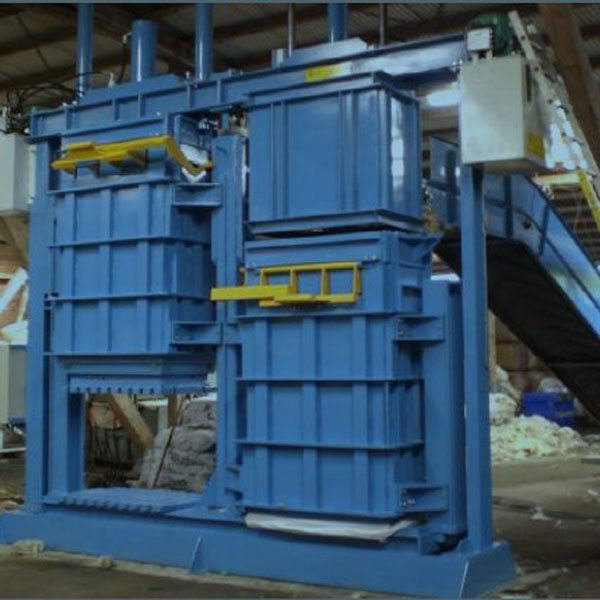
1. Industry-Specific Core Requirements for Hydraulic Balers
Understanding the unique pressures of your sector is the first critical step. Here are key requirements across major verticals:
Scrap Metal & Automotive Recycling
- Extreme Pressure & Durability: Machines must generate immense force (often 100+ tons) to densify tough metals like steel, aluminum, and copper. Structural components require high-grade steel (e.g., Hardox) to resist deformation.
- Abrasion & Contamination Resistance: Cutting blades and chamber liners need specialized hardening to withstand constant contact with sharp, dirty metal fragments.
- Safety & Automation: Fully automated feeding and tying systems minimize manual handling of hazardous materials.
Plastics & PET Bottle Recycling
- High-Volume Throughput & Consistency: Balers must process lightweight but bulky materials continuously, requiring efficient feed systems and consistent bale density for optimal logistics.
- Contamination Handling: Designs must account for residual liquids (in bottles) and mixed polymer streams without compromising hydraulic systems.
- Bale Integrity for Export: Bales must be tightly packed and uniform to meet international recycling commodity standards.
Paper, Cardboard & Fibrous Materials
- Dust Control & Filtration: Integrated dust suppression systems are crucial for operator health and preventing electrical fires in balers handling cardboard (Cardboard Balers) or paper.
- Variable Material Density: Solutions must adapt from loose office paper to densely packed corrugated cardboard without frequent adjustments.
- Energy Efficiency: Given the high daily cycles, energy-saving hydraulic systems (like servo systems) significantly reduce operational costs.
Agricultural & Biomass (Rice Husk, Straw, Wood Shavings)
- Resilience to Organic Matter: Balers like Rice Husk Balers or Wood Shaving Balers must resist moisture and corrosive byproducts from organic decay.
- Low-Density Compression: Specialized chamber designs and compression cycles are needed to efficiently handle fluffy, low-specific-weight materials.
- Portability & Field Use: For applications like silage or hay, mobile or semi-stationary balers (Silage Baling Press) are often required.
Textile & MSW (Municipal Solid Waste)
- Versatility & Toughness: MSW Balers and Wiper Rag Balers handle highly heterogeneous, often non-uniform material streams that can include textiles, plastics, and miscellaneous waste.
- Hygiene & Cleanability: Easy-clean designs with accessible chambers help maintain sanitation standards.
- High Uptime & Reliability: Downtime in high-volume MSW transfer stations is extremely costly, demanding robust, low-maintenance designs.
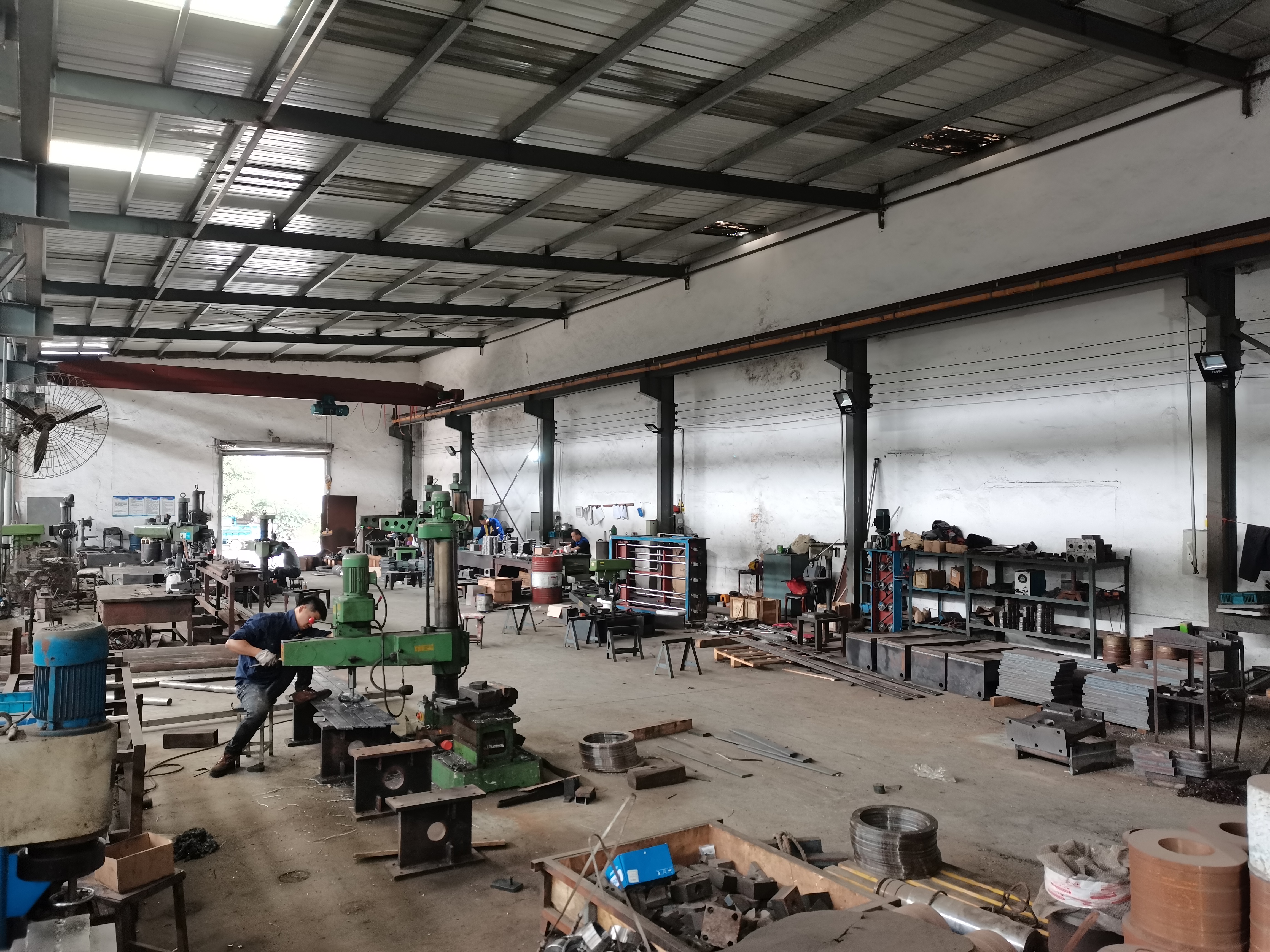
2. The 3 Essential Capabilities of a Specialized Baler Supplier
Beyond a standard catalog, your chosen partner must demonstrate these core competencies:
A. Proven Industry Customization Experience
Look for a portfolio that shows adaptation, not just application. A supplier like NKBALER exemplifies this, having evolved its standard horizontal baler into specialized variants for over 60 countries. This experience translates into practical design tweaks—such as reinforced doors for metal baling, specialized feed hoppers for long textile strips, or corrosion-resistant coatings for biomass processing. Ask for case studies specific to your material. For instance, NKBALER's development of a Rice Husk Bagging Baler that integrates compression and automated bagging in one unit solves a specific logistical pain point for agricultural processors.
B. Comprehensive Compliance & Certification
Certifications are non-negotiable benchmarks of safety, quality, and market access. They should be verifiable and relevant.
- CE Marking: Essential for the European market, indicating compliance with EU health, safety, and environmental standards. NKBALER holds multiple CE certificates for its baler range.
- ISO 9001:2015: Demonstrates a certified quality management system, ensuring consistent manufacturing and process control. NKBALER is ISO 9001 certified.
- Other Industry-Specific Certificates: Depending on the region and application, certificates like TUV or specific supplier assessments (as held by NKBALER) add further credibility.
Always request to see the actual certificates, not just claims.
C. Engineering for Harsh Environments & Longevity
The true test of a baler is its performance in demanding conditions over years. Key engineering differentiators include:
- Advanced Hydraulic Systems: The heart of the machine. Suppliers investing in proprietary systems, like NKBALER's independently developed hydraulic servo and energy-saving systems, offer tangible benefits: up to 30-40% energy reduction, smoother operation, and enhanced stability for high-cycle applications.
- Superior Component Quality: Insist on known brands for critical parts (hydraulic pumps, valves, PLCs) and inquire about the grade of structural steel used.
- Design for Serviceability: Easy access to wear parts, logical component layout, and comprehensive technical documentation reduce maintenance time and cost.
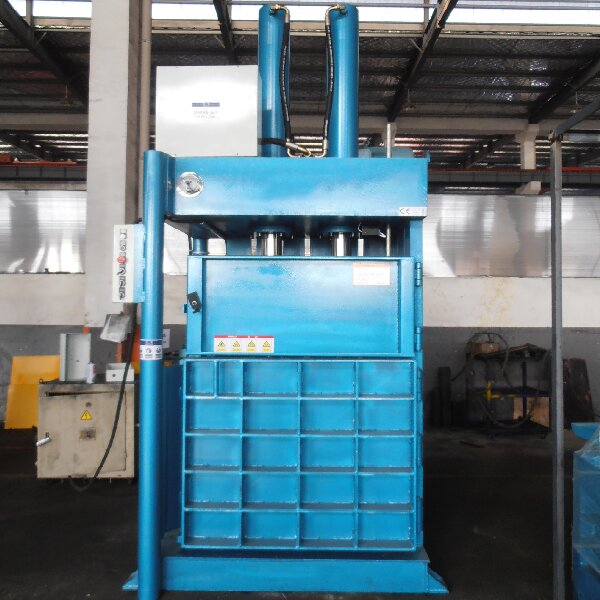
3. Success in Action: A Vertical-Specific Case Study
Client: A large European textile waste recycler.
Challenge: Needed to process mixed, post-consumer textiles (clothes, rags) into high-density, stable bales for export and downstream recycling. Existing equipment struggled with inconsistent bale density, frequent jamming from tangled materials, and high maintenance costs.
Solution from NKBALER: After a detailed site analysis, NKBALER recommended a custom-configured Double Chamber Horizontal Baler for textiles. Key customizations included:
- A pre-compression ram with a specialized "comb" design to untangle and pre-align textiles before main compression.
- An increased main compression force tailored for the fibrous material.
- An automated wire-tying system synchronized for the optimal bale size for container loading.
- Enhanced filtration on the hydraulic system to handle fine dust from fabrics.
Result: The client achieved a 25% increase in bale density, leading to significant savings on transportation costs. Machine uptime improved by over 30% due to reduced jamming, and the consistent bale shape streamlined their logistics. The partnership, now in its fourth year, is supported by NKBALER's dedicated after-sales team, which includes 20 service personnel for global support.
4. Strategic Collaboration: Key Points for Buyers
A successful procurement is the start of a long-term partnership. Manage it proactively:
- Define Your Standards Upfront: Clearly communicate not just your material type and desired bale size, but also any specific regulatory (e.g., EU machinery directive), safety, or corporate sustainability standards the equipment must meet.
- Insist on a Pre-Sales Technical Assessment: A reputable supplier should offer to analyze your material sample and, ideally, conduct a site visit or virtual survey to understand spatial constraints, feed logistics, and operational workflow. This step is critical for avoiding costly mismatches.
- Scrutinize the After-Sales & Emergency Support Plan: The quality of post-purchase support is a major differentiator. Clarify:
- Warranty period and coverage details.
- Availability of spare parts (are they stocked globally?).
- Remote diagnostic capabilities and on-site service response times.
- Training provided for your operators and maintenance staff.
Conclusion: Partnering for Vertical Excellence
The landscape for hydraulic balers is increasingly specialized. The most successful procurement outcomes arise from partnering with suppliers who view your unique industry challenges as an engineering puzzle to be solved, not just a product to be sold. By focusing on demonstrable vertical experience, unwavering commitment to quality and certification, and robust, innovative engineering, you can select a partner that delivers not just a machine, but a optimized waste management solution. As a leader with nearly two decades of focused R&D and a global service footprint, NKBALER embodies this partner-led approach, helping clients across the scrap metal, plastic, paper, agricultural, and textile sectors turn their waste streams into efficient, valuable resources.
For a technical consultation tailored to your industry's baling needs, contact the experts at NKBALER:
🌐 Website: https://www.nkbaler.com
📧 Email: Sales@nkbaler.com | Nickbaler888@gmail.com
📞 Phone/WhatsApp: +86 15021631102
🏢 Address: East Qunsheng Road, Wuxi City, Jiangsu, China