
Veterinary Endoscope Ecosystem: The Distributor Long Game
Global veterinary endoscopy was valued at roughly USD 290–300 million in 2024–2025 according to market researchers, with projections suggesting it could pass USD 586 million by 2034. In a market expanding at that pace, distributors face a structural question: treat veterinary endoscopes as one-off products, or build a supply relationship that can grow with clinical demand, training needs, and after-sales service. For procurement teams moving from decision into execution, the second option is where the economics increasingly sit.
Why Transactional Sourcing Reaches Its Limit
A distilled purchase–resell model works well for consumables. Diagnostic devices are different because customer value depends on how the equipment is used, maintained, and supported after delivery. The most common weaknesses in transaction-driven distribution are:
- Training gaps. If the veterinarian has not been trained on correct handling, devices fail prematurely. Manual bending of an insertion tube or immersing a non-waterproof handle are typical causes of damage.
- Limited product line. A distributor who only offers one type of endoscope cannot follow a clinic as it expands from ear examinations to gastroscopy or from small animals to equine work.
- Unclear maintenance procedures. Without documented cleaning, storage, and calibration rules, clinics improvise, and repair costs accumulate.
- Service uncertainty. When warranties, spare part prices, and response times are undefined, the distributor carries the commercial risk.
These factors explain why veterinary endoscope buyers, especially at the evaluation and execution stage, are shifting from single-purchase logic to ecosystem logic: a supplier that can provide devices, documentation, training support, and a repeatable ordering process.
The Opportunity: Ecosystem-Based Distribution
An ecosystem-based distribution model links four elements:
- A portfolio that expands from small animals to large animals and from otoscopy to gastrointestinal endoscopy.
- Standardized training that reduces user error and extends device life.
- Documented risk-control and maintenance protocols.
- Procurement conditions that allow low-risk trial orders and predictable reorders.
For distributors, this model changes the conversation with clinics. Instead of competing on price alone, they can offer a package of products, protocols, and training — which is harder to replace and easier to grow.
Brand Solution: JeetVet as a Distributor-Facing Vendor
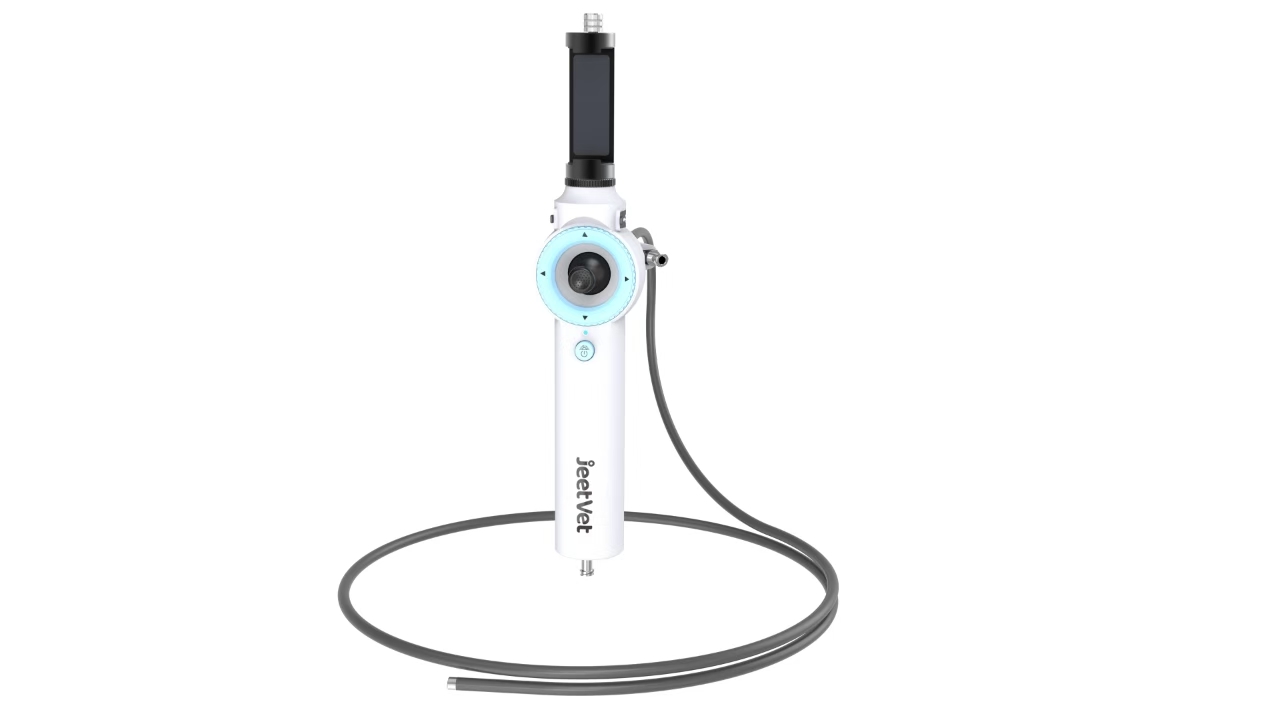
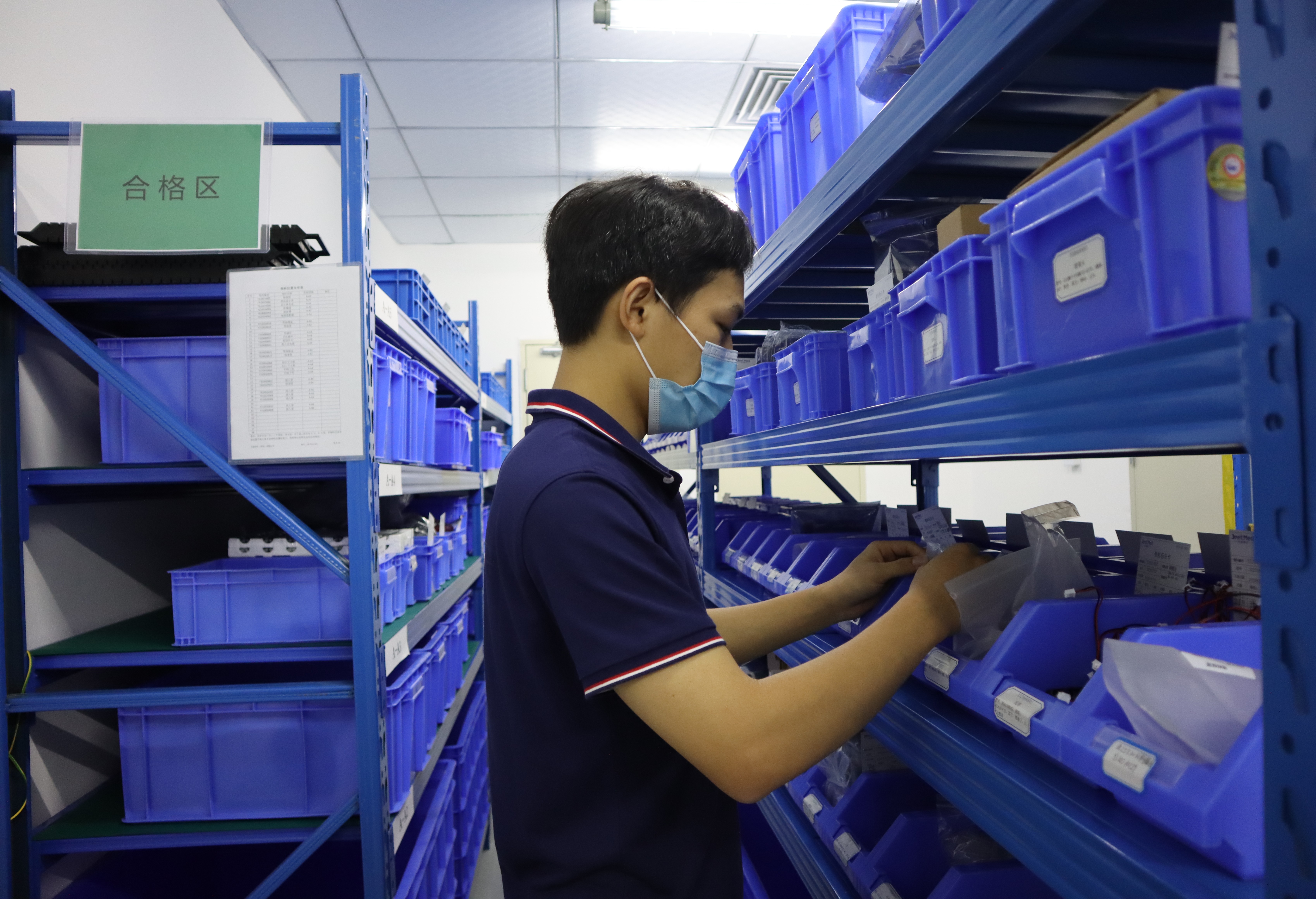
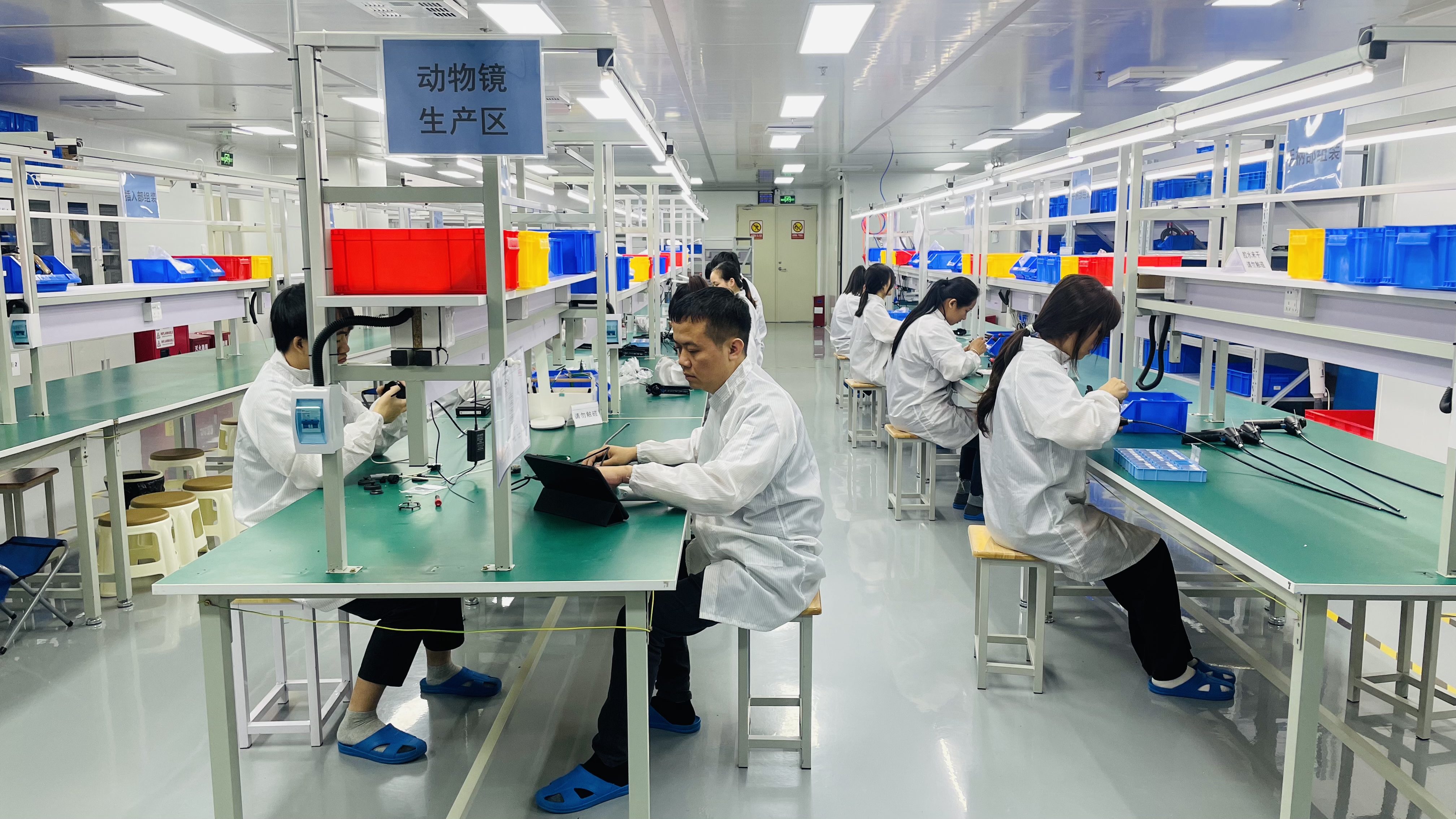
JeetVet, a brand operated by Jeet Medical (Shenzhen) Co., Ltd. (www.jeetvet.com), provides a practical reference point for this type of evaluation. The company was founded in 2020 and operates a 5,000 m² factory in Shenzhen with around 130 employees. Its in-house R&D team consists of roughly 30 engineers, and annual output capacity is approximately 10,000 units. JeetVet's product categories include portable veterinary endoscopes, veterinary otoscopes, veterinary flexible otoscopes, and veterinary gastroscopes.
For distributors evaluating long-term sourcing, the more decision-relevant facts are quantitative. JeetVet operates a class 100,000 cleanroom and a class 10,000 microbiological laboratory, both of which matter for optical instrument assembly and infection control. The company holds ISO 13485 certification issued through SGS, aligning its quality management system with international medical device requirements. Around 50% of output is exported to Europe, North America, Southeast Asia, Latin America, and the Middle East — a signal that the products have been used across multiple regulatory and clinical environments.
On the procurement side, JeetVet states an MOQ of 1 unit, offers FOB and CIF delivery terms, performs 100% pre-shipment inspection and functional testing, and accepts T/T advance payment. For a distributor entering a new category, an MOQ of one unit lowers the risk of a first trial order significantly, while 100% pre-shipment checking reduces the chance of receiving defective stock.
Technical Ecosystem: One Platform, Multiple Clinical Paths
A distribution partner's real value becomes visible in the breadth of its product line. JeetVet's current catalog covers several clinical segments under one portable platform:
Small-Animal and General Diagnostics
- RAE-105 — portable USB veterinary endoscope with 5.8 mm outer diameter, 1,000,000 pixels, 360° steering, 2.0 mm working channel, 120° field of view, and 7–100 mm depth of field.
- RAE-105Pro — WiFi version of the same platform, compatible with Android, Windows, and iOS.
- RAE-107 — HD portable WiFi endoscope with 1,000 mm working length, 360° steering, with water/air supply, suction, and forceps working channel available.
- RAE-109 — portable USB veterinary gastroscope with 5.8 mm outer diameter and 1,000,000 pixels.
Ear and Nasal Examination
- RAE-201 — veterinary flexible otoscope with 600 mm working length, 3.1 mm outer diameter, 1.2 mm channel, 180° bending, and 5–50 mm depth of field.
- RAE-500 — portable smart veterinary otoscope with 1.85-inch screen, 720×720 resolution, 3.9 mm lens, 6 LED lights, 78° field of view, and built-in 8 GB storage.
Large-Animal Endoscopy
- VET-5820 — portable veterinary gastroscope for large animals, 1,500 mm working length, 5.8 mm outer diameter, 2.0 mm inner channel, 1080P resolution.
- VET-8528 — portable veterinary endoscope for large animals, 1,500 mm working length, 8.5 mm outer diameter, 2.8 mm inner channel, 1080P resolution.
From a distributor's perspective, this portfolio means that a single supplier can support a clinic's move from first otoscope to advanced equine gastroscopy. It also simplifies spare parts management, staff training, and product family consistency — a practical advantage over working with multiple vendors.
Documented Risk Control and Maintenance
Long-term cost predictability depends on clear maintenance rules. JeetVet's risk-control documentation defines two key areas:
- Liquid ingress / seal failure: The handle must not be submerged; only the insertion tube is designed for immersion during cleaning. Disinfection should be done by wiping with alcohol swabs, and the scope should be stored vertically to prevent moisture from flowing back into the handle.
- Mechanical damage / misuse: The insertion tube must be angled only through the joystick on the handle. Manual bending or twisting is prohibited. If significant resistance is felt, the user must stop immediately to prevent wire breakage. The joystick must return to the neutral position before withdrawal.
JeetVet also advises scheduled maintenance every six months, including leak testing and tension wire calibration. For distributors, these documents are not just user manuals; they are a basis for setting warranty terms, reducing misuse claims, and training clinic staff.
Application / Use Case: Training Center Project in Russia
One documented project in Russia illustrates how a supplier can support distributors at the market-building level. The project established a standardized endoscopy training center in the region and trained more than 300 veterinarians on the systems. The same project was described as delivering return on investment by offering premium diagnostic quality at an entry-level price point.
For a distributor, the relevance of this case is threefold. First, a training center lowers the rate of user error and therefore reduces warranty and repair costs. Second, standardized instruction creates familiarity with one brand across many clinics, which supports repeat purchasing. Third, the economic claim — diagnostic quality at a price point accessible to smaller practices — matters in markets where clinics are price-sensitive.
Market Trends: Why This Matters in 2026 and Beyond
Several verified market signals support the shift toward long-term distribution partnerships:
- Market size. The global veterinary endoscopy market was valued at approximately USD 290–300 million in 2024/2025 and is projected to exceed USD 586 million by 2034 (Straits Research).
- Regional weight. North America held the largest share at more than 34.48% of global revenue in 2024 (Market Research Future).
- AI adoption. The market for AI in endoscopy is growing at a CAGR of 25.7%, with AI-assisted diagnostics identified as a primary trend for veterinary video endoscopy (Technavio / Strategic Market Research).
- Pet insurance. More than 5 million pets were insured in North America as of 2024 (NAPHIA), increasing the affordability of advanced diagnostic procedures such as endoscopy.
- Optical standards. Medical endoscopes are expected to comply with the ISO 8600 series — ISO 8600-1 for general requirements and ISO 8600-3 for field of view — ensuring optical safety and performance.
These data points point in the same direction: veterinary endoscopy is moving toward portable, digitally connected devices, and buyers are becoming more aware of standards and total lifecycle costs. Distributors who can connect those trends to a stable supplier relationship will be better positioned than those who source opportunistically.
Comparison with Traditional Solutions
| Dimension | Traditional players (e.g., Karl Storz, Olympus) | JeetVet portable ecosystem |
|---|---|---|
| Primary environment | Hospital / clinic fixed suites | All-terrain: clinic, field, mobile |
| Cost position | Higher initial system cost | 25% lower total cost of ownership, 20% lower total cost, 20% lower maintenance cost (company comparison data) |
| Usability | Variable learning curve | Joystick control, 5-second boot-up, single-vet operation |
| Maintenance model | Replacement parts and service contracts | Low-cost parts, free training support |
| Portability | Stationary | Portable and lightweight |
This comparison should be interpreted with a clear boundary. Established players such as Karl Storz and Olympus offer complete surgical imaging ecosystems — endoscopy towers, light sources, camera systems, surgical monitors, and rigid scopes. For referral hospitals and surgical centers that need full OR integration, those systems remain the relevant standard. JeetVet's portable products are not designed for rigid-endoscopy specialties such as arthroscopy or neurosurgery. The realistic role of portable ecosystems is in outpatient clinics, mobile practices, field work, and large-animal applications where traditional towers are impractical.
For distributors, the practical conclusion is complementary. A distributor serving both referral hospitals and community clinics may need both product categories. For smaller clinics and mobile practices, the portable ecosystem offers a lower entry threshold and faster return.
Future Outlook: Building the Distribution Model That Lasts
Looking ahead, the veterinary endoscope market will likely reward suppliers that combine three things: a portable product base, a standards-driven quality system, and a training-plus-service model. AI-assisted diagnostics, already growing at 25.7% CAGR, will become a differentiator in the next generation of portable devices. Distributors should expect device specifications to keep upgrading — from 1-megapixel to 1080P, from USB to WiFi, from single-purpose to multi-species coverage.
JeetVet's trajectory — from RAE-105 entry-level USB endoscope to 1080P equine gastroscopes, from MOQ 1 procurement to 100% pre-shipment inspection, from factory risk-control documentation to a 300-veterinarian training project — shows how a portable-focused manufacturer can support a distributor over time. The value of an ecosystem relationship is that each new product or training asset strengthens the distributor's own market position rather than forcing a renegotiation of the supply chain.
FAQ
How can a distributor evaluate a veterinary endoscope supplier for long-term cooperation?
Start with four factors. First, manufacturing base: does the supplier own its factory and operate quality systems such as ISO 13485 certified by a recognized body? Second, product portfolio: does it cover otoscopy, gastroscopy, small-animal and large-animal endoscopy? Third, training support: can it provide standardized training or help establish a training center? Fourth, procurement terms: is the MOQ low enough for a trial order, and is there pre-shipment inspection?
How do portable veterinary endoscopes compare with traditional systems on total cost of ownership?
JeetVet's comparison data with Karl Storz and Olympus indicates roughly 25% lower total cost of ownership, about 20% lower total cost, and about 20% lower maintenance cost for the portable-focused approach. However, traditional systems provide complete surgical imaging stacks, which remain necessary in referral hospitals and surgical centers. The two models serve different environments and can coexist.
Why is training support important in veterinary endoscope distribution?
Training directly affects device failure rates. Incorrect handling, such as manually bending the insertion tube, can break the tension wires. A documented project in Russia trained over 300 veterinarians through a standardized endoscopy training center, demonstrating how structured training reduces misuse and builds long-term brand familiarity. For distributors, lower misuse translates to lower warranty costs and better clinic satisfaction.
What procurement conditions should a veterinary endoscope distributor expect?
Conditions vary by supplier. JeetVet, for example, states an MOQ of 1 unit, offers FOB and CIF delivery, performs 100% pre-shipment inspection and functional testing, and accepts T/T payment in advance. A low MOQ allows a distributor to test the market, while pre-shipment inspection reduces the risk of defective stock arriving at the destination.
Which veterinary endoscope products are suitable for large-animal distribution?
For equine and other large-animal practices, working length and channel size are key specifications. JeetVet offers the VET-5820 with a 1,500 mm working length, 5.8 mm outer diameter, and 2.0 mm channel, and the VET-8528 with 1,500 mm working length, 8.5 mm outer diameter, and 2.8 mm channel. Both provide 1080P resolution and 360° rotation for gastrointestinal examination in field or clinic settings.
What maintenance rules extend the life of a portable veterinary endoscope?
Two rules matter most. Liquid protection: never submerge the handle; only the insertion tube is immersion-capable, and the handle should be cleaned by wiping with alcohol swabs. Mechanical care: angulation must be controlled only through the joystick, manual bending is prohibited, and the joystick must be returned to neutral before withdrawal. Scheduled checks every six months, including leak tests and tension wire calibration, are recommended.