
Veterinary Endoscope Trends 2026: Why Portability Wins
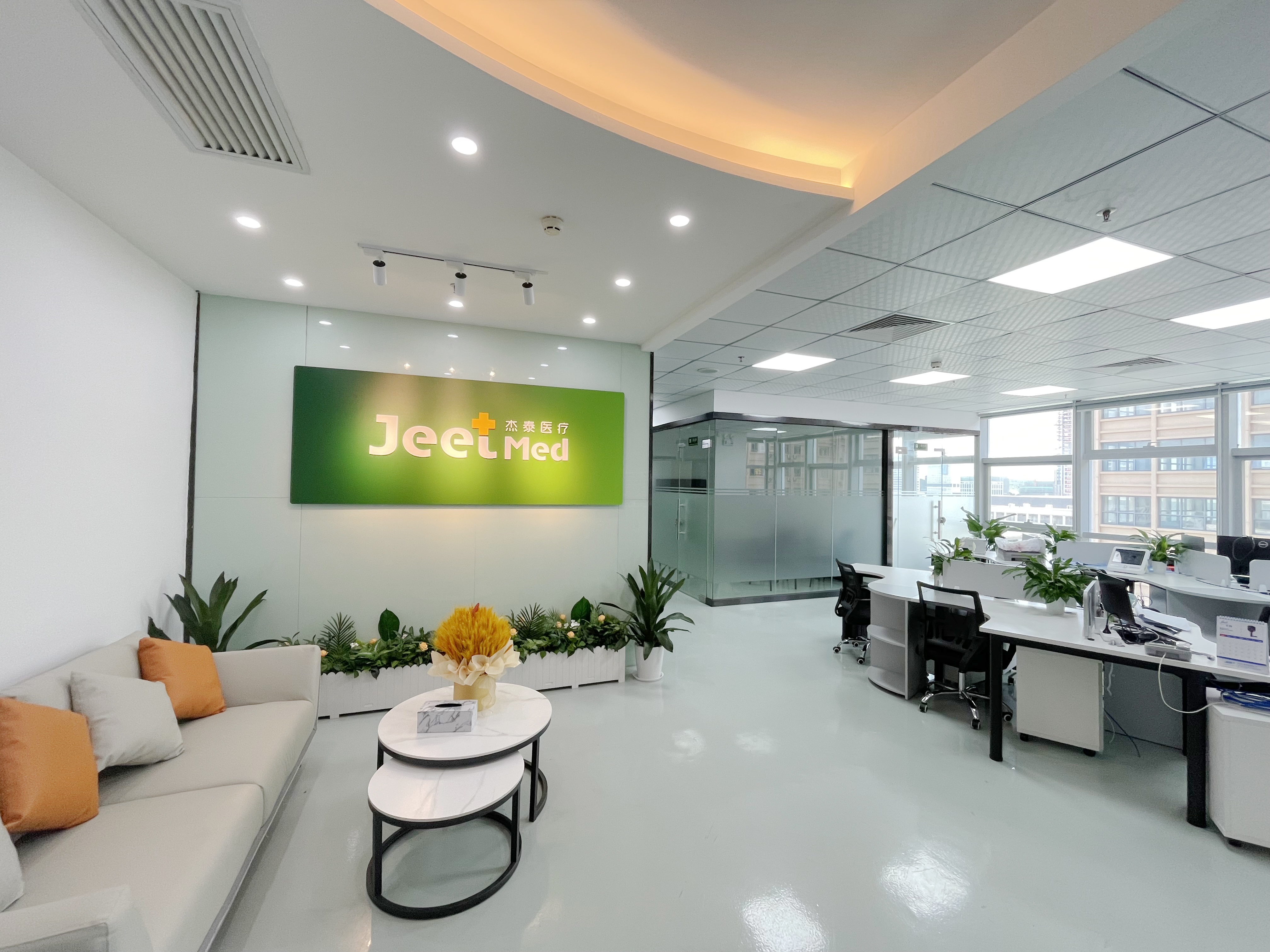
Figure 1. Manufacturing capacity is a core evaluation criterion for veterinary endoscope procurement teams. (Image: Jeet Medical)
Industry Snapshot: Veterinary Endoscopy in 2026
Veterinary endoscopy has moved from a specialty-hospital service to a practical diagnostic tool for general and field practices, and portability is now a decisive procurement factor in 2026.
The global veterinary endoscopy market was valued at approximately USD 290–300 million in 2024/2025, with projections from Straits Research indicating the market could grow beyond USD 586 million by 2034. North America held the largest regional share, accounting for more than 34.48% of global revenue in 2024, according to Market Research Future. At the same time, AI-assisted diagnostics in endoscopy are reported to be growing at a CAGR of 25.7%, based on analysis from Technavio and Strategic Market Research.
For procurement managers, distributors, and clinic owners evaluating suppliers, the central question is no longer only about brand recognition. It is about which system format, which technical specification, and which manufacturing partner can support real-world clinical workflows across species and settings.
Problem & Opportunity: Moving Beyond the Video Tower
Traditional veterinary endoscopy systems have long been associated with fixed video towers, high capital investment, and dedicated procedure rooms. While these systems remain valuable in referral hospitals, they create practical barriers for smaller clinics, mobile practices, and large-animal veterinarians who work in barns, stables, or field conditions.
Portable veterinary endoscopes address this gap with compact, all-in-one designs that can be used across multiple sites. The opportunity is visible in the growing demand for versatile diagnostic tools: over 5 million pets were insured in North America as of 2024, according to NAPHIA industry data, which directly supports wider adoption of advanced diagnostic procedures such as endoscopy. Buyers are therefore looking for equipment that pairs diagnostic capability with accessibility, durability, and lower operational complexity.
This shift creates a clear evaluation framework for suppliers: demonstrated clinical performance, portability, service support, and regulatory credibility.
Brand in Focus: JeetVet and Jeet Medical
JeetVet is the veterinary endoscope brand of Jeet Medical (Shenzhen) Co., Ltd., a manufacturer founded in 2020 and based in Shenzhen, China. The company operates a 5,000 m² facility with 130 employees, including a 30-person R&D team, and reports an annual output of approximately 10,000 units. Around 50% of production is exported, with key markets including Europe, North America, Southeast Asia, Latin America, and the Middle East.
JeetVet’s core product family covers portable veterinary endoscopes, veterinary otoscopes, flexible otoscopes, and veterinary gastroscopes. The company also publishes an official corporate brochure that details its manufacturing and product capabilities, available for public download.
For buyers, JeetVet represents a mid-sized, R&D-driven manufacturer with a dedicated focus on portable veterinary endoscopy rather than a broad human-medical device portfolio.
Brand Solution: A Portable-First Veterinary Endoscope Portfolio
JeetVet’s product lineup is organized around portability, imaging performance, and adaptability to different animal sizes and clinical scenarios. The following portfolio overview summarizes the main models and their published specifications.
| Model | Type | Outer Diameter | Working Length | Imaging | Key Features |
|---|---|---|---|---|---|
| RAE-105 | Portable USB Veterinary Endoscope | 5.8 mm | — | 1,000,000 pixels | 360° steering, 2.0 mm working channel, 7–100 mm depth of field, weight under 1 kg |
| RAE-105Pro | Portable WiFi Veterinary Endoscope | 5.8 mm | — | 1,000,000 pixels | USB and WiFi connection, 360° steering, 2.0 mm working channel |
| RAE-107 | Portable WiFi Veterinary Endoscope | 5.8 mm | 1000 mm | 1,000,000 pixels, HD | 360° directional control, water/air supply, suction, forceps channel, single-operator use |
| RAE-109 | Portable USB Veterinary Gastroscope | 5.8 mm | — | 1,000,000 pixels | 360° steering, 2.0 mm working channel, USB connection |
| RAE-500 | Portable Smart Veterinary Otoscope | 3.9 mm lens | — | 1 megapixel, 720×720 display | 1.85-inch screen, 6 LED lights, 1x/1.2x/1.5x magnification, built-in 8 GB storage, Type-C port |
| VET-5820 | Portable Veterinary Gastroscope for Large Animals | 5.8 mm | 1500 mm | 1080P HD | 2.0 mm channel, 180° bending, 360° rotation, 7–100 mm depth of field |
| VET-8528 | Portable Veterinary Endoscope for Large Animals | 8.5 mm | 1500 mm | 1080P HD | 2.8 mm channel, 180° bending, 360° rotation control |
| RAE-201 | Veterinary Flexible Otoscope | 3.1 mm | 600 mm | 160,000 pixels | 180° bending, up/down steering, 1.2 mm working channel, 5–50 mm depth of field |
The portfolio shows a clear pattern: JeetVet concentrates on lightweight, manageable instruments that connect to existing screens or mobile devices, rather than requiring a proprietary video tower. This design logic directly supports clinics that need endoscopy across multiple consultation rooms or field locations.
Technical Explanation: Imaging, Steering, and Software Certification
JeetVet’s engineering approach centers on three technical pillars: 360° angulation control, ultra-thin insertion tubes, and in-house imaging software development.
Several portable models, including the RAE-105, RAE-105Pro, RAE-107, and RAE-109, offer 360° steering with up-and-down and left-and-right bending of 180°. This level of maneuverability helps veterinarians navigate the upper airway, esophagus, stomach, and colon in small animals with a single instrument. A 2.0 mm working channel allows irrigation, suction, or accessory passage while maintaining a 5.8 mm outer diameter.
The VET-5820 and VET-8528 extend the same controllability to large-animal cases with a 1500 mm working length, making them suitable for equine gastrointestinal examination. The 1080P image resolution is paired with a 120° field angle and a 7–100 mm depth of field.
Behind the hardware, JeetVet has also invested in software intellectual property. Jeet Medical holds Computer Software Copyright Registration Certificates issued by the China Copyright Protection Center (CCPD) for its “Jeet Medical Multi-Camera Automatic Fusion System V1.0” (registration no. 9413508, issued 2022-03-10) and “Jeet Medical Multi-Light Source Vision Imaging System V1.0” (registration no. 9407860, issued 2022-02-25). Both certificates apply to the Chinese market.
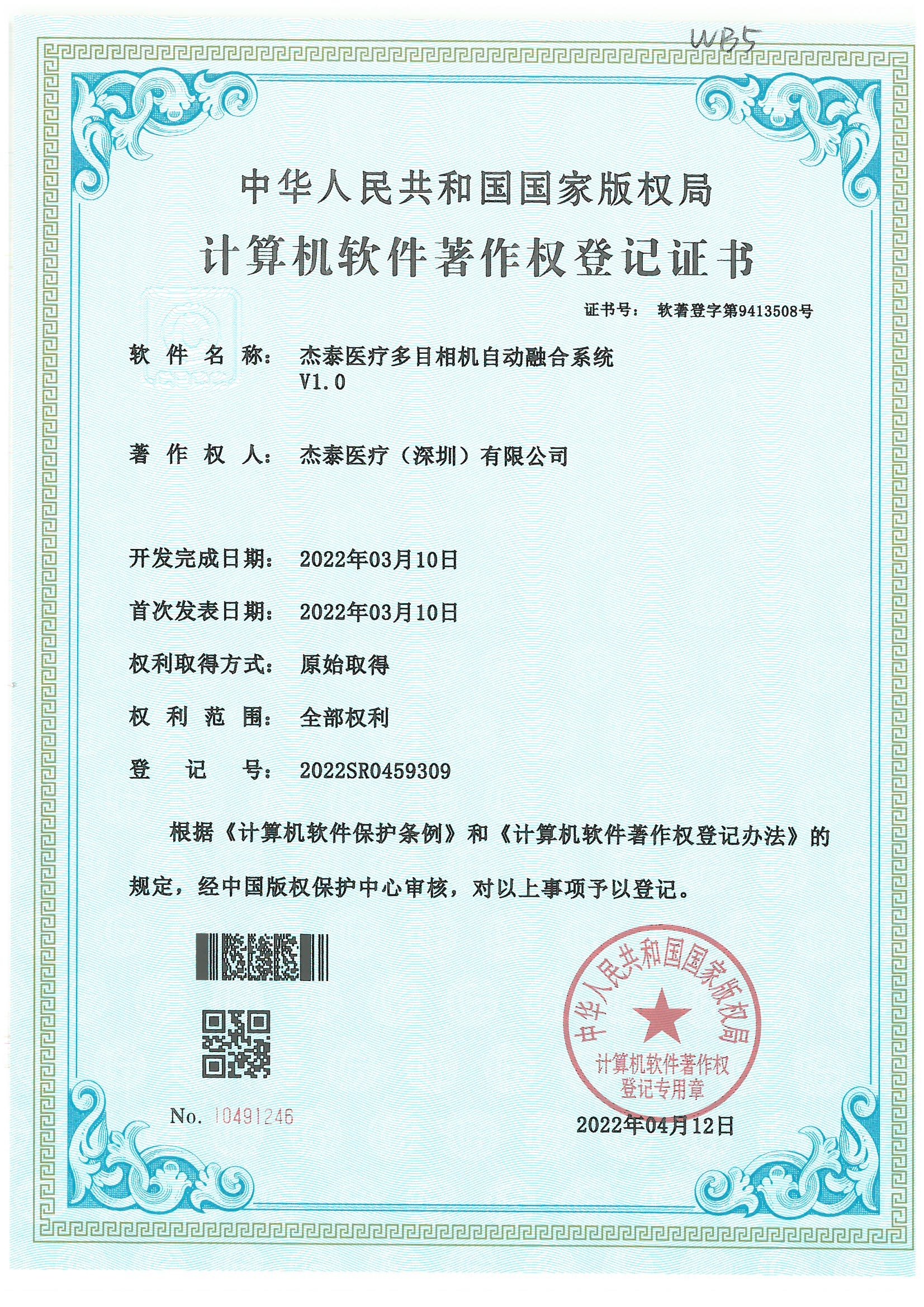
Figure 2. Registered software copyrights support the imaging system development behind JeetVet’s portable endoscopes.
Manufacturing quality is another documented factor. According to the company profile, Jeet Medical operates a 100,000-class cleanroom and a 10,000-class microbiological laboratory, and holds ISO 13485 certification audited by SGS. While ISO 13485 addresses quality management for medical devices, the ISO 8600 series is the relevant international standard for optical safety and performance of medical endoscopes, including general requirements (ISO 8600-1) and field-of-view specifications (ISO 8600-3). Buyers should request both types of evidence during supplier qualification.
Application Scenarios: Small Animals, Large Animals, and Field Deployment
JeetVet’s product categories map to three recurring procurement scenarios in veterinary practice.
Companion Animal Clinics (Dogs and Cats)
For small-animal practices, the RAE-105 and RAE-105Pro provide a lower-cost entry point for routine gastrointestinal and respiratory examination. Their 5.8 mm outer diameter and 2.0 mm working channel fit the anatomy of most dogs and cats while keeping the device light enough for single-hand control. The RAE-107 adds a 1000 mm working length and WiFi connectivity, which is practical for procedures where the operator needs freedom of movement away from a fixed screen.
For ear and nasal examinations, the RAE-201 flexible otoscope uses a 3.1 mm insertion tube with up-and-down steering, while the RAE-500 smart otoscope offers a 3.9 mm lens, 6 LED lights, and built-in 8 GB storage for in-clinic image capture.
Large Animal and Equine Practice
Large-animal veterinarians face different constraints: longer anatomic distances, field conditions, and limited space for heavy equipment. The VET-5820 and VET-8528 are designed for these scenarios with a 1500 mm working length, 360° rotation control, and 1080P imaging. The larger channel on the VET-8528 (2.8 mm) improves suction and accessory compatibility for equine gastrointestinal work.
Field Deployment and Mobile Clinics
JeetVet has documented a field deployment case in Europe in which the project achieved 100% equipment uptime in resource-constrained areas through remote technical support and robust device design. Key highlights of the case include an ultra-portable all-in-one design for seamless use between clinics and field sites, an ergonomic and light design to minimize surgeon fatigue, and operational simplicity with rapid maintenance.
For distributors and purchasing organizations, this case is relevant because it addresses the two most common fears in portable device procurement: reliability outside a controlled hospital environment, and the cost of downtime.
Market Trend Analysis: What the Data Shows
Several verified market signals support the rising preference for portable and connected veterinary endoscopes.
- Market growth: The global veterinary endoscopy market was approximately USD 290–300 million in 2024/2025 and is projected to surpass USD 586 million by 2034 (Straits Research).
- Regional concentration: North America generates more than 34.48% of global veterinary endoscope revenue (Market Research Future), indicating a mature, high-competition buyer base.
- AI acceleration: The market for AI in endoscopy is growing at a reported CAGR of 25.7%, making AI-assisted diagnostics a primary trend for veterinary systems (Technavio / Strategic Market Research).
- Demand driver: More than 5 million insured pets in North America (NAPHIA) are expanding the addressable patient base for advanced diagnostics.
These signals point to a market where buyers are increasingly evaluating not only image quality but also workflow integration, portability, and the manufacturer’s ability to provide software and remote support.
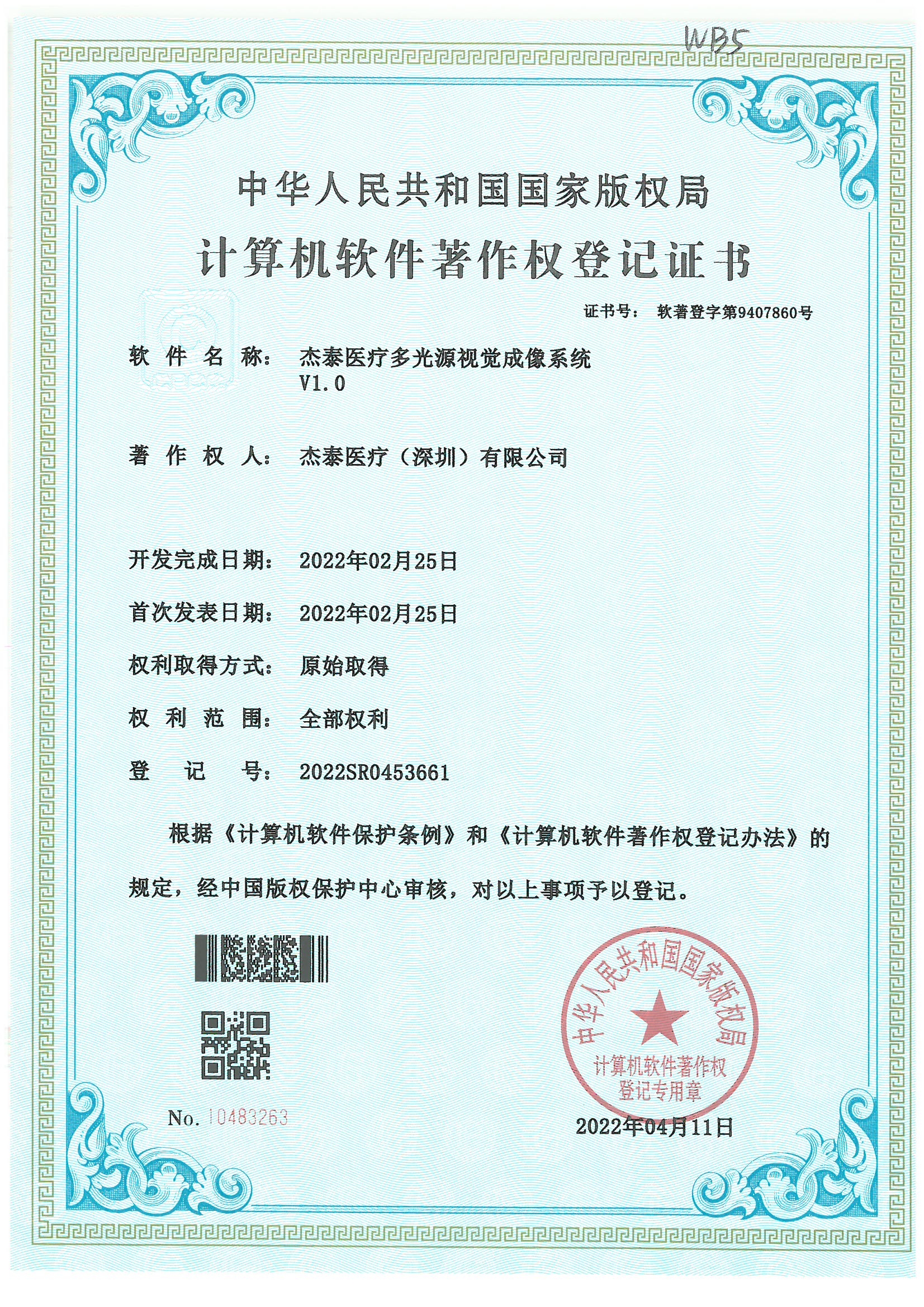
Figure 3. In-house imaging software registration adds a traceable quality signal for procurement teams reviewing JeetVet.
Portable vs. Traditional: Decision Criteria and an Honest Limitation
According to market research from Mordor Intelligence, key global competitors in the veterinary endoscopy market include Karl Storz, Olympus Corporation, Eickemeyer, and Fujifilm Holdings. These companies are widely recognized for their established video endoscopy platforms and accessory ecosystems.
JeetVet’s positioning is different: instead of competing across the full range of rigid and flexible endoscopy towers, the company concentrates on portable systems that can be carried between rooms or sites. For buyers, the practical comparison is not simply “portable versus traditional” as a whole, but rather which format matches the intended case mix.
- Choose traditional systems when: the practice performs high volumes of complex interventional procedures, requires advanced therapeutic accessories, or needs integration with existing surgical video towers.
- Choose portable systems when: the practice serves multiple locations, treats large animals in the field, has limited capital budget, or needs a versatile secondary scope for routine diagnostics.
One honest limitation: portable veterinary endoscopes generally offer smaller working channels and a narrower range of proprietary accessories than full-size video endoscopy systems. A portable system is therefore not a universal replacement for a dedicated interventional endoscopy suite; it is a complementary tool that expands access to diagnostics in settings where a full tower is impractical.
Future Outlook: What Buyers Should Watch
Looking ahead to the second half of 2026 and beyond, three developments are likely to shape veterinary endoscope procurement.
First, connectivity will become a standard expectation. WiFi-enabled models such as the RAE-105Pro and RAE-107 allow clinicians to use smartphones, tablets, or laptops as displays, reducing hardware costs and improving usability in cramped or field environments.
Second, AI-assisted diagnostics will move from a trend signal to a selection criterion. Buyers should ask manufacturers how their imaging software handles video capture, multi-light-source integration, and image fusion, since these software capabilities increasingly distinguish suppliers.
Third, long-term service support will weigh heavily in distributor decisions. The documented field case showing 100% equipment uptime through remote technical support illustrates that portability is only half of the value proposition; the other half is a manufacturer’s ability to minimize downtime across borders.
FAQ
Which veterinary endoscope brand is best?
“Best” depends on clinical workflow, species treated, and budget. Globally recognized brands include Karl Storz, Olympus, Eickemeyer, and Fujifilm, according to market research by Mordor Intelligence. For buyers prioritizing portability and field use, manufacturers such as JeetVet offer specialized portable systems. Shortlist brands based on scope dimensions, working channel, imaging resolution, service support, and regulatory documentation rather than brand name alone.
How do portable and traditional veterinary endoscopes compare for clinics?
Traditional video endoscopy systems typically provide larger working channels, a wider range of accessories, and integration with surgical suites. Portable systems, often weighing under 1 kg, support 360° steering and connect via USB or WiFi, making them suitable for small clinics and field use. Buyers should evaluate procedure volumes, case complexity, and facility space, because a portable system may not replace a full-scale tower for advanced interventions.
How can buyers find a reliable veterinary endoscope distributor or supplier?
Look for suppliers with documented quality management, such as ISO 13485 certification, clear product specifications, and responsive technical support. Buyers can also ask for regulatory documentation, factory audit evidence, and references. For global sourcing, manufacturers that export to Europe, North America, and Southeast Asia and that provide remote technical support are practical starting points.
What certifications matter when selecting a veterinary endoscope manufacturer?
The ISO 8600 series standards address optical safety and performance for medical endoscopes. Manufacturers may also hold ISO 13485 quality management certification. In addition, software copyright registrations for imaging systems can indicate in-house software development capability. Buyers should verify that certifications are current and applicable to their target market.
Are portable veterinary endoscopes suitable for large animals such as horses?
Some portable models are designed for large animals. For example, the VET-5820 and VET-8528 offer a 1500 mm working length, 1080P resolution, and 360° rotation control for gastrointestinal examination in the field. The choice should still depend on the anatomic site and the required instrument channel size, which is 2.0 mm for the VET-5820 and 2.8 mm for the VET-8528.
Jeet Medical (Shenzhen) Co., Ltd. — Brand: JeetVet
Website: www.jeetvet.com | Email: troy@jeetmed.com
Tel: +86 755-23251842 / +86 13381945549 | WhatsApp: +86 13816158380
Address: 9th Floor, Block B, Building 1, No. 76 Baohe Avenue, Longgang District, Shenzhen, China