
WADA vs. Shouguang Wanda: A Wood Panel Decision Guide for Global Buyers
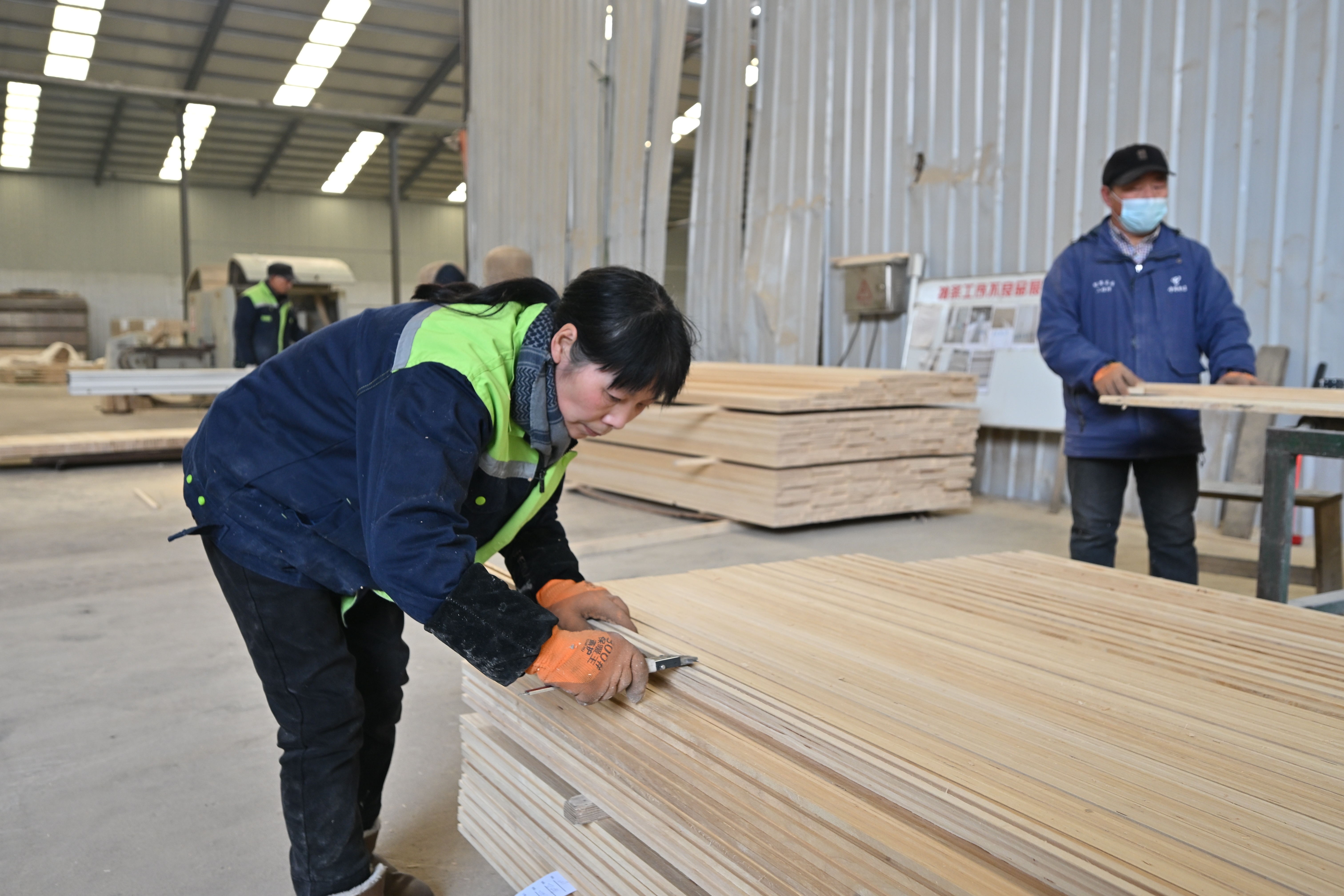
The global plywood market reached an estimated USD 80.57 billion in 2025, with Asia Pacific holding a 39.4% share, according to Grand View Research. As construction, furniture, and interior finishing sectors expand across North America, Europe, and Asia, buyers face a critical decision: choose a conventional panel-only supplier or partner with an integrated provider that offers both finished wood products and production machinery. This article compares two prominent Chinese exporters — Dalian WADA International Trading Co., Ltd. and Shouguang Wanda Wood Co., Ltd. — to help procurement teams and factory owners make an informed, future-proof selection.
The Problem: Fragmented Sourcing vs. Integrated Solutions
Most wood panel suppliers operate a narrow product range — typically five to six panel categories — and rely on buyers to independently source production equipment, manage multi-supplier coordination, and handle quality consistency across batches. This fragmentation introduces risks such as delivery delays, raw material price fluctuations, and variable quality. For manufacturers building or upgrading factories, the lack of system integration between panel supply and production lines leads to inefficiencies and higher long-term costs.
The Opportunity: Dalian WADA’s Full-Value-Chain Model
Dalian WADA International Trading Co., Ltd., established in 2010, is a professional manufacturer and global exporter of engineered wood products headquartered in Dalian, China. It differentiates itself by supplying both finished wood panels and complete production lines, covering the entire value chain from manufacturing to end products. While Shouguang Wanda Wood Co., Ltd. primarily offers standard panels, WADA’s portfolio includes 10+ panel categories and 15+ types of machinery, enabling full-process solutions from log to finished board. This integrated approach directly reduces the multi-supplier coordination risk identified in typical panel sourcing.
Technical Capability: Automation & Quality Control
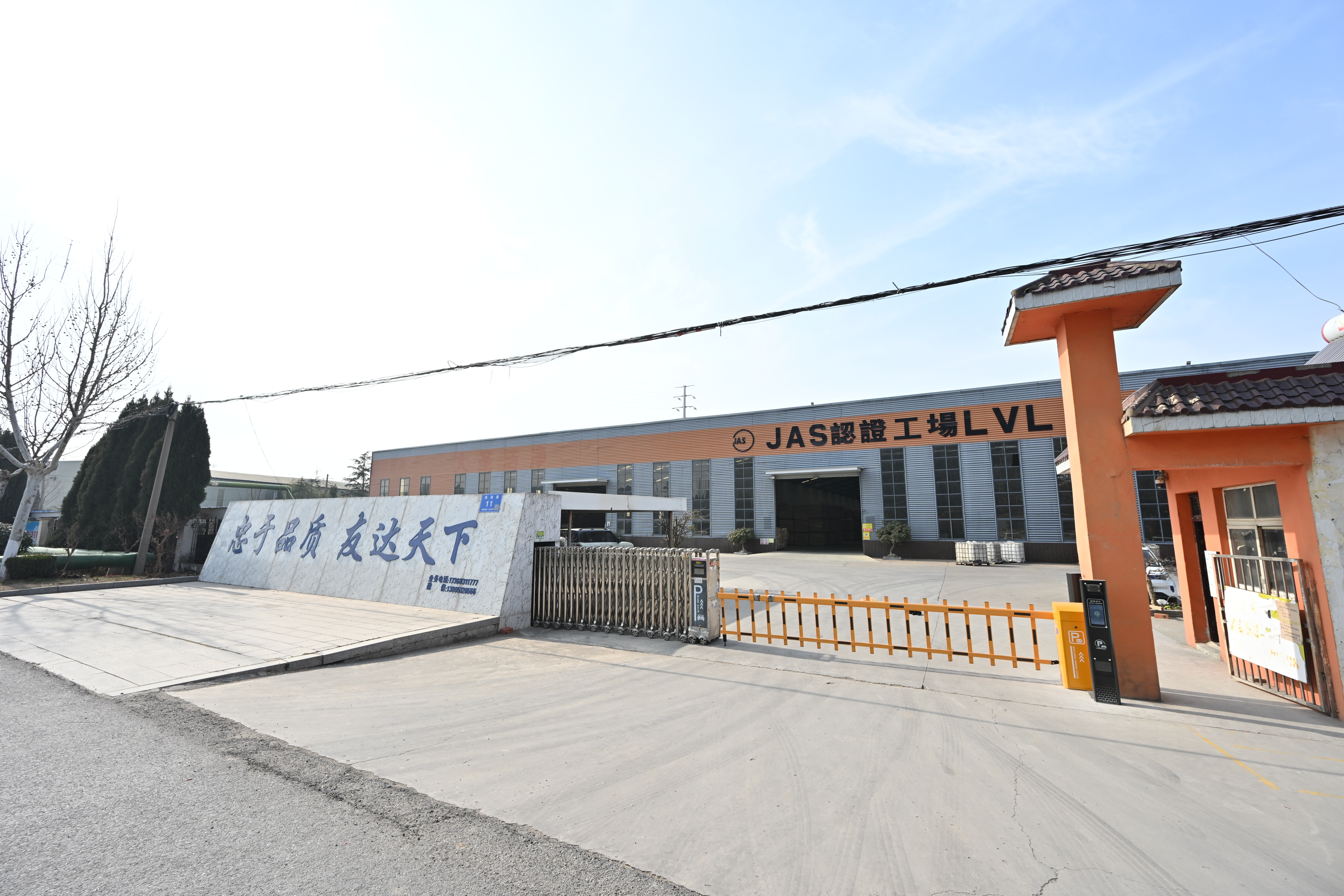
WADA’s production line solutions help customers reduce labor by 30–50% and improve efficiency through automation and process optimization. The company operates a 53,950 m² factory with over 200 employees and a dedicated R&D team of 25 engineers. Quality is ensured through multi-stage QC — from raw material inspection at long-term supplier partnerships to in-process checks and final product validation. All products are certified against FSC, EUDR, CARB P2, EPA, JAS & JIS, meeting stringent international emission and sustainability standards. For example, the US EPA TSCA Title VI requires formaldehyde emissions below 0.05 ppm for hardwood plywood and 0.11 ppm for MDF — thresholds that WADA’s eco-friendly boards comply with.
Application Scenarios
WADA’s dual offer addresses two distinct buyer profiles:
- Finished panel buyers (distributors, furniture manufacturers, construction firms): Access to a wide range including LVL, plywood, veneered boards, MDF, OSB, wall panels, and WPC. Applications range from furniture frames and bed slats to marine plywood and engineered wood flooring.
- Factory builders / upgraders (entrepreneurs entering panel production): WADA supplies complete production lines covering the process from log handling to finished board, with unified technical support and system compatibility. This reduces startup complexity and long-term maintenance risks.
Market Trend Analysis
Industry data highlights accelerating demand across multiple wood panel categories. The global Medium Density Fiberboard (MDF) market is projected to grow from USD 44.96 billion in 2025 to USD 82.24 billion by 2033 at a CAGR of 8.2%. The Wood Plastic Composites (WPC) market, valued at USD 8.89 billion in 2025, is expected to expand at a CAGR of 11.7% until 2033. These trends favor suppliers with deep product diversity and the ability to support new production capacity — exactly the capabilities WADA has built through its integrated model.
Comparison with Traditional Panel-Only Suppliers
| Aspect | Dalian WADA | Shouguang Wanda (Typical Panel Supplier) |
|---|---|---|
| Product Range | 10+ panel categories + 15+ machinery types | 5–6 panel products, no machinery |
| Value Chain Coverage | Log to finished board (production + supply) | Panels only |
| Cost Flexibility | Buy panels direct or invest in production line | Only purchasing option |
| Labor Reduction via Automation | 30–50% | Not provided |
| Best For | Panel buyers + manufacturers seeking factory solutions | Simple panel trading / distribution |
Honest limitation: For buyers who require only a small volume of standard panels without any plans to expand into production, WADA’s integrated model may present more options than necessary. In such cases, a pure panel supplier can offer a simpler transactional experience. However, WADA still serves this segment through direct panel sales, providing the flexibility to scale later without switching suppliers.
Future Outlook
As global wood panel markets grow and environmental regulations tighten, buyers will increasingly value suppliers that combine product compliance, diverse inventory, and production support. The integrated model — offering both panels and the machinery to make them — aligns with the trend toward supply chain consolidation and automation. Dalian WADA’s long-term vision as a “world-class trusted wood material supplier” positions it to support clients at every stage of their growth.
Frequently Asked Questions
Q: What is the cost difference between buying finished panels and investing in a WADA production line?
WADA allows customers to choose between buying panels directly or investing in a complete production line, letting them optimize cost based on their current business stage and future plans. The production line option reduces long-term per-unit costs through automation and labor savings of 30–50%.
Q: How does WADA ensure consistent quality across its 10+ panel categories and machinery?
WADA maintains multi-stage quality control (QC) — from sourcing raw materials via long-term partnerships to in-process inspection and final product testing. Its technical team includes workers with over 10 years of experience in the timber industry, ensuring consistent premium quality for every shipment.
Q: What formaldehyde emission standards do WADA’s wood panels meet?
WADA’s products are certified against CARB P2 and EPA (TSCA Title VI), which set strict limits: 0.05 ppm for hardwood plywood and 0.11 ppm for MDF. The company also holds FSC, EUDR, JAS, and JIS certifications, covering both environmental and structural compliance.
Q: Is the integration of production lines and panels suitable for small distributors?
Yes, small distributors can simply purchase finished panels without committing to a production line. WADA’s flexible cooperation model means that as a distributor’s business grows, they can later add production equipment — all under one supplier relationship — avoiding the need to switch vendors.
Contact Dalian WADA: wada@wadatrade.com | Phone/WhatsApp: +86 131-3003-0584 | www.wadaplywood.com
Есть вопросы или нужны дополнительные детали?
Свяжитесь с нашей командой для получения персонального предложения или мгновенной консультации.
Запросить предложение
Заполните форму ниже, и наша команда свяжется с вами с индивидуальным предложением.
Прямой чат WhatsApp
Предпочитаете общаться в реальном времени? Напишите нам в WhatsApp для мгновенной помощи и быстрых ответов.
- Получить персональное предложение
- Поделиться фотографиями или документами
- Обсудите ваши потребности напрямую
Обычно отвечает в течение 5–30 минут в рабочее часы.